Source Transparent Eco-Friendly Bubble House for Parties, Camping, and Leisure
Find 30 Transparent Eco-Friendly Bubble House options for parties, camping, and leisure. Compare PVC and polycarbonate models with wind resistance and waterproof features from Chinese manufacturers.
Key considerations
Products List
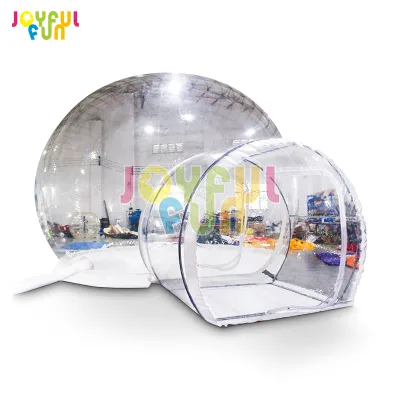

Polycarbonate Outdoor Patio Bubble Room Starry Sky Room Transparent Bubble House
$398.00 - $450.00
MOQ: 2 Square Meters


Modern Design Hot Selling for Outdoor Use PC Hotel Ransparent Dome Star Bubble House
$398.00 - $450.00
MOQ: 2 Square Meters
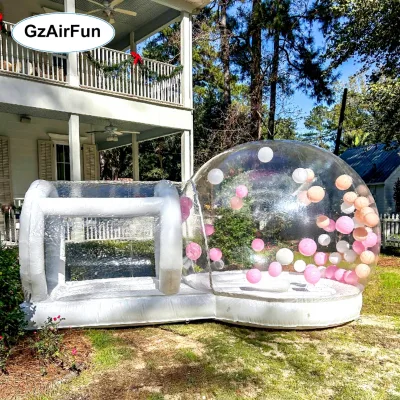
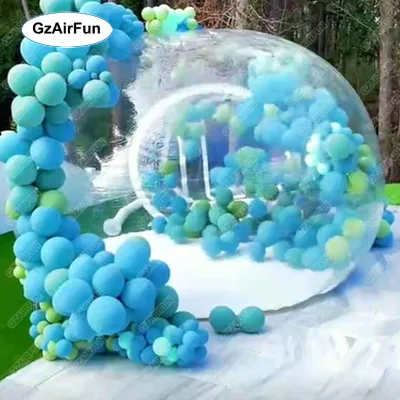
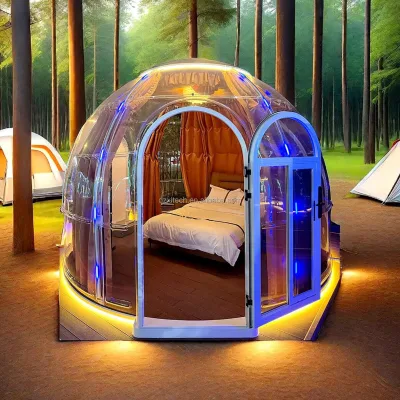
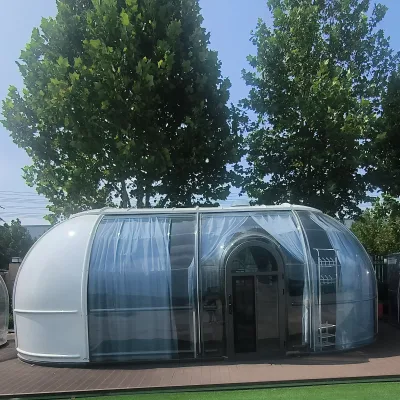
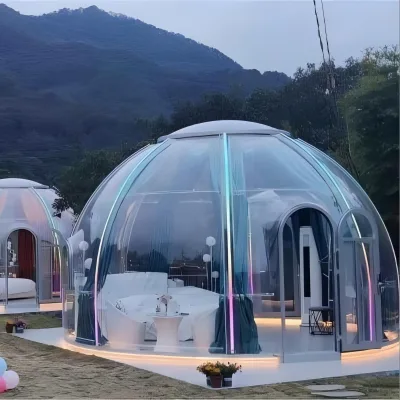
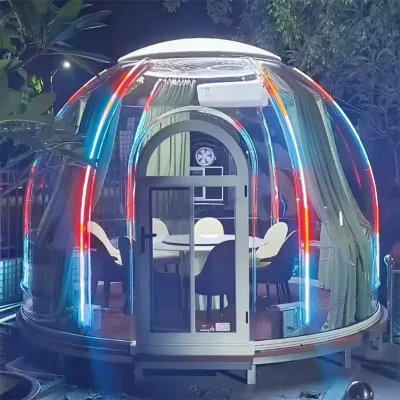
All Weather Eco Friendly PC Transparent Igloo Starry Sky Room Tiny Bubble House
$130.00 - $145.00
MOQ: 1 square
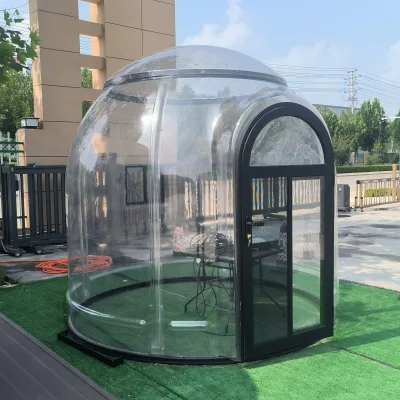
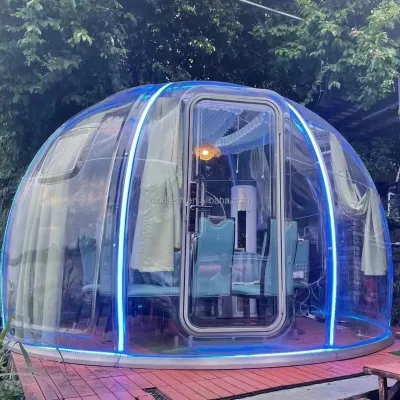


Outdoor Soundproof Globe Clear PC Transparent Dome Star Bubble House Tent
$25.00 - $39.00
MOQ: 25 Square Meters

PC Transparent Bubble House Dome for Children Tiny House Play Area and Creative Space
$25.00 - $39.00
MOQ: 25 Square Meters

Garden Building Hotel Dome House PC Outdoor Transparent Bubble House Dome Solution
$29.00 - $39.00
MOQ: 50 Square Meters

Bubble House Transparent Dome Polycarbonate Starry Sky for Hotel and Camping
$29.00 - $39.00
MOQ: 50 Square Meters

Outdoor Transparent Bubble Tiny House Igloo Dome for Compact Living and Unique Accommodation
$25.00 - $39.00
MOQ: 25 Square Meters

Windproof Clear Bubble House Luxury Transparent Dining Dome for Activity Ready to Ship
$25.00 - $39.00
MOQ: 25 Square Meters


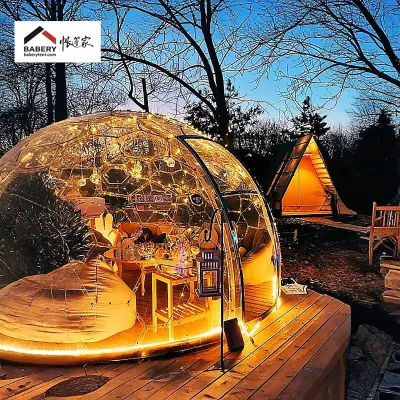


Holiday Date Destination Transparent Polycarbonate Bubble House Warm and Romantic Gathering Place
$1000.00 - $4000.00
MOQ: 1 Square Meters


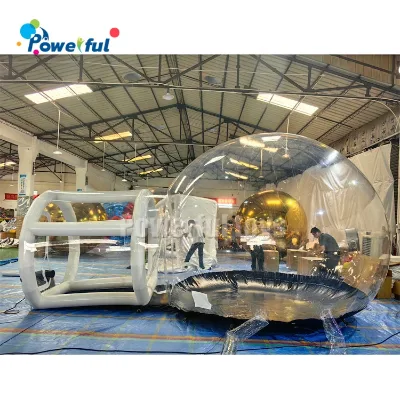
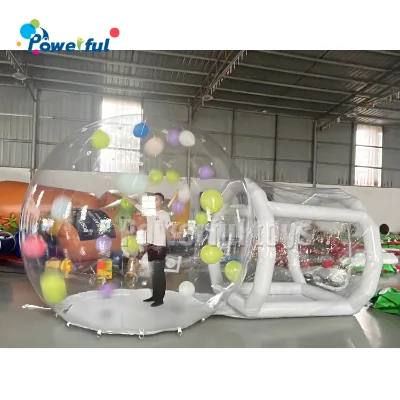
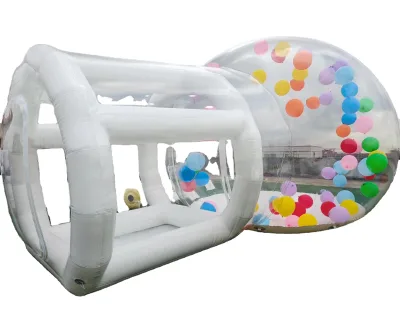
Factory Price Bubble Tent House with Tunnel Luxury Dome Transparent Bubble Tent
$890.00 - $1050.00
MOQ: 1 Minimum
Comprehensive Sourcing Guide
Transparent Eco-Friendly Bubble House Sourcing Guide
Sourcing transparent eco-friendly bubble houses requires a nuanced understanding of the diverse product landscape, which ranges from rigid polycarbonate structures to flexible inflatable PVC domes. Buyers must first distinguish between these fundamental construction types, as they serve different operational needs and offer varying levels of durability and aesthetic appeal. The market presents options that prioritize high transparency for immersive visual experiences, while others focus on rapid deployment and portability for temporary events. Understanding these distinctions is critical for aligning procurement with specific project goals, whether the intent is to establish a permanent leisure facility or to deploy temporary structures for commercial celebrations.
The term "eco-friendly" in this context often refers to material choices and operational efficiency rather than a single universal certification. Some manufacturers utilize materials like Polycarbonate (PC) or specific PVC/TPU blends that offer high light transmission and potential recyclability, while others emphasize the longevity and reusability of their structures to reduce waste. Buyers should evaluate the environmental claims against tangible product attributes, such as the absence of harmful plasticizers in PVC or the energy efficiency of integrated lighting systems. This guide provides a framework for verifying these claims and ensuring that the selected bubble house meets both functional requirements and sustainability expectations.
Product Scope and Observed Listing Signals
The current market for transparent bubble houses exhibits a wide variance in specifications, with observed listing prices ranging from $25 to $4,000 USD and Minimum Order Quantities (MOQ) typically between 1 and 50 units. This broad price spectrum reflects differences in material thickness, structural complexity, and included accessories. For instance, rigid polycarbonate models with aluminum frames and integrated LED lighting systems command higher price points due to their durability and advanced features, whereas inflatable PVC structures offer a more cost-effective solution for temporary applications. Buyers should interpret these price ranges as indicative of the product tier rather than a fixed market rate, as customization and shipping costs significantly influence the final invoice.
Observed listing signals also reveal significant diversity in physical attributes, including tent sizes ranging from standard 3.0m to 6.0m diameters and single package weights varying from approximately 49 kg to 110 kg. These variations directly impact logistics planning and installation requirements. Some products are designed as tube-type tents with stake foundations, while others are fully inflatable units that require less permanent infrastructure. The presence of features such as wind resistance, waterproofing, and high transparency is common across listings, but the degree of performance varies by manufacturer. Buyers must carefully review the single gross weight and package dimensions to estimate freight costs accurately, as these structures are bulky and often require specialized shipping arrangements.
Technical Specifications to Verify
When evaluating technical specifications, the primary distinction lies between rigid and inflatable construction methods. Rigid bubble houses often feature frames made from 6063-T5 aluminum profiles and panels crafted from Polycarbonate (PC), offering superior structural integrity and long-term durability. These models may include advanced features such as indoor intelligent lighting systems with remote-controlled LED main light sources and optional aluminum profile flooring. In contrast, inflatable bubble houses typically utilize 0.6mm PVC or TPU materials with PVC tarp poles, relying on air pressure for stability. Buyers must verify the material thickness and frame quality, as these factors determine the structure's ability to withstand environmental stressors like wind and rain.
Another critical technical aspect is the customization capability and standard sizing options. Many suppliers offer standard sizes such as 3.0m, 3.5m, 4.0m, 4.5m, 5.0m, 5.5m, and 6.0m, but also provide customization services to meet specific spatial requirements. Buyers should confirm whether the structure includes essential accessories like repair kits, which are crucial for maintaining inflatable models in the field. Additionally, the installation process varies significantly; rigid structures may require professional assembly, while inflatable models often boast easy installation features. Verifying the specific model number and single package dimensions is essential for ensuring compatibility with existing site infrastructure and logistics capabilities.
Compliance and Safety Documentation
Compliance and safety documentation are paramount when procuring bubble houses, particularly for commercial applications where public safety is a concern. Buyers should request and verify relevant certifications, such as CE certificates, which indicate adherence to European health, safety, and environmental protection standards. While some listings mention CE certification, buyers must confirm the validity and scope of these certificates with the supplier. It is also important to inquire about fire retardancy ratings and structural load tests, especially for rigid structures that may be subjected to heavy snow or high winds. These documents provide assurance that the product meets regulatory requirements in the destination market.
In addition to product-specific certifications, buyers should assess the supplier's commitment to quality assurance and warranty provisions. A standard warranty period of one year is commonly observed, but the terms and conditions of this warranty should be clearly defined. Buyers need to understand what components are covered, such as the fabric, frame, or lighting systems, and what constitutes voiding the warranty. Furthermore, verifying the origin of the product, often listed as Guangdong or Hebei in China, can provide insights into the manufacturing ecosystem and potential supply chain reliability. Ensuring that all compliance documents are up-to-date and transferable is a critical step in mitigating legal and operational risks.
Cost Drivers and Commercial Terms
Several key factors drive the cost of transparent bubble houses, with material quality and structural complexity being the most significant. Rigid polycarbonate structures with aluminum frames and integrated lighting systems are inherently more expensive than inflatable PVC models due to the higher cost of raw materials and more complex manufacturing processes. Buyers should also consider the impact of customization on pricing; non-standard sizes or bespoke design elements often incur additional charges. Additionally, the inclusion of accessories such as repair kits, specialized flooring, or advanced lighting controls can increase the overall cost. Understanding these cost drivers allows buyers to make informed trade-offs between budget constraints and desired features.
Commercial terms, including shipping methods and payment conditions, also play a crucial role in the total cost of ownership. Shipping options typically include sea and air freight, depending on the client's needs and urgency, with costs varying based on package dimensions and weight. Buyers should negotiate clear terms regarding packaging, handling, and insurance to avoid unexpected expenses. The MOQ of 1 to 50 units offers flexibility for small-scale projects, but bulk orders may attract discounts. It is advisable to request detailed quotations that break down product costs, shipping fees, and any applicable taxes or duties to ensure transparency and facilitate accurate budgeting.
Supplier Qualification and Quality Control
Supplier qualification is a critical step in ensuring the reliability and quality of the procured bubble houses. Buyers should conduct thorough due diligence on potential suppliers, verifying their business licenses, manufacturing capabilities, and past performance. Given that many suppliers are located in Guangdong and Hebei, China, buyers may consider visiting facilities or requesting third-party audits to assess production standards and quality control processes. Suppliers that offer customization services should demonstrate a robust engineering team capable of handling complex design requirements. Establishing a clear communication channel and verifying the supplier's responsiveness is also essential for smooth project execution.
Quality control measures should be integrated into the procurement process to minimize the risk of defects. Buyers should specify detailed quality requirements in the purchase contract, including material specifications, dimensional tolerances, and performance criteria. Requesting pre-shipment inspections or sample approvals can help identify potential issues before full-scale production. For inflatable models, checking the seam quality and material consistency is vital to ensure waterproofing and durability. Suppliers that provide comprehensive documentation, including material safety data sheets and assembly instructions, demonstrate a higher level of professionalism and commitment to customer satisfaction.
Long-Term Procurement Checks
Long-term procurement success depends on establishing ongoing relationships with suppliers that prioritize continuous improvement and customer support. Buyers should regularly review supplier performance metrics, such as on-time delivery rates, product quality consistency, and after-sales service responsiveness. Maintaining open communication regarding future project needs can facilitate better pricing and priority production scheduling. Additionally, staying informed about industry trends and technological advancements in bubble house construction can help buyers make strategic decisions about upgrades or replacements. Building a diversified supplier base can also mitigate risks associated with supply chain disruptions.
Regular maintenance and lifecycle management are essential for maximizing the value of transparent bubble houses. Buyers should develop comprehensive maintenance protocols, including routine inspections, cleaning procedures, and storage guidelines, to extend the lifespan of the structures. For inflatable models, keeping repair kits accessible and training staff on basic troubleshooting can reduce downtime and repair costs. For rigid structures, periodic checks of the frame integrity and panel clarity are necessary to ensure safety and aesthetic appeal. By implementing these long-term checks, buyers can ensure that their investment in transparent eco-friendly bubble houses delivers sustained value and operational efficiency.
FAQs
What materials are used for transparent eco friendly bubble houses?
These structures typically use 0.6mm PVC or TPU fabric for durability and transparency. Some models feature polycarbonate panels with aluminum profiles for enhanced structural integrity and eco-friendly design.
Can I customize the size of a Transparent Eco-Friendly Bubble House?
Yes, customization is available for various dimensions including standard sizes ranging from 3.0 to 6.0 meters. Buyers can request specific measurements to fit their unique event or commercial space requirements.
How much does a Transparent Eco-Friendly Bubble House cost?
The observed price range for these units spans from 25 to 4000 USD depending on specifications. Costs vary based on material thickness, size, and additional features like lighting or flooring systems.
What is the minimum order quantity for transparent eco friendly bubble houses?
The minimum order quantity can be as low as one piece for single item purchases. Some suppliers may require up to 50 units depending on the specific model and customization level requested.
Are transparent eco friendly bubble houses waterproof and wind resistant?
Yes, these units are designed with waterproof and wind resistance features to ensure safety outdoors. The PVC or TPU materials provide protection against rain while maintaining high transparency for the user.
Where are transparent eco friendly bubble houses manufactured?
Manufacturing locations include Guangdong and Hebei provinces in China. These regions host factories capable of producing various models with different specifications and certification standards for global export.
What certifications do transparent eco friendly bubble houses have?
Many models come with CE certificates to ensure compliance with safety standards. Buyers should verify specific certification documents for each product to confirm quality and regulatory adherence before purchase.