Source Transparent Graduated Measuring Cup with Pour Spout for Kitchen Lab Storage
Compare 30 listings for a Transparent Graduated Measuring Cup with Pour Spout designed for kitchen, laboratory, and storage applications. Buyers can evaluate specifications, certifications, and customization options from verified Chinese manufacturers.
Key considerations
Products List

FDA 500ml High Transparent Clear Plastic Measuring Cup with Handle and Pour Spout
$0.20 - $0.22
MOQ: 5000 Pieces


Hot Sale Transparent Environmental Protection Glass Measuring Cup for Food
$0.55 - $0.95
MOQ: 3000 Pieces


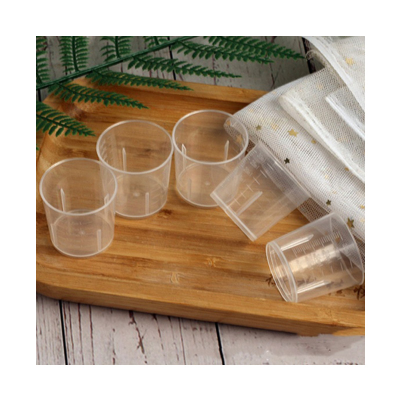
Lab Measurements Graduated Measuring Cup Plastic 30ML Clear Measuring Cup
$0.02 - $0.04
MOQ: 1000 pieces

Comprehensive Sourcing Guide
Sourcing Guide for Transparent Graduated Measuring Cups with Pour Spouts
Understanding Product Variants and Core Specifications
When sourcing a transparent graduated measuring cup with a pour spout, buyers must first distinguish between the distinct product categories often grouped under this single search term. The market presents two primary variations: laboratory-grade glassware designed for precision chemical analysis and kitchen-grade containers intended for culinary storage and preparation. The supplied data indicates that the core keyword can refer to items with specific physical dimensions and material compositions that vary significantly based on intended use.
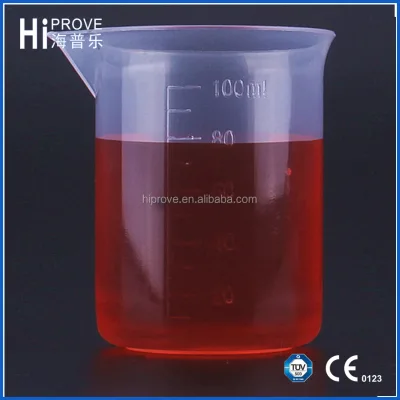
For laboratory applications, the product is often described as a glass beaker or measuring cup featuring a handle and spout. The material is explicitly identified as glass, which offers high chemical resistance and thermal stability. These units are available in a wide range of capacities, with observed specifications ranging from 100ml to 20,000ml. The physical dimensions for these laboratory units vary, with specific models listed at 15.51110.5cm and others at 14.59.48.5cm. The weight of these glass units is recorded at 50g for larger models and 40g for smaller variants, indicating a range of wall thicknesses and glass densities. The surface process for these items often includes logo printing, etching, or sandblasting to ensure permanent graduations that do not wear off during frequent cleaning.
In contrast, the kitchen-oriented variant is typically constructed from Polypropylene (PP). These units are designed for durability and are often marketed as non-disposable storage or tableware solutions. The standard capacity for these PP cups is noted as 250ml, with a specific model size of 15.51110.5cm and a weight of 50g. The design often features a "stacked" package configuration to optimize shipping volume, with carton sizes reaching 622554cm. These kitchen units are frequently labeled with a standard of 202020cm in some contexts, suggesting a broader range of sizing options available in the market. The transparency of these PP cups allows for easy volume reading, while the pour spout facilitates controlled dispensing without spills.
Compliance and Certification Verification
Navigating the regulatory landscape for measuring cups requires strict adherence to the intended application. For kitchenware, food safety certifications are paramount. The supplied data confirms that PP-based kitchen cups often carry FDA, LFGB, and DGCCRF certifications. These standards are critical for ensuring that the plastic material does not leach harmful substances into food or beverages. Buyers must verify that the specific batch of products they intend to purchase holds current validity for these certifications, as regulatory requirements can vary by region and change over time.
For laboratory glassware, the compliance requirements shift toward industrial and safety standards. The data indicates that glass measuring cups may be certified under RoHS, ISO, CE, and 3C standards. The RoHS directive ensures the absence of specific hazardous substances, while ISO and CE certifications often relate to quality management systems and general product safety. The presence of these certifications suggests that the manufacturer adheres to international quality benchmarks. However, buyers should not assume that every listed product automatically satisfies all standards. It is essential to request specific test reports or certificates of conformity for the exact model number, such as SY785422 or SY785423, to ensure the product meets the specific regulatory needs of the destination market.
Cost Drivers and Pricing Structures
The pricing of transparent graduated measuring cups is influenced by several tangible factors, including material composition, manufacturing complexity, and order volume. The observed price range in the market spans from $0.01 to $124.70 USD. This vast disparity is primarily driven by the distinction between mass-produced plastic kitchenware and precision-engineered laboratory glassware. The lower end of the price spectrum typically corresponds to the PP kitchen cups, which are manufactured using high-speed injection molding processes. The higher price points are associated with glass beakers, which require more energy-intensive forming processes and often involve additional finishing steps like sandblasting or etching for graduations.
Order volume plays a significant role in determining the final unit cost. The Minimum Order Quantity (MOQ) for these products ranges from 10 to 10,000 units. Suppliers often offer tiered pricing structures where the unit cost decreases as the order quantity increases. For instance, an order of 100 pieces might carry a higher per-unit cost compared to an order of 1,000 or 10,000 pieces. Buyers should also consider the packaging configuration as a cost driver. Products shipped in "stacked" configurations or with shrink wrap bags may incur different logistics costs compared to those in standard cartons. The weight of the product, ranging from 40g to 50g, combined with the carton dimensions, directly impacts freight charges, which should be factored into the total landed cost calculation.
Typical Applications and Usage Scenarios
The versatility of transparent graduated measuring cups with pour spouts makes them suitable for a diverse array of applications. In the culinary sector, these items are primarily used for storage and tableware purposes. The PP-based kitchen cups are ideal for storing dry ingredients, liquids, or prepared foods in professional and home kitchens. Their non-disposable nature suggests they are designed for repeated use, offering a sustainable alternative to single-use containers. The pour spout design is particularly valuable in commercial kitchens where speed and precision are required to prevent cross-contamination and waste.
In the scientific and industrial sectors, the glass variants serve critical functions in laboratory testing and chemical analysis. These cups are often used for mixing, heating, and measuring reagents. The "Round Bottom, Flat Bottom, Long Neck, Short Neck" variations allow scientists to select the most appropriate geometry for specific reactions or filtration processes. The transparency of the glass ensures that visual inspection of the contents is easy, while the graduated markings provide accurate volume measurements. The durability and replaceability of these glass items make them a staple in educational institutions, research facilities, and quality control laboratories. The "Shared Instrument Equipment" nature of some listings indicates that these tools are often part of a larger inventory of lab apparatus, requiring robust construction to withstand frequent handling.
Supplier Evaluation and Production Capabilities
Selecting a reliable supplier involves evaluating their production capabilities, customization options, and logistical performance. The data indicates that customization is a widely available attribute, with many suppliers offering customized logos and OEM/ODM services. This flexibility allows buyers to brand the products for their specific market or internal use. The "Custom Made" service suggests that suppliers can adapt dimensions, colors, or graduation markings to meet unique client requirements.
Lead time is another critical factor in supplier evaluation. The observed delivery times range from 15 days to a maximum of 30 days. Buyers should confirm the specific lead time for their order size, as larger quantities or customizations may extend the production schedule. The origin of the products is primarily China, with specific mentions of Hebei as a manufacturing hub. This regional concentration often implies a mature supply chain for both plastic and glass products, but buyers should verify the specific factory location to ensure quality control standards are met.
Furthermore, the packaging and shipping details provide insight into the supplier's operational efficiency. The use of carton boxes with shrink wrap bags and specific PCS/CTN counts (ranging from 300 to 450 pieces per carton) demonstrates a standardized approach to logistics. The gross weight and net weight of the cartons (e.g., 17.8/16.8kgs) are essential for calculating freight costs and ensuring that the shipping containers are not overloaded. Buyers should request a detailed packing list to verify that the quantity and dimensions match the agreed-upon specifications before shipment.
Quality Control and Long-Term Procurement Strategy
Implementing a robust quality control (QC) strategy is essential for maintaining product integrity, especially when dealing with items that come into contact with food or chemicals. For glass measuring cups, QC should focus on the clarity of the glass, the accuracy of the graduations, and the integrity of the spout and handle. The surface processes like etching and sandblasting must be inspected to ensure they are permanent and do not chip or fade. For PP kitchen cups, QC checks should verify the structural integrity of the pour spout and the stability of the base to prevent tipping.
Long-term procurement considerations involve building a relationship with suppliers who can consistently deliver high-quality products. The availability of certifications like FDA, LFGB, and ISO suggests that reputable suppliers have established quality management systems. Buyers should prioritize suppliers who offer transparent communication regarding their production processes and are willing to provide third-party test reports. Additionally, the "Non-Disposable" nature of the kitchen cups implies a need for durability; therefore, testing for wear and tear over time is advisable.
To mitigate risks, buyers should consider a phased ordering approach, starting with smaller trial orders to validate the quality before committing to larger volumes. This strategy allows for the identification of any potential issues with the product or the supplier's logistics capabilities early in the relationship. By focusing on suppliers with proven track records in customization and certification, buyers can ensure a steady supply of high-quality transparent graduated measuring cups that meet their specific operational needs.
Comparative Analysis of Product Specifications
To assist buyers in making informed decisions, the following table summarizes the key differences between the two primary product types identified in the market data.
| Feature | Kitchen PP Cup | Laboratory Glass Beaker |
|---|---|---|
| Primary Material | Polypropylene (PP) | Glass |
| Standard Capacity | 250ml | 100ml - 20,000ml |
| Key Certifications | FDA, LFGB, DGCCRF | RoHS, ISO, CE, 3C |
| Typical Usage | Storage, Tableware, Kitchen | Lab Test, Chemical Analysis |
| Disposable Status | Non-Disposable | Non-Disposable |
| Surface Process | Logo Printing | Etched, Sandblasted |
| Weight | 40g - 50g | 40g - 50g |
| Customization | Logo, OEM/ODM | Logo, Custom Dimensions |
| Origin | China | China (Hebei) |
This comparison highlights that while both product types share similar weight ranges and customization options, their material properties and regulatory requirements differ significantly. Buyers must align their selection with the specific application environment to ensure safety and performance.
FAQs
What certifications do these measuring cups hold?
Kitchen PP cups typically hold FDA, LFGB, and DGCCRF certifications for food safety. Laboratory glass beakers often carry RoHS, ISO, CE, and 3C standards to ensure industrial compliance and safety for chemical analysis applications.
How long is the delivery time for these products?
Standard delivery times range from 15 days to a maximum of 30 days depending on order volume. Customized orders or larger quantities may require the full 30-day window to complete production and packaging processes.
Can I customize the logo on these cups?
Yes, customized logos are available for both plastic and glass variants. Suppliers offer services like logo printing, etching, or sandblasting to ensure permanent markings on the surface of the measuring cups.
What is the minimum order quantity for these items?
The minimum order quantity ranges from 10 to 10,000 units depending on the specific supplier and product type. Some models start at 100 pieces, while others may require higher volumes to achieve optimal pricing.
Which materials are used for these measuring cups?
Kitchen variants are made from Polypropylene (PP) for durability and food safety. Laboratory versions are constructed from glass to provide chemical resistance and thermal stability for precise scientific measurements.
How are these cups packaged for shipping?
Products are typically packed in cartons with shrink wrap bags to ensure safety during transit. Specific configurations include stacked arrangements with 300 to 450 pieces per carton to optimize shipping volume.
What capacity sizes are available for these cups?
Kitchen cups often feature a standard capacity of 250ml, while laboratory beakers range from 100ml to 20,000ml. Buyers can select from various sizes to match specific storage or measurement requirements.