Source Transparent PP Trading Loader Cards for storage protection
Find 30 options for Transparent PP Trading Loader Cards designed for baseball card and toploader storage. Compare specifications including pocket counts, material thickness, and customization features from verified manufacturers in Guangdong.
Key considerations
Products List


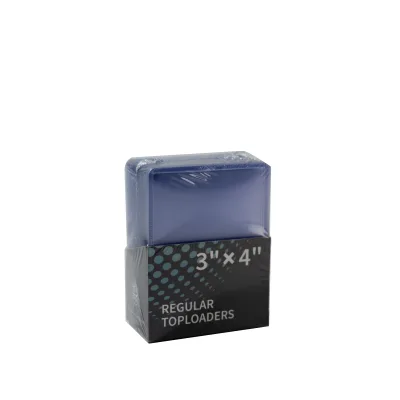
3X4 Toploader Super Thick 260PT Top Loader Card Toploaders Holderfor up to 260PT Cards
$0.15 - $0.19
MOQ: 5000 Pieces


Durability Waterproof 9 Pockets PU Leather Trading Top Loader Card Binder
$0.03 - $0.05
MOQ: 1500 Pieces



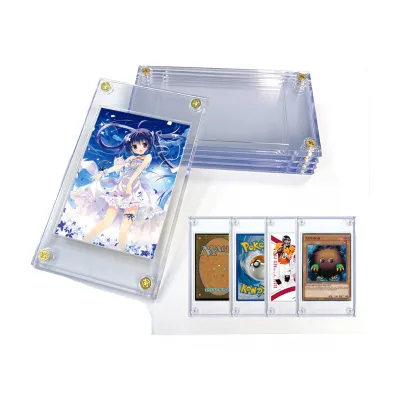
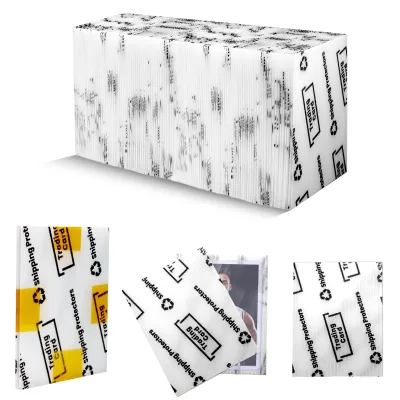
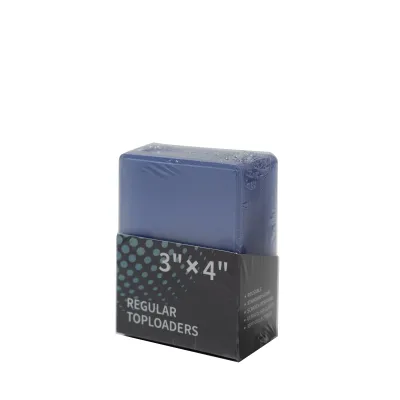
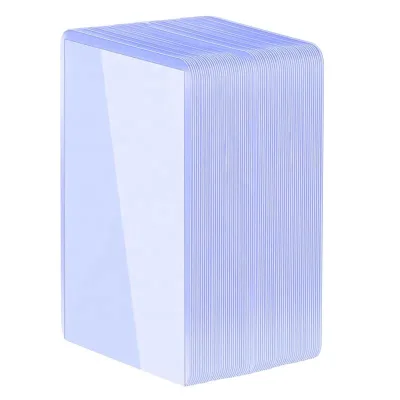


Comprehensive Sourcing Guide
Sourcing Guide for Transparent PP Trading Loader Cards
Understanding Product Specifications and Material Composition
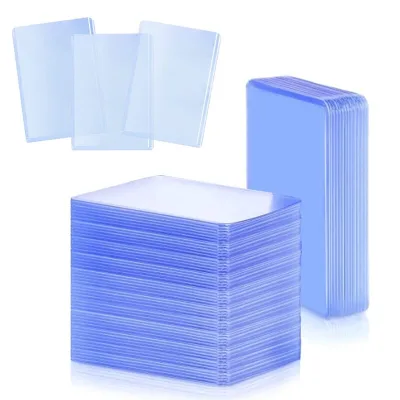
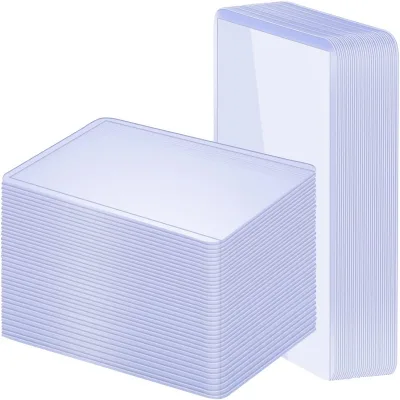
When sourcing Transparent PP Trading Loader Cards, buyers must first distinguish between the specific material grades and structural dimensions that define the product's utility. The core keyword implies a focus on polypropylene (PP) based storage solutions, often utilized for protecting collectible items such as trading cards. Based on available product data, the material composition frequently cited includes PP plastic and PP, which are distinct from PVC alternatives often found in the broader market. The transparency of these loaders is a critical visual attribute, allowing for the identification of card details without removal.
The physical dimensions of these loaders vary significantly depending on the intended card size. Observed specifications indicate standard sizes such as 63*89mm, which aligns with common trading card dimensions. Other variants may be designed for specific use cases, such as 3"X4 Top Loaders, requiring precise measurement verification. The structural integrity is often defined by the pocket configuration, with standards ranging from 4-pocket to 9-pocket and 12-pocket configurations. These configurations determine the storage capacity and the organizational efficiency of the final binder or album.
Buyers should verify the thickness and rigidity of the material, as these factors influence the protection level. While specific thickness values are not universally standardized in the provided data, the industry often references point measurements (pt) for card stock and binder materials. Standards observed in related product listings include a wide range of thicknesses such as 35pt, 55pt, 75pt, 100pt, 130pt, 180pt, 260pt, and 360pt. Although these figures often apply to the binder stock, they serve as a reference for the expected durability of the associated card holders. Ensuring the loader matches the card's thickness is essential to prevent warping or excessive tightness that could damage the collectible.
Compliance, Certification, and Safety Standards
In the B2B procurement of plastic-based trading accessories, compliance with international safety and environmental standards is non-negotiable. The market for transparent loaders often involves products that come into direct contact with items handled by children or collectors, necessitating rigorous quality assurance. The provided data highlights several key certifications that buyers should request from suppliers. These include CE, RoHS, Reach, and SGS certifications. These marks indicate that the product meets specific European and global standards regarding hazardous substances, electrical safety (where applicable), and general product safety.
RoHS compliance is particularly critical for plastic products, as it restricts the use of specific hazardous materials such as lead, mercury, and cadmium. Reach compliance ensures that the chemical substances used in the manufacturing process are registered and evaluated for safety. The presence of SGS certification suggests that the product has undergone third-party testing for quality and safety. Buyers must verify that these certifications are current and applicable to the specific batch of transparent PP loaders being sourced. It is important to note that while some listings mention these certifications, the absence of a specific certificate in a product description does not automatically imply non-compliance, but it does require further verification before placing a large order.
Furthermore, the material itself must be evaluated for chemical stability. While PP is generally considered safe, the manufacturing process may involve additives or inks that require scrutiny. The data mentions "Waterproof" as a functional attribute, which often correlates with the material's resistance to moisture and chemicals. However, buyers should not assume that a waterproof claim covers all chemical exposures. Verification of the material's resistance to yellowing over time is also a key compliance and quality metric, as degradation can affect the aesthetic value of the stored cards.
Cost Drivers and Pricing Dynamics
The pricing of Transparent PP Trading Loader Cards is influenced by a complex interplay of factors, including material costs, customization requirements, and order volume. The observed price range in the market spans from $0.03 to $10.00 USD, reflecting the vast difference between single-unit costs and bulk packaging. This wide range indicates that the unit price is highly sensitive to the quantity ordered and the specific configuration of the product.
One of the primary cost drivers is the level of customization. The data indicates that "Customized" options and "OEM/ODM" services are available. Customization can include branding, logo placement, and specific color variations, even though the core material is transparent. Suppliers may charge a premium for the setup of custom molds or the application of specific printing methods, such as thermal transfer printing or 6-color printing. The complexity of the printing process, including the number of colors used, directly impacts the per-unit cost.
Order volume is another significant factor. The observed Minimum Order Quantity (MOQ) ranges from 2 to 10,000 units. Smaller MOQs allow for flexibility but often come with a higher per-unit cost due to the fixed costs of production setup. Conversely, larger orders leverage economies of scale, reducing the unit price. The packaging configuration also affects the final cost; for instance, a package containing 20 pieces per pack and 100 packs per carton will have different logistical and handling costs compared to a bulk loose shipment. Buyers must balance the need for inventory flexibility with the cost benefits of bulk purchasing.
Typical Applications and Functional Use Cases
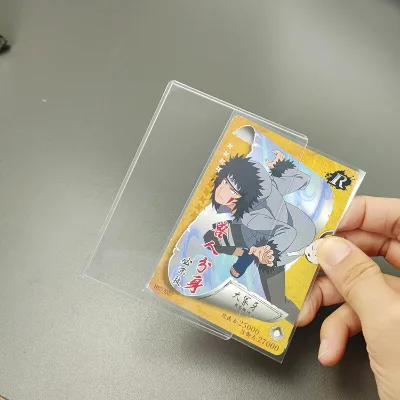
Transparent PP Trading Loader Cards serve a diverse range of applications, primarily centered around the protection, storage, and display of collectible items. The most common use case is for trading cards, including baseball cards and other sports memorabilia. The "Waterproof" attribute and the "Storage Card Album" function highlight the product's role in preserving the condition of these items against environmental factors.
Beyond sports cards, these loaders are utilized in various hobbyist communities. The data references "Card Sleeve" and "Toploader Card Holder" as product names, suggesting their versatility in protecting different types of cards. The "9 Pocket Toploader Binder" and "4 Pocket Toploader Binder" configurations indicate their integration into larger organizational systems, allowing collectors to sort and display their collections efficiently. The "Simple" style and "Abstract Strategy" genre mentioned in the data, while potentially referring to board games, suggest that these loaders can also be adapted for storing game components or tokens.
The "Expansion Pack" attribute implies that these products are often part of a modular system. Collectors may start with a basic set of loaders and expand their collection over time. The "All Ages" and "Any Member" attributes suggest that these products are suitable for a broad demographic, from young collectors to adult enthusiasts. The "Advanced" level of difficulty mentioned in the context of related products may refer to the complexity of organizing large collections rather than the product itself. Understanding these applications helps buyers tailor their procurement to the specific needs of their target market, whether it is for retail resale, club distribution, or personal collection management.
Supplier Evaluation and Verification Criteria
Selecting the right supplier for Transparent PP Trading Loader Cards requires a rigorous evaluation process that goes beyond price comparison. Buyers should prioritize suppliers who demonstrate transparency in their manufacturing capabilities and supply chain. The data indicates that many suppliers are located in Guangdong, China, a major manufacturing hub known for its plastic processing capabilities. However, the presence of a location does not guarantee quality; buyers must verify the supplier's specific production facilities and quality control measures.
Key evaluation criteria include the supplier's ability to provide OEM and ODM services. The availability of "Custom Logo" and "Customized" options suggests that the supplier has the flexibility to meet specific branding requirements. Buyers should request samples to verify the quality of the PP material, the clarity of the transparency, and the precision of the pocket dimensions. The "Perfect Binding" and "Matte Varnishing, Gloss Varnishing" attributes found in related product data indicate that suppliers may offer various finishing options, which should be evaluated for consistency and durability.
Certification verification is another critical step. Buyers should request copies of CE, RoHS, Reach, and SGS certificates and verify their validity with the issuing bodies. The supplier's track record in meeting quality standards and their responsiveness to quality issues should also be assessed. Additionally, the supplier's ability to handle different order volumes, from small MOQs to large-scale production, is essential for scalability. Buyers should also inquire about the supplier's lead times and their capacity to meet delivery deadlines, as these factors can impact the overall supply chain efficiency.
Quality Control and Long-Term Procurement Considerations
Maintaining consistent quality in Transparent PP Trading Loader Cards requires a robust quality control (QC) framework. Buyers should implement a multi-stage QC process that includes incoming material inspection, in-process monitoring, and final product verification. The transparency of the material is a key quality metric; any cloudiness, discoloration, or impurities can significantly reduce the product's value. Buyers should test samples for clarity and ensure that the material does not yellow over time, which is a common issue with lower-quality plastics.
Dimensional accuracy is another critical aspect of quality control. The pocket sizes must match the specified dimensions, such as 63*89mm, to ensure a snug fit for the cards without causing damage. The structural integrity of the pockets should be tested to ensure they do not tear or deform under pressure. The "Waterproof" claim should be verified through exposure testing to confirm that the product effectively repels moisture.
Long-term procurement considerations involve building a sustainable relationship with suppliers who can consistently deliver high-quality products. Buyers should establish clear quality standards and communicate them effectively to the supplier. Regular audits and quality checks should be scheduled to ensure ongoing compliance. The ability of the supplier to adapt to changing market demands, such as new customization trends or regulatory updates, is also important. By focusing on quality and reliability, buyers can ensure a steady supply of Transparent PP Trading Loader Cards that meet the expectations of their customers and protect the value of the collectibles they hold.
Strategic Sourcing and Market Positioning
Strategic sourcing of Transparent PP Trading Loader Cards involves aligning procurement decisions with broader market trends and customer needs. The market for collectible card accessories is dynamic, with demand driven by the popularity of trading card games and sports memorabilia. Buyers should stay informed about emerging trends, such as the demand for eco-friendly materials or advanced customization options. The availability of "Customized" and "OEM/ODM" services suggests that there is a market for branded and personalized products.
Buyers should also consider the competitive landscape. With a wide range of suppliers offering similar products, differentiation through quality, customization, and service is key. The ability to offer a variety of pocket configurations, from 4-pocket to 12-pocket, allows buyers to cater to different customer segments. The pricing strategy should reflect the value proposition, balancing cost competitiveness with quality assurance.
Finally, buyers should develop a contingency plan for supply chain disruptions. Given the global nature of the supply chain, events such as raw material shortages or logistical delays can impact availability. Diversifying the supplier base and maintaining safety stock can help mitigate these risks. By adopting a strategic approach to sourcing, buyers can secure a reliable supply of Transparent PP Trading Loader Cards that support their business growth and customer satisfaction.
FAQs
What material is used for transparent trading loader cards?
The cards are made from PP plastic or PP material, distinct from PVC alternatives. This polypropylene composition ensures transparency and durability for protecting collectibles like baseball cards without the chemical risks associated with other plastics.
Which certifications apply to these plastic card holders?
Products often carry CE, RoHS, Reach, and SGS certifications to ensure safety. These marks verify compliance with international standards for hazardous substances and general product safety, which is critical for items handling collectibles and children's goods.
Can suppliers provide custom logo printing on the loaders?
Yes, suppliers offer custom logo services and OEM or ODM customization options. Buyers can request specific branding or design changes, though this may involve additional setup costs depending on the complexity of the thermal transfer or 6-color printing required.
What are the standard pocket configurations available?
Standard configurations include 4-pocket, 9-pocket, and 12-pocket standards. These structural options determine storage capacity and organizational efficiency, allowing collectors to sort and display their card collections effectively within binders or albums.
How does the MOQ vary for these products?
Minimum Order Quantities range from 2 to 10,000 units depending on the supplier. Lower MOQs offer flexibility for small orders but may have higher per-unit costs, while larger volumes leverage economies of scale to reduce the final price.
What is the typical price range for these loaders?
Prices typically span from 0.03 to 10 USD per unit based on volume and customization. The cost is highly sensitive to order quantity, material thickness, and specific printing requirements like thermal transfer or multi-color applications.