Source Transparent With Scale Car Wash Foam Blaster for car detailing, home cleaning, and commercial use
Compare 30 Transparent With Scale Car Wash Foam Blaster options from verified suppliers. Buyers can evaluate specifications like pressure ratings, nozzle types, and customization support to find the right equipment for car detailing, home cleaning, or commercial applications.
Key considerations
Products List


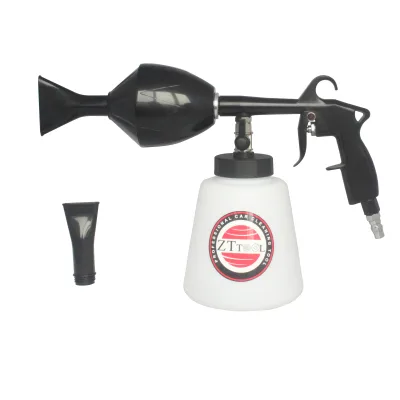
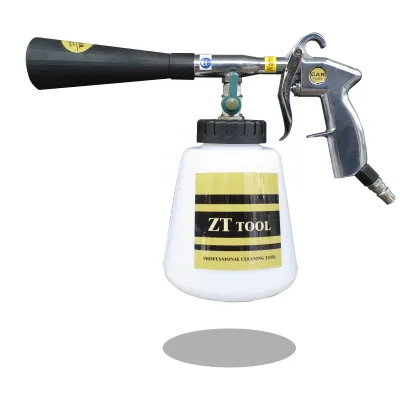


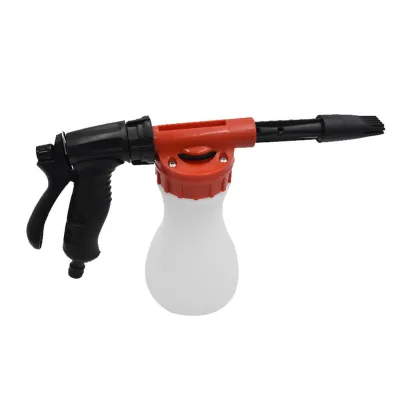


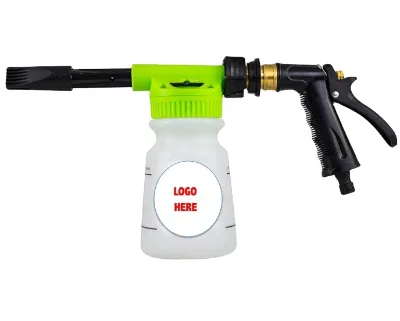
Comprehensive Sourcing Guide
Transparent With Scale Car Wash Foam Blaster Sourcing Guide
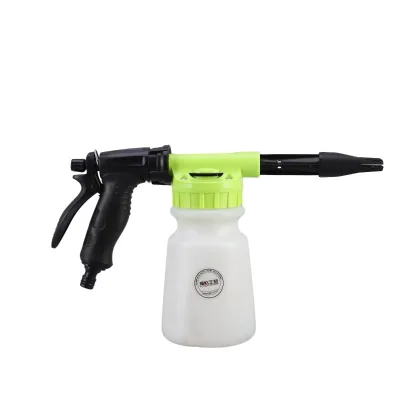
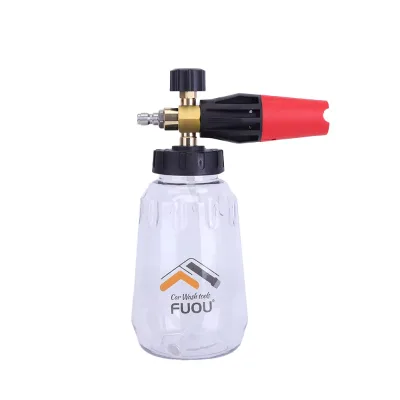
Sourcing a Transparent With Scale Car Wash Foam Blaster requires a careful balance between aesthetic appeal and functional precision. The transparency feature allows operators to monitor fluid levels in real-time, while the integrated scale ensures accurate mixing ratios for soap and water. This combination is particularly valuable in professional car wash environments where consistency in cleaning solutions directly impacts service quality and customer satisfaction. Buyers must prioritize suppliers who can demonstrate reliable manufacturing processes for both the clear housing and the calibrated measurement components.
The market for these devices is diverse, ranging from simple manual sprayers to more complex, pressurized systems. Understanding the specific operational needs of your business is crucial before engaging with suppliers. Factors such as the volume of vehicles to be washed, the type of cleaning agents used, and the existing pressure washer infrastructure will dictate the ideal specifications. A thorough initial assessment helps narrow down the field to suppliers who offer products that align with your technical requirements and budget constraints.
Product Scope and Observed Listing Signals
The current market landscape for car wash foam blasters includes a variety of designs, from basic foam guns to advanced blaster systems with adjustable settings. Observed listings indicate a wide range of product types, including fan-shaped nozzles, round water column nozzles, and specialized foam blasters. These variations cater to different cleaning intensities and coverage areas. For instance, fan-shaped nozzles are often preferred for broad surface coverage, while round nozzles provide a concentrated stream for targeted cleaning. Buyers should carefully review product descriptions to ensure the nozzle type matches their specific cleaning tasks.
Transparency and scale integration are key differentiators in this category. While many standard foam guns are made from opaque plastics, transparent models offer the added benefit of visual monitoring. This feature helps prevent running out of soap mid-task and allows for precise control over the mixture ratio. Some listings highlight customizable options, including color choices and logo printing, which can be important for branding purposes. However, buyers must verify that the transparency does not compromise the durability of the unit, as clear plastics can be more susceptible to scratching or clouding over time.
Technical Specifications to Verify
When evaluating technical specifications, the material composition of the foam blaster is a primary concern. Common materials include stainless steel, PP, ABS, and copper connectors. Stainless steel components offer superior durability and resistance to corrosion, which is essential for withstanding harsh cleaning chemicals and frequent use. ABS and PP plastics provide a lightweight and cost-effective alternative, but buyers should ensure these materials are of high grade to prevent cracking or degradation. The presence of copper connectors can enhance conductivity and durability, but it is important to verify the quality of the plating to avoid tarnishing.
Pressure ratings and flow rates are critical technical parameters that must be verified. Listings may indicate water pressure ranges such as 4-12 bar or wash pressures of 40-90 psi. It is essential to match these specifications with the output of your existing pressure washer to ensure optimal performance. Mismatched pressure ratings can lead to inefficient foam production or damage to the foam blaster. Additionally, the capacity of the soap tank, often ranging from 1L to larger volumes, should be considered based on the frequency of refilling required during operations. Adjustable ratio settings, such as 5:1 or other configurations, allow for flexibility in cleaning strength.
Compliance and Safety Documentation
Compliance with safety and environmental standards is non-negotiable for professional-grade equipment. Buyers should request documentation for certifications such as CE, CB, ETL, RoHS, and UR. These certifications indicate that the product meets specific safety, electromagnetic compatibility, and environmental requirements in various markets. For instance, CE marking is essential for selling in the European Union, while RoHS compliance ensures the absence of hazardous substances. Verifying these certifications helps mitigate legal risks and ensures the product is safe for both operators and the environment.
In addition to certifications, buyers should inquire about the testing procedures used by the supplier. Quality control processes should include pressure testing, leak detection, and material durability assessments. Suppliers who provide detailed test reports or quality assurance certificates demonstrate a commitment to product reliability. It is also important to check if the product meets any industry-specific standards for car wash equipment. Ensuring that the foam blaster is compliant with relevant standards helps protect your business from potential liabilities and ensures consistent performance.
Cost Drivers and Commercial Terms
Cost drivers for transparent with scale car wash foam blasters include material quality, manufacturing complexity, and customization options. Stainless steel components and high-grade plastics increase production costs but offer greater longevity. Customization features, such as logo printing, color choices, and specialized packaging, also add to the overall price. Buyers should request detailed quotes that break down these costs to understand the value proposition. Comparing quotes from multiple suppliers can help identify fair pricing and avoid overpaying for unnecessary features.
Commercial terms, including MOQ (Minimum Order Quantity) and lead times, are significant factors in the procurement process. MOQs can vary widely, from as low as 1 unit for samples to several thousand units for bulk orders. Understanding the MOQ requirements helps in planning inventory and cash flow. Lead times are also crucial, especially for time-sensitive projects. Buyers should confirm the estimated production and shipping times with the supplier to ensure timely delivery. Additionally, payment terms and warranty policies should be clearly defined to protect your investment.
Supplier Qualification and Quality Control
Supplier qualification is a critical step in ensuring the reliability of your supply chain. Buyers should verify the supplier’s business license, manufacturing capabilities, and quality management systems. Suppliers with OEM, ODM, and OBM support offer flexibility in product design and branding. It is important to assess their experience in producing car wash equipment and their ability to meet specific technical requirements. Requesting references or case studies from previous clients can provide insights into the supplier’s reliability and performance.
Quality control measures should be rigorously evaluated before placing an order. Suppliers should have established QC processes, including incoming material inspection, in-process checks, and final product testing. Buyers may consider conducting third-party inspections or requesting sample units for evaluation. Checking the supplier’s return policy and after-sales support is also essential. A supplier that stands behind their product with a robust warranty and responsive customer service is more likely to provide a positive long-term partnership.
Long-Term Procurement Checks
Long-term procurement success depends on continuous monitoring of supplier performance and product quality. Establishing key performance indicators (KPIs) such as defect rates, delivery times, and customer feedback can help track supplier reliability. Regular audits and reviews of the supply chain can identify potential issues before they escalate. Building a strong relationship with your supplier through open communication and mutual respect can lead to better pricing, priority service, and collaborative problem-solving.
As technology and market trends evolve, it is important to stay informed about new developments in car wash foam blaster technology. Suppliers who invest in R&D and innovation can offer improved products that enhance your operational efficiency. Periodically reviewing your procurement strategy and exploring alternative suppliers can help maintain competitive pricing and ensure access to the latest innovations. By maintaining a proactive approach to supplier management, you can secure a reliable supply of high-quality transparent with scale car wash foam blasters for your business.
FAQs
What customization options are available for the car wash foam blaster?
Customization is available for this product, allowing buyers to request specific modifications. The product supports OEM, ODM, and OBM services, enabling tailored branding and design changes to meet unique commercial requirements.
Which certifications does the high-pressure nozzle system hold?
The product holds multiple certifications including CE, CB, ETL, RoHS, and UR. These standards ensure the equipment meets international safety and quality requirements for commercial use in various global markets.
How is the water pressure controlled on the foam blaster?
Water pressure is controlled via a knob function on the device. The system operates within a range of 4 to 12 bar, allowing users to adjust the output for different cleaning tasks effectively.
Can the nozzle type be changed for different spray patterns?
Yes, the product features a fan-shaped nozzle type that can be adjusted. The sector angle ranges from a straight line to a 60-degree sector, providing versatile coverage for various washing applications.
What is the minimum order quantity for this car wash gun?
The minimum order quantity is 100 pieces for this specific model. However, observed listings show an MOQ range from 1 to 7500 units depending on the specific supplier and customization level requested.
Where are these car wash foam blasters manufactured?
These products originate from manufacturing locations in Zhejiang and Henan, China. The specific origin depends on the supplier, with some models listed as coming from Zhejiang while others are from Henan.
What materials are used to construct the foam blaster body?
The body is constructed from PP and ABS materials with copper connectors. This combination ensures durability and resistance to corrosion, making it suitable for repeated use in commercial car washing environments.
How long does it take to receive samples of the product?
Samples can be provided within 3 days of request. This quick turnaround allows buyers to evaluate the product quality and specifications before committing to a larger bulk order.