Source Transport Refrigeration Unit Fuel Injector for Trucks, Vans, Trailers
Find 30 Transport Refrigeration Unit Fuel Injector options from verified Chinese suppliers. Compare models like SJ00234 and 0445120291 with varying materials and certifications to match your specific cooling system needs.
Key considerations
Products List


$1680.00 - $1900.00
MOQ: 1 sets


Engine Power Front Mounted Parallel Flow Condenser Truck Refrigeration Unit
$1620.00 - $1660.00
MOQ: 1 Pieces


Front Mounted Installation Easy Maintenance Truck Refrigeration Unit
$1750.00 - $2350.00
MOQ: 1 Pieces


Heavy Duty Cooling System Low Fuel Consumption Diesel Engine Refrigeration Unit for Truck
$9600.00 - $9850.00
MOQ: 1 Pieces

Reliable Performance for Long Distance Transport Diesel Refrigeration Unit DC12V Diesel Units
$9600.00 - $9850.00
MOQ: 1 Pieces

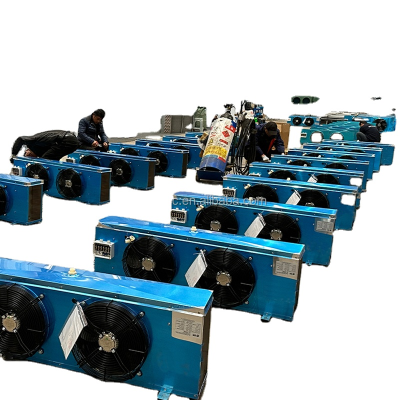


High Performance Condensing Unit for Industrial Refrigeration Parts Supply
$600.00 - $1500.00
MOQ: 1 Pieces

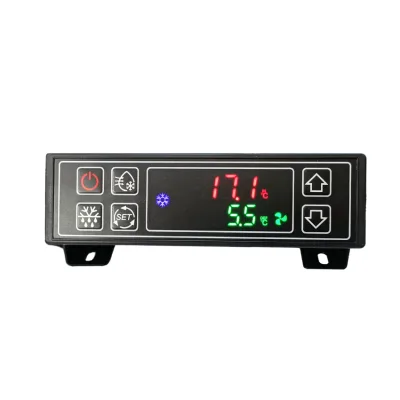
Comprehensive Sourcing Guide
Strategic Sourcing Guide for Transport Refrigeration Unit Fuel Injectors
Understanding Component Specifications and Technical Parameters
When sourcing fuel injectors specifically designed for transport refrigeration units, buyers must first establish a clear understanding of the technical baseline required for reliable operation in mobile environments. The core component, often categorized under fuel injection devices, operates within a specific electrical and mechanical framework. Based on observed market data, these units frequently operate on a 24 V voltage parameter, which is standard for heavy-duty transport applications, while some configurations may support a 12 V current parameter depending on the specific vehicle or unit architecture. The mechanical stress these components endure is significant, with observed stress parameters reaching up to 1600 MPa, necessitating robust material selection to prevent failure under high-pressure conditions.
The physical construction of these injectors varies, with stainless steel and aluminum being the primary materials identified in the current supply landscape. Stainless steel variants are often preferred for their corrosion resistance and durability in harsh environments, while aluminum components, particularly in cooling system integrations, offer weight reduction benefits. The manufacturing process typically involves precision casting, with thermal gravity casting and gravity molding techniques being the most common methods employed to achieve the necessary structural integrity. Surface preparation is a critical step, often involving polishing to achieve a surface roughness of Ra1.6, which ensures optimal sealing and flow characteristics within the fuel system.
Dimensional standards also play a pivotal role in compatibility. While some units adhere to DIN standards, others may follow specific OEM standard configurations. The physical dimensions can vary significantly, with some packaged units measuring approximately 24147cm and weighing around 0.85 kg, while the injectors themselves can range in weight from 0.005 kg to 20 kg depending on the model and capacity. Buyers should verify that the specific model number, such as those identified by codes like SJ00234 or 0445120291, matches the exact requirements of their refrigeration unit to ensure proper fitment and function.
Compliance, Certification, and Manufacturing Standards
Navigating the compliance landscape for transport refrigeration components requires a rigorous verification of certifications and adherence to international standards. The supply chain for these critical parts is heavily influenced by quality management systems, with ISO 9001 being a prominent certification observed among suppliers. This certification indicates that the manufacturer maintains a documented quality management system, which is essential for consistent production of high-tolerance components. Additionally, machining tolerances are a key metric for compliance, with observed tolerances as tight as +/-0.01mm. This level of precision is non-negotiable for fuel injectors, as even minor deviations can lead to fuel leakage, inefficient combustion, or complete system failure.
While some background information may suggest the presence of CE marking, buyers should treat this as a variable attribute rather than a universal guarantee. The primary focus should remain on the ISO 9001 certification and the specific machining tolerances that have been verified. It is crucial to distinguish between the certification of the facility and the certification of the specific product batch. The origin of the components also impacts compliance, with major production hubs located in China, specifically in regions like Zhejiang and Guangzhou, as well as some units originating from Germany or mixed origins. Buyers must ensure that the supplier can provide traceable documentation linking the finished product to the certified manufacturing facility.
The standardization of these components is another area requiring careful attention. While DIN standards are referenced, the specific application may require adherence to OEM standards or custom specifications. The "OEM Standard" designation often implies that the component is designed to replace or match an original equipment manufacturer's part, ensuring compatibility without the need for modification. However, buyers should verify if the "OEM Standard" refers to the engine type or the component specification itself, as this distinction affects the interchangeability of the part. The absence of a patent on the specific design, as noted in some product data, suggests that the technology is widely available, but it also means that buyers must rely heavily on the supplier's quality control processes rather than proprietary design features.
Cost Drivers and Pricing Structures
The pricing of transport refrigeration unit fuel injectors is influenced by a complex interplay of factors, including material costs, manufacturing complexity, and customization requirements. The observed price range in the market is extensive, spanning from 0.8 USD to 13,000 USD. This wide variance indicates that the market offers everything from basic, non-standard components to highly specialized, high-performance units. The lower end of the price spectrum likely corresponds to standard, off-the-shelf components with minimal customization, while the higher end reflects units with advanced features, proprietary designs, or those requiring significant engineering input.
Material composition is a primary driver of cost. Stainless steel injectors, known for their durability and resistance to high stress, generally command a higher price than aluminum alternatives. The manufacturing process also plays a significant role; precision casting and polishing to a Ra1.6 surface roughness add to the production cost compared to simpler casting methods. Furthermore, the level of customization available from the supplier can drastically alter the final price. While some suppliers offer standard packaging and non-customized processing, others provide fully customizable packaging and design modifications, which inevitably increase the unit cost.
Minimum Order Quantity (MOQ) is another critical factor affecting the total cost of procurement. The observed MOQ range spans from 1 to 1000 units. For buyers requiring small batches for testing or emergency replacements, suppliers with low MOQs are essential, though they may carry a higher per-unit cost. Conversely, buyers planning large-scale procurement can leverage suppliers with higher MOQs to secure more favorable pricing. The packaging method, whether it is a standard export package, a carton box with a wooden pallet, or specialized honeycomb-filled cartons, also contributes to the overall cost, particularly for international shipping where weight and volume are critical.
Typical Applications and Operational Environments
Fuel injectors for transport refrigeration units are designed to operate in demanding environments where reliability is paramount. These components are integral to the cooling systems of mobile refrigeration units used in logistics, food transport, and pharmaceutical distribution. The specific applications often involve front, roof, or under-mounting type installations, requiring the injectors to be compact yet robust enough to withstand the vibrations and temperature fluctuations inherent in transport. The design base environment for these units is typically rated for temperatures up to 45 degrees Celsius, ensuring performance even in hot climates or during summer operations.
The operational context of these injectors extends beyond simple fuel delivery; they are part of a larger system that includes electric standby systems, which may be optional depending on the specific unit configuration. The durability of the injectors is a key consideration, with some products claiming the "highest level" of durability to minimize downtime and maintenance costs. The sealing technology employed, such as patented O-sealing technology, is crucial for preventing leaks in high-pressure environments. The condenser design, often described as the latest exclusively for refrigeration units, works in tandem with the fuel injector to maintain optimal cooling efficiency.
Buyers should also consider the maintenance implications of their choice. Products that promise to "lower the cost of maintenance" are particularly valuable for fleet operators who need to minimize vehicle downtime. The availability of after-sales service, with some suppliers offering up to 18 months of support, adds a layer of security for buyers. The warranty period, typically around 1 year, provides a baseline guarantee of quality, but the extended service options can be a deciding factor for long-term procurement strategies. The integration of these injectors into the cooling system requires careful planning to ensure that the electric and mechanical components work seamlessly together.
Supplier Evaluation and Verification Protocols
Evaluating suppliers for transport refrigeration fuel injectors requires a multi-faceted approach that goes beyond simple price comparison. Buyers should prioritize suppliers who demonstrate a clear commitment to quality through their certification status and manufacturing processes. The presence of ISO 9001 certification should be verified through official documentation, and the supplier should be able to provide evidence of their machining tolerance capabilities, specifically the +/-0.01mm standard. The origin of the product, whether from China, Germany, or mixed locations, should be transparently disclosed, and buyers should assess the logistical implications of sourcing from different regions.
The customization capabilities of the supplier are another critical evaluation point. While some buyers may require standard components, others may need specific modifications to fit unique refrigeration units. The availability of customization, including packaging and design, should be confirmed early in the sourcing process. The supplier's ability to handle different packaging requirements, from standard export packages to specialized carton boxes with wooden pallets, is also a key indicator of their logistical competence. Additionally, the supplier's track record in providing after-sales service, with options ranging from 1 year to 18 months, should be factored into the decision-making process.
Buyers should also assess the supplier's inventory management and lead time capabilities. The wide range of MOQs observed in the market suggests that suppliers have varying levels of flexibility. Those capable of fulfilling small orders (MOQ of 1) are valuable for emergency needs, while those with higher capacities are better suited for bulk procurement. The transparency of the supplier regarding their production process, including the use of precision casting and surface polishing, is essential for building trust. Finally, the supplier's willingness to provide detailed technical specifications and test results, even if not explicitly required, can serve as a strong indicator of their confidence in their product quality.
Quality Control and Long-Term Procurement Considerations
Implementing a robust quality control (QC) framework is essential for ensuring the long-term reliability of transport refrigeration fuel injectors. Given the high stress parameters and precise tolerances required, buyers should insist on rigorous QC protocols that include material verification, dimensional inspection, and performance testing. The observed surface roughness of Ra1.6 and machining tolerances of +/-0.01mm should be verified through independent testing or third-party inspection reports. The use of high-quality materials, such as stainless steel or aluminum alloy, must be confirmed to ensure the injectors can withstand the operational stress of 1600 MPa.
Long-term procurement considerations extend beyond the initial purchase to include maintenance, warranty, and supply chain resilience. The warranty period of 1 year is a standard baseline, but buyers should negotiate for extended coverage or service agreements where possible. The availability of spare parts and the supplier's ability to provide timely replacements are critical for minimizing downtime. The "Lower The Cost of Maintance" claim, if substantiated, should be a key factor in the selection process, as it directly impacts the total cost of ownership. Additionally, the supplier's ability to adapt to changing market conditions and provide consistent quality over time is vital for maintaining a stable supply chain.
Buyers should also consider the environmental and regulatory implications of their procurement choices. While specific environmental certifications may not be explicitly listed, the use of durable materials and efficient designs can contribute to sustainability goals. The packaging, whether it involves standard export packages or specialized honeycomb-filled cartons, should be evaluated for its environmental impact and recyclability. Finally, the long-term relationship with the supplier should be built on transparency, mutual trust, and a shared commitment to quality. By focusing on these strategic considerations, buyers can secure a reliable supply of high-quality fuel injectors that meet the demanding requirements of transport refrigeration applications.
Comparative Analysis of Component Options
To facilitate informed decision-making, buyers can utilize a comparative analysis of the different component options available in the market. The following table summarizes the key attributes of the observed product variants, highlighting the differences in materials, standards, and packaging.
| Attribute | Variant A (Stainless Steel) | Variant B (Aluminum) | Variant C (Mixed Origin) |
|---|---|---|---|
| Material | Stainless Steel | Aluminum | Mixed (Aluminum/Steel) |
| Standard | DIN / OEM Standard | OEM Standard | Mixed (DIN/OEM) |
| Voltage | 24 V | 12 V / 24 V | 24 V |
| Stress Limit | 1600 MPa | 1600 MPa | 1600 MPa |
| Machining Tolerance | +/-0.01mm | +/-0.01mm | +/-0.01mm |
| Surface Roughness | Ra1.6 | Ra1.6 | Ra1.6 |
| Packaging | Carton + Pallet | Honeycomb Carton | Standard Export |
| Origin | China (Zhejiang) | China (Guangzhou) | China / Germany |
| Warranty | 1 Year | 1 Year | 1 Year |
| After-Sales | 18 Months | 18 Months | 18 Months |
This comparison underscores the importance of matching the specific variant to the operational requirements of the transport refrigeration unit. While the core technical specifications remain consistent across variants, the choice of material and origin can significantly impact performance, durability, and logistics. Buyers should carefully evaluate these factors to select the most suitable component for their specific application.
FAQs
What is the voltage parameter for these fuel injectors?
The voltage parameter is typically 24 V for heavy-duty transport applications. Some configurations may support a 12 V current parameter depending on the specific vehicle architecture, but 24 V is the standard observed in the supply landscape.
Which certification do the manufacturers usually hold?
Manufacturers typically hold ISO 9001 certification to ensure consistent quality management. This certification is essential for producing high-tolerance components, though buyers should verify specific documentation for each batch rather than assuming universal coverage.
How is the surface roughness achieved during manufacturing?
Surface roughness is achieved through precision casting followed by polishing to reach a Ra1.6 finish. This preparation ensures optimal sealing and flow characteristics within the fuel system, which is critical for preventing leaks in high-pressure environments.
Can buyers request customization for packaging or design?
Customization is available for both packaging and design specifications. Suppliers offer options ranging from standard export packages to customizable packaging with carton boxes and wooden pallets, allowing buyers to tailor solutions to their specific logistical needs.
What is the warranty period for these components?
The standard warranty period is 1 year for most products. However, some suppliers offer extended after-sales service up to 18 months, providing additional security for buyers concerned about long-term reliability and maintenance costs.
Which materials are commonly used for these injectors?
Stainless steel and aluminum are the primary materials used for these injectors. Stainless steel is preferred for corrosion resistance and durability under high stress, while aluminum components offer weight reduction benefits for cooling system integrations.
What is the typical price range for these units?
The observed price range spans from 0.8 USD to 13,000 USD depending on the model. Lower prices correspond to standard components, while higher costs reflect specialized units with advanced features or significant engineering input and customization requirements.