Source Trendy Copper Alloy Tennis Necklace for Fashion, Gifts, and Events
Explore 30 listings for the Trendy Copper Alloy Tennis Necklace, featuring options in sterling silver and alloy materials. Buyers can compare plating styles, pendant shapes, and customization availability to find suitable pieces for daily wear or party occasions; compare the available evidence and request quotations based on your requirements.
Key considerations
Products List


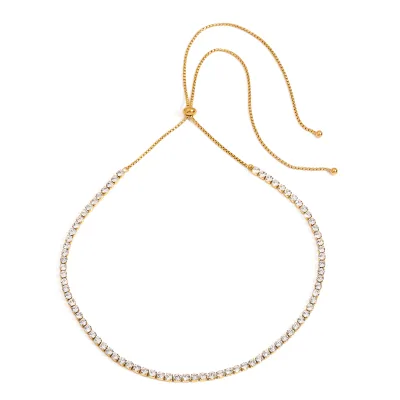
Fashion Jewelry Men Square Zircon Necklace Bling Tennis Necklace Cuban Chain
$3.48 - $4.21
MOQ: 100 Pieces




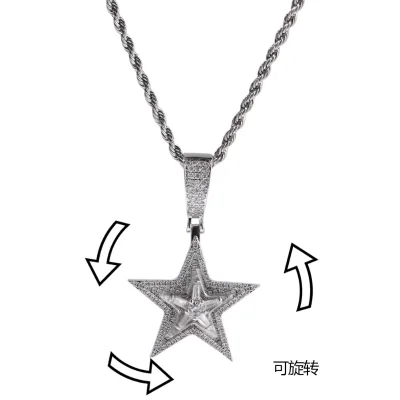
Hip Hop Style Diamond Cross Pendant Tennis Chain Necklace Fashion Jewelry
$5.69 - $5.89
MOQ: 20 Pieces

Hiphop Lightning Pendant Zircon Charms Gold Plated Tennis Twisted Chain Necklace
$17.90 - $18.90
MOQ: 20 Pieces






Comprehensive Sourcing Guide
Trendy Copper Alloy Tennis Necklace Sourcing Guide
Procurement teams must first distinguish between genuine sterling silver tennis necklaces and the copper alloy variants often marketed with similar aesthetics. The supplied data confirms that while some listings feature 925 Sterling Silver, a significant portion of the inventory relies on Alloy materials with Copper plating to achieve a gold or silver finish. Buyers seeking the specific "copper alloy" description must verify the base metal composition, as the term "tennis necklace" in this context often refers to a chain style rather than a specific gemstone setting, with some products listed as simple decorative chains rather than diamond-encrusted pieces.
When evaluating product listings, it is critical to cross-reference the "Plating" attribute against the "Material" field to ensure the copper alloy claim is accurate. The observed inventory includes items with Copper plating alongside those with Gold or Silver plating, all potentially sharing the same alloy base. Sourcing strategies should prioritize suppliers who explicitly state the plating thickness and base metal, as the "High Quality" feature listed in some entries is subjective without third-party verification of the alloy's durability and resistance to tarnishing over time.
Product Scope and Observed Listing Signals
The market for these accessories spans a wide range of styles, from simple daily wear to more elaborate fashion statements suitable for parties or casual occasions. The observed product data indicates that while some items are designed specifically for female demographics, others are marketed as unisex or suitable for males and the elderly. This variability suggests that buyers should not assume a single target audience but rather verify the "Applicable Gender" and "Style" attributes for each specific SKU, as the "Fashion" and "Vintage" styles may appeal to different market segments within the same product line.
Listing signals also reveal significant variation in packaging and unit definitions, which impacts logistics and retail presentation. Some products are sold as single items in OPP bags, while others come in OPP boxes or are defined by specific weight standards like 210g. Buyers must carefully review the "Selling Units" and "Product Packing" fields to avoid discrepancies in order fulfillment, ensuring that the packaging aligns with their retail requirements and that the "Customized Logo" option is clearly defined before placing bulk orders.
Technical Specifications to Verify
Length and dimension consistency are paramount when sourcing tennis necklaces, as the "standard" attributes in the data show conflicting measurements ranging from 40cm to 50cm, with some items including an additional 5cm extension. Buyers must explicitly confirm the total length and the presence of any extender chains, as a 45cm necklace may not fit the same way as a 50cm one. The "prod_standard" field often lists specific dimensions like 5mm*40cm, which refers to the chain width and length, requiring precise verification to ensure the product meets the intended fit for the target demographic.
Material composition and closure mechanisms also require rigorous technical validation to prevent product failure or customer dissatisfaction. The data lists "Single Prong Buckle" as a closure type for some items, while others may use different mechanisms not explicitly detailed in the summary. Additionally, the "Graffe Material" of Alloy/PU suggests that some components may be non-metallic, necessitating a check on the structural integrity of the chain links and the security of the clasp to ensure the necklace remains durable during daily wear and active use.
Compliance and Safety Documentation
While the supplied facts do not explicitly list specific certification numbers, the "High Quality" claim implies a need for adherence to international safety standards regarding metal content and plating. Buyers should request documentation verifying that the copper alloy and plating materials comply with relevant regulations for jewelry, particularly concerning nickel content and lead levels, which are common concerns in alloy-based accessories. Without explicit certification data in the listing, the procurement team must treat the "Feature" claims as unverified until the supplier provides third-party test reports.
Safety documentation should also address the durability of the plating, especially for items marketed with "Copper" plating which may oxidize or cause skin reactions if the base layer is insufficient. The "Usage" attribute includes "Religious" and "Decoration," suggesting these items may be worn for extended periods, increasing the importance of hypoallergenic verification. Procurement contracts should mandate that the supplier provides evidence of compliance with safety standards for jewelry intended for prolonged skin contact, ensuring that the "Customized Logo" application does not compromise the material's safety profile.
Cost Drivers and Commercial Terms
The observed price range of 0.29 to 400 USD indicates a highly fragmented market where cost is driven by material quality, plating thickness, and branding rather than just the base alloy. Buyers must understand that the lower end of this spectrum likely corresponds to basic alloy chains with thin plating, while the higher end may include sterling silver components or more complex designs. The "MOQ" values vary significantly, with some suppliers requiring 50 pieces and others demanding 100 pieces, directly influencing the unit cost and the feasibility of small-batch testing.
Commercial terms must be negotiated with attention to the "Shipping Time" and "Place of Origin," which are listed as Guangdong or Yiwu, China. These locations are known for rapid production but may have varying logistics capabilities depending on the specific supplier's infrastructure. The "Quick and Safety" shipping claim should be validated against actual lead times, as the "prod_model" numbers suggest a high volume of SKUs that could complicate inventory management. Buyers should clarify whether the quoted price includes packaging costs, as the "OPP" and "OPP Box" options may incur separate fees.
Supplier Qualification and Quality Control
Supplier qualification should focus on their ability to maintain consistency across the "Customization" and "Logo" options, as the data shows a high demand for personalized branding. The presence of specific model numbers like "AVA1395" and "NAIYE011" suggests that suppliers have established production lines, but buyers must verify if these models are static or if they allow for material and dimension adjustments. Quality control protocols must include random sampling to check for plating uniformity and clasp strength, ensuring that the "Fashion" and "Charming" attributes translate into tangible product quality.
Quality control processes must also address the variability in "Product Packing" and "Selling Units" to prevent shipping errors. Since some items are packed in OPP bags and others in boxes, the supplier's internal sorting and packaging procedures must be audited to ensure that the correct packaging is applied to each order. Buyers should require a pre-shipment inspection that verifies the "Material" and "Plating" against the agreed specifications, as the "High Quality" feature is subjective and requires objective measurement to guarantee that the delivered goods match the sample provided.
Long-Term Procurement Checks
Long-term procurement success depends on monitoring the stability of the "Plating" and "Material" attributes over time, as alloy-based jewelry can degrade if the supplier changes their sourcing strategy. Buyers should establish a schedule for periodic re-testing of samples to ensure that the copper alloy and plating thickness remain consistent with the initial order. The "Style" trends, which include "Vintage" and "Western" elements, may shift, requiring the supplier to adapt their production capabilities without compromising the core material integrity or safety standards.
Finally, buyers must maintain a dynamic relationship with suppliers to track changes in "MOQ" and "Lead Time," which can fluctuate based on raw material availability and market demand. The "Place of Origin" in China offers cost advantages, but geopolitical factors or supply chain disruptions could impact delivery schedules. Establishing a clear communication channel for updates on "Customized Logo" capabilities and "Product Packing" changes will ensure that the procurement strategy remains agile and responsive to market shifts while maintaining the "High Quality" standards expected by end consumers.
FAQs
What materials are used for these necklaces?
The collection features 925 sterling silver and alloy constructions. Some items include copper plating or PU accents for varied aesthetics. Buyers can select from simple or fashion styles. Customization is available for logos and designs. These materials ensure durability while maintaining a high-quality finish for daily wear or special occasions.
Can I customize the logo on the product?
Yes, customized logos are available for these items. Buyers can request specific branding to enhance product identity. This service supports both simple and fashion styles. The customization process allows for unique design integration. It is ideal for businesses seeking branded accessories. Contact suppliers to discuss specific logo requirements and implementation details.
What is the minimum order quantity for these items?
The minimum order quantity varies by supplier and product type. Some items require a minimum of 50 pieces, while others start at 100 pieces. Buyers should check specific product listings for exact MOQ values. This flexibility allows for different inventory strategies. It supports both small trial orders and larger bulk purchases efficiently.
Where are these products manufactured?
These products are manufactured in China, specifically in Guangdong and Yiwu, Zhejiang. These regions are known for jewelry production capabilities. Buyers can expect established supply chains from these locations. The origin ensures access to diverse manufacturing resources. It supports efficient sourcing for global distribution networks and trade requirements.
What styles are available for these necklaces?
Available styles include simple, fashion, charming, sexy, vintage, and western designs. The collection offers circle or round pendant shapes. Colors range from silver to gold finishes. These styles cater to daily wear, casual, or party occasions. Buyers can choose based on target audience preferences and current market trends.
How are these items packaged for shipping?
Items are packaged in OPP bags, OPP boxes, or single item units. This packaging protects products during transit and storage. The method ensures safe delivery to international buyers. Packaging choices may vary based on specific product models. It supports efficient handling and presentation upon arrival for retail or wholesale distribution.