Source Tremors Aid Weighted Gloves for Gym, Home, and Daily Use
Compare 30 listings of Tremors Aid Weighted Gloves from verified Chinese manufacturers. This selection includes neoprene training gloves and robotic rehabilitation devices suitable for gym, home, and daily use applications.
Key considerations
Products List
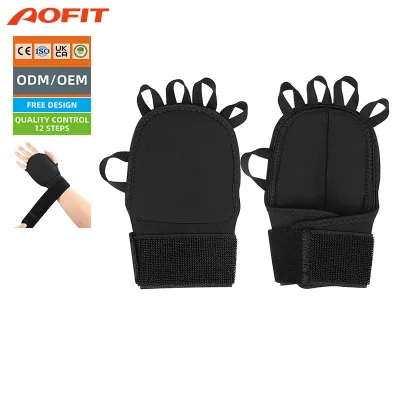
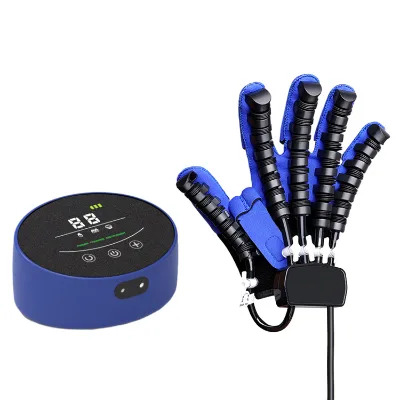
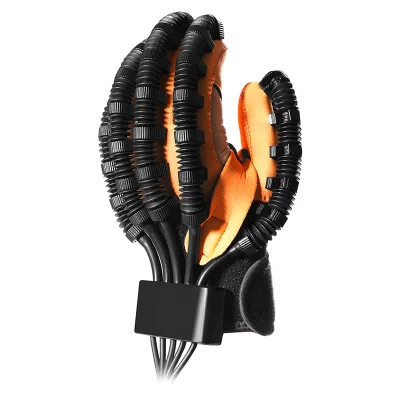
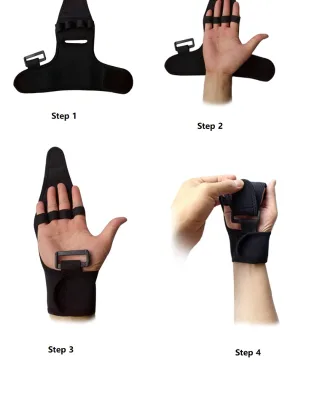
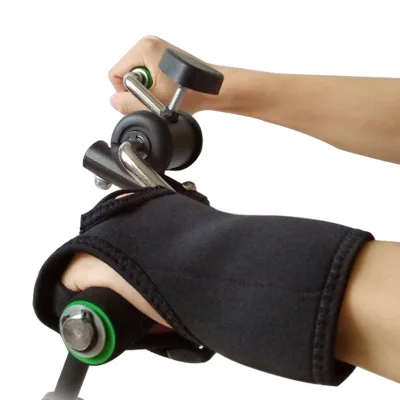
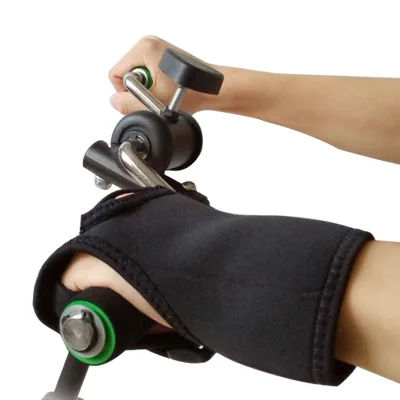


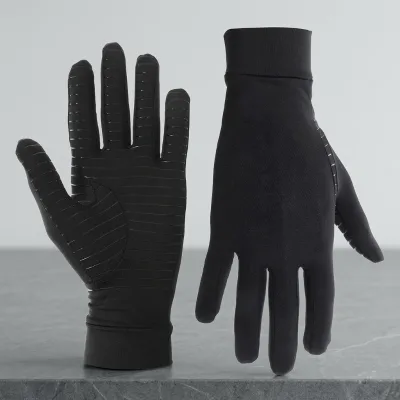
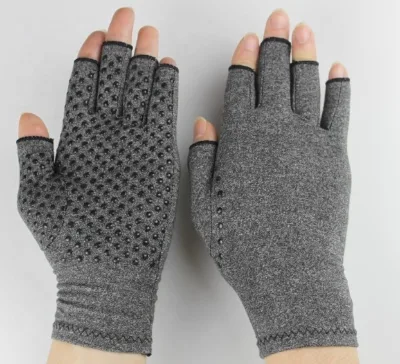
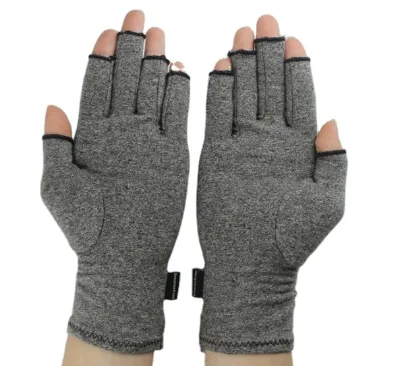
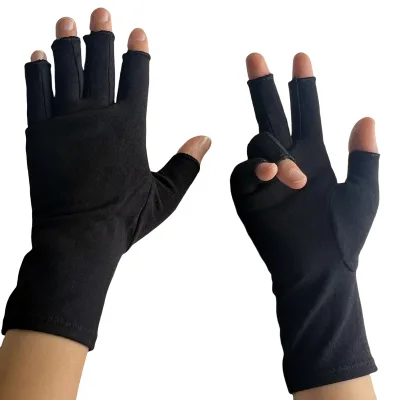
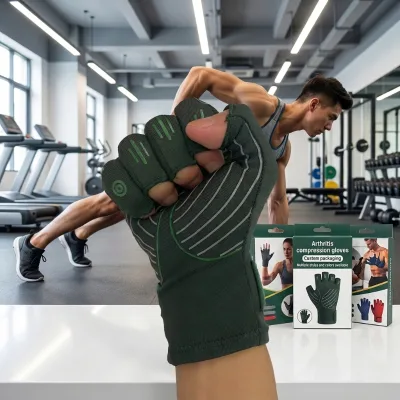
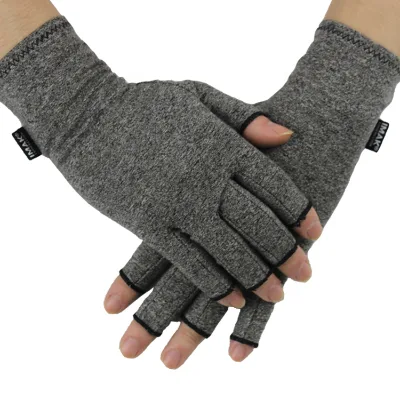


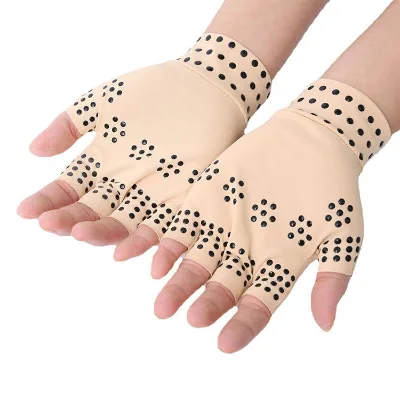


Rehabilitation Training Arthritis Compression Gloves for Indoor Sports Bl21682
$2.67 - $3.20
MOQ: 100 Pieces




Comprehensive Sourcing Guide
Strategic Sourcing Guide for Tremors Aid Weighted Gloves
Understanding Product Categories and Functional Distinctions
When sourcing equipment for tremor management, buyers must first distinguish between passive support devices and active rehabilitation systems. The market often presents two distinct categories under the broad umbrella of "Tremors Aid Weighted Gloves." The first category consists of passive training and weightlifting gloves designed for daily use, gym activities, and general hand stability. These products typically utilize materials like neoprene and feature adjustable closures to provide compression and wrist support. While they may offer some stabilizing effect through weight distribution, their primary design intent is often for athletic training or casual daily wear rather than clinical tremor mitigation.
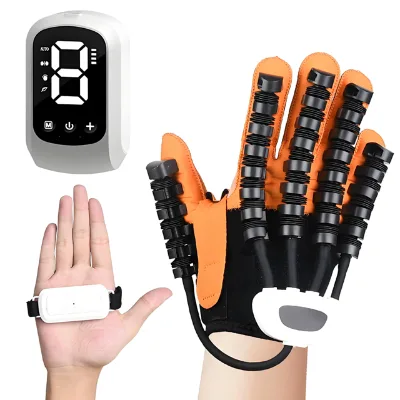
The second category comprises active rehabilitation devices, such as robotic hand gloves. These are engineered specifically for neurological conditions, including stroke, hemiplegia, and cerebral palsy. Unlike passive gloves, these devices incorporate electrical components, intelligent touch sensors, and motorized functions to assist with finger rehabilitation practice and contracture stiffness correction. They are designed to operate in clinical settings like hospitals and rehab centers, as well as for home use. Buyers must carefully evaluate whether their procurement goal is general hand stability for daily activities or specific therapeutic intervention for neurological tremors. Confusing these two categories can lead to purchasing products that lack the necessary therapeutic mechanisms or, conversely, acquiring complex medical devices that are unnecessary for simple stability needs.
Technical Specifications and Operational Parameters
Evaluating the technical specifications of potential suppliers requires a close examination of the product's physical attributes and operational capabilities. For passive weighted gloves, the material composition is a critical factor. Neoprene is a common material observed in the market, offering flexibility and compression. The closure type is typically a fasten mechanism, allowing for an adjustable fit that accommodates different hand sizes. These products are often described as "One Size" or available in specific sizing ranges like large, medium, and small. The weight of the individual package is another observable metric; for instance, some training gloves have a single gross weight around 0.800 kg, while more complex rehabilitation units may weigh significantly more, such as 1.350 kg.
For active robotic rehabilitation gloves, the technical requirements are far more stringent. These devices often rely on electrical power sources, with rated charging voltages typically around 5V and output currents specified at 2A. The functional capabilities extend beyond simple support to include modes of operation such as mirror, automatic, and confrontation modes. The material for these advanced units often combines micro-elastic fabric with nylon to ensure durability and comfort during repetitive motion. The physical dimensions of the single package also vary significantly, ranging from compact sizes like 17x16x8.5 cm for portable units to larger packaging dimensions for more comprehensive systems. Buyers must verify that the specific model number, such as RRG-100 or J-176, aligns with the intended application, as model numbers often denote specific feature sets and target patient profiles.
Compliance, Certification, and Regulatory Standards
Navigating the regulatory landscape is essential for sourcing medical-grade or therapeutic devices. Buyers should verify that suppliers possess valid certifications that align with the intended use of the product. In the observed market data, certain products list certifications such as CE and ISO 13485. The ISO 13485 standard is particularly relevant as it pertains to quality management systems for medical devices, indicating that the manufacturer adheres to rigorous standards for design, production, and service. The CE mark signifies conformity with health, safety, and environmental protection standards for products sold within the European Economic Area.
However, the presence of a certification on a product listing does not automatically guarantee that every unit of that model meets current regulatory requirements. Buyers must treat these certifications as observations of the supplier's claims rather than absolute guarantees for every batch. It is crucial to request current, verifiable copies of these certificates directly from the supplier. Furthermore, buyers should confirm whether the specific product intended for tremor aid is classified as a medical device in the target market. If the product is marketed for "hand rehabilitation" or "stroke" treatment, it likely falls under stricter medical device regulations than a product marketed for "daily & casual" use. Verifying the scope of the certification is necessary to ensure the product can be legally imported and used in the buyer's region.
Cost Drivers and Procurement Economics
The cost structure of sourcing tremor aid gloves is influenced by several variables, including the complexity of the technology, material costs, and order volume. Passive training gloves generally have a lower price point, with observed ranges starting as low as $0.90 per unit for basic models. These products often have a minimum order quantity (MOQ) of 1 piece, making them accessible for small-scale trials or individual purchases. The cost drivers here are primarily the raw materials, such as neoprene, and the labor involved in assembly.
In contrast, active robotic rehabilitation gloves command a significantly higher price, with observed ranges extending up to $923 per unit. The high cost is driven by the integration of electronic components, motors, sensors, and the software required for intelligent touch and automated modes. The MOQ for these advanced devices is typically higher, often starting at 10 pieces, reflecting the specialized nature of the manufacturing process. Buyers should also consider the single gross weight and package dimensions when calculating shipping costs, as heavier and bulkier items incur higher freight charges. Additionally, suppliers offering OEM/ODM services or customized logos may charge a premium for these value-added services. Understanding these cost drivers helps buyers budget effectively and select the appropriate product tier for their specific needs.
Supplier Evaluation and Geographic Considerations
When evaluating potential suppliers, buyers should look beyond the product listing and assess the supplier's operational capabilities. The place of origin is a key indicator of the supply chain's geographic context. Many observed products originate from Hebei, China, or Henan, China. While these regions have established manufacturing bases, buyers should verify the specific factory location and its capacity to meet demand. The supplier's willingness to accept OEM/ODM requests is another critical factor. Suppliers that support customization, such as adding a customized logo or altering product colors, demonstrate a higher level of flexibility and customer service orientation.
The target audience for the product also influences supplier selection. For products intended for stroke or paralysis patients, the supplier should have experience in the medical device sector. This is often indicated by the specific application areas listed, such as "Rehab Center," "Hospital," or "Home." Suppliers who explicitly state support for "Target People" like hemiplegia or cerebral palsy patients are likely more specialized than those marketing to general "Unisex" or "Women Men" demographics for casual use. Buyers should also check the selling units and packaging details to ensure the supplier can handle the required order volume, whether it is a single item or a bulk shipment of 2000 pieces.
Quality Control and Long-Term Procurement Strategy
Implementing a robust quality control (QC) strategy is vital for ensuring the reliability and safety of tremor aid gloves. For passive gloves, QC should focus on material integrity, stitching quality, and the durability of the fasten mechanisms. Buyers should verify that the neoprene or fabric materials meet the specified standards for elasticity and comfort. For robotic gloves, QC must include rigorous testing of electronic components, battery safety, and the accuracy of the rehabilitation modes. The "Intelligent Touch" feature and "Finger Rehabilitation Practice" functions must be tested to ensure they operate correctly and safely for patients with varying levels of mobility.
Long-term procurement considerations involve establishing a sustainable relationship with the supplier. Buyers should assess the supplier's ability to maintain consistent quality over time, especially for products with electronic components that may require updates or replacements. The availability of spare parts and technical support is crucial for devices intended for long-term home use. Additionally, buyers should consider the lead times and the flexibility of the supplier to adjust production volumes based on demand fluctuations. A supplier that offers a range of sizes, from small to large, and supports customized packaging can better serve diverse patient populations. By focusing on these long-term factors, buyers can ensure a steady supply of high-quality products that effectively meet the needs of individuals managing tremors.
Comparative Analysis of Product Attributes
To facilitate decision-making, the following table summarizes the key differences between the two primary product types observed in the market. This comparison highlights the distinct applications, technical features, and target demographics for each category.
| Feature | Passive Training Weightlifting Gloves | Active Robotic Rehabilitation Gloves |
|---|---|---|
| Primary Application | Daily & casual, Gym, Outdoor, Office | Rehab Center, Hospital, Home (Stroke/Paralysis) |
| Target Users | Unisex, Women, Men (General) | Stroke, Hemiplegia, Cerebral Palsy, Paralysis |
| Key Material | Neoprene | Micro elastic fabric + Nylon |
| Technology | Adjustable fasten, Compression | Intelligent Touch, Electrical, Motorized Modes |
| Power Source | None (Passive) | Rated Charging Voltage 5V, Output Current 2A |
| Function | Pain relieve, Training, Stability | Finger Rehabilitation, Contracture Correction |
| Typical MOQ | 1 Piece | 10 Pieces |
| Certification | CE, ISO 13485 (Verify per batch) | CE, ISO 13485 (Verify per batch) |
| Package Weight | ~0.800 kg | ~1.350 kg |
| Model Examples | J-176 | RRG-100 |
This comparison underscores the importance of aligning the procurement strategy with the specific clinical or lifestyle needs of the end-user. Passive gloves are suitable for general hand support and stability in daily activities, while robotic gloves are essential for therapeutic intervention in neurological conditions. Buyers must carefully review the product attributes, certifications, and intended usage scenarios to make an informed purchasing decision that ensures safety and efficacy.
FAQs
What materials are used for Tremors Aid Weighted Gloves?
Passive training gloves typically use neoprene for flexibility and compression. Active robotic rehabilitation gloves combine micro elastic fabric with nylon to support repetitive motion and durability during therapeutic exercises.
Which certifications should I verify for medical grade gloves?
Some products list CE and ISO 13485 certifications, which indicate compliance with health and safety standards for medical devices. Buyers must request current copies to verify that specific batches meet regulatory requirements for their target market.
How does the MOQ differ between glove types?
Passive training gloves often have a minimum order quantity of one piece, suitable for small trials. Active robotic rehabilitation devices typically require a higher minimum order of ten pieces due to their specialized electronic manufacturing processes.
Can these gloves be customized with logos?
Yes, suppliers generally accept customized logos and offer color options like black or custom shades. This OEM and ODM service allows buyers to brand passive training gloves or active rehabilitation units according to their specific requirements.
What is the typical weight of a single package?
Passive training gloves have a single gross weight around 0.800 kg, while active robotic units weigh approximately 1.350 kg. These weight differences impact shipping costs and must be considered when calculating total procurement expenses.
Where are these products typically manufactured?
High-confidence facts indicate production originates from Hebei, China, and Henan, China. Buyers should verify specific factory locations and capacity when sourcing either passive training gloves or active robotic rehabilitation systems from these regions.
What power specifications do robotic gloves require?
Active robotic gloves operate with a rated charging voltage of 5V and an output current of 2A. These electrical parameters are essential for powering intelligent touch sensors and motorized modes used in finger rehabilitation practice.