Source Tri Clamp Aseptic Safety Valves for Beverage, Dairy, and Juice
Compare 30 Tri Clamp Aseptic Safety Valves from verified Chinese manufacturers. These stainless steel valves feature DIN, 3A, and SMS standards with working pressures up to 10 bar for liquid and gas applications in food and pharmaceutical industries; compare the available evidence and request quotations based on your requirements.
Key considerations
Products List


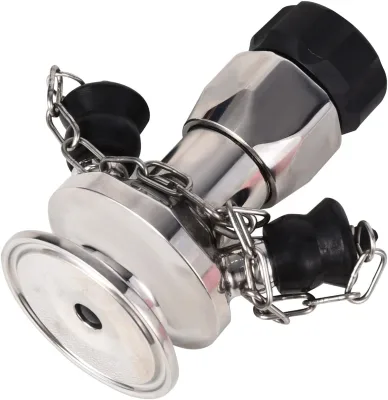
Stainless Steel Sanitary Aseptic Tri Clamp Triclamp 3 Way Diaphragm Valve
$20.00 - $40.00
MOQ: 1 Pieces




Comprehensive Sourcing Guide
Tri Clamp Aseptic Safety Valves Sourcing Guide
Procurement professionals must first distinguish between the specific valve types listed, as the market data reveals a mix of safety valves, bypass valves, and flexible ball valves under the same search term. While the core keyword focuses on aseptic safety, the observed listings include models like the XS-06 and XS-SV66016, which feature distinct working principles ranging from spring-loaded mechanisms to remote-controlled operations. Buyers should verify that the specific model number matches their process safety requirements rather than assuming all tri-clamp valves in the listing are identical safety devices.
The observed product attributes indicate a strong focus on sanitary applications, with materials consistently listed as SS304 or SS316L stainless steel to ensure corrosion resistance and hygiene. However, the working pressure ratings vary significantly across the dataset, with some entries citing limits below 6 bar while others specify 10 bar or 145 psi. This discrepancy necessitates a rigorous review of the technical datasheet for each specific unit to confirm it can withstand the maximum operating pressure of your specific fluid system without risk of failure.
Product Scope and Observed Listing Signals
Buyers should analyze the connection end types carefully, as the listings explicitly offer Male Ends, Tri Clamp Ends, and Welded Ends alongside Union Ends. The presence of Tri Clamp connections is critical for aseptic processing, allowing for rapid disassembly and cleaning, but the specific clamped sizes vary, with some models listing dimensions like 50.5mm or 34mm. It is essential to match these physical dimensions to your existing piping infrastructure to avoid costly retrofitting or the need for custom adapters during installation.
The surface treatment and polishing methods are equally vital for maintaining product integrity in food and pharmaceutical environments. The data indicates an internal surface roughness of Ra 0.8um, which is a standard requirement for preventing bacterial adhesion and facilitating clean-in-place procedures. However, the external polishing options range from mirror to matte finishes, and buyers must specify the required aesthetic and functional finish to ensure the valve meets both regulatory hygiene standards and the visual quality expectations of their facility.
Technical Specifications to Verify
Temperature compatibility is a primary verification step, as the observed ranges span from -10 to +120 Celsius and extend up to -20 to +135 Celsius depending on the specific model. Procurement teams must confirm that the selected valve can handle the peak thermal conditions of their process, including potential sterilization cycles, without compromising the sealing integrity of the food rubber or PTFE seats. Mismatched temperature ratings can lead to seal degradation and subsequent leakage, posing a significant risk to product safety and equipment longevity.
The medium type and pressure control range require precise alignment with the intended application, whether handling liquid materials, gases, or specific fluids like water, beer, or dairy products. While some listings specify a pressure control range of 0.5 to 6 Bar, others indicate a working pressure of 10 bar, creating a potential confusion point for system designers. Buyers must validate the exact pressure relief settings and the valve's ability to function correctly under the specific dynamic pressure fluctuations of their production line to ensure reliable safety performance.
Compliance and Safety Documentation
Certification verification is mandatory, as the listings reference ISO, 3A, SGS, and CE standards, though the exact status of each certification for a specific batch must be confirmed. The presence of ISO and 3A standards suggests compliance with international sanitary requirements, but buyers should request current, valid certificates for the specific model number to ensure the product meets the regulatory mandates of their target market. Relying on general brand claims without verifying the specific documentation for the ordered unit can lead to compliance failures during regulatory audits.
Documentation regarding the sealing materials and surface treatments must also be scrutinized to ensure they align with the specific food or pharmaceutical applications. The listings mention Food Rubber and various seat materials like PCTFE or Peek, which are suitable for different chemical resistances and temperature profiles. Procurement teams should require material test reports that explicitly confirm the composition of these sealing elements to guarantee they will not leach harmful substances into the product stream under the operating conditions of the facility.
Cost Drivers and Commercial Terms
Pricing variability is a significant factor, with observed ranges spanning from 0.1 to 380 USD, driven largely by the material grade, size, and specific functional features of the valve. Stainless steel grades like SS316L and complex mechanisms such as remote-controlled operation or specific pressure ratings will command higher prices than basic configurations. Buyers should request detailed quotes that break down costs by material and customization level to understand the true value proposition and avoid paying a premium for features that are not required for their specific process.
Minimum Order Quantities and delivery timelines also influence the total cost of ownership, with observed MOQs ranging from 1 to 10 units and delivery times typically cited as 7 to 10 days. While small order quantities offer flexibility for pilot projects, larger volumes may unlock better pricing tiers, though the lead time must be factored into production planning. It is crucial to clarify whether the quoted delivery time includes packaging in export-grade plywood cases or shrink wrap, as specialized packaging requirements can impact shipping costs and delivery schedules.
Supplier Qualification and Quality Control
Supplier origin and manufacturing location are key indicators of consistency, with all observed products listed as made in China. While this is a common manufacturing hub for sanitary valves, buyers should verify the specific factory's quality management systems and their history of producing to the cited standards like DIN, SMS, and ISO. Understanding the supplier's production capacity and their ability to maintain consistent surface finishes and dimensional tolerances is essential for ensuring that every unit received meets the rigorous demands of aseptic processing.
Quality control processes should be validated through requests for inspection reports or third-party testing data, particularly regarding the welding quality and pressure testing results. The listings mention various connection standards and surface treatments, but the actual execution of these processes must be verified to prevent defects like surface roughness exceeding Ra 0.8um or improper sealing. Establishing a clear protocol for pre-shipment inspections ensures that the valves delivered are free from manufacturing defects and ready for immediate installation in critical sanitary applications.
Long-Term Procurement Checks
Maintenance and spare part availability are critical considerations for the long-term reliability of the safety valve system. The listings indicate that seat materials can be requested upon specific needs, suggesting a potential for customization, but buyers must ensure that replacement parts like seals and seats are readily available from the supplier. A lack of standardized spare parts can lead to extended downtime if a valve fails, making it essential to secure a supply chain agreement for consumables before finalizing the procurement contract.
Future scalability and standardization should also be evaluated to ensure the selected valves can be easily replaced or expanded as production needs grow. The variety of models and connection sizes observed suggests a need for a standardized approach across the facility to simplify inventory management and maintenance procedures. Buyers should aim to consolidate orders to a specific model series that meets all current and projected requirements, thereby reducing the complexity of the spare parts inventory and streamlining the training of maintenance staff.
FAQs
What materials are used for Tri Clamp Aseptic Safety Valves?
These valves are typically constructed from high-grade stainless steel, specifically SS304 or SS316L, to ensure durability and corrosion resistance. The internal surfaces undergo polishing to achieve a Ra 0.8um finish, which prevents bacterial buildup. Sealing is often handled with food-grade rubber or PTFE, PCTFE, and Peek materials, ensuring safe contact with sensitive liquids and gases in various industrial applications.
Can Tri Clamp Aseptic Safety Valves handle high temperatures?
Yes, these valves are designed to withstand a wide temperature range, typically from -10 to +120 degrees Celsius, with some models supporting up to 135 degrees Celsius. This capability allows them to function effectively in processes involving hot liquids or steam sterilization. The spring structure and adjustable pressure settings ensure reliable performance even under fluctuating thermal conditions in sanitary environments.
Which connection standards are available for these safety valves?
Manufacturers offer connections compliant with major international standards, including DIN, 3A, SMS, ISO, and IDF. Common connection ends include Tri Clamp, Male Ends, Welded Ends, and Union Ends. These options allow for flexible integration into existing piping systems, ensuring compatibility with various sanitary equipment and facilitating easy installation and maintenance in hygienic processing lines.
What is the working pressure range for these valves?
The working pressure for these valves generally ranges from 0.5 to 6 bar, with some models supporting up to 10 bar or 145 psi. The pressure control is often adjustable, allowing precise management of system pressure. This range ensures safe operation for liquid and gas media, preventing over-pressurization while maintaining the integrity of the sanitary seal and structural components during normal industrial operations.
How are Tri Clamp Aseptic Safety Valves packaged for export?
Products are typically packed in shrink wrap, carton cases, and exporting plywood cases to ensure safe transit. Some suppliers also use pallets for bulk shipments. This robust packaging protects the polished stainless steel surfaces and internal components from damage during handling and shipping. The packaging standards are designed to meet international export requirements, ensuring the valves arrive in pristine condition ready for installation.
What certifications do these sanitary valves usually hold?
These valves commonly hold ISO, 3A, SGS, and CE certifications, verifying compliance with international quality and safety standards. The ISO certification ensures consistent manufacturing processes, while 3A and SMS standards confirm suitability for food, beverage, and pharmaceutical applications. These certifications provide buyers with confidence in the product's hygiene, material quality, and performance reliability for critical aseptic processing environments.