Source Trendy Open Stainless Steel Ring for Wedding, Gift, Party
Compare 30 listings of Trendy Open Stainless Steel Ring available in gold, silver, and steel colors. Buyers can review styles including heart, square, and geometric designs with polishing and electroplating finishes for wedding, engagement, and gift occasions.
Key considerations
Products List
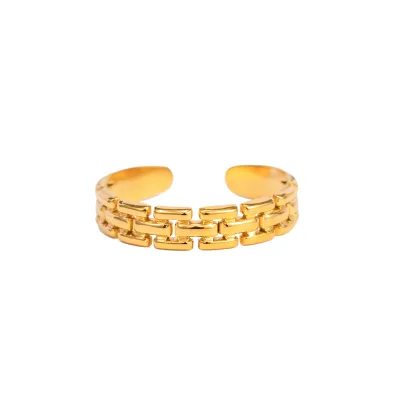


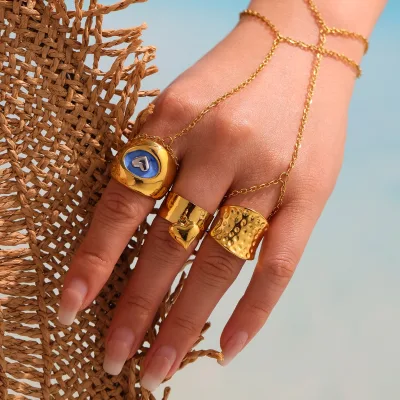



Cross Open Rings for Stainless Steel Simple Trendy Adjustable Finger Rings Jewelry
$0.80 - $1.20
MOQ: 200 Pieces


New Arrival Design Stainless Steel Ring Fashion Jewelry Open Ring for Women
$1.03 - $1.65
MOQ: 50 Pieces


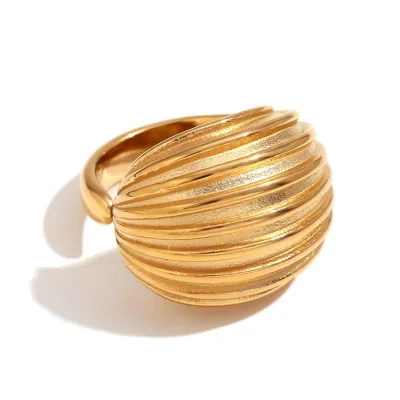

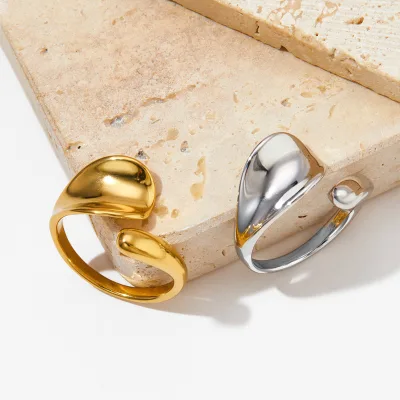
Comprehensive Sourcing Guide
Strategic Sourcing Guide for Trendy Open Stainless Steel Rings
The global market for stainless steel jewelry has expanded significantly, driven by a demand for durable, hypoallergenic, and cost-effective accessories. For procurement professionals seeking "trendy open stainless steel rings," the sourcing landscape offers a diverse array of options ranging from simple geometric designs to intricate inlaid pieces. This guide synthesizes available product attributes, fabrication processes, and market observations to provide a disciplined framework for evaluating suppliers and products. The focus remains strictly on verifiable facts and established industry practices, ensuring that procurement decisions are grounded in evidence rather than speculation.
Technical Specifications and Material Composition
Understanding the technical baseline of the product is the first step in any B2B procurement strategy. Stainless steel is the primary material of interest for this category, offering a balance of corrosion resistance and structural integrity. In the observed product data, the material is explicitly identified as Stainless Steel, with some listings specifying the jewelry main material as a combination of Silver and Stainless Steel. This distinction is critical for buyers who may require specific alloy compositions or plating requirements.
The fabrication process plays a pivotal role in the final aesthetic and durability of the ring. High-confidence data indicates that polishing and electroplating are standard processing methods. Polishing ensures a smooth surface finish, which is essential for comfort and visual appeal, while electroplating provides the desired coloration. The observed color options include Gold, Silver, and specific plating variations such as 18K Gold Plated and Silver Plated. Buyers must verify that the plating thickness and adhesion meet their quality standards, as these factors directly influence the longevity of the product's appearance.
Shape and style are equally defining characteristics. The market data reveals a prevalence of "Heart" shapes and "Square" or "Geometric" patterns, aligning with the "trendy" descriptor. The "Open Ring" type is a specific structural category observed in the data, often associated with adjustable sizing or unique design aesthetics. Styles range from "Simple" and "Elegant" to "Fashion" and "Retro," allowing for segmentation based on target consumer demographics. The product models identified, such as KR111115-MZOZ and DSV088, serve as unique identifiers for tracking specific design iterations during the sourcing process.
Design Variations and Functional Attributes
The functional attributes of these rings extend beyond mere aesthetics to include specific usage scenarios and packaging requirements. The data highlights multiple usage categories, including Wedding, Decoration, Gift, Anniversary, and Engagement. This versatility suggests that the product line is designed to serve both personal adornment and ceremonial purposes. The "Unisex" gender attribute further broadens the potential market reach, making these rings suitable for a wide demographic.
Packaging is a critical component of the supply chain that often impacts the final retail presentation. Observed packaging types include "Carton Box" and "Bag," with specific dimensions noted for single packages, such as 10x10x5cm. The weight of individual items is also a key logistical factor; for instance, one observed listing specifies a single gross weight of 0.020kg. These metrics are essential for calculating shipping costs and storage requirements.
The "Inlay Technology" is listed as "Other" in some records, indicating that while inlaid rings are a category within the broader stainless steel market, the specific techniques may vary by supplier. Buyers should request detailed technical sheets regarding inlay methods if the design requires stone setting or complex material integration. Furthermore, the "Rings Type" is categorized as "Prime Ring" or "Other" in various listings, suggesting a need for clear classification to avoid confusion in inventory management.
Compliance, Certification, and Quality Verification
Navigating the compliance landscape is vital for international trade. While the provided data includes a "Third Party Appraisal" as a certificate type, it is important to treat this as an observation of a specific product listing rather than a universal standard for all suppliers. Buyers must independently verify the scope and validity of any third-party appraisals to ensure they meet the regulatory requirements of their target markets.
Background information mentions certifications such as BSCI and REACH, but these are flagged as low-confidence and should not be asserted as facts for specific products without direct supplier confirmation. Instead, procurement teams should treat these as areas for due diligence. When evaluating a supplier, buyers should explicitly request current certification documents for REACH compliance, which is crucial for the European market, and BSCI for social compliance audits. The absence of these certifications in the provided high-confidence data underscores the need for active verification rather than passive assumption.
Quality control protocols should be established based on the observed standards. While specific numerical standards like "5g" or "6-9" are listed, these likely refer to weight or size specifications rather than quality benchmarks. Buyers must define their own quality acceptance criteria, focusing on plating adhesion, surface finish consistency, and structural integrity of the open ring mechanism. The "prod_standard" field in the data varies, indicating that standardization is not uniform across all listings, reinforcing the need for a robust inspection regime.
Cost Drivers and Pricing Dynamics
The pricing structure for stainless steel rings is influenced by several variables, including material costs, plating complexity, and customization levels. The observed price range in the market is between 0.13 and 9 USD, a wide spectrum that reflects the diversity in design complexity and finishing quality. The "Customization" attribute is marked as available, which implies that bespoke orders may carry a premium or require a different pricing model compared to standard stock items.
Minimum Order Quantity (MOQ) is another significant cost driver. The observed MOQ range spans from 2 to 200 units. This flexibility allows buyers to test the market with low-volume orders or commit to larger volumes for better unit economics. However, the variability suggests that pricing is not linear; smaller MOQs may come with higher per-unit costs, while larger orders might benefit from economies of scale. Buyers should negotiate based on their specific volume requirements and the supplier's capacity to handle customization.
Production costs are also affected by the origin of the goods. The data indicates origins in China, specifically Dongguan and Zhejiang. These regions are known for their manufacturing capabilities, but logistics costs and import duties will vary based on the specific port of entry and trade agreements. The "Single Selling Unit" being a "Single Item" suggests that the pricing is typically per piece, which simplifies cost calculations but requires careful aggregation for total order value.
Supplier Evaluation and Operational Considerations
Evaluating suppliers requires a multi-faceted approach that goes beyond price and product specifications. The geographic distribution of suppliers, with origins in Dongguan and Zhejiang, provides insight into the manufacturing ecosystem. Dongguan is historically a hub for precision manufacturing, while Zhejiang is known for a broad range of light industrial goods. Buyers should assess the supplier's proximity to ports and their logistical capabilities to ensure timely delivery.
Lead times and production capacity are critical operational factors. While specific lead times are not provided in the data, the availability of customization suggests that production schedules may vary. Buyers should establish clear communication channels to confirm production timelines, especially for orders involving electroplating or polishing, which can be time-intensive. The "prod_packing" variations (Carton Box vs. Bag) also indicate that suppliers may have different packaging capabilities, which should be aligned with the buyer's retail requirements.
Supplier reliability can be gauged by their ability to provide consistent product attributes. The variation in product models and standards across the data set indicates a dynamic market with many players. Buyers should prioritize suppliers who demonstrate consistency in their product descriptions and can provide samples that match the high-confidence attributes observed, such as the specific stainless steel material and electroplating processes.
Long-Term Procurement and Market Trends
Sourcing trendy open stainless steel rings is not just a one-time transaction but a strategic partnership that requires long-term planning. The market trends indicate a shift towards versatile, multi-occasion jewelry that serves as both a gift and a personal accessory. The "Heart" and "Geometric" shapes, combined with "Gold" and "Silver" plating, suggest a continued demand for classic yet modern designs.
Buyers should monitor the evolution of plating technologies and material standards. As the industry moves towards more sustainable practices, the verification of certifications like REACH will become increasingly important. Additionally, the availability of customization offers opportunities for buyers to differentiate their product lines through unique designs or branding.
The "Application" fields, including Anniversary, Engagement, and Wedding, highlight the emotional value of these products. Procurement strategies should reflect this by ensuring that the quality and presentation of the rings meet the high expectations associated with these occasions. Long-term success in this category depends on maintaining a balance between cost efficiency and the perceived value of the product, ensuring that the rings remain competitive in a crowded marketplace.
Comparative Analysis of Product Attributes
To facilitate decision-making, the following table summarizes the key attributes observed in the market data, providing a clear comparison of the typical characteristics buyers can expect.
| Attribute Category | Observed Values | Procurement Implication |
|---|---|---|
| Material | Stainless Steel, Silver/Stainless Steel | Verify alloy composition for hypoallergenic needs. |
| Plating | 18K Gold Plated, Silver Plated, Gold | Confirm plating thickness and durability standards. |
| Shape | Heart, Square, Geometric, Open | Align design with target demographic trends. |
| Style | Simple, Elegant, Fashion, Retro | Segment product lines by consumer preference. |
| Usage | Wedding, Gift, Decoration, Engagement | Ensure packaging and marketing match the occasion. |
| Origin | China (Dongguan, Zhejiang) | Assess logistics and import duty implications. |
| Packaging | Carton Box, Bag (10x10x5cm) | Verify packaging dimensions for shipping optimization. |
| Customization | Available | Negotiate MOQs and lead times for bespoke orders. |
This structured approach to sourcing ensures that buyers can navigate the complexities of the stainless steel ring market with confidence. By focusing on verified attributes and maintaining a rigorous evaluation process, procurement professionals can secure high-quality products that meet both commercial and consumer expectations.
FAQs
What materials are used for trendy open stainless steel rings?
The primary material is stainless steel, with some listings combining silver and stainless steel. Buyers should verify the specific alloy composition to ensure hypoallergenic properties and durability for long-term wear.
Can I customize the plating color for these rings?
Yes, customization is available for plating colors such as 18K gold plated or silver plated. Buyers must confirm plating thickness and adhesion standards to ensure the color remains durable over time.
Which shapes are available for open stainless steel rings?
Common shapes include heart, square, and geometric patterns. The open ring type allows for adjustable sizing, making these designs versatile for various fashion styles and personal preferences.
What is the typical price range for these rings?
The observed price range spans from 0.13 to 9 USD per unit. Costs vary based on design complexity, plating quality, and whether the order includes customization or specific packaging requirements.
How do I verify the certification for these products?
Some listings show third-party appraisal certificates, but buyers must independently verify validity. Additional certifications like REACH or BSCI should be requested directly from suppliers to ensure compliance with target market regulations.
What are the minimum order quantities for these rings?
The minimum order quantity ranges from 2 to 200 units depending on the supplier. Lower MOQs allow for market testing, while larger orders may offer better unit economics through economies of scale.