Source Trough Type Transformer Bushing for Power Transmission
Find and compare 30 Trough Type Transformer Bushing options from verified suppliers. These high-voltage components support electrical installation, insulation, and power transmission applications with customizable ratings and materials.
Key considerations
Products List




Comprehensive Sourcing Guide
Strategic Sourcing Guide for Trough Type Transformer Bushings
The procurement of high-voltage electrical components requires a meticulous approach, particularly when dealing with specialized hardware like trough type transformer bushings. These critical insulators serve as the primary interface between the high-voltage conductors and the grounded transformer tank, ensuring electrical isolation and mechanical support. For buyers navigating the global market, understanding the specific technical nuances, compliance requirements, and supply chain dynamics is essential to mitigate risk and ensure operational reliability. This guide synthesizes available market data to provide a structured framework for sourcing these components effectively.
Technical Specifications and Design Architecture
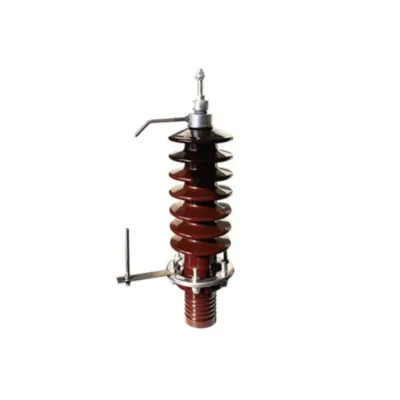
When evaluating trough type transformer bushings, the buyer must first establish a clear understanding of the core design parameters that define performance and compatibility. The "trough type" designation refers to a specific structural configuration where the insulating material forms a trough-like shape around the conductor, often utilized in high-voltage applications to manage electric field distribution effectively. The observed market data indicates that these units are frequently categorized under specific types, such as "A Type Insulator," which suggests a standardized geometric profile designed for particular mounting scenarios.
Material composition is a primary determinant of performance. The supply chain currently features products constructed from composite polymers, which offer advantages in weight reduction and mechanical strength compared to traditional porcelain. However, other listings indicate the use of brass for specific connection points and silicone rubber for insulation sheathing, highlighting that material selection is often application-dependent. For instance, high-voltage applications may require crosslinking sheath materials and red copper wire cores to handle the thermal and electrical stresses associated with currents up to 3150A.
The rated voltage and current capacities are critical specifications that vary significantly across the product range. Market observations show units rated for 126kV with a rated current of 1600A, while other configurations support up to 300kV with currents reaching 3150A. This variance necessitates a precise match between the transformer's operational requirements and the bushing's rating. Furthermore, the mechanical bearing capacity is a vital metric; observed data points to a capacity of 550KN, which is essential for ensuring the bushing can withstand the weight of the conductor and external mechanical loads without structural failure. The connection method is typically a flange type, designed to bolt securely to the transformer tank, with head types varying between round configurations to suit different clearance requirements.
Compliance, Certification, and International Standards
Ensuring that sourced bushings meet rigorous international standards is non-negotiable for high-voltage equipment. The procurement process must verify that products adhere to recognized standards such as IEC 60137, IEEE, and ANSI, which govern the design, testing, and performance of high-voltage bushings. Additionally, regional standards like GB (Guobiao) and DIN (Deutsches Institut für Normung) may apply depending on the origin of the equipment and the destination market. The supply data confirms that some manufacturers offer products compliant with these specific international frameworks, while others may operate under customized standard drawings or product-specific standards.
Certification plays a pivotal role in validating the quality and safety of the components. Buyers should look for ISO certifications, such as ISO and ISOCE, which indicate that the manufacturer adheres to international quality management systems. These certifications are not merely administrative; they serve as a proxy for the consistency of the manufacturing process and the reliability of the final product. However, buyers must exercise caution, as certification status can vary between different product lines within the same supplier's catalog. It is imperative to request specific certification documents for the exact model number being purchased rather than relying on general company claims.
The table below outlines the key standards and certifications observed in the current market context for trough type bushings:
| Category | Observed Standards/Certifications | Relevance to Procurement |
|---|---|---|
| International Standards | IEC 60137, IEEE, ANSI | Essential for global interoperability and safety compliance. |
| Regional Standards | GB, DIN | Critical for markets in China and Europe respectively. |
| Quality Management | ISO, ISOCE | Indicates adherence to consistent manufacturing quality protocols. |
| Customization | Customized Standard, As Standard Drawing | Allows for adaptation to unique transformer designs or legacy systems. |
Cost Drivers and Pricing Dynamics
The pricing of trough type transformer bushings is influenced by a complex interplay of factors, including material costs, manufacturing complexity, and logistical requirements. The observed price range in the market spans from 1 USD to 50,000 USD, reflecting the vast difference between small components and large, high-voltage assemblies. This wide disparity underscores the importance of defining the exact technical specifications before soliciting quotes. A 126kV unit will naturally command a different price point than a 300kV unit due to the increased material volume and more stringent testing requirements associated with higher voltage ratings.
Material composition is a significant cost driver. Products utilizing composite polymers or specialized materials like silicone rubber and crosslinking sheaths may incur higher material costs compared to standard metallic or ceramic alternatives. Additionally, the rated current capacity influences the cost, as higher current ratings require larger conductors and more robust insulation systems to prevent overheating. The observed data shows models ranging from 1600A to 3150A, with corresponding increases in material usage and manufacturing precision.
Logistics and packaging also contribute to the final landed cost. The supply chain data indicates that products are typically packed in wooden pallets, wooden cases, or cartons, depending on the size and fragility of the item. For high-value, high-voltage units, wooden cases provide superior protection during transit. The delivery method, primarily by sea, and the lead time of approximately 15 days must be factored into the total cost of ownership. Buyers should also consider the Minimum Order Quantity (MOQ), which ranges from 1 to 1000 units. While some suppliers offer low MOQs for testing or small projects, bulk orders may benefit from economies of scale, though the specific discount structures are not publicly standardized in the available data.
Typical Applications and Operational Environments
Trough type transformer bushings are engineered for demanding environments, primarily serving high-voltage power transmission and electrical installation sectors. The observed usage data highlights their deployment in high-voltage applications, where they facilitate the safe transfer of electrical energy between the transformer and the external grid. These components are integral to power stations, where reliability is paramount, and any failure could result in significant downtime and safety hazards.
Specific applications include pad-mounted transformers, witch gears, and American standard transformers, indicating versatility across different transformer architectures. The ability to customize the product, as noted in the supply data, allows these bushings to be adapted for unique industrial needs. For example, the "Ahaht-15/600" and "Atgz-15/200" reference numbers suggest specialized models designed for specific current and voltage combinations, likely tailored for particular utility or industrial grid configurations.
The mechanical robustness of these bushings is crucial for their application in high-voltage power transmission. With a bearing capacity of up to 550KN, they are designed to support heavy conductors and withstand environmental stresses such as wind, ice, and seismic activity. The use of composite polymers and silicone rubber also suggests an adaptation to harsh environmental conditions, offering resistance to pollution and moisture, which are common challenges in outdoor electrical installations.
Supplier Evaluation and Origin Considerations
When evaluating potential suppliers, buyers should prioritize transparency regarding the product's origin and manufacturing capabilities. The supply data indicates that many of these components originate from Nanjing, China, a region known for its electrical manufacturing infrastructure. While this provides access to a robust supply chain, buyers must verify the specific capabilities of the supplier to ensure they can meet the required technical and quality standards.
The availability of customization is a key differentiator among suppliers. The observed data confirms that customization is available, allowing buyers to request specific modifications to the standard design. This is particularly important for legacy systems or unique transformer designs that do not conform to standard specifications. Suppliers who offer "As standard drawing" or "Customized" standard options demonstrate flexibility and a deeper understanding of customer needs.
However, buyers must be wary of generalizations. Not every listed product satisfies every attribute; for instance, while some units are made of composite polymer, others may use brass or silicone rubber. Therefore, the evaluation process should involve a detailed review of the specific product datasheet for the model in question. The presence of certifications like ISO and ISOCE should be verified against the specific batch or model, as these may not apply to all product lines within a supplier's portfolio.
Quality Control and Long-Term Procurement Strategy
Implementing a robust quality control (QC) strategy is essential for mitigating the risks associated with high-voltage equipment procurement. Given the critical role of trough type bushings in electrical safety, buyers should insist on comprehensive testing protocols that align with the relevant standards, such as IEC 60137. This includes verifying the dielectric strength, mechanical strength, and thermal performance of the components. The observed lead time of 15 days suggests a relatively efficient production cycle, but buyers should ensure that this timeline does not compromise the rigor of the QC process.
Long-term procurement considerations should focus on building a sustainable relationship with suppliers who demonstrate consistency in quality and delivery. The ability to source replacement parts and the availability of technical support are crucial for the lifecycle management of the equipment. Buyers should also consider the scalability of the supply chain, ensuring that the supplier can handle increased order volumes as the project expands. The observed MOQ range of 1 to 1000 units indicates flexibility, but buyers should negotiate terms that align with their projected demand to avoid inventory costs or supply shortages.
In conclusion, sourcing trough type transformer bushings requires a balanced approach that integrates technical precision, compliance verification, and strategic supplier management. By focusing on the specific attributes observed in the market, such as rated voltage, material composition, and certification status, buyers can make informed decisions that ensure the reliability and safety of their high-voltage electrical installations. The complexity of these components demands a thorough understanding of the supply chain landscape, enabling buyers to navigate the market effectively and secure high-quality products that meet their operational needs.
FAQs
What materials are used for trough type transformer bushings?
These bushings are constructed from composite polymer, brass, or silicone rubber depending on the specific model. Composite polymers offer weight reduction, while brass is used for connection points and silicone rubber provides insulation sheathing for high-voltage applications.
Which voltage ratings are available for these bushings?
Available rated voltages include 126kV and 300kV configurations. The 126kV model supports a rated current of 1600A, while the 300kV variant handles up to 3150A to meet diverse high-voltage power transmission requirements.
Can buyers request customization for these electrical components?
Yes, customization is available for these bushings to suit unique transformer designs. Suppliers can produce units based on standard drawings or customized standards, allowing adaptation for specific industrial or power station applications.
How long is the delivery time for these products?
The standard delivery time is approximately 15 days for these components. Shipping is typically conducted by sea, with packaging options including wooden pallets, wooden cases, or cartons depending on the product size and fragility.
What certifications do these bushings typically hold?
Products often carry ISO and ISOCE certifications indicating adherence to quality management systems. They also comply with international standards such as IEC 60137, IEEE, ANSI, GB, and DIN to ensure safety and interoperability.
Where are these transformer bushings manufactured?
Many of these components originate from Nanjing, China, a region known for electrical manufacturing. The supply chain leverages this location to provide products with specific bearing capacities and connection methods like flange types.