Source Truck Tires for heavy trucks, trailers, and steer axles
Compare 30 listings of Truck Tires including bias belted and tube types for heavy trucks, trailers, and steer axles. Buyers can review specifications like diameter, tread pattern, and warranty terms from verified Chinese manufacturers.
Key considerations
Products List


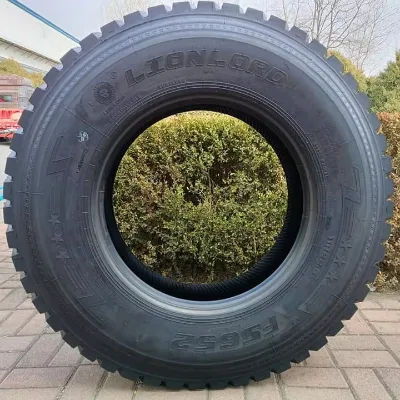
Truck Tires 11r22.5 295/75r22.5 315/80r22.5 385/65r22.5 1200r20 1200r24
$100.00 - $105.00
MOQ: 110 Pieces




Comprehensive Sourcing Guide
Truck Tires Sourcing Guide
Procuring heavy-duty Truck Tires requires a disciplined approach to aligning product specifications with the operational demands of specific vehicle fleets. The market offers a diverse range of options, from bias-belted tires designed for rugged terrain to tube-type variants suitable for specific axle configurations. Buyers must first distinguish between tires intended for steer, drive, all-position, and trailer applications, as the structural integrity and tread patterns vary significantly to handle the distinct stresses of each role. Understanding these functional distinctions is the first step in preventing premature wear and ensuring fleet safety.
The sourcing landscape for these components is characterized by a wide variance in pricing and minimum order quantities, reflecting the complexity of the supply chain. Observed listings indicate a price range spanning from $10 to $1,000, with minimum order quantities (MOQ) fluctuating between single units and bulk shipments of up to 260 units. This variability necessitates a clear definition of procurement volume and budget constraints before engaging with suppliers. Buyers should be prepared to negotiate based on the specific tire hierarchy, such as 16-ply ratings, and the intended duty cycle to secure terms that match their logistical capabilities.
Product Scope and Observed Listing Signals
The available inventory for Truck Tires includes specific models designed for major commercial vehicle manufacturers, including Foton, Dongfeng, Benz, Jiefang, and HOWO. Listings frequently highlight tires with dimensions such as 18.00-25 and 295/80R22.5, catering to heavy truck applications that require robust construction. The product scope extends to various tread patterns, including transverse designs, and construction types like the 4+1 configuration, which are critical for maintaining stability under heavy loads. Buyers should verify that the listed tire model matches the exact diameter requirements, which are observed to be 22 inches or greater, to ensure compatibility with existing wheel assemblies.
Packaging and origin details provide essential context for logistics planning and inventory management. Products are typically sourced from China and shipped in wooden boxes for LCL (Less than Container Load) or standard packing configurations, with some listings specifying polyamide paper for protection. The observed delivery timelines indicate a lead time of within 20 working days, though this can vary based on the specific order volume and shipping method. Buyers must account for the quantity per 40-foot high cube container, which can reach up to 265 units, to optimize freight costs and ensure that the supply chain can accommodate the physical volume of the order.
Technical Specifications to Verify
Technical verification begins with the tire construction and material composition, which directly influence durability and performance. The supply chain features tires constructed with natural rubber sourced from Thailand and Malaysia, often utilizing nylon cord materials for reinforcement. Buyers should confirm the tire hierarchy, such as the 16-ply rating, and the specific construction type, whether it is a bias-belted or tube-type design, as these factors determine the tire's ability to withstand the rigors of long-haul transport. The equipment used in manufacturing, noted as coming from Japan and Germany, suggests a level of precision that should be validated through sample inspection.
Dimensional and performance specifications are equally critical for ensuring the tire meets the operational needs of the fleet. Key attributes to verify include the speed ratings, which may range from L, M, to K, and the overall diameter, which must meet the minimum threshold of 22 inches. The tread depth and design, such as the transverse pattern, must align with the intended use, whether for steering, driving, or trailer positions. Additionally, the availability of inner tubes and the specific tire design, such as vacuum or tube types, must be confirmed to prevent compatibility issues with the vehicle's existing braking and suspension systems.
Compliance and Safety Documentation
Ensuring that Truck Tires meet international safety and quality standards is a non-negotiable aspect of the procurement process. The market listings indicate that suppliers often hold ISO9001 and CE certifications, which serve as baseline indicators of quality management systems and product safety compliance. Buyers should request current certification documents to verify that the tires have undergone the necessary testing procedures to meet these standards. The presence of these certifications is particularly important for fleets operating in regions with strict regulatory requirements regarding vehicle safety and environmental impact.
Beyond general certifications, specific documentation regarding the tire's condition and warranty terms must be scrutinized. All listed products are described as new, yet buyers should verify the guarantee period, which is observed to be either one year or three years depending on the specific product line. The warranty coverage should clearly define the scope of protection against defects in workmanship and materials. Furthermore, the availability of after-sales service is a critical factor, as it ensures that any issues arising from the tires can be addressed promptly, minimizing downtime and maintaining fleet efficiency.
Cost Drivers and Commercial Terms
The total cost of ownership for Truck Tires is influenced by several factors beyond the unit price, including the minimum order quantity and shipping logistics. The observed MOQ ranges from a single unit to bulk orders of 260 units, with some suppliers requiring a full 40-foot high cube container as the minimum order. This constraint can significantly impact the cash flow and storage requirements for smaller buyers. Understanding the cost implications of different order sizes is essential for negotiating favorable terms and optimizing the inventory turnover rate.
Customization options and packing requirements also play a significant role in the final commercial terms. While some products are listed as non-customized, others offer customization services that may incur additional costs or extend lead times. The packing method, whether it is a wooden box for LCL or standard packing for full containers, affects the freight cost and the risk of damage during transit. Buyers should clarify the delivery date, which is typically within 20 working days, and ensure that the payment terms align with the production and shipping schedule to avoid delays in the supply chain.
Supplier Qualification and Quality Control
Evaluating supplier qualification involves a thorough review of their manufacturing capabilities and quality control processes. The use of advanced technology from Japan and Italy, combined with equipment from Japan and Germany, suggests a high level of technical proficiency. However, buyers should verify these claims through on-site audits or third-party quality reports to ensure that the stated technology is effectively implemented in the production line. The consistency of the product, particularly regarding the material composition and construction, must be maintained across all batches to prevent performance variability.
Quality control extends to the final inspection and testing of the tires before they leave the factory. Buyers should request detailed test results and performance data to validate the tire's durability and safety features. The presence of a warranty and after-sales service indicates a supplier's confidence in their product, but the specific terms of these services must be clearly defined. Establishing a robust quality control protocol, including regular sampling and inspection, is essential to maintain the high standards required for heavy-duty truck operations and to mitigate the risk of receiving substandard products.
Long-Term Procurement Checks
Sustaining a successful procurement relationship requires ongoing monitoring of supplier performance and product consistency. Buyers should establish a system for tracking tire performance over time, including wear rates, failure incidents, and customer feedback. This data will help identify any trends or issues that may indicate a need for corrective action or a change in supplier. Regular reviews of the supplier's ability to meet delivery dates and maintain quality standards are crucial for ensuring the reliability of the supply chain.
The long-term viability of the procurement strategy also depends on the supplier's ability to adapt to changing market conditions and regulatory requirements. Buyers should maintain open communication with suppliers to stay informed about any updates to certifications, standards, or manufacturing processes. The availability of a dedicated after-sales service team and a clear warranty process are key indicators of a supplier's commitment to long-term support. By proactively managing these relationships, buyers can ensure a steady supply of high-quality Truck Tires that meet the evolving needs of their fleet.
FAQs
What certifications do these Truck Tires have?
The Truck Tires are certified with ISO9001 and CE standards. These certifications ensure that the manufacturing processes and product quality meet international requirements for safety and reliability. Buyers can rely on these documented standards when evaluating supplier compliance and product suitability for their specific operational needs.
What is the minimum order quantity for these tires?
The minimum order quantity is one 40HQ container. This MOQ applies to the standard heavy truck tire models listed. Buyers should note that the observed MOQ range across similar products varies from 1 to 260 units, but this specific listing requires a full container load for initial procurement.
How long is the delivery lead time?
The delivery date is within 20 working days. This lead time applies to the standard production and shipping process for the listed Truck Tires. Buyers should plan their logistics accordingly, as this timeframe ensures the goods are prepared and dispatched promptly after order confirmation and payment.
What warranty is provided for these Truck Tires?
A 1-year warranty is provided for these Truck Tires. Additionally, a 3-year guarantee is mentioned for specific heavy truck tire models. Buyers should verify the exact warranty terms applicable to their specific tire model and usage conditions to ensure adequate coverage for their fleet operations.
What is the main market for these tires?
The main market for these tires is Africa. This indicates that the product specifications and supply chain are optimized for African market demands. Buyers targeting this region can expect products tailored to local road conditions and regulatory requirements, ensuring better compatibility and performance in their specific operating environment.
What is the origin of these Truck Tires?
The origin of these Truck Tires is China. The products are manufactured using advanced technology from Japan and Italy, and materials like natural rubber from Thailand and Malaysia. This combination of global inputs and Chinese manufacturing ensures competitive pricing and high-quality standards for international buyers.