Source Truck Transmission Shaft Balancing Machine for automotive, industrial, and heavy-duty uses
Compare 30 listings for the Truck Transmission Shaft Balancing Machine featuring computer control and dynamic load capabilities. Buyers can evaluate specifications like capacity, accuracy, and certifications from verified Chinese manufacturers.
Key considerations
Products List


Automotive Parts-Rear Axle Dynamic Balancing Machine
$180000.00 - $200000.00
MOQ: 1 Pieces
Shanghai Jianping Dynamic Balancing Machine Manufacturing Co., Ltd.

Gear Shaft Balancer Machine with Automatic Line
$140000.00 - $150000.00
MOQ: 1 Pieces
Shanghai Jianping Dynamic Balancing Machine Manufacturing Co., Ltd.

Belt Drive Balance Machine for Crankshaft
$13000.00 - $16000.00
MOQ: 1 Pieces
Shanghai Jianping Dynamic Balancing Machine Manufacturing Co., Ltd.

High Precision Crankshaft Balancing Machine
$1200000.00 - $1500000.00
MOQ: 1 Pieces
Shanghai Jianping Dynamic Balancing Machine Manufacturing Co., Ltd.


Heavy-duty Drive Shaft Balancing Machine Transmission Shaft Balance Device
$8800.00 - $18800.00
MOQ: 1 Pieces

Heavy-Duty Drive Shaft Balancing Machine Transmission Shaft Balance Device
$1000.00 - $3000.00
MOQ: 1 Pieces
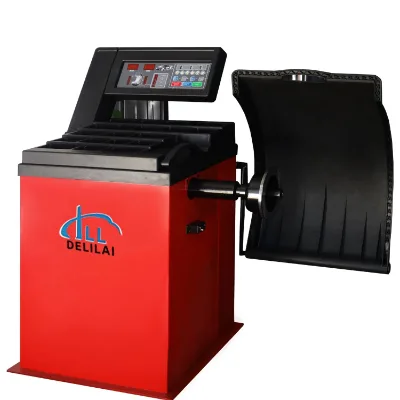


High Quality Tire Balancer 10'-28' Truck and Bus Wheel Balancing Machine
$771.00 - $1003.00
MOQ: 1 Pieces


Precision Tyre Balancing Machine / Wheel Balancing And Wheel Alignment Machine
$1700.00 - $1900.00
MOQ: 1 set

Comprehensive Sourcing Guide
Strategic Sourcing Guide for Truck Transmission Shaft Balancing Machines
The global automotive supply chain relies heavily on the precision of truck transmission shafts, where even minor imbalances can lead to catastrophic mechanical failure, excessive vibration, and reduced operational lifespan. For procurement professionals, sourcing a dedicated balancing machine is not merely a capital expenditure decision but a critical investment in quality assurance and production efficiency. The market offers a diverse array of dynamic balancers, ranging from compact units to large-scale automated systems. This guide synthesizes available product attributes and industry standards to provide a disciplined framework for evaluating potential suppliers and specifications for truck transmission shaft balancing machines.
Technical Specifications and Operational Capabilities
When evaluating a balancing machine for truck transmission shafts, the primary focus must be on the machine's capacity to handle the specific mass and dimensions of the workpiece. Truck shafts are generally heavier and longer than automotive passenger car components, necessitating robust machinery. Based on observed market data, the mass scope of workpieces for these machines typically ranges up to 1000kg, with specific high-capacity models capable of handling shafts weighing up to 2000kg. Procurement teams must verify that the selected unit's maximum weight capacity exceeds the heaviest shaft in their production line to prevent mechanical stress and ensure measurement accuracy.
The physical dimensions of the machine are equally critical. Standard configurations often feature a length of approximately 3600 mm, a width of 600 mm, and a height of 1300 mm. However, these dimensions can vary based on the specific model, such as the YYH, YYQ-50A, or PHCW-100/200 series. Buyers should also consider the maximum rim diameter and width capabilities, which in some observed configurations reach 1000mm and 400mm respectively. The loading method is predominantly dynamic, utilizing electronic load systems to simulate real-world operating conditions. The power source is typically AC220V, though some high-output models may feature variable-frequency drives with output powers around 7.5kW.
The control system is a defining feature of modern balancing machines. The majority of high-performance units operate under computer control, ensuring precise data acquisition and automated correction. This "Control: Computer Control" capability allows for the execution of complex balancing algorithms, reducing human error and increasing throughput. The accuracy grade is generally tied to this computer control system, which manages the dynamic balancing process to meet stringent industry tolerances.
Compliance, Certification, and Regulatory Standards
In the B2B industrial sector, compliance is non-negotiable. A sourcing guide for balancing machines must prioritize verification of certifications that validate safety, quality, and environmental standards. The observed market data indicates that reputable suppliers often provide machines certified under CE (Conformité Européenne), CCC (China Compulsory Certification), and Soncap standards. These certifications are essential for ensuring the machine meets electrical safety requirements and operational standards in various global markets.
Furthermore, quality management systems play a pivotal role in supplier selection. Many manufacturers adhere to ISO standards, with specific references to ISO, CE, and SGS (Société Générale de Surveillance) in product documentation. Some advanced models also carry CNAS (China National Accreditation Service for Conformity Assessment) accreditation. Buyers must explicitly request certification documents for the specific model they intend to purchase, as certification status can vary between different product lines even within the same manufacturer. The standard "motor balancing machine" designation often implies adherence to specific industry norms, but the exact standard (e.g., ISO 1940 for balance quality) should be verified against the machine's technical datasheet rather than assumed.
Cost Drivers and Economic Considerations
The price range for truck transmission shaft balancing machines is highly variable, reflecting differences in capacity, automation levels, and brand reputation. Market observations show a wide spectrum, with prices ranging from $1 to $1,500,000 USD. This broad range underscores the importance of defining precise requirements before engaging with suppliers. Lower-cost units may be suitable for smaller workshops or lower-volume production, while high-end, fully automated systems with advanced computer control and higher weight capacities command premium pricing.
Several factors drive the cost of these machines. First, the maximum capacity is a primary cost driver; units capable of handling 2000kg shafts are significantly more expensive than those limited to 1000kg. Second, the level of customization available influences the final price. Many suppliers offer OEM and ODM support, allowing for tailored solutions that can increase the initial investment but provide long-term value through optimized workflows. Third, the packaging and shipping requirements contribute to the total cost of ownership. Machines are typically packed in fumigated wooden boxes or plywood crates to ensure safe transit, with gross weights often around 1200kg. These heavy, specialized packaging requirements can impact logistics costs and delivery timelines.
Typical Applications and Workpiece Compatibility
Truck transmission shaft balancing machines are designed for specific industrial applications where rotational balance is critical for performance. The primary usage is identified as "Dynamic Balancer," making them ideal for the final quality control stage of shaft manufacturing. These machines are particularly suited for balancing shafts used in heavy-duty trucks, where the rotational speeds and loads are significantly higher than in passenger vehicles.
The compatibility of the machine with different shaft types is a key consideration. The observed "Mass Scope of Workpiece" suggests these units are versatile enough to handle a wide range of shaft sizes, from lighter components to heavy-duty industrial shafts. The "Maximum weight of shaft" capability of up to 2000kg indicates that these machines can accommodate the largest transmission shafts found in commercial trucking fleets. Additionally, the "Max. Rim Diameter" and "Max. Rim Width" specifications ensure that the machine can handle shafts with varying geometries, including those with large flanges or complex hub structures.
Supplier Evaluation and Customization Support
Selecting the right supplier involves more than just comparing technical specifications; it requires assessing their ability to support long-term operations. A critical attribute to evaluate is "Customized Support." The market data confirms that suppliers in this sector frequently offer OEM (Original Equipment Manufacturer) and ODM (Original Design Manufacturer) services. This flexibility allows buyers to integrate the balancing machine into their existing production lines with minimal disruption.
When evaluating suppliers, buyers should also consider the "Place of Origin." The majority of the observed products originate from China, specifically from regions like Shandong and Shanghai. These regions have established manufacturing ecosystems for industrial machinery, offering a competitive advantage in terms of supply chain efficiency and cost. However, buyers must verify the specific factory location and production capabilities to ensure quality consistency.
Another vital aspect of supplier evaluation is the "Condition" of the equipment. The market data consistently lists products as "New," indicating that the primary market is for brand-new machinery. Buyers should be wary of used or refurbished units unless they have a specific need for cost reduction and can verify the machine's history and remaining lifespan. The "Delivery Detail" of "Within 20 Days After Confirming The Order" suggests a relatively quick turnaround time for standard models, which is beneficial for minimizing production downtime.
Quality Control and Packaging Standards
Quality control extends beyond the machine's performance to its packaging and handling. The "Packaging Details" observed in the market include "Plywood Box," "Fumigated Wood Box," and "Standard Export Wooden Box." These packaging methods are designed to protect the machine during international shipping, particularly given the "Gross Weight" of approximately 1200kg. The use of fumigated wood is a standard requirement for international logistics to prevent the spread of pests, ensuring compliance with phytosanitary regulations.
Buyers should also verify the "Protection Class" of the machine, which is often listed as IP55. This rating indicates that the machine is protected against dust and low-pressure water jets, making it suitable for industrial environments where dust and occasional cleaning are common. The "Condition" being listed as "New" further reinforces the expectation of high-quality, defect-free equipment upon delivery.
Long-Term Procurement Considerations
Sourcing a balancing machine is a long-term commitment that requires careful planning for maintenance, support, and scalability. The "Weight" of the machine itself, ranging from 0-100kg for smaller units to 100-500kg for larger models, impacts the installation requirements, including floor reinforcement and space allocation. Buyers must ensure their facility can support the physical weight and dimensions of the selected unit.
Furthermore, the "Lead Time" and "Delivery Detail" are crucial for production planning. With a typical delivery window of 20 days after order confirmation, buyers should factor this into their production schedules. The "Output Power" and "Power Source" specifications also have long-term implications for energy consumption and electrical infrastructure requirements.
Finally, the "Accuracy Grade" and "Control" system determine the machine's ability to adapt to future production needs. As truck transmission shaft designs evolve, the flexibility of the computer control system will be essential for maintaining high-quality standards. Buyers should prioritize suppliers who offer robust software support and the ability to update balancing algorithms as industry standards change.
Summary of Key Specifications
To assist in the decision-making process, the following table summarizes the key technical and operational attributes observed in the market for truck transmission shaft balancing machines:
| Attribute Category | Observed Specifications | Notes for Verification |
|---|---|---|
| Product Type | Balancing Machine, Dynamic Balancer | Confirm specific model (e.g., YYH, YYQ-50A) |
| Workpiece Capacity | 1000kg to 2000kg | Verify max weight of shaft for your specific needs |
| Dimensions | Length: 3600mm, Width: 600mm, Height: 1300mm | Check space requirements in your facility |
| Control System | Computer Control | Essential for precision and automation |
| Power Source | AC220V, Electric | Ensure facility electrical compatibility |
| Certifications | CE, CCC, Soncap, ISO, SGS, CNAS | Request valid certificates for specific models |
| Packaging | Fumigated Wood Box, Plywood Box | Verify export compliance and protection standards |
| Origin | Shandong, China; Shanghai, China | Confirm factory location and logistics capabilities |
| Delivery Time | Within 20 Days after order confirmation | Plan production schedule accordingly |
| Customization | OEM, ODM Available | Discuss specific integration needs with supplier |
By adhering to these guidelines and rigorously verifying the provided specifications against actual supplier data, procurement professionals can secure high-quality balancing machines that enhance production efficiency and ensure the reliability of truck transmission shafts. The focus must remain on evidence-based decision-making, avoiding assumptions about performance or compliance, and prioritizing the specific needs of the truck manufacturing sector.
FAQs
What is the maximum weight capacity for truck transmission shaft balancing machines?
These machines typically handle workpieces up to 1000kg, with specific high-capacity models supporting shafts weighing up to 2000kg. Buyers must verify that the selected unit exceeds their heaviest shaft weight to ensure accuracy and prevent mechanical stress.
Which certifications should I look for in a balancing machine supplier?
Reputable suppliers often provide machines certified under CE, CCC, and Soncap standards for safety and operational compliance. Many also adhere to ISO standards, with some advanced models carrying SGS and CNAS accreditation for quality assurance.
How long is the delivery time for these balancing machines after ordering?
The standard delivery detail is within 20 days after confirming the order. This timeline applies to standard models, though custom configurations may require additional time depending on the specific OEM or ODM requirements.
Can I get custom support for truck transmission shaft balancing machines?
Yes, suppliers frequently offer OEM and ODM customized support to tailor the machine to your production line. This flexibility allows for specific adjustments in control systems and dimensions to meet unique operational needs.
What are the standard packaging details for shipping these machines?
Machines are typically packed in fumigated wood boxes, plywood boxes, or standard export wooden crates to ensure safe transit. This packaging is essential for protecting the equipment, which often has a gross weight around 1200kg.
Where are these balancing machines typically manufactured?
The majority of observed products originate from China, specifically from regions like Shandong and Shanghai. These locations have established manufacturing ecosystems for industrial machinery, offering competitive supply chain efficiency.