Source Truck Torque Rubber Core for Heavy Duty Applications
Find and compare 30 Truck Torque Rubber Core options from verified Chinese suppliers. Evaluate specifications like material, model numbers, and OEM support to select the right replacement parts for dump trucks and heavy vehicles; compare the available evidence and request quotations based on your requirements.
Key considerations
Products List

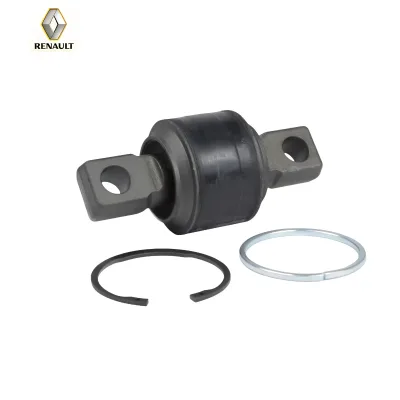
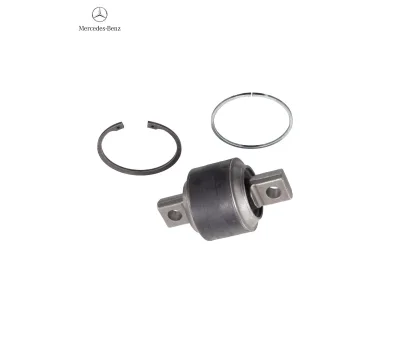


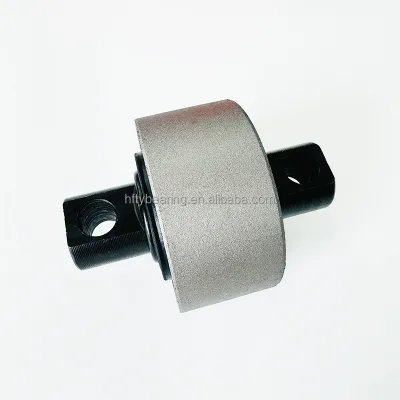
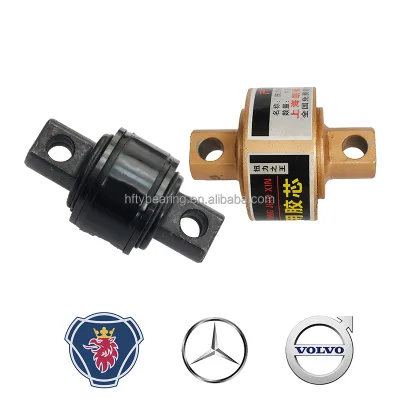
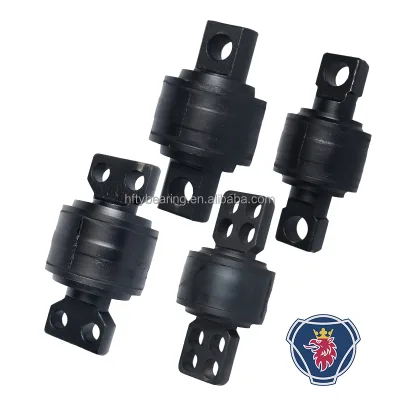
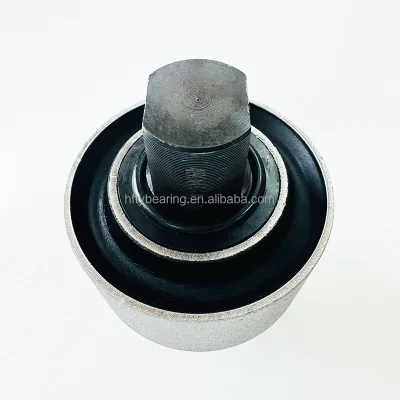
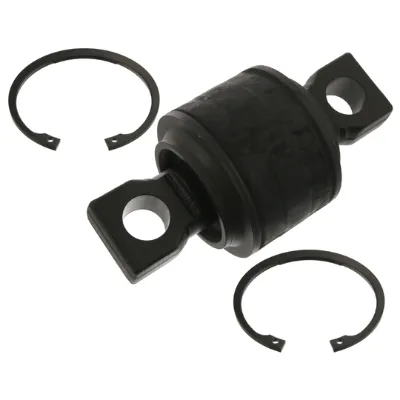


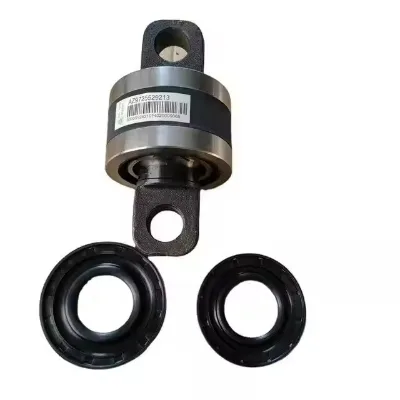
371 Dump Truck spare parts az9725529213 thrust rod howo torque rod core
$5.00 - $45.00
MOQ: 100 pieces


Comprehensive Sourcing Guide
Truck Torque Rubber Core Sourcing Guide
Procuring a Truck Torque Rubber Core requires careful attention to material composition and structural integrity, as the supplied data indicates a mix of steel and rubber components in available listings. Buyers must verify that the specific unit matches the intended application, whether it is a replacement for heavy-duty dump trucks or a repair part for Japanese heavy trucks like Hino or Nissan models. The observed listings show variations in core types, including torque rubber cores and ball joints, which necessitates a precise match to the vehicle's suspension or drivetrain requirements to ensure operational safety.
Commercial terms and logistics play a critical role in the final acquisition cost, with observed delivery times ranging from three to five days for some suppliers while others may have different lead times. The supply chain often originates from specific Chinese provinces such as Shandong and Hebei, influencing shipping methods like ocean freight or air courier services including DHL and FedEx. Buyers should confirm whether the product arrives in natural packaging, wooden boxes, or standard cartons, as this affects handling costs and the risk of damage during transit to the final destination.
Product Scope and Observed Listing Signals
The market for truck torque rubber cores presents a diverse range of specifications, with observed model numbers like AZ9725529213 and NG SK indicating distinct product lines that serve different vehicle architectures. Listings frequently highlight the condition as new and the purpose as replacement or repair, yet the material composition varies between steel and rubber, requiring buyers to cross-reference the specific component needs of their fleet. Some products are described with a grey color and open type structure, while others feature direct-flow radiator cores or specific body materials like aluminium, suggesting a broad scope that extends beyond simple rubber bushings.
Observations of selling units as single items contrast with minimum order quantities that can reach up to 5000 pieces, creating a complex procurement landscape for small and large fleets alike. The presence of OEM support and customization availability suggests that suppliers can adapt products to specific customer needs, but the standard size and standard size variations imply that off-the-shelf compatibility is not guaranteed for all truck models. Buyers must scrutinize the listed vehicle compatibility, such as dump trucks or Japanese heavy trucks, to ensure the torque rubber core fits the specific chassis and suspension geometry of their equipment.
Technical Specifications to Verify
Technical verification begins with confirming the model number and size, as listings show specific identifiers like 8557 and 49305--1110 1-51519-037-1 that correspond to unique truck configurations. The installation position is a critical differentiator, with some components designated for the front and others for the rear, meaning a mismatch could lead to premature failure or unsafe driving conditions. Buyers should also check the structure type, noting that open type designs may require different maintenance protocols compared to sealed alternatives, and verify the core type, such as bar and plate configurations, to ensure thermal and mechanical performance matches the vehicle's demands.
Material properties and cooling requirements are equally vital, especially when the product involves complex assemblies like radiators or fluid-cooled systems where alcohol is listed as a cooling fluid type. The water temperature sensor type, described as digital in some listings, must be compatible with the truck's existing electronic monitoring systems to prevent false readings or system failures. Additionally, the body material, often aluminium in radiator contexts, must be evaluated for corrosion resistance and weight, while the standard size and standard size variations must align with the physical dimensions of the mounting points on the specific truck model being serviced.
Compliance and Safety Documentation
Safety and compliance are paramount when sourcing truck components, and buyers should look for certifications such as ISO9001 which indicate a structured quality management system within the manufacturing facility. While some listings mention ISOCold Style or specific cooling fluid types, these attributes must be backed by verifiable test results and safety data sheets to ensure the product meets international safety standards for heavy-duty vehicles. The absence of explicit certification details in some entries requires buyers to request documentation directly from the supplier to confirm that the torque rubber core and associated parts have undergone rigorous safety testing.
Quality assurance processes, including the claim of original product status and tested quality, should be validated through third-party inspection reports or factory audit records. The payment terms, which include options like TT, PayPal, Western Union, and Trade Assurance, offer varying levels of financial protection, but these do not replace the need for physical quality verification upon delivery. Buyers must ensure that the supplier provides clear after-sales support, such as online assistance, to address any compliance issues or performance discrepancies that arise after the product has been installed in the truck.
Cost Drivers and Commercial Terms
Cost drivers in this sector are heavily influenced by the minimum order quantity, which ranges from a single piece to 5000 units, significantly impacting the unit price and overall budget allocation. The observed price range of 0.2 to 300 USD reflects the diversity of products, from simple rubber cores to complex assemblies with aluminium bodies and digital sensors, requiring buyers to budget accordingly for the specific component complexity. Shipping costs, determined by the chosen method such as ocean freight or courier services like UPS and FedEx, add a variable layer to the total landed cost that must be factored into the procurement decision.
Commercial terms also include the delivery time, with some suppliers offering a rapid three to five-day turnaround, while others may have longer lead times depending on customization needs. The packing method, whether natural packaging, wooden boxes, or standard cartons, affects both the cost and the risk of damage, with heavier or more fragile items often requiring more robust and expensive packaging solutions. Buyers should negotiate payment terms that align with their cash flow, utilizing trade assurance or other secure methods to mitigate financial risk while ensuring the supplier meets the agreed-upon delivery schedule and quality standards.
Supplier Qualification and Quality Control
Supplier qualification requires a thorough review of the place of origin, with listings indicating production in Shandong and Hebei, China, regions known for their manufacturing capabilities but varying in quality control rigor. Buyers should verify the supplier's ability to provide customization and support for specific model numbers, ensuring they have the technical expertise to produce torque rubber cores that meet the exact specifications of the truck fleet. The presence of OEM support and the ability to produce standard or custom sizes are key indicators of a supplier's flexibility and capacity to handle diverse procurement needs.
Quality control measures must be explicitly defined, with suppliers expected to provide evidence of testing and original product status to guarantee the integrity of the torque rubber core. The condition of the product, listed as new, should be confirmed through visual inspection or video verification before shipment to prevent the receipt of refurbished or damaged goods. Buyers should also assess the supplier's after-sales service capabilities, such as online support, to ensure they can provide timely assistance if any quality issues arise during the installation or operation of the components.
Long-Term Procurement Checks
Long-term procurement success depends on establishing a reliable supply chain that can consistently deliver torque rubber cores that meet the evolving needs of the truck fleet. Buyers should monitor the supplier's ability to maintain consistent quality over time, particularly when dealing with high-volume orders or customized specifications that may change as truck models are updated or replaced. Regular audits of the supplier's production processes and quality control systems are essential to ensure that the products continue to meet the required standards and performance expectations.
Performance tracking of the installed components is crucial for identifying any recurring issues or areas for improvement in the procurement strategy. Buyers should maintain detailed records of the model numbers, installation positions, and performance data to facilitate future ordering and troubleshooting. By leveraging the supplier's customization capabilities and after-sales support, buyers can optimize their inventory levels and reduce downtime, ensuring that the truck fleet remains operational and efficient over the long term.
FAQs
What is the material composition of the Truck Torque Rubber Core?
The Truck Torque Rubber Core is constructed from a combination of steel and rubber materials. This dual-material design ensures structural integrity while providing the necessary flexibility for torque transmission. The steel components offer durability, while the rubber elements absorb vibrations and shocks during heavy-duty truck operations.
Can I customize the specifications for this torque rubber core?
Yes, customization is available for this product to meet specific vehicle requirements. Buyers can request tailored dimensions or material blends to fit particular truck models. This flexibility ensures that the torque rubber core integrates seamlessly with existing suspension systems, enhancing performance and longevity for specialized heavy-duty applications.
What is the typical delivery time for this truck part?
The typical delivery time for this Truck Torque Rubber Core is 3-5 days. This rapid turnaround supports urgent repair needs and minimizes vehicle downtime. Buyers should confirm stock availability with the supplier to ensure this timeline is met, especially for bulk orders or specific customization requests that may require additional processing.
Which certifications does this torque rubber core product hold?
This product holds ISO9001 certification, indicating adherence to international quality management standards. Additionally, some listings reference ISO standards, ensuring consistent manufacturing processes. These certifications provide buyers with confidence in the product's reliability and quality, making it suitable for replacement and repair tasks in commercial trucking fleets.
What is the minimum order quantity for this rubber core?
The minimum order quantity varies, with some listings accepting just 1 piece while others require 10 pieces. This flexibility allows buyers to purchase single units for immediate repairs or larger batches for inventory stocking. Buyers should check specific supplier terms to determine the exact MOQ applicable to their order size and needs.
Where is this Truck Torque Rubber Core manufactured?
This product is manufactured in China, with specific origins noted in Shandong and Hebei provinces. These regions are known for their robust automotive parts manufacturing capabilities. Buyers can expect products that meet international standards while benefiting from the cost-effective production environment typical of these Chinese industrial hubs.