Source Truck Transmission Gearbox for Heavy Duty, Repair, and Retrofit
Find 30 listings for Truck Transmission Gearbox components suitable for heavy duty trucks, repair operations, and retrofit projects. Buyers can compare specifications including OEM support, ISO9001 certification, and delivery times ranging from 7 to 15 days.
Key considerations
Products List


Automated Manual Transmission Powershift Drive-Train System Gearbox
$1000.00 - $12000.00
MOQ: 1 Pieces

Underground Mining Truck Gearbox Power Shift Transmission with High Performance
$1000.00 - $12000.00
MOQ: 1 Pieces


Front End Loader Drive-Train Transmission Assembly Power Shift Gearbox
$1000.00 - $12000.00
MOQ: 1 Pieces

Front Loader Transmission Assembly China High-Quality Drivetrain System Gearbox
$1000.00 - $12000.00
MOQ: 1 Pieces


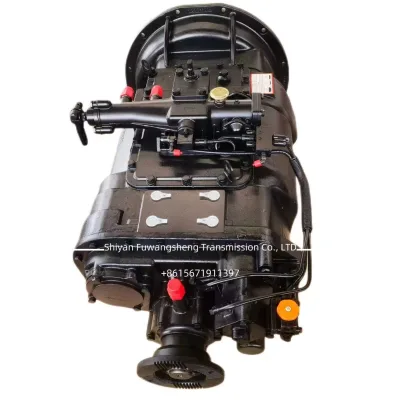


Gearbox OEM Transmission Gear Truck Differential Kits with ISO9001 Certification
$0.38 - $2.60
MOQ: 10 Pieces

Gear Shaft Transmission Gear Truck Differential Kits with ISO9001 Certification
$0.38 - $2.60
MOQ: 10 Pieces


Comprehensive Sourcing Guide
Strategic Sourcing Guide for Truck Transmission Gearboxes
Understanding Technical Specifications and Core Attributes
When sourcing a Truck Transmission Gearbox, the primary objective is to align the mechanical specifications of the component with the operational demands of the heavy-duty vehicle. The supply market for these critical drivetrain components is characterized by a diverse range of configurations, each designed to meet specific performance thresholds. Based on current market observations, a robust gearbox for heavy-duty applications typically features a four-cylinder engine configuration paired with a displacement greater than 4.0 liters. This combination suggests a design intended for high-torque scenarios, such as those found in heavy-duty trucks where sustained load-bearing capacity is essential.
The physical dimensions of the unit are a critical factor in compatibility. Sourcing data indicates that standard models may adhere to specific dimensional profiles, such as a size of 1500mm in length, 817mm in width, and 1094mm in height. However, buyers must also be aware that "customized" standards exist within the supply chain, meaning that off-the-shelf dimensions may not apply to every unit. The classification of the gearbox often aligns with specific model series, such as the 16jsd200ta or general HOWO series, which implies a need for precise model matching to ensure fitment. Furthermore, the body material is frequently identified as aluminium, offering a balance between structural integrity and weight reduction, while other components may utilize steel for durability. The cooling system is another vital technical attribute; observed units often employ a water-cooled design to manage thermal loads during extended operation, ensuring consistent performance under heavy stress.
Compliance, Certification, and Quality Standards
In the global procurement of automotive parts, verifying compliance with international standards is non-negotiable. The supply landscape for truck gearboxes demonstrates a strong adherence to the ISO9001 certification framework. This certification indicates that the manufacturing processes of the supplier are subject to rigorous quality management systems, ensuring consistency in production and reliability in the final product. Buyers should explicitly request proof of this certification before finalizing any purchase, as it serves as a baseline indicator of manufacturing maturity.
Beyond general quality management, specific product standards must be verified against the intended application. While some market listings reference a standard of 450kg, this likely pertains to specific load-bearing or testing criteria rather than a universal weight limit for the entire assembly. Similarly, emission standards are a crucial compliance area, with observations noting compliance with Euro standards for inline engine types. However, the exact Euro level (e.g., Euro 4, Euro 5, or Euro 6) varies by region and model year. Procurement teams must not assume a specific emission tier based on general listings but must verify the exact emission standard against the regulatory requirements of the destination market. Additionally, the surface treatment of the gearbox components often includes polishing and passivation processes, which are essential for corrosion resistance and longevity, particularly in harsh operating environments.
Cost Drivers and Pricing Dynamics
The pricing structure for truck transmission gearboxes is influenced by a complex interplay of factors, including customization levels, material costs, and order volume. The observed market price range is exceptionally broad, spanning from approximately $0.38 to $14,000 USD. This vast disparity highlights the difference between individual small components, accessories, or refurbished units versus complete, high-performance transmission assemblies. Buyers must be cautious not to equate a low unit price with a complete gearbox solution; a price at the lower end of this spectrum may represent a single part or a component rather than the full transmission unit.
Several key variables drive the final cost. First, the level of customization plays a significant role. Suppliers offering OEM (Original Equipment Manufacturer) and ODM (Original Design Manufacturer) support typically command higher prices due to the engineering and tooling investments required. Second, the condition of the product is a primary cost determinant. New units, which are the standard for most heavy-duty replacements, generally carry a premium over refurbished or used parts, although the latter may be available for specific retrofit projects. Third, the MOQ (Minimum Order Quantity) impacts the unit price. While some suppliers offer an MOQ of just one piece, facilitating small-scale procurement, larger orders often benefit from economies of scale. Finally, the origin of the product, specifically from regions like Shandong, China, influences logistics costs and tariff structures, which are often factored into the final landed cost.
Typical Applications and Market Distribution
Truck transmission gearboxes are designed for a wide array of heavy-duty applications, with the primary use case being heavy-duty trucks. The versatility of these components allows them to be integrated into various vehicle classes, including cars, machinery, and even railway systems, depending on the specific model and customization. The intended purpose of these gearboxes often extends beyond simple replacement; they are frequently utilized for retrofitting and upgrading existing fleets to improve efficiency or meet new performance standards.
The global market for these components is extensive, with major distribution channels covering the Middle East, South America, North America, Eastern and Western Europe, Eastern Asia, Southeast Asia, and Africa. This widespread availability suggests a mature supply chain capable of serving diverse regional needs. The "Main Market" designation often points to specific regions, such as the Middle East or Worldwide distribution, indicating that suppliers are equipped to handle international logistics. The stock availability is another critical factor; many suppliers maintain inventory with "in stock" status, allowing for immediate dispatch. This is particularly beneficial for fleet managers who cannot afford prolonged downtime. The delivery time for these units typically ranges from 7 to 15 days, a standard lead time that balances production scheduling with shipping logistics.
Supplier Evaluation and Service Capabilities
Selecting the right supplier requires a thorough evaluation of their service capabilities and technical support infrastructure. A high-confidence attribute in the current market is the availability of 24-hour full technical support and 24-hour online service. This level of responsiveness is crucial for resolving technical issues quickly, minimizing vehicle downtime, and ensuring that the installation and operation of the gearbox are successful. Buyers should prioritize suppliers who explicitly offer these support channels, as they indicate a commitment to customer satisfaction and long-term partnership.
Warranty terms are another vital metric for supplier evaluation. A standard warranty period of 12 months is commonly observed, providing buyers with a defined period of protection against manufacturing defects. This warranty, combined with the ISO9001 certification, forms a strong foundation for trust. Additionally, the supplier's ability to handle customization is a key differentiator. The market supports OEM and ODM requests, meaning suppliers can tailor the gearbox to specific vehicle models or performance requirements. Buyers should verify the supplier's capacity to handle these customizations, including the ability to produce parts with specific branding, such as the Yontan brand, or to produce generic units that meet specific OEM specifications. The packaging method, which often includes plastic bags, cartons, and wooden boxes, also reflects the supplier's attention to detail in protecting the product during transit.
Quality Control and Long-Term Procurement Considerations
Ensuring the long-term reliability of truck transmission gearboxes requires a proactive approach to quality control and procurement strategy. The condition of the product is a fundamental quality indicator, with "New" being the standard for most heavy-duty applications. However, buyers must also consider the material composition, such as the use of aluminium for the body and steel for other components, as these materials dictate the durability and resistance to wear and tear. The classification of the gearbox, whether as a disc or drum brake system component, also influences its suitability for specific braking and transmission configurations.
Long-term procurement considerations extend beyond the initial purchase. The availability of after-sales service, including 24-hour technical support, is essential for maintaining the gearbox over its lifecycle. Buyers should also evaluate the supplier's ability to provide spare parts and replacement components, ensuring that the fleet can be maintained efficiently. The purpose of the gearbox, whether for replace/repair or retrofit/upgrade, should be clearly defined to ensure the selected unit meets the specific operational needs of the vehicle. Furthermore, the classification of the product as "High Performance" suggests that these units are designed for demanding environments, but buyers must verify this claim against their specific operational data.
| Evaluation Criteria | Key Attributes to Verify | Importance Level |
|---|---|---|
| Certification | ISO9001 status, Emission Standard compliance | Critical |
| Technical Fit | Model series (e.g., 16jsd200ta), Dimensions, Displacement | Critical |
| Service Support | 24h Technical Support, Warranty (12 Months) | High |
| Customization | OEM/ODM capability, Branding options | Medium |
| Logistics | Lead Time (7-15 Days), Packaging (Wooden Box/Plastic) | Medium |
| Market Fit | Main Market alignment, Stock availability | High |
In conclusion, sourcing a Truck Transmission Gearbox requires a meticulous approach that balances technical specifications, compliance requirements, and supplier capabilities. By focusing on verified attributes such as ISO9001 certification, specific dimensional standards, and robust after-sales support, buyers can secure high-quality components that ensure the reliability and efficiency of their heavy-duty truck fleets. The broad market availability and diverse customization options provide ample opportunities for procurement teams to find solutions that meet their unique operational needs.
FAQs
What certifications do Truck Transmission Gearbox suppliers hold?
Suppliers typically hold ISO9001 certification to ensure quality management. This standard verifies that manufacturing processes meet rigorous consistency and reliability requirements for heavy-duty applications.
How long is the delivery time for these gearboxes?
The standard delivery time ranges from 7 to 15 days. This lead time accounts for production scheduling and shipping logistics, assuming the item is currently in stock.
Can I customize the gearbox with my own brand?
Yes, OEM and ODM customization support is available for buyers. Suppliers can tailor the product to specific vehicle models or performance requirements while accepting acceptable OEM standards.
What is the minimum order quantity for a single unit?
The minimum order quantity can be as low as one piece. This allows for small-scale procurement without requiring large bulk orders to initiate a purchase transaction.
Which markets are the primary destinations for these parts?
The main markets include the Middle East, South America, and North America. Distribution also covers Eastern Europe, Southeast Asia, Africa, and Western Europe for global availability.
What warranty period is provided for new gearboxes?
A standard warranty of 12 months is commonly offered for new units. This protection covers manufacturing defects and ensures reliability for the buyer during the initial operational period.
How is the product packed for international shipping?
Products are packed in plastic bags, cartons, or wooden boxes. This multi-layered packaging ensures the gearbox is protected from damage during transit and handling.
What technical support is available after purchase?
Buyers receive 24-hour full technical support and online service availability. This ensures immediate assistance for installation issues or operational queries to minimize vehicle downtime.