Source Truck Torque Arm Bushing for Volvo, Audi, Toyota
Compare 30 listings for Truck Torque Arm Bushing from verified Chinese manufacturers. Buyers can evaluate customization options, material compliance, and lead times for applications in Volvo, Audi, and Toyota vehicles.
Key considerations
Products List


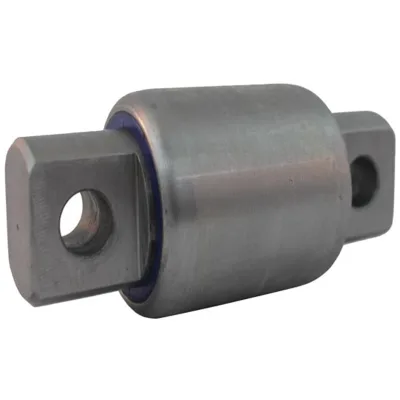


Bulgaria Lithuania Nigeria Man Truck Parts Rubber Bush Suspension Arm Mounting
$4.95 - $8.95
MOQ: 300 Pieces


Comprehensive Sourcing Guide
Strategic Sourcing Guide for Truck Torque Arm Bushings
Understanding the Technical Landscape of Torque Arm Bushings
When sourcing components for heavy-duty truck applications, the torque arm bushing serves as a critical interface between the vehicle's suspension system and the chassis. This component is designed to absorb vibrations, accommodate minor misalignments, and maintain the precise geometry of the suspension under load. The core product category often referenced in procurement databases includes items labeled as "Arm Bushing," "Control Arm Rubber Bushing," and "Control Arms Loaded with Control Arm Bushings." These variations indicate that buyers may encounter both standalone rubber elements and pre-assembled units depending on the specific supply chain configuration.
The material composition is a primary technical differentiator. High-performance bushings typically utilize rubber compounds that must meet rigorous industry benchmarks. In the observed market data, specific products are noted to meet ASTM D2000 standards, a widely recognized specification for rubber materials used in automotive applications. This standard covers the classification of rubber materials based on their physical properties, ensuring the material can withstand the dynamic stresses of truck operation. Furthermore, environmental compliance is increasingly vital; suppliers often indicate that their compounds can be compliant with RoHS and Reach regulations, which restrict the use of hazardous substances in automotive manufacturing.
The physical dimensions and hardness of the bushing are equally critical. While some listings suggest a "Standard" size, the market also supports "Customize Size" options, reflecting the diverse nature of truck models and suspension designs. Hardness is a measurable attribute that dictates the bushing's ability to dampen shock versus its stiffness under load. Observed data indicates a hardness range from 20 to 90 Shore A. This wide spectrum allows procurement specialists to select a durometer that matches the specific load requirements of the truck's rear or front suspension positions. The "Position" attribute is frequently specified as either "Front" or "Rear," which directly influences the load profile the bushing must endure.
Compliance and Certification Verification Protocols
In the B2B automotive sector, verifying the legitimacy of a supplier's certifications is not merely a formality but a risk mitigation strategy. The supply chain for truck parts is heavily regulated, and documentation serves as the primary evidence of quality assurance. Buyers should prioritize suppliers who can provide valid documentation for ISO 9001 certification. This standard represents a globally recognized framework for quality management systems, ensuring that the manufacturing process is consistent and capable of producing defect-free components.
Beyond general quality management, specific automotive certifications are essential. The data indicates the presence of "ISOOEM:Yes" and "ISOMaterial:Stainless Steel" attributes, suggesting that some suppliers offer Original Equipment Manufacturer (OEM) compliance. This implies that the parts are manufactured to the exact specifications of the truck brand, such as Volvo, Audi, Toyota, BMW, or Benz. However, buyers must exercise caution when interpreting these claims. While the "OEM: Yes" attribute suggests compatibility, it does not automatically guarantee that the part is an authorized replacement from the original manufacturer. It often signifies that the part is designed to fit and function as an OEM equivalent.
Environmental and material safety certifications are also non-negotiable for modern fleets. The mention of RoHS and Reach compliance in the product attributes highlights the need for suppliers to adhere to international environmental directives. Buyers should request specific test reports or certificates of conformity that verify the rubber compound does not contain restricted substances. Additionally, the "Standard" designation for product standards, such as "111" or general "Customization" standards, requires clarification. Buyers should not assume these codes represent a specific international standard without explicit definition from the supplier. Instead, the procurement team should verify if the "Standard" refers to a specific ISO, SAE, or DIN standard relevant to the truck's origin market.
Cost Drivers and Pricing Dynamics in the Market
The pricing structure for truck torque arm bushings is influenced by a complex interplay of factors, including material costs, customization levels, and order volume. The observed price range in the market spans from $0.01 to $11.90 USD. This significant variance is not indicative of a single product type but rather reflects the difference between a standalone rubber insert and a fully assembled control arm unit. A standalone bushing, often described with attributes like "Single Item" selling units, will naturally command a lower price point compared to a "Control Arms Loaded with Control Arm Bushings" assembly.
Order Volume is a primary driver of unit cost. The Minimum Order Quantity (MOQ) ranges from 1 to 1000 units. Suppliers offering an MOQ of 1 are typically catering to sample procurement or emergency replacement needs, which carries a premium per-unit cost. Conversely, orders approaching the 1000-unit threshold often unlock economies of scale, reducing the per-unit price significantly. Buyers should note that the "Single Gross Weight" of a typical item is approximately 0.200 Kg. This low weight suggests that shipping costs are a minor component of the total landed cost compared to the material and manufacturing value, but volume shipping discounts may still apply for bulk orders.
Customization is another major cost factor. While "Standard" sizes are available, the "Customize Size" and "Customization" attributes indicate that bespoke manufacturing is a service offered by many suppliers. Custom molds, unique hardness requirements, and specific color requests (such as "Black" or "as Per Request") incur additional tooling and setup costs. The "Neutral Packing" or "PE Bag, Carton" options are standard, but specialized packaging like "Wooden & Rubber Bushing" or "Pallet" configurations for bulk transport may add to the overall expense. Buyers must balance the need for specific technical requirements against the budget constraints, understanding that high-volume, standard-specification orders will yield the most competitive pricing.
Typical Applications and Vehicle Compatibility
The torque arm bushing is a versatile component found across a wide spectrum of commercial and heavy-duty vehicles. The observed "Suitable for Car Brands" list includes major manufacturers such as Volvo, Audi, Toyota, BMW, and Benz. While these brands are often associated with passenger vehicles, their commercial truck divisions also utilize similar suspension architectures. The "Truck Parts" model designation confirms the component's relevance to the heavy-duty sector.
The application is further defined by the suspension position. The data distinguishes between "Front" and "Rear" positions. Front suspension bushings are typically subjected to higher steering forces and dynamic loads during braking and acceleration. Rear bushings, often associated with the torque arm function, manage the longitudinal forces generated by the drivetrain and the weight of the cargo. The "Position" attribute is a critical filter for buyers; a bushing designed for the front axle may not be suitable for the rear due to differences in load vectors and mounting geometry.
Furthermore, the "Control Arm" type designation suggests that these bushings are integral to the control arm assembly, which connects the wheel hub to the vehicle frame. In many truck designs, the torque arm is a specific type of control arm that prevents the axle from rotating under torque. The "Smooth Surface with Small Parting Line" advantage noted in the product attributes is particularly relevant for these applications, as it ensures a clean seal between the rubber and the metal sleeve, preventing fluid ingress and premature wear. Buyers should verify that the specific bushing matches the exact suspension geometry of their truck fleet, as even minor deviations in the "Standard" or "Custom" dimensions can lead to alignment issues and accelerated tire wear.
Supplier Evaluation and Operational Capabilities
Selecting the right supplier requires a deep dive into their operational capabilities and service offerings. The "Online Service" and "Online Support" attributes indicate that the supplier provides digital channels for communication and technical assistance, which is crucial for resolving procurement issues quickly. However, the physical location of the supplier is equally important. The data points to origins in "Fujian, China" and "Ningbo," both of which are major manufacturing hubs in China. These regions are known for their robust supply chains and expertise in rubber and metal processing.
The "Lead Time" is a critical metric for supply chain planning. The observed data specifies "8 Days for Sample" and "12~18 Days for Mass Production." These timelines are relatively short, suggesting efficient production workflows. However, buyers must account for potential variables such as raw material availability and shipping logistics. The "Processing Service" is listed as "Moulding," which is the primary manufacturing method for rubber bushings. Buyers should verify the supplier's capacity to handle the required volume within the stated lead time, especially during peak seasons.
Quality assurance is another pillar of supplier evaluation. The "High Quality" attribute is a common claim, but it must be substantiated by the supplier's internal processes. The "Warranty" of "10,000 Km or 1 Year" provides a baseline expectation for product longevity. Buyers should inquire about the specific terms of this warranty, including what constitutes a failure and the process for claims. Additionally, the "Brand Name" (e.g., "BS") may indicate a private label or a specific manufacturer identity. While the brand name is present, buyers should focus on the underlying manufacturing standards rather than the brand itself, as the same factory may produce parts under different brand names for different clients.
Quality Control and Long-Term Procurement Strategy
Ensuring the long-term reliability of torque arm bushings requires a robust quality control strategy. The "Advantage" of a "Smooth Surface with Small Parting Line" is a visual indicator of good molding practices, but it should be complemented by physical testing. Buyers should request samples that undergo hardness testing to verify the 20-90 Shore A range and dimensional checks to ensure the "Standard" or "Custom" sizes are within tolerance. The "Compound Material" meeting ASTM D2000 is a strong starting point, but batch-to-batch consistency is essential.
For long-term procurement, establishing a relationship with a supplier that offers "Customization" is advantageous. As truck fleets age or models change, the need for non-standard bushings may arise. A supplier capable of "Moulding" custom designs can adapt to these needs without the buyer having to switch vendors. The "Neutral Packing" and "PE Bag, Carton" options offer flexibility in logistics, but for large-scale orders, the "Pallet" option may be more efficient for warehouse handling.
Finally, the "After-Sales Service" of "Online Support" should be leveraged for ongoing technical guidance. Buyers should maintain open communication channels to address any performance issues that arise post-delivery. The "Main Market" being "South America" suggests that the supplier has experience with the specific environmental and road conditions prevalent in that region, which can be a proxy for durability. However, buyers should ensure that the supplier's experience translates to their specific operating environment. By combining technical verification, certification checks, and a clear understanding of cost drivers, procurement teams can secure a reliable supply of torque arm bushings that meet the demanding requirements of modern truck fleets.
FAQs
What certifications do truck torque arm bushings typically have?
Many products carry ISO 9001 certification and meet ASTM D2000 material standards. Some listings also indicate ISOOEM compliance and RoHS or Reach compliance for environmental safety.
How long is the lead time for mass production?
Mass production typically requires 12 to 18 days for completion. Sample orders can be prepared within 8 days to allow for quick evaluation before full-scale manufacturing begins.
Which car brands are compatible with these bushings?
These components are suitable for Volvo, Audi, Toyota, BMW, and Benz vehicles. They are designed to fit specific front or rear suspension positions on these brands.
Can the size and hardness be customized?
Yes, customization is available for size and hardness ranging from 20 to 90 Shore A. Buyers can request specific dimensions and material properties to match their truck requirements.
What is the warranty period for these parts?
The standard warranty covers 10,000 kilometers or one year of use. This warranty ensures the product meets high-quality standards for durability and performance in truck applications.
Where are these truck parts manufactured?
Products originate from manufacturing hubs in Fujian and Ningbo, China. These locations are known for their expertise in rubber processing and automotive component production.