Source Tuya Intelligent Control Fan Light for Bedroom, Living Room, and Study
Explore 30 options for the Tuya Intelligent Control Fan Light, featuring remote and WiFi capabilities. Compare specifications like wattage, beam angle, and smart timer functions to find the right fit for your residential or commercial lighting needs.
Key considerations
Products List


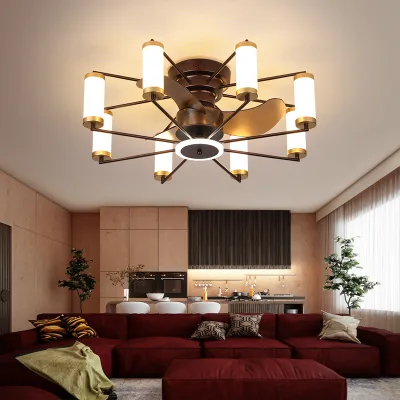
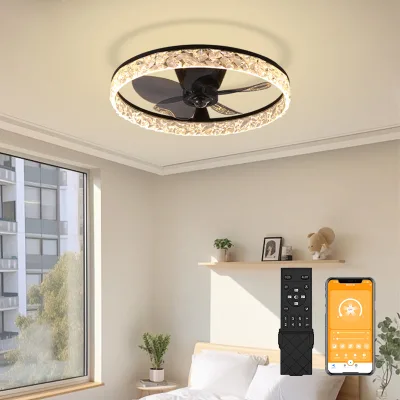
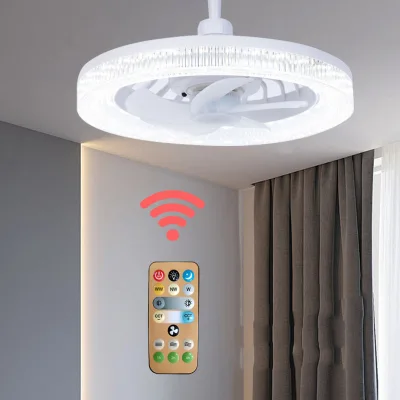


Comprehensive Sourcing Guide
Tuya Intelligent Control Fan Light Sourcing Guide
Sourcing ceiling fans with integrated lighting and smart control capabilities requires a careful balance between mechanical reliability, electrical safety, and digital connectivity. The integration of Tuya-based smart systems allows for remote operation, scheduling, and integration into broader home automation ecosystems, which is a significant value driver for modern residential and commercial projects. Buyers must navigate a market where specifications vary widely, from basic remote-controlled units to fully Wi-Fi-enabled devices that support voice assistants and app-based monitoring. This guide provides a structured approach to evaluating these products, ensuring that procurement decisions are based on verified technical data, compliance standards, and realistic commercial terms.
The following sections outline the critical factors for sourcing these complex hybrid devices. By focusing on observed listing signals, technical verification, compliance documentation, cost structures, supplier qualifications, and long-term checks, buyers can mitigate risks associated with quality inconsistencies and supply chain disruptions. The guidance herein is derived from typical market observations and standard industry practices for smart lighting and ceiling fan products, ensuring that procurement strategies are both practical and defensible.
Product Scope and Observed Listing Signals
The current market for intelligent fan lights presents a diverse range of options, with observed price points ranging from $3 to $131 USD and minimum order quantities (MOQs) varying significantly from 2 to 5,000 units. This wide variance suggests a market segmented by product complexity, material quality, and brand positioning. Lower-priced items often represent basic models with standard remote controls or entry-level smart features, while higher-priced units typically incorporate advanced materials, higher luminous efficiency, and more robust smart home integrations. Buyers should interpret these price ranges as indicative of tiered product lines rather than uniform market averages, requiring careful comparison of specifications across different price brackets.
Observed product attributes highlight a strong emphasis on modern aesthetics and functional versatility. Common frame materials include iron, ABS plastic, and acrylic, with color options predominantly in black and white to suit contemporary interior designs. The light sources are universally LED, offering energy efficiency and longevity, with color temperatures ranging from warm white to cold white. Additionally, many listings indicate customization availability, allowing buyers to tailor shade types, frame colors, and packaging to specific project requirements. The inclusion of features such as timer functions, remote controls, and Tuya WiFi connectivity underscores the shift toward user-centric smart home solutions that prioritize convenience and energy management.
Technical Specifications to Verify
When evaluating technical specifications, buyers must prioritize the verification of electrical parameters and smart connectivity features. Voltage requirements are critical, with observed options including 220V, 110V, 230V, and 240V, necessitating strict alignment with the destination market’s electrical standards. The integration of Tuya smart features requires confirmation of the specific control protocols, such as WiFi compatibility, remote control functionality, and support for third-party voice assistants. Buyers should verify the luminous efficiency, with observed values around 110lm/W, and ensure that the LED wattage, often cited as 36W or 40W, meets the desired brightness levels for the intended application space.
Mechanical and structural specifications also demand close scrutiny to ensure durability and performance. Blade materials, frequently listed as ABS plastic, should be assessed for impact resistance and noise reduction, especially for models featuring invisible or hidden blade designs. The beam angle, typically observed at 60°, influences the lighting distribution and should be matched to the room’s layout and usage patterns. Additionally, the recommended room size, often cited as 10-15 square meters, provides a guideline for airflow coverage, but buyers should verify the actual air delivery rate and speed settings, which are commonly available in 3-speed configurations. Packaging dimensions, such as 505015.5cm or 120mm*110mm, are essential for calculating logistics costs and storage requirements.
Compliance and Safety Documentation
Compliance with international safety and environmental standards is non-negotiable for importing smart fan lights. Observed certifications include RoHS, CE, CCC, CB, and GS, each indicating adherence to specific regional regulations. RoHS compliance ensures that the product is free from hazardous substances, which is crucial for environmental sustainability and market access in many regions. CE marking signifies conformity with health, safety, and environmental protection standards for products sold within the European Economic Area, while CCC certification is mandatory for products sold in China. Buyers must request valid certificates from accredited bodies and verify their authenticity to avoid customs delays or product recalls.
Electrical safety and electromagnetic compatibility (EMC) are also critical areas of compliance. The IP rating, often listed as IP for surface-mounted installations, indicates the degree of protection against solid objects and water, which is vital for ensuring longevity in various indoor environments. Buyers should verify that the product meets relevant EMC standards to prevent interference with other electronic devices, a common concern with WiFi-enabled smart products. Additionally, the use of materials such as copper for internal wiring and ABS for structural components should be confirmed to ensure durability and safety under operational stress. Documentation should include test reports from recognized laboratories to substantiate these compliance claims.
Cost Drivers and Commercial Terms
Understanding the cost drivers for intelligent fan lights involves analyzing material composition, smart technology integration, and packaging requirements. The use of premium materials like acrylic and ABS, along with copper wiring, contributes to higher unit costs but offers improved durability and aesthetic appeal. The integration of Tuya smart modules and WiFi connectivity adds significant value but also increases the complexity of manufacturing and quality control. Buyers should consider the trade-off between initial cost and long-term value, as higher-quality components and robust smart features can reduce maintenance costs and enhance customer satisfaction.
Commercial terms, including MOQs and lead times, play a crucial role in procurement planning. Observed MOQs range from 2 to 5,000 units, allowing flexibility for both small-scale retailers and large distributors. Buyers should negotiate terms that align with their inventory management strategies, considering factors such as storage capacity and cash flow. Packaging options, such as carton packing, color box plus master carton, and sea-worthy packing, impact logistics costs and product protection during transit. Clear communication regarding packaging specifications and labeling requirements is essential to avoid damage and ensure efficient customs clearance.
Supplier Qualification and Quality Control
Supplier qualification is a critical step in mitigating supply chain risks. Buyers should assess suppliers based on their production capacity, quality management systems, and track record in exporting smart home products. Verification of factory audits, ISO certifications, and past performance with similar products can provide insights into the supplier’s reliability and consistency. Additionally, buyers should evaluate the supplier’s ability to provide customization services, such as tailored packaging and branding, which can enhance market competitiveness.
Quality control measures must be rigorously enforced throughout the production process. Buyers should implement pre-shipment inspections to verify product specifications, functionality, and packaging integrity. Testing for electrical safety, smart connectivity stability, and mechanical durability is essential to ensure that products meet the agreed-upon standards. Establishing clear quality acceptance criteria and communication channels with suppliers can help address issues promptly and maintain high product quality. Regular feedback loops and performance reviews can further strengthen the supplier relationship and drive continuous improvement.
Long-Term Procurement Checks
Long-term procurement success depends on ongoing monitoring of product performance and market trends. Buyers should track customer feedback and warranty claims to identify potential quality issues or design flaws that may require supplier intervention. Regular reviews of supplier performance, including delivery times, product consistency, and responsiveness to issues, are essential for maintaining a reliable supply chain. Additionally, staying informed about emerging smart home technologies and regulatory changes can help buyers adapt their sourcing strategies to meet evolving market demands.
Sustainability and ethical sourcing practices are increasingly important considerations for long-term procurement. Buyers should prioritize suppliers who demonstrate commitment to environmental responsibility, such as using recyclable materials and adhering to fair labor practices. Engaging in collaborative partnerships with suppliers to drive innovation and efficiency can also enhance the overall value proposition. By maintaining a proactive approach to supplier management and market analysis, buyers can ensure that their procurement strategies remain competitive and resilient in the face of changing market dynamics.
FAQs
Can I customize the Tuya Intelligent Control Fan Light?
Customization is available for this product line. Buyers can request specific modifications to meet unique project requirements while maintaining core functionality and safety standards.
What certifications do these fan lights hold?
The products hold RoHS, CE, CCC, CB, and GS certifications. These ensure compliance with international safety and environmental standards for electrical appliances used in various indoor settings.
How is the Tuya Intelligent Control Fan Light powered?
The device operates on electric power with voltage options of 110V, 220V, 230V, and 240V. This wide voltage range supports installation in different regions without needing additional transformers.
Which materials are used for the fan light body?
The lamp body is constructed from ABS plastic, while the frame may be made of iron or plastic. Acrylic is also used in some models to ensure durability and a modern aesthetic.
What smart features does the Tuya Intelligent Control Fan Light offer?
It includes Tuya WiFi control, remote control, and timer functions. Users can manage speed settings and lighting modes directly through a smartphone app or physical remote for convenience.
How is the product packed for shipping?
Items are packed in color boxes and master cartons or sea-worthy packing. This ensures the products remain secure during transit and arrive in perfect condition for commercial distribution.