Source Tuya Smart Water Leak Detector for Home Industry Traffic
Find 30 verified Tuya Smart Water Leak Detector options suitable for home, industry, and communication electronic products. Compare specifications like voltage, IP rating, and alarm features from suppliers in China and Hong Kong S.A.R. to find the right solution for your needs.
Key considerations
Products List


Tuya WiFi Resideo Water Leak Detector Water Heater Leak Detector Sensor Alarm
$10.98 - $13.15
MOQ: 2 Pieces
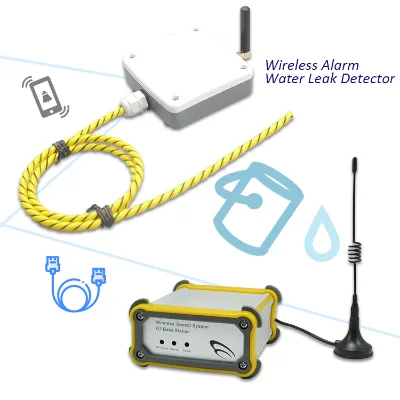




Smart Water Leakage Monitoring System with Temperature and Humidity Alerts
$2500.00 - $2600.00
MOQ: 1 Pieces


Comprehensive Sourcing Guide
Strategic Sourcing Guide for Tuya Smart Water Leak Detectors
Understanding the Core Technology and Connectivity Standards
The market for smart home and industrial safety devices has seen a significant surge in demand for IoT-enabled water leak detection systems. Central to this category is the integration of the Tuya "Smart Life" application ecosystem, which serves as the primary interface for device management. When sourcing a Tuya Smart Water Leak Detector, buyers must first recognize that the core value proposition lies in the seamless connectivity between the physical sensor and the digital cloud platform. The device typically operates as a standalone unit that communicates wirelessly, allowing for real-time monitoring of moisture levels in critical areas.
The technical architecture of these devices often relies on specific electrode types to detect the presence of water. The probe mechanism is a critical component, where the sensor utilizes an electrode type to complete a circuit when water bridges the gap between contacts. This method is distinct from other detection technologies and requires careful consideration of the probe length and material durability. For instance, specific models in the current market offer a probe length of 100 mm, which dictates the depth of the detection zone. Buyers should verify that the probe length aligns with their specific installation requirements, whether for shallow floor monitoring or deeper pipe inspection.
Connectivity is another paramount technical specification. The devices are designed to interface with the Tuya Smart Life application, enabling users to receive instant alerts via their mobile devices. This app integration allows for remote monitoring, which is essential for both residential and commercial applications. The communication interface is often a serial port or a dedicated wireless module that ensures data transmission to the cloud. When evaluating potential suppliers, it is crucial to confirm that the firmware is compatible with the latest versions of the Tuya ecosystem to ensure long-term functionality and security updates. The operating voltage for these units typically ranges from 5 to 20V DC, providing flexibility in power supply options, though some specific models may operate on a fixed DC 9V supply.
Technical Specifications and Performance Metrics
When conducting a technical evaluation of Tuya smart water leak detectors, buyers must scrutinize the specific performance metrics that define the device's reliability and responsiveness. The static current consumption is a key indicator of the device's efficiency and battery life. High-quality units in this category often demonstrate a static current of less than or equal to 10 microamperes (≤10ua). This low power consumption is vital for devices that may be battery-operated or require minimal energy draw when in standby mode. In contrast, the alarm current, which is the power draw when the device triggers an alert, is typically capped at less than or equal to 40 milliamperes (≤40mA). Understanding these thresholds helps in calculating the total power budget for a large-scale deployment.
The alarm mechanism itself is a critical performance feature. Effective detectors utilize a dual-indicator system comprising a red LED and a buzzer to ensure that alerts are noticed both visually and audibly. The sound level of the buzzer is a significant factor in environments where ambient noise might mask the alarm. Specifications indicate that high-performance units can reach a sound level of 130 decibels (dB), ensuring the alarm is audible even in noisy industrial settings. The weight of the unit, often around 115 grams, influences the ease of installation, particularly for wall-mounted or ceiling-mounted configurations.
Physical dimensions and packaging are also part of the technical specification sheet. The box size for individual units is often compact, such as 90 * 56 * 27 mm, facilitating easy shipping and storage. The product is typically packed as one piece in one carton box, which simplifies inventory management. The material composition, frequently plastic with an ABS standard, ensures durability and resistance to environmental factors. For outdoor or harsh industrial applications, the IP rating is a non-negotiable specification. Some models in the market achieve an IP67 rating, indicating complete protection against dust and temporary immersion in water, which is essential for devices installed in wet environments.
Compliance, Certification, and Regulatory Standards
Navigating the regulatory landscape is a fundamental aspect of B2B procurement for electronic devices. The Tuya Smart Water Leak Detector market is characterized by a strict adherence to international safety and environmental standards. Buyers must verify that the products they source carry recognized certifications, specifically CE and RoHS. The CE mark indicates conformity with health, safety, and environmental protection standards for products sold within the European Economic Area, while RoHS compliance ensures that the device is free from specific hazardous materials, such as lead and mercury.
In addition to CE and RoHS, some high-grade models may also carry ISO certification, reflecting adherence to international management system standards. The presence of these certifications is not merely a formality but a critical indicator of the manufacturer's commitment to quality and safety. When evaluating a supplier, procurement teams should request valid certification documents to confirm that the specific batch of products being purchased meets these regulatory requirements. The absence of these certifications can lead to significant legal and logistical hurdles, particularly when importing goods into regulated markets.
The origin of the product is another compliance-related factor. Most of the Tuya smart water leak detectors in the current supply chain originate from China, with some specific components or finished goods potentially originating from the Hong Kong S.A.R. This geographical distinction can impact shipping logistics, tariff classifications, and supply chain transparency. Buyers should ensure that the "place of origin" declared on the product documentation matches the actual manufacturing location to avoid customs complications. Furthermore, the customization options available, such as OEM, ODM, OBM, and software reengineering, allow buyers to tailor the product to specific regional standards or branding requirements, provided the core certifications remain intact.
Cost Drivers and Pricing Dynamics
The pricing structure for Tuya smart water leak detectors is influenced by a complex interplay of factors, including technical specifications, certification levels, and order volume. The observed price range in the market spans from $1 to $3,500 USD, reflecting the diversity of products from basic single-point sensors to comprehensive industrial monitoring systems. The lower end of the spectrum typically corresponds to simple, standalone units with basic features, while the higher end encompasses systems with advanced networking capabilities, industrial-grade durability, and extensive customization.
Minimum Order Quantity (MOQ) is a significant driver of unit cost. The market observes an MOQ range from 1 to 500 units. Suppliers often offer tiered pricing structures where the unit cost decreases as the order volume increases. For buyers looking to minimize upfront capital expenditure, suppliers with an MOQ of 1 are attractive, though the per-unit price will be higher. Conversely, large-scale procurement projects can leverage the lower MOQ thresholds to negotiate more favorable pricing, provided the buyer can commit to the required volume.
Customization is another major cost driver. While standard models are readily available, requests for custom branding, specific probe lengths, or tailored software interfaces (OEM/ODM) will incur additional costs. The complexity of the customization, such as software reengineering or the integration of specific communication interfaces like 10/100M Ethernet, directly impacts the final price. Additionally, the warranty period, which can extend up to 2 years for certain industrial models, is often factored into the pricing. A longer warranty period may increase the initial cost but reduces the total cost of ownership by mitigating the risk of early failure.
Typical Applications and Deployment Scenarios
The versatility of Tuya smart water leak detectors makes them suitable for a wide array of applications across different sectors. The primary application areas include home, industry, car/motorcycle, special equipment, traffic, and communication electronic products. In residential settings, these devices are commonly used to protect basements, laundry rooms, and kitchens from water damage caused by pipe bursts or appliance failures. The wall-mounted installation mode is particularly popular in homes, offering a discreet yet effective monitoring solution.
In the industrial sector, the application scope expands to include manufacturing plants, data centers, and warehouses. Here, the detectors serve a critical role in preventing costly downtime and equipment damage. The ability to detect liquid leaks in real-time allows facility managers to take immediate corrective action. The specific usage of these devices often involves monitoring for liquid and temperature anomalies, making them ideal for environments where water and heat are present. For example, in communication electronic product facilities, detecting water leaks is essential to protect sensitive server equipment.
Specialized applications also exist for traffic and automotive sectors. In vehicles, these detectors can monitor for coolant leaks or water ingress in critical compartments. The "Special Equipment" category encompasses a broad range of uses, from monitoring water tanks in agricultural facilities to detecting leaks in medical equipment. The communication interface, whether it be a serial port or Ethernet, allows these devices to integrate into larger Building Management Systems (BMS) or Industrial Internet of Things (IIoT) networks. The "Smart App Control" feature ensures that alerts are delivered to the relevant personnel regardless of their location, enhancing the overall safety and operational efficiency of the facility.
Supplier Evaluation and Quality Assurance Protocols
Selecting the right supplier for Tuya smart water leak detectors requires a rigorous evaluation process that goes beyond price comparison. Buyers should prioritize suppliers who demonstrate a clear understanding of the Tuya ecosystem and have a proven track record of delivering compliant products. The availability of customization services, including OEM, ODM, OBM, and software reengineering, is a strong indicator of a supplier's technical capability and flexibility. A supplier that offers these services is better positioned to meet the unique needs of a buyer's specific project.
Quality control is paramount in the electronics manufacturing sector. Buyers should verify the supplier's quality assurance protocols, including in-process testing and final product inspection. The consistency of the IP rating, such as the IP67 standard, must be maintained across all units in a batch. Similarly, the performance metrics, such as the static current and alarm current, should be within the specified tolerances. The supplier should be able to provide test reports or evidence of compliance with the CE, RoHS, and ISO certifications mentioned in the product specifications.
The warranty terms are also a critical component of supplier evaluation. A supplier offering a 2-year warranty demonstrates confidence in the durability and reliability of their products. This warranty should cover defects in materials and workmanship, providing the buyer with a safety net against premature failures. Additionally, the supplier's ability to provide timely after-sales support and technical assistance is essential for maintaining the operational integrity of the deployed devices. Buyers should assess the supplier's response time and the availability of technical documentation, such as installation manuals and API guides, to ensure a smooth integration process.
Long-Term Procurement and Supply Chain Resilience
Sourcing Tuya smart water leak detectors is not just a one-time transaction but a long-term strategic decision that impacts the operational continuity of the buyer's facilities. The stability of the supply chain is a key consideration, especially given the global nature of the electronics market. Buyers should assess the supplier's production capacity and their ability to scale up or down based on fluctuating demand. The lead time for production and delivery is a critical factor in procurement planning, and buyers should negotiate clear timelines to avoid disruptions.
The longevity of the product is another long-term consideration. The use of durable materials like ABS plastic and the robust design of the probe ensure that the devices can withstand harsh environmental conditions over time. However, the software ecosystem is equally important. As the Tuya platform evolves, the devices must remain compatible with the latest firmware updates to maintain security and functionality. Buyers should inquire about the supplier's policy on firmware updates and their commitment to supporting the product throughout its lifecycle.
Finally, the total cost of ownership (TCO) should be evaluated over the long term. While the initial purchase price is important, factors such as energy consumption, maintenance costs, and the potential cost of downtime due to device failure play a significant role in the overall financial impact. By selecting high-quality, certified, and reliable Tuya smart water leak detectors, buyers can minimize these risks and ensure a secure, efficient, and cost-effective water leak detection system for their specific needs.
FAQs
What certifications do Tuya smart water leak detectors typically have?
Most units carry CE and RoHS certifications, with some models also holding ISO certification. These marks confirm compliance with European safety standards and restrictions on hazardous materials, ensuring the devices are safe for use in various environments.
How is the alarm triggered in these detectors?
The alarm activates via a red LED and a buzzer sounding at 130dB when water is detected. This dual-indicator system ensures visibility and audibility even in noisy industrial settings or dark residential areas where immediate attention is required.
Can these detectors be customized for specific projects?
Yes, customization is available including OEM, ODM, OBM, and software reengineering services. Buyers can request specific probe lengths, branding, or integration with existing systems while maintaining core functionality and necessary safety certifications.
What is the operating voltage range for these devices?
Operating voltage typically ranges from 5 to 20V DC, though some specific models operate on a fixed DC 9V supply. This flexibility allows the detectors to be powered by various sources suitable for both home and industrial applications.
Which installation modes are supported for these sensors?
Wall-mounted installation is a common mode, though the devices can be adapted for other setups depending on the model. The compact design and lightweight construction, often around 115g, facilitate easy mounting in basements, kitchens, or industrial facilities.
What is the static current consumption of these units?
High-quality units demonstrate a static current of less than or equal to 10 microamperes in standby mode. This low power draw is critical for extending battery life and ensuring energy efficiency during continuous monitoring periods.
Where are these products typically manufactured?
Most products originate from China, with some specific components or finished goods coming from the Hong Kong S.A.R. This geographical origin impacts shipping logistics and tariff classifications, requiring buyers to verify the declared place of origin on documentation.