Source TUV GS Filler Neck Cap for Bottles, Jars, and Containers
Compare 30 verified listings for TUV GS Filler Neck Cap options suitable for bottles, jars, and containers. Buyers can evaluate specifications, certifications, and pricing from multiple suppliers to find the right fit for their packaging needs.
Key considerations
Products List


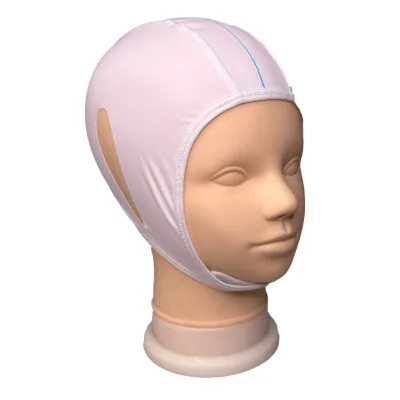


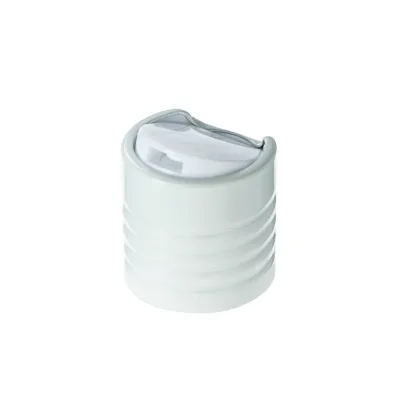
Comprehensive Sourcing Guide
Strategic Sourcing Guide for TUV GS Filler Neck Cap Procurement
Understanding the Component and Its Functional Context
The term "filler neck cap" refers to a critical sealing and dispensing component used in industrial packaging, particularly for liquid, gel, or semi-solid products. In the context of the core keyword "TUV GS Filler Neck Cap," the buyer is likely seeking a closure system that has undergone specific safety and quality assessments, potentially for use in sectors requiring high hygiene standards, such as cosmetics, pharmaceuticals, or food and beverage processing. While the supplied product data highlights items like "Numb Mask," "Hyaluronic Acid," and various injectable fillers, the specific component of a "filler neck cap" is a hardware element that interfaces with these products. The cap must ensure the integrity of the container, prevent leakage, and maintain the sterility or freshness of the contents during storage and transport.
The functional requirements for such a cap are stringent. It must be compatible with the viscosity of the product, whether it is a liquid, gel, or a more viscous substance like the Hyaluronic Acid fillers noted in the data. The cap design often dictates the dispensing method, which is crucial for products like the "Deep/Voluma/Light" models or those used for "Face Lips" and "Body" applications. A failure in the cap's sealing mechanism can lead to product degradation, contamination, or safety hazards, making the selection of a certified component a priority for procurement teams. The "TUV GS" designation implies a German safety certification, suggesting that the cap meets rigorous standards for material safety and mechanical reliability, although specific test results for this exact component are not present in the provided dataset. Buyers must verify that the cap's material properties align with the product's storage requirements, such as the "Room Temperature" or "3-25 Degree Celsius" conditions observed in the supply chain data.
Technical Specifications and Material Compatibility
When sourcing a filler neck cap, the material composition is the primary technical consideration. The supplied product list indicates a diverse range of materials used in the industry, including "Hyaluronic Acid" for the product itself, "Tin" for other packaging applications, and various synthetic polymers implied by the "Box" and "Syringe" packaging types. For a filler neck cap, the material must be chemically inert to the product it seals. If the product is a cosmetic or medical filler containing "24mg/Ml" of active ingredients, the cap material must not leach chemicals or react with the formulation.
The data notes that some products are "Without Disinfection" while others are "Disinfection" ready, which influences the material's surface properties and resistance to cleaning agents. A cap designed for a "Disinfection" process must withstand high temperatures or chemical sterilization without deforming. Furthermore, the "Cross-Linking Level" and "Composition" of the product inside the container dictate the pressure the cap must withstand. For instance, products stored at "3-25 Degree Celsius" may have different expansion and contraction rates compared to those stored at "Room Temperature," requiring a cap with specific elasticity and sealing force.
The physical dimensions of the cap are equally critical. The data mentions standards such as "1ml," "2ml," "10ml," and "20ml," which correspond to the volume of the container the cap must seal. A "filler neck cap" must match the neck finish of the bottle or syringe precisely. The "prod_standard" of "1.0ml/2.0ml/10ml/20ml" suggests that caps are often sized to these specific volumes. Buyers must ensure that the cap's thread pitch, diameter, and height are compatible with the specific "prod_model" of the container they are using. Mismatches in these specifications can lead to leakage or the inability to dispense the product correctly, which is unacceptable for high-value items like the "Neuramis" brand fillers or the "Changan" models.
Compliance and Certification Verification
The "TUV GS" keyword points directly to the need for verified compliance with German safety standards. While the supplied product data lists certifications such as "CE," "ISO," "RoHS," "CCC," "QS," "FDA," "CIQ," and "ISO,CE," these are general certifications for the products themselves (e.g., the filler or the packaging box). The specific "TUV GS" certification for the cap component must be verified independently. The "GS" mark (Geprüfte Sicherheit) indicates that a product has been tested by a recognized body like TUV and meets the requirements of the German Product Safety Act.
Buyers should not assume that because a product has "CE" or "ISO" certification, its components like the filler neck cap also carry the "TUV GS" mark. The data shows that some products originate from "China" or "Chongqing, China," and while they hold "CE" and "ISO" certifications, the specific "TUV GS" status for the cap hardware is a distinct attribute. Procurement teams must request the specific test report or certificate for the cap model, ensuring it covers the relevant safety aspects such as mechanical strength, chemical resistance, and material safety.
The "Eco-Friendly" attribute noted in the data for some products adds another layer of compliance. If the sourcing strategy includes sustainability goals, the cap material must align with these requirements. The data mentions "Eco-Friendly" as an attribute for certain items, suggesting that buyers should inquire about the recyclability and environmental impact of the cap material. Additionally, the "Food Chemical Cosmetic Industrial Medicine" grade mentioned in the data implies that the cap material must meet specific purity standards depending on the intended application. For medical or cosmetic use, the cap must not introduce any contaminants, which is a key aspect of the "TUV GS" safety assessment.
Cost Drivers and Pricing Factors
The observed price range in the supplied data is "0-200 USD," which likely reflects the cost of the finished product or the packaging unit rather than the individual cap component. However, the cost of a "TUV GS Filler Neck Cap" is influenced by several factors that buyers must consider. The primary driver is the certification process itself. Obtaining and maintaining "TUV GS" certification involves rigorous testing, audits, and fees, which are often passed on to the buyer. The complexity of the cap design, such as the need for a specific dispensing mechanism for "Deep Dermis" injectables or "Lips, Nose, Chin" applications, also affects the price.
Material costs are another significant factor. The data lists "Tin" and "Hyaluronic Acid" as materials, but for a cap, the cost will depend on the type of polymer or metal used. High-grade, medical-grade plastics or metals that ensure chemical inertness and durability will be more expensive. The "Customization" attribute, which is "Available" in the data, suggests that custom-designed caps will incur higher costs due to tooling and setup fees. If the buyer requires a cap with a specific thread size, color, or dispensing feature to match the "Numb Mask" or "Neuramis" product lines, the price will reflect this customization.
The "MOQ" (Minimum Order Quantity) range of "1-500000" indicates that economies of scale play a major role in pricing. Ordering in bulk can significantly reduce the unit cost, but the buyer must balance this with storage costs and the risk of obsolescence. The "Supply Type" of "Obm ODM" suggests that some suppliers may offer private labeling or custom manufacturing, which can add to the cost but provides brand exclusivity. Buyers should also consider the "Shipment" costs, as options like "DHL/TNT/EMS/FedEx" can vary based on the weight and volume of the order. The "Lead Time" is not explicitly stated in the data, but custom certifications and manufacturing processes often extend the delivery schedule, impacting the overall cost of procurement.
Typical Applications and Industry Use Cases
The "filler neck cap" is a versatile component used across multiple industries, as evidenced by the diverse product list. In the cosmetic and medical aesthetic sector, caps are essential for sealing products like "Hyaluronic Acid" fillers, "Numb Mask," and injectables used for "Face Lips," "Nose," "Chin," and "Body" treatments. The "Injecting Depth" of "Deep Dermis" and the "Duration" of "6-18 Months" for these products highlight the need for caps that maintain sterility and prevent contamination over long periods. The "1 Syringe +1 Needles" packaging format indicates that the cap must be compatible with syringe-based dispensing systems, ensuring a secure seal until the moment of use.
In the food and beverage industry, the "Tea, Food, Aerosol, Chemical" usage mentioned in the data suggests that filler neck caps are also used for sealing containers for consumables. The "Eco-Friendly" attribute and "Food Chemical" grade imply that caps for these applications must be safe for contact with food and resistant to spoilage. The "Storage" requirement of "Normal" or "3-25 Degree Celsius" further defines the environmental conditions the cap must withstand. For industrial applications, the "Tin" material and "Chemical" usage indicate that caps must be resistant to harsh chemicals and provide a robust seal for industrial containers.
The "Product Name" "Numb Mask" and the "Use" for "Skin" suggest that the cap must also be user-friendly, allowing for easy application and re-sealing if necessary. The "Form" of the product, whether "Liquid" or "Gel," dictates the cap's dispensing mechanism. For example, a gel product like the "Hyaluronic Acid" filler may require a cap that prevents clogging and ensures smooth flow. The "Package" type, such as "Box" or "One Per Box," also influences the cap design, as it must fit securely within the packaging to prevent damage during transit.
Supplier Evaluation and Quality Control Protocols
Evaluating suppliers for "TUV GS filler neck caps" requires a rigorous approach to ensure that the components meet the necessary standards. Buyers should verify the supplier's ability to provide valid "TUV GS" certificates for the specific cap models they intend to purchase. The data shows that suppliers may offer "Customization" and "Obm ODM" services, so buyers should assess the supplier's flexibility and track record in delivering custom solutions. The "Location" of the supplier, such as "China" or "Chongqing, China," should be considered in terms of logistics and potential supply chain disruptions.
Quality control is paramount, especially for medical and cosmetic applications. The "Disinfection" status of the product, whether "Without Disinfection" or "Disinfection" ready, must be matched by the cap's ability to maintain sterility. Buyers should request quality control reports that include tests for mechanical strength, chemical resistance, and leak prevention. The "Certification" list, including "CE," "ISO," "RoHS," and "FDA," should be cross-referenced with the cap's specific requirements. If the cap is intended for "Food Chemical" or "Medicine" use, the supplier must demonstrate compliance with the relevant "Grade" standards.
The "Self" attribute of "2 Years" in the data may refer to the shelf life of the product or the supplier's warranty period. Buyers should clarify this with the supplier to ensure that the cap maintains its integrity over the required storage period. The "Time" attribute of ">12months" suggests that some products have a long shelf life, which requires caps that can withstand long-term storage without degradation. Buyers should also evaluate the supplier's "Shipment" capabilities, ensuring that they can deliver the caps via reliable methods like "DHL/TNT/EMS/FedEx" to minimize the risk of damage during transit.
Long-Term Procurement Considerations and Strategic Sourcing
Sourcing "TUV GS filler neck caps" is not just a one-time transaction but a strategic decision that impacts the long-term success of the product line. Buyers should consider the scalability of the supplier's production capacity to meet future demand. The "MOQ" range of "1-500000" indicates that suppliers can handle both small and large orders, but buyers must ensure that the supplier can maintain consistent quality and delivery times as order volumes increase. The "Customization" availability suggests that the supplier can adapt to changing product requirements, which is crucial for maintaining product relevance in a dynamic market.
Sustainability is another long-term consideration. The "Eco-Friendly" attribute in the data highlights a growing trend towards environmentally responsible packaging. Buyers should evaluate the supplier's commitment to sustainability, including the use of recyclable materials and energy-efficient manufacturing processes. The "Standard" of "1ml/2ml10ml/20ml" and the "Model" variations indicate that the market is moving towards diverse packaging solutions, and buyers should choose a supplier that can support this diversity.
Finally, buyers should establish a strong relationship with the supplier to ensure a stable supply chain. The "Supply Type" of "Obm ODM" suggests that the supplier can offer value-added services, such as design support and quality assurance. By working closely with the supplier, buyers can ensure that the "TUV GS filler neck caps" meet the evolving needs of their products, whether for "Skin," "Face Lips," or "Industrial" applications. The "Location" of the supplier and the "Shipment" options should be optimized to minimize costs and lead times, ensuring a competitive advantage in the market.
Comparative Analysis of Component Attributes
To facilitate decision-making, the following table compares key attributes of filler neck caps based on the supplied product data and industry standards. This comparison helps buyers understand the variability in specifications and the importance of matching the cap to the specific product requirements.
| Attribute | Observation from Data | Relevance to Filler Neck Cap | Verification Requirement |
|---|---|---|---|
| Certification | CE, ISO, RoHS, CCC, QS, FDA, CIQ | Indicates general product compliance; TUV GS is specific to the cap. | Request specific TUV GS certificate for the cap model. |
| Material | Hyaluronic Acid, Tin, Polymer (implied) | Cap must be chemically inert to the product (e.g., Hyaluronic Acid). | Verify material safety data sheet (MSDS) for chemical compatibility. |
| Form | Liquid, Gel | Determines dispensing mechanism and sealing force. | Test cap performance with actual product viscosity. |
| Storage | Room Temp, 3-25°C | Cap must maintain seal integrity under specific temperature ranges. | Conduct thermal cycling tests to verify seal stability. |
| Packaging | Box, One Per Box, Syringe + Needles | Cap must fit securely in the final packaging format. | Inspect packaging fit and protection during transit. |
| Customization | Available, Customized | Allows for tailored thread sizes and dispensing features. | Confirm tooling costs and lead times for custom designs. |
| Origin | China, Chongqing, China | Impacts logistics, lead time, and potential supply chain risks. | Evaluate supplier's logistics capabilities and contingency plans. |
| Grade | Food, Chemical, Cosmetic, Industrial, Medicine | Dictates the purity and safety standards required. | Ensure the cap meets the specific grade requirements for the application. |
This table underscores the need for a meticulous approach to sourcing. The "TUV GS Filler Neck Cap" is not a generic component but a highly specialized part that must align with the specific needs of the product it seals. By carefully evaluating the technical specifications, compliance status, and supplier capabilities, buyers can ensure that their procurement strategy supports the quality and safety of their final products. The data provided offers a foundation for understanding the industry landscape, but the ultimate success of the sourcing effort depends on the buyer's ability to verify and validate each attribute against their specific requirements.
FAQs
How can I verify TUV GS certification for filler neck caps?
You must request specific test reports from the supplier rather than assuming general product certifications apply. The provided data lists CE, ISO, and FDA for products, but TUV GS is a distinct safety mark for the cap component that requires independent verification.
What materials are compatible with hyaluronic acid fillers?
The cap material must be chemically inert to prevent reactions with the hyaluronic acid or lidocaine content. While tin is listed for other packaging, the cap must resist the specific viscosity of liquid or gel fillers stored at room temperature or 3-25 degrees Celsius.
Which packaging sizes require specific filler neck cap dimensions?
Caps must match the neck finish of containers ranging from 1ml to 20ml volumes as observed in the supply data. Standard sizes include 1ml, 2ml, 10ml, and 20ml, requiring precise thread pitch and diameter compatibility to prevent leakage during storage.
Can I find customized filler neck caps for specific models?
Customization is available for caps to match unique product models like Neuramis or Changan. Buyers should verify that the supplier offers ODM services and can produce caps with specific dispensing features for deep dermis or lip applications.
How does disinfection status affect cap material selection?
Caps must withstand sterilization processes if the product requires disinfection rather than being supplied without it. The material surface properties must resist high temperatures or chemical agents to maintain sterility for medical or cosmetic injectable products.
What are the storage requirements for the cap and product?
Storage conditions vary between room temperature and 3-25 degrees Celsius depending on the specific filler formulation. The cap must maintain a secure seal under these varying thermal conditions to prevent degradation of the hyaluronic acid or other active ingredients.