Source Two Tone Plating Championship Ring for sports, graduations, and anniversaries
Compare 30 listings for Two Tone Plating Championship Ring options featuring zinc alloy construction and customizable sizes. Buyers can evaluate plating colors, die casting techniques, and OEM design services from verified suppliers in China.
Key considerations
Products List
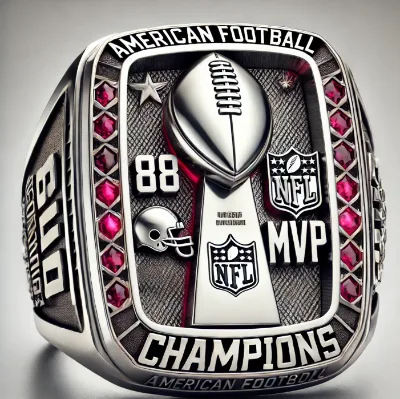
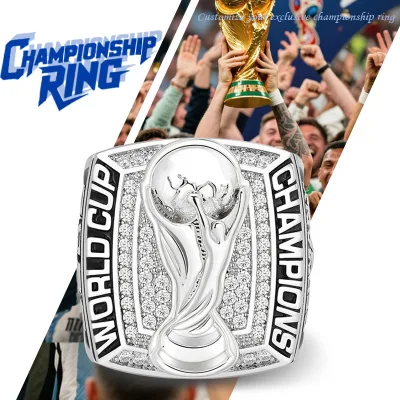
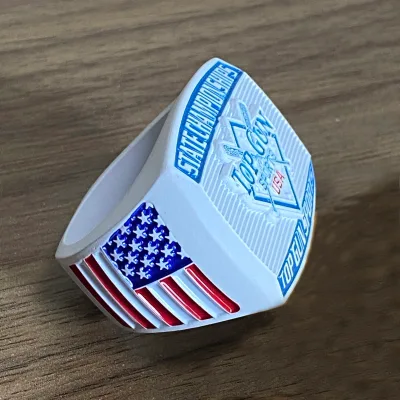
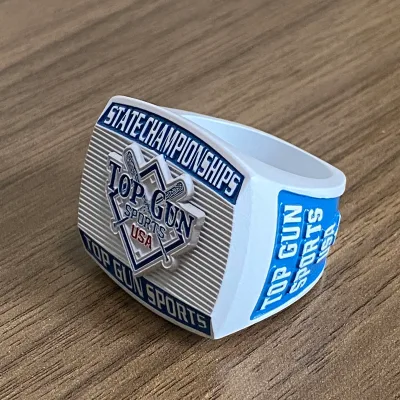
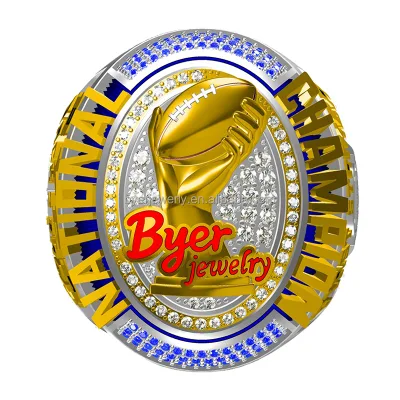
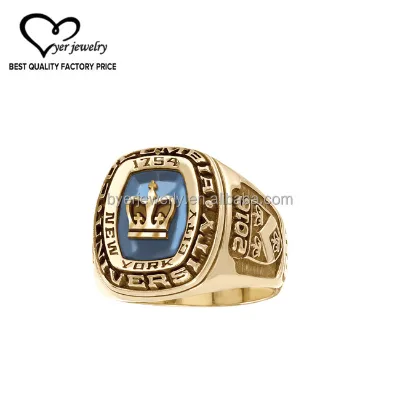
Top Quality Championship Ring Custom Sports Champion Ring 18k Gold Plated
$10.19 - $61.26
MOQ: 2 Minimum
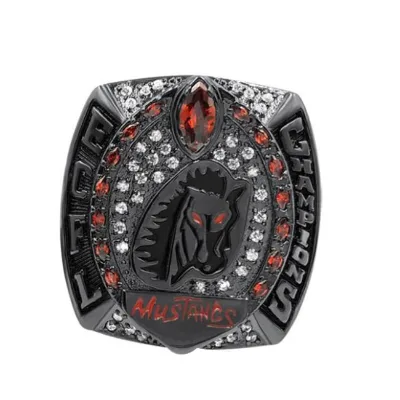
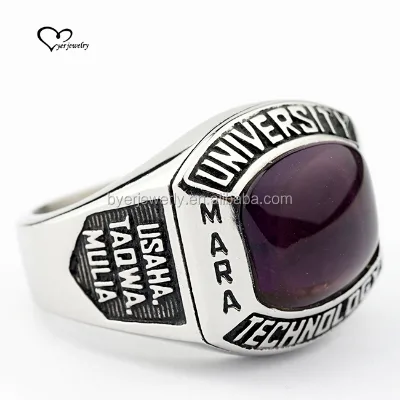
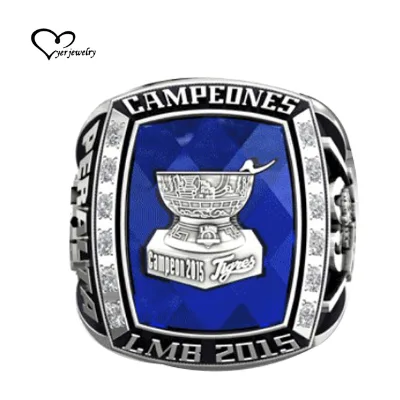
Personalized Men's USA Sport Championship Ring with Custom Blue Big Gemstone
$51.50 - $56.65
MOQ: 10 pieces
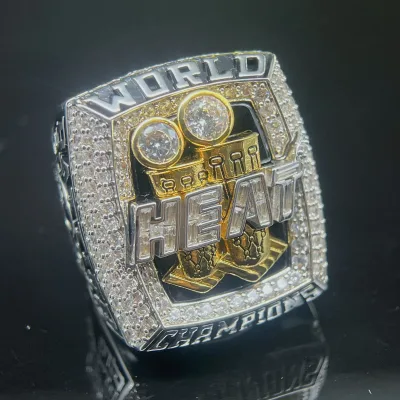
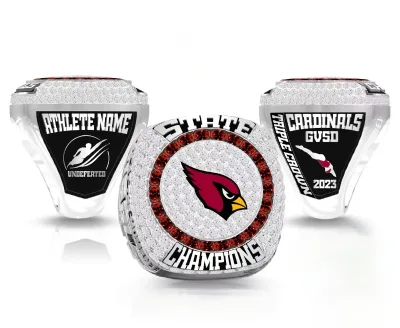
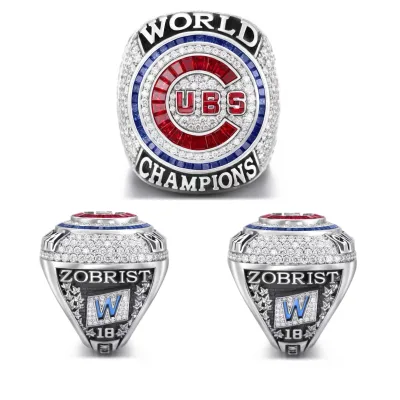
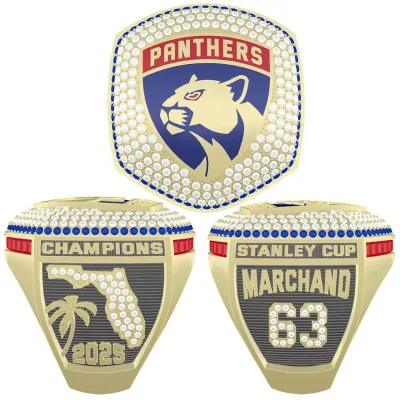
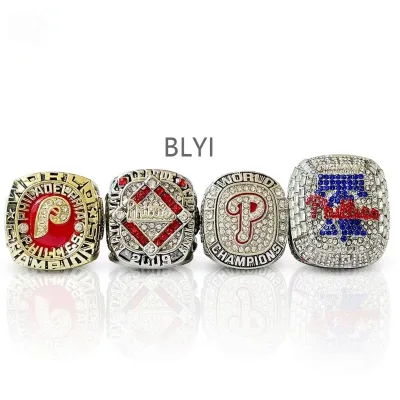
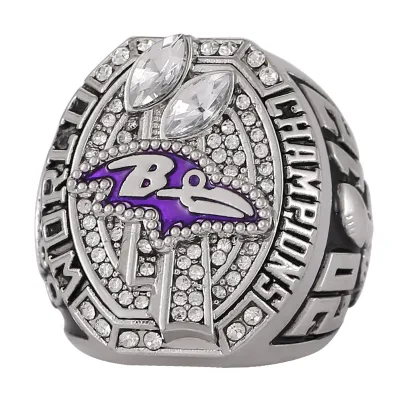

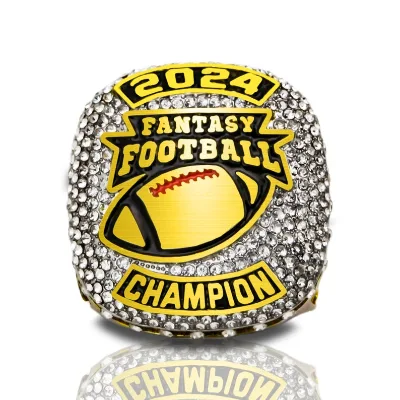


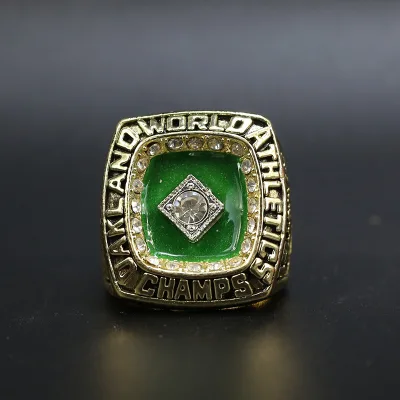
Comprehensive Sourcing Guide
Strategic Sourcing Guide for Two-Tone Plating Championship Rings
Understanding the Technical Architecture of Custom Championship Rings
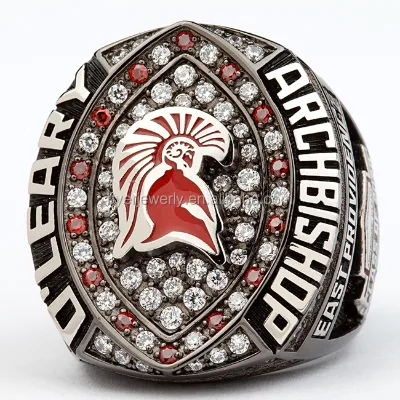
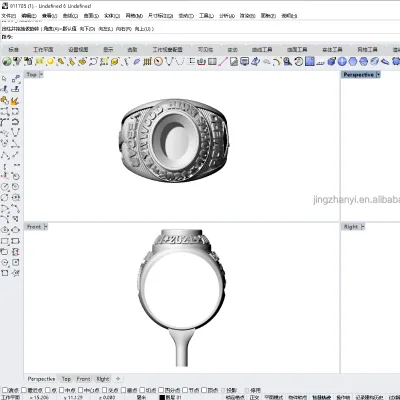
The procurement of two-tone plating championship rings requires a precise understanding of the underlying manufacturing processes and material composition. Based on the available product data, the foundational material for these items is predominantly zinc alloy, a choice that balances cost-efficiency with the structural integrity required for detailed casting. The primary manufacturing technique identified is die casting, which allows for the creation of complex geometries and intricate designs essential for championship aesthetics. This process is further supported by casting techniques that facilitate the formation of custom 2D and 3D designs, enabling buyers to specify unique shapes and patterns ranging from geometric motifs to specific sports logos.
The "two-tone" aspect of the ring is achieved through specific plating and finishing processes. The product attributes indicate a variety of plating colors, including gold, silver, and bronze, often applied to achieve the desired contrast. The finishing process explicitly lists options for gold, silver, bronze, and black, suggesting that the two-tone effect is realized by combining these distinct metallic finishes on a single piece. For instance, a ring might feature a gold-plated outer band with a silver-plated inner section, or vice versa, depending on the custom design specifications. The surface treatment also includes soft enamel, which adds color and depth to the recessed areas of the design, enhancing the visual appeal of the two-tone metallic structure.
The physical dimensions of these rings are highly flexible, catering to diverse market needs. The ring size specifications are extensive, ranging from standard US sizes (4 to 20) to fully customizable dimensions. This flexibility is critical for tournament rings, which must fit athletes of various hand sizes. The thickness of the ring is also noted as customizable, allowing for a substantial, premium feel or a lighter, more comfortable profile. The single package size typically measures around 10x10x3 cm, indicating a compact footprint for shipping and storage. The weight of individual units is approximately 0.025 kg, reflecting the density of the zinc alloy base.
Material Composition and Plating Durability Considerations
When evaluating the material composition of championship rings, the distinction between the base metal and the plating is paramount. The core material is consistently identified as zinc alloy, which serves as the substrate for all plating applications. The plating itself is described as gold plated or silver plated, with the possibility of other metallic finishes like bronze or black. The durability of the two-tone effect relies heavily on the quality of this plating process. Buyers must verify the thickness of the plating layers, as thinner plating may wear off more quickly, especially on high-contact areas of a ring.
The use of soft enamel is a significant feature for these products. This technique involves filling the engraved or cast recesses with colored enamel, which is then polished to create a smooth, vibrant surface. The combination of soft enamel with two-tone plating creates a high-contrast visual that is characteristic of championship rings. However, the interaction between the enamel and the plating must be considered during the design phase to ensure that the colors do not bleed or that the plating does not chip during the enamel curing process.
Stone settings are another variable in the material composition. The product data indicates that the rings may feature crystal or acrylic stones. While these add a decorative element, they are distinct from the metal plating and enamel work. Acrylic stones are lighter and more durable against impact, whereas crystal stones offer a higher refractive index and a more premium appearance. The choice between these materials will influence the overall weight and aesthetic value of the ring.
Compliance, Certification, and Regulatory Verification
In the B2B procurement of jewelry and commemorative items, compliance with safety and environmental standards is a critical due diligence step. While the provided product facts do not list specific certification numbers or third-party test results, buyers must actively verify that the zinc alloy and plating materials comply with international regulations. The primary concern in jewelry manufacturing is the presence of heavy metals, such as lead, cadmium, and nickel, which can cause allergic reactions or pose health risks.
Buyers should request documentation confirming that the plating processes adhere to standards such as the European Union's REACH regulation or the US Consumer Product Safety Improvement Act (CPSIA). These regulations strictly limit the concentration of hazardous substances in consumer products. Since the rings are intended for wearing, particularly in sports or graduation contexts, skin contact is guaranteed. Therefore, verifying that the plating is nickel-free or that the alloy meets specific toxicity thresholds is essential.
Furthermore, the origin of the product, identified as China (specifically Guangdong), requires attention to supply chain transparency. Buyers should ensure that the manufacturing facility adheres to labor standards and environmental protections. While the product data mentions "OEM" and "custom design" capabilities, it does not explicitly state compliance certifications. Consequently, the procurement strategy must include a clause in the purchase agreement requiring the supplier to provide valid test reports from accredited laboratories for every batch of production. This verification process protects the buyer from liability and ensures the product meets the quality expectations of the end consumer.
Cost Drivers and Pricing Dynamics in Custom Ring Production
The pricing of two-tone plating championship rings is influenced by several dynamic factors, primarily related to customization and order volume. The observed price range in the market spans from $0.95 to $61.26 USD, a significant variance that reflects the complexity of the design and the quantity ordered. The lower end of this spectrum likely corresponds to simple, standard-sized rings with minimal customization and high-volume production runs. Conversely, the higher end represents rings with intricate custom designs, complex two-tone plating, additional embellishments like crystal stones, and smaller order quantities.
The Minimum Order Quantity (MOQ) is a critical cost driver. The data indicates an MOQ range of 1 to 1000 units, with a specific instance of 100 pieces noted for certain configurations. Ordering at the lower end of the MOQ spectrum, such as single items or small batches, will inherently result in a higher unit cost due to the setup costs for die casting and plating. As the order volume increases, the unit cost typically decreases, allowing for more competitive pricing. Buyers should analyze their inventory needs against the MOQ to optimize the total cost of ownership.
Additional cost factors include the complexity of the design and the finishing techniques. Custom 2D and 3D designs require unique molds, which incur a one-time tooling cost. The two-tone plating process is more labor-intensive than single-tone plating, as it requires precise masking and multiple plating steps. The inclusion of soft enamel and stone settings also adds to the production time and material costs. Buyers must request a detailed breakdown of these costs to understand the price structure and negotiate effectively.
Typical Applications and Market Segmentation
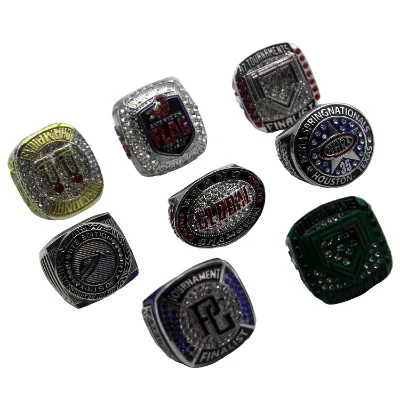
Championship rings with two-tone plating serve a diverse range of applications, extending beyond traditional sports achievements. The product attributes explicitly mention "Tournament championships" and "Top gun sports championship ring" as primary use cases. These items are designed to commemorate victory, excellence, and team spirit in competitive environments. The robust construction of zinc alloy and the durable plating make them suitable for athletes who may engage in physical activities where the ring could be subjected to wear and tear.
However, the applications are not limited to sports. The data also highlights "Graduation / Competition" and "Anniversary, Engagement" as key occasions. This suggests that these rings are versatile enough to serve as commemorative gifts for academic achievements, corporate milestones, or personal celebrations. The "Letters" style and "Customized Logo" options further expand their utility, allowing organizations to brand the rings with specific slogans, dates, or insignias.
The market segmentation for these products includes sports teams, educational institutions, corporate entities, and individual consumers. For sports teams, the ring serves as a tangible symbol of their collective effort. For educational institutions, graduation rings mark the transition of students to the next stage of their careers. Corporate entities may use these rings for employee recognition programs or client gifts. The ability to customize the design, size, and plating allows suppliers to cater to these varied segments, ensuring that the final product aligns with the specific identity and values of the client.
Supplier Evaluation and Quality Control Protocols
Selecting a reliable supplier for two-tone plating championship rings requires a rigorous evaluation process. The product data indicates that the place of origin is China, with a specific mention of Guangdong, a region known for its manufacturing capabilities. Buyers should prioritize suppliers who demonstrate a strong track record in die casting and plating. The presence of "OEM" and "custom design" capabilities suggests that the supplier is equipped to handle bespoke orders, but this must be verified through portfolio reviews and client references.
Quality control is paramount to ensure that the two-tone plating remains consistent and durable. Buyers should implement a multi-stage inspection protocol. The first stage involves verifying the raw materials, specifically the zinc alloy and plating chemicals, to ensure they meet safety and quality standards. The second stage focuses on the production process, checking the die casting for defects such as air bubbles or incomplete fills. The third stage is critical for the finishing process, where the two-tone plating and soft enamel application are inspected for color consistency, adhesion, and surface smoothness.
The packing method is another indicator of supplier quality. The data mentions "PP bag or box" and "poly bag / bubble bag / gift box" as packaging options. A reputable supplier will use protective packaging to prevent scratching or damage during transit. Buyers should request samples to evaluate the packaging quality and ensure that the rings arrive in pristine condition. Additionally, the supplier should provide a clear return policy and warranty for defective products, demonstrating their confidence in the quality of their work.
Long-Term Procurement and Supply Chain Resilience
Sourcing championship rings is not merely a one-time transaction but a strategic partnership that requires long-term planning. The ability to scale production up or down based on demand is a key consideration. The observed MOQ range of 1 to 1000 units suggests that suppliers can accommodate both small, custom orders and large, bulk purchases. However, buyers must assess the supplier's capacity to handle peak demand periods, such as before major sporting events or graduation seasons.
Lead times are another critical factor in long-term procurement. While the specific lead times are not provided in the data, the complexity of the two-tone plating and custom design processes implies that production may take several weeks. Buyers should establish clear communication channels with the supplier to monitor production progress and anticipate any potential delays. Building a relationship with a supplier who can provide accurate lead time estimates and flexible scheduling will help mitigate supply chain disruptions.
Sustainability is increasingly becoming a priority in procurement. Buyers should inquire about the supplier's environmental practices, such as the disposal of plating chemicals and the use of eco-friendly packaging. While the product data does not explicitly mention sustainability certifications, proactive engagement on this topic can differentiate a buyer's brand and align with corporate social responsibility goals. By focusing on long-term relationships, quality assurance, and supply chain resilience, buyers can ensure a steady supply of high-quality two-tone plating championship rings that meet the evolving needs of their market.
FAQs
What material is used for two tone plating championship rings?
The rings are primarily made of zinc alloy, which provides structural integrity for detailed casting. This base metal supports various plating options like gold, silver, bronze, and black to achieve the desired two-tone effect.
How can I customize the ring size for my team?
You can select from standard sizes ranging from 4 to 20 or request fully custom dimensions. The manufacturing process supports custom sizes to ensure a perfect fit for athletes of varying hand sizes.
Which plating colors are available for these championship rings?
Available plating colors include gold, silver, bronze, and black, often combined to create a two-tone appearance. Soft enamel is also applied to add color and depth to the recessed design areas.
Can I order a single item for a Two Tone Plating Championship Ring?
Yes, you can order a single item as the minimum order quantity starts at 1 unit. However, higher volumes typically reduce the unit cost due to shared setup expenses for die casting and plating.
What techniques are used to create the custom design?
The rings are produced using die casting and casting techniques to form complex 2D and 3D designs. This allows for intricate details like geometric patterns, sports logos, and custom lettering on the metal surface.
How are the stones set on the championship rings?
The rings may feature crystal or acrylic stones set into the design. Acrylic stones offer durability against impact, while crystal stones provide a higher refractive index for a more premium visual appearance.
What packaging options are available for shipping these rings?
Packaging options include PP bags, boxes, poly bags, bubble bags, or gift boxes. The single package size typically measures around 10x10x3 cm to ensure compact and safe transit for the items.