Source Tyre Cone Crusher for Quarry Mining and Construction
Compare 30 available Tyre Cone Crusher units from verified Chinese manufacturers. Buyers can evaluate specifications like crushing capacity, motor power, and automation levels for applications in quarry, mining, and metallurgy sectors.
Key considerations
Products List


Tyre Powder Recycling Machinery Waste Tire Recycling Machinere Rubber Crusher
$6000.00 - $150000.00
MOQ: 1 Pieces


$2000.00 - $200000.00
MOQ: 1 Sets


$200000.00 - $210000.00
MOQ: 1 Pieces


Comprehensive Sourcing Guide
Strategic Sourcing Guide for Tyre Cone Crusher Equipment
Understanding the Product Landscape and Technical Definitions
The term "Tyre Cone Crusher" in the context of modern industrial sourcing often refers to a convergence of two distinct but related machinery categories: mobile cone crushing stations designed for hard rock materials and specialized tire recycling machinery that utilizes shredding and grinding technologies. Buyers must first distinguish between equipment intended for mineral processing and equipment designed for waste tire management. The supplied data indicates a robust market presence for Mobile Cone Crusher Stations and Tire Recycling Machines, both originating primarily from China, Henan.
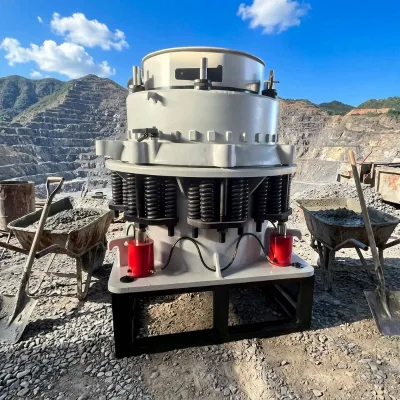
For mineral processing applications, the core equipment identified is the Hydraulic Cone Crusher. These units are engineered for high-capacity crushing of hard materials such as Limestone, Granite, Basalt, Gold, and Iron Ore. The observed specifications for these units include models like the MH-HP300 and HP200, which operate with a Motor Power of 160kw. The crushing capacity for these mobile stations is observed in the range of 100-500t/h, making them suitable for large-scale quarry, mining, metallurgy, and construction projects. The structural design is noted as Vertical, and the control systems frequently utilize PLC Touch Screen interfaces to manage the Full-Automatic operation.
Conversely, the "tyre" aspect of the search keyword points toward Tire Recycling and Shredding Machines. These are not cone crushers in the traditional mineral sense but are advanced processing lines for OTR, Big Truck Tires, and Car Tires. The equipment described includes Double Shaft Tire Shredders, Rasper Machines for producing 10-30mm Rubber Mulch, and Granulators capable of producing 1-6mm Rubber Crumb. The final powder size for these grinding machines is observed at 1-5mm. These systems are fully automatic, often featuring Siemens PLC Control Systems and Siemens Motors, ensuring high efficiency in converting waste tires into usable rubber products.
Technical Specifications and Performance Verification
When evaluating technical specifications, buyers must verify that the listed parameters align with their specific operational needs. For the Mobile Cone Crusher Station, the Raw Material compatibility is critical. The equipment is designed to handle abrasive materials like Limestone and Granite, but the buyer must confirm the hardness and abrasiveness of their specific feed material to ensure the Core Components, such as Bearings, are rated for the intended load. The Voltage is typically 380V, and the Worker Needed for operation is listed as 1 Person, indicating a high degree of automation.
For the Tire Recycling Production Line, the technical focus shifts to particle size reduction and material separation. The Processing Tire Size is observed to be <1200mm, which dictates the maximum tire diameter the shredder can accept. The output specifications vary by machine stage: the Shredder produces coarse chips, the Rasper Machine creates 10-30mm mulch, and the Granulator or Crackermill produces fine powder ranging from 1-6mm. The Standard capacity for some grinding units is listed as 1-2tons/h, while others reach 1-30tons/h. Buyers should verify that the Control Type is indeed PLC and that the Power Source is Electric, as these factors significantly impact energy consumption and operational stability.
The following table summarizes the key technical distinctions between the two primary equipment categories found in the market data:
| Feature | Mobile Cone Crusher Station | Tire Recycling & Shredding Machine |
|---|---|---|
| Primary Application | Quarry, Mining, Construction | Waste Tire Recycling, Rubber Production |
| Raw Material | Limestone, Granite, Basalt, Iron Ore | OTR, Big Truck Tires, Car Tires |
| Key Model Examples | MH-HP300, HP200 | XKP Series, TS-800/1200 Series |
| Capacity Range | 100-500t/h | 1-30 tons/h (varies by model) |
| Final Output Size | Crushed Aggregate (varies) | 1-5mm Powder, 10-30mm Mulch |
| Control System | PLC Touch Screen | Siemens PLC Control System |
| Motor Power | 160kw (observed) | Famous Brand Siemens Motors |
| Structure | Vertical | Multi-stage (Shredder, Rasper, Granulator) |
Compliance, Certification, and Regulatory Standards
Navigating the compliance landscape is essential for international procurement. The supplied facts confirm that products in this category frequently carry ISO and CE certifications. These certifications are critical indicators of adherence to international safety and quality management standards. Specifically, the ISO certification suggests that the manufacturing process follows quality management principles, while the CE mark indicates conformity with health, safety, and environmental protection standards for products sold within the European Economic Area.
Buyers must verify the validity of these certifications on a per-shipment basis, as they are not automatically guaranteed for every unit. The Standard for capacity is explicitly noted in the data as 1-2tons/h or 1-30tons/h for specific grinding models, but buyers should not assume all units meet these exact figures without verification. Similarly, while ISO9001 is mentioned in background data, it should be treated as a potential attribute rather than a guaranteed fact for every supplier. The Warranty periods observed range from 1 Year to 2 Years, and buyers must clarify which warranty applies to the specific model and component being purchased.
Cost Drivers and Economic Considerations
The cost of acquiring these machines is influenced by several variables, including the Motor Power, the complexity of the Control System, and the Packing requirements. For the Mobile Cone Crusher, the 160kw motor power and the inclusion of Hydraulic systems for adjustment and protection are significant cost drivers. The Packing method, listed as Wooden Boxes for some models and 40gp Container for others, adds to the logistics cost. The MOQ (Minimum Order Quantity) is observed to range from 1 to 500, offering flexibility for small-scale buyers but potentially increasing unit costs for very small orders.
For the Tire Recycling Machine, the cost is heavily driven by the integration of Siemens components, which are noted as "Famous Brand" items. The inclusion of multiple stages—Shredder, Rasper, Granulator, and Wire Steel Separator—increases the overall system cost compared to single-stage machines. The Service Life is observed to be ≥15 Years for certain crushing units, which is a crucial factor in calculating the total cost of ownership. Buyers should also consider the After-Sales Service provided, which includes 24h on-Line Support and Spare Parts Supply Anytime, as these services reduce long-term operational risks and downtime costs.
Typical Applications and Operational Scenarios
The operational scenarios for these machines are distinct and specialized. Mobile Cone Crusher Stations are deployed in quarry, mining, metallurgy, and construction sites where raw materials like Limestone and Granite need to be reduced to specific sizes for further processing or direct use in concrete and asphalt production. The Vertical Structure and Full-Automatic nature of these units allow them to be integrated into continuous production lines with minimal human intervention. The Factory Visit is welcomed warmly, suggesting that potential buyers can inspect the machinery in operation at the manufacturing site in Henan, China.
In contrast, Tire Recycling Machines are essential for environmental compliance and resource recovery. These machines process Waste Tires from various sources, including OTR (Off-The-Road) vehicles, Big Truck Tires, and Car Tires. The output, such as Rubber Mulch or Rubber Crumb, is used in playground surfaces, athletic tracks, asphalt modification, and industrial insulation. The Double Shaft Tire Shredder is the primary entry point for these materials, breaking down large tires into manageable chips before further grinding. The Wire Steel Separator is a critical component for removing steel reinforcement from the rubber, ensuring the purity of the final rubber product.
Supplier Evaluation and Quality Assurance
Evaluating suppliers requires a focus on their ability to provide consistent quality and reliable after-sales support. The data indicates that Factory Visits are a standard practice, allowing buyers to verify the Structure and Assembly of the machines firsthand. Buyers should prioritize suppliers who offer 24h on-Line Support and guarantee Spare Parts Supply Anytime, as these are vital for maintaining continuous operation. The Service Life of ≥15 Years for crushing units and the robust Siemens components in recycling lines suggest a focus on durability, but this must be validated through reference checks.
Quality control should be a central part of the procurement process. Buyers must verify that the Core Components, such as Bearings, are of high quality and suitable for the specific application. For the Tire Recycling Machine, the Control System must be tested to ensure the PLC Touch Screen functions correctly and that the Automatic Grade is truly Automatic without frequent manual intervention. The Packing method, whether Wooden Boxes or 40gp Container, must be inspected to ensure the equipment arrives without damage. Buyers should also request test results or performance data for the Final Powder Size and Crushing Capacity to ensure the machine meets the required specifications before shipment.
Long-Term Procurement and Lifecycle Management
Long-term procurement considerations extend beyond the initial purchase price to include maintenance, spare parts availability, and potential upgrades. The Warranty period, observed as 1 Year or 2 Years, is a baseline for initial support, but buyers should negotiate extended coverage for critical components. The After-Sales Service provided, including 24h on-Line Support, is a key differentiator for suppliers who understand the importance of minimizing downtime.
For the Mobile Cone Crusher, the Hydraulic system requires regular maintenance to ensure smooth operation and longevity. Buyers should verify the availability of Spare Parts for the Hydraulic components and the Bearings. For the Tire Recycling Machine, the wear and tear on the Shredder blades and the Granulator screens are significant. The supplier's ability to provide these parts Anytime is crucial for maintaining production schedules. Additionally, the Motor Power and Voltage specifications must be compatible with the buyer's local power infrastructure to avoid costly retrofitting.
In conclusion, sourcing Tyre Cone Crusher equipment requires a nuanced understanding of two distinct machinery categories: high-capacity mobile crushing stations for mineral processing and advanced tire recycling lines for waste management. By carefully verifying technical specifications, certifications, and supplier support capabilities, buyers can secure equipment that meets their operational needs while ensuring long-term reliability and cost-effectiveness. The market in Henan, China offers a wide range of options, from the MH-HP300 crusher to the Siemens-controlled Tire Recycling Production Line, but due diligence remains the most critical step in the procurement process.
FAQs
What certifications do mobile cone crushers have?
Mobile cone crushers typically hold ISO and CE certifications. These marks indicate adherence to international quality management and safety standards, though buyers must verify specific documentation for each unit before purchase.
Which raw materials can the hydraulic cone crusher process?
The hydraulic cone crusher processes limestone, granite, basalt, gold, and iron ore. This equipment is designed for high abrasion materials in quarry, mining, and metallurgy applications with capacities up to 500t/h.
Can the tire recycling machine operate fully automatically?
Yes, the tire recycling machine operates fully automatically using a Siemens PLC control system. It handles OTR, big truck, and car tires, producing rubber mulch and crumb with minimal worker intervention.
How long is the warranty period for these machines?
Warranty periods range from 1 year to 2 years depending on the specific model. Buyers should confirm the exact coverage terms for their selected unit, as mobile crushers often carry a 2-year warranty.
What is the crushing capacity of the mobile cone station?
The mobile cone station offers a crushing capacity between 100 and 500 tons per hour. This high output makes it suitable for large-scale construction and mining projects requiring efficient material reduction.
Which control system is used in the tire shredder?
The tire shredder utilizes a Siemens PLC control system with a touch screen interface. This setup ensures precise automation for shredding, grinding, and separating steel wire from rubber materials efficiently.
Can buyers visit the factory to inspect the equipment?
Yes, factory visits are welcomed warmly for potential buyers. This allows clients to inspect the vertical structure and assembly of the machines directly at the manufacturing site in Henan, China.