Find ultra-light stretch hiking pants for trekking, camping, and travel
Source 30 listings of ultra-light stretch hiking pants with features like windproof, waterproof, and breathable properties. Compare specifications including GSM weight, width, and composite processes from verified suppliers offering OEM and ODM services.
Key considerations
Products List


Women's Quick Drying Stretch Aenergy Ultra-Light Trail Running Pants for Hiking
$7.99 - $8.99
MOQ: 1000 Pieces


Men's Ultra-Light Waterproof Windproof Lightweight Trail Running Hardshell Pants for Hiking
$12.99 - $14.99
MOQ: 1000 Pieces

Men's Lightweight Hiking Pants Breathable Quick Dry Waterproof Running Jogger Pants
$10.50 - $11.00
MOQ: 2000 pieces

Men's Lightweight and Quick-Dry Waterproof Hiking Pants for All Seasons
$6.88 - $12.50
MOQ: 1000 Pieces


Eco-Friendly Outdoor Waterproof Warm Pants Hiking Pants Climbing Trousers
$10.00 - $15.00
MOQ: 500 Pieces

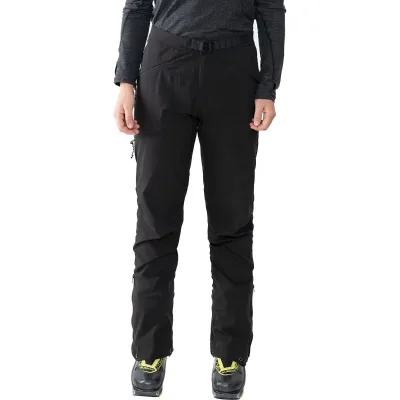
Climbing Pants Outdoor Pants Women Waterproof Windbreak Hiking Pants for Outdoor Sport
$10.00 - $15.00
MOQ: 500 Pieces

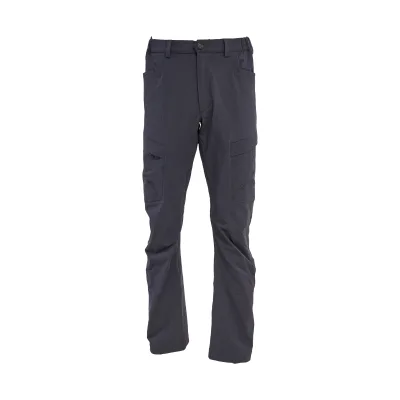
Men High Stretch Quick Dry Breathable Thin Outdoor Hiking Climbing Sports Pants
$7.50 - $9.00
MOQ: 500 Pieces
Comprehensive Sourcing Guide
Strategic Sourcing Guide for Ultra-Light Stretch Hiking Pants
The global demand for high-performance outdoor apparel continues to drive the evolution of hiking pants, with a specific focus on ultra-light stretch variants that balance durability with mobility. For B2B buyers entering this market, the procurement process requires a granular understanding of material science, manufacturing capabilities, and supply chain logistics. The following guide synthesizes available product data and industry standards to provide a disciplined framework for sourcing these specialized garments. Buyers must navigate a landscape where technical specifications, such as GSM weight and composite processes, directly influence the final product's performance and cost structure.
Technical Specifications and Material Composition
The foundation of any successful hiking pant procurement lies in the precise definition of material composition and physical attributes. In the current market, ultra-light stretch hiking pants are predominantly constructed from synthetic blends that offer superior elasticity and weather resistance. Analysis of available product data indicates that the core material composition often centers on Nylon and Spandex blends. This combination is critical because Nylon provides the necessary tensile strength and abrasion resistance required for rugged terrain, while Spandex introduces the essential stretch factor that allows for unrestricted movement during hiking activities.
Weight is a primary differentiator in this category. The observed market data reveals a weight range spanning from 10 to 200 GSM, with specific ultra-light variants often falling between 15 and 260 GSM depending on the intended application. For "ultra-light" classifications, buyers should specifically target products within the lower end of this spectrum, typically under 100 GSM, to ensure breathability and packability. The fabric width is another critical specification, with standard offerings ranging from 47/48 inches to 58/59 inches. Selecting the correct width is vital for minimizing fabric waste during the cutting process, which directly impacts the cost efficiency of the final garment.
Furthermore, the technical construction of the fabric involves specific weaving and composite techniques. The observed data highlights "Plain Dyed" and "Woven" as common technical methods, ensuring a tight, uniform structure. Advanced composite processes, such as Polyurethane Roller Composite Technology or Hot Melt Dusting Compound, are frequently employed to enhance functional properties. These processes are essential for achieving features like windproofing, water resistance, and oil-proofing without adding significant weight to the fabric. Buyers must verify that the supplier utilizes these composite technologies to ensure the fabric meets the rigorous demands of outdoor environments.
Functional Attributes and Performance Requirements
When sourcing ultra-light stretch hiking pants, the functional attributes of the fabric must align with the specific environmental challenges the end-user will face. The product data identifies a comprehensive list of features that define high-performance hiking apparel. These include windproof, fire-retardant, ripstop, oil-proof, down-proof, anti-UV, eco-friendly, anti-hydraulic pressure, anti-crease, and breathable properties. A single fabric layer often integrates multiple of these features through advanced chemical treatments or structural engineering.
The "Ripstop" feature is particularly critical for hiking pants, as it prevents small tears from propagating into larger rips when snagged on rocks or branches. Similarly, "Anti-Hydraulic Pressure" and "Waterproof" capabilities are non-negotiable for pants intended for wet or variable weather conditions. The data also notes "Fire-Retardant" and "Anti-UV" properties, which add layers of safety for hikers in high-risk environments. It is important to note that while these features are listed as available, they are not guaranteed across all SKUs. Buyers must explicitly request test documentation or certification evidence for each specific feature to ensure the product meets the required safety and performance standards.
Additionally, the "Eco-Friendly" attribute reflects a growing market trend toward sustainable manufacturing. Buyers should inquire about the specific environmental standards met by the supplier, such as the use of recycled nylon or low-impact dyeing processes. The "Breathable" nature of the fabric is equally important to prevent overheating during high-exertion activities. The interplay between these features determines the overall utility of the pants, and procurement decisions should prioritize a balanced profile that addresses the most common hiking scenarios.
Compliance, Certification, and Quality Standards
Navigating the compliance landscape is a critical step in the B2B sourcing process. While the observed data mentions "ISO" as a certification type, it is crucial for buyers to verify the specific ISO standard (e.g., ISO 9001 for quality management or ISO 14001 for environmental management) and ensure it is current and applicable to the manufacturing facility. The absence of specific certification details in general product listings means that buyers cannot assume compliance; they must actively request and validate these documents.
Beyond ISO, the sourcing of hiking pants often requires adherence to specific textile standards regarding flammability, chemical restrictions (such as REACH or CPSIA), and colorfastness. The "Fire-Retardant" feature mentioned in the product data implies a need for rigorous testing against recognized flammability standards. Buyers should establish a checklist of required certifications before engaging with suppliers, ensuring that the supplier can provide third-party test reports for the specific fabric and garment construction.
Quality control extends beyond certifications to include production standards. The data references specific standards such as "Weight: 162 g" and "S-3XL" sizing ranges. These indicate that suppliers have defined internal benchmarks for their products. Buyers should align their quality control protocols with these standards, requesting pre-production samples that are tested against the exact weight, width, and stretch specifications. The "Custom" label option also suggests that branding and labeling must meet specific regulatory requirements for the target market, including fiber content labeling and care instructions.
Cost Drivers and Supply Chain Dynamics
Understanding the cost drivers in the ultra-light stretch hiking pants market is essential for budgeting and negotiation. The primary cost components include raw material prices (Nylon and Spandex), the complexity of the composite process, and the level of customization required. The observed price range of $2.35 to $47.5 USD highlights the significant variance based on these factors. Lower-priced items likely represent basic woven fabrics with minimal functional treatments, while higher-priced items incorporate advanced composite technologies, multiple functional coatings, and complex garment construction.
The Minimum Order Quantity (MOQ) is another critical factor, with observed ranges spanning from 1 to 3000 units. For buyers testing new designs or launching niche brands, suppliers offering lower MOQs are preferable, though they may command a higher unit price. Conversely, large-scale buyers can leverage economies of scale by ordering in bulk, potentially reducing the unit cost significantly. The supply type, listed as "OEM Service" or "ODM Service," also influences cost. ODM services, where the supplier provides the design and manufacturing, may offer lower development costs but less design control, whereas OEM services allow for full customization at a potentially higher development cost.
Logistics and packaging also contribute to the total cost of ownership. The data indicates specific packing methods, such as "1PCS/PP Bag, 30PCS/Carton" with dimensions of 604050cm, and "Sea Transportation" as the standard shipping mode. Buyers must factor in the volume and weight of the packaging when calculating freight costs. The "Sea Transportation" standard suggests longer lead times compared to air freight, which must be accounted for in inventory planning. Additionally, the "Customized" color and size options can introduce complexity and potential delays in the production schedule, affecting the overall lead time.
Supplier Evaluation and Manufacturing Capabilities
Evaluating suppliers for ultra-light stretch hiking pants requires a deep dive into their manufacturing capabilities and technical expertise. The observed data points to suppliers offering "Plain Dyed" and "Woven" techniques, as well as advanced composite processes like "Polyurethane Roller Composite Technology" and "Hot Melt Dusting Compound." Buyers should verify that the supplier has the specific machinery and expertise to execute these processes consistently. The ability to handle different fabric weights, from 10 GSM to 260 GSM, indicates a versatile production line capable of meeting diverse product requirements.
The "Supply Type" being listed as both "OEM" and "ODM" suggests that suppliers are flexible in their business models. Buyers should assess whether the supplier's strengths align with their specific needs. For instance, a brand focusing on unique design might prefer an ODM partner with strong R&D capabilities, while a brand with established designs might prefer an OEM partner with high-volume production efficiency. The "Custom" availability for color, size, and label indicates a high degree of flexibility, but buyers must ensure that the supplier has the capacity to manage these customizations without compromising quality or lead times.
Furthermore, the "prod_origin" being listed as "China" provides context for the supply chain geography. Buyers should consider the logistical implications of sourcing from this region, including shipping times, import duties, and potential trade barriers. The "Sea Transportation" standard reinforces the reliance on maritime logistics, which is cost-effective but time-sensitive. Buyers should evaluate the supplier's track record in meeting delivery deadlines and their ability to handle unexpected disruptions in the supply chain.
Long-Term Procurement and Quality Assurance
Establishing a long-term procurement strategy for ultra-light stretch hiking pants involves more than just securing a single order; it requires building a sustainable partnership with a reliable supplier. The "Customization" availability and "OEM/ODM" capabilities suggest that suppliers are equipped to grow with the buyer's brand. However, maintaining quality over time requires a robust quality assurance framework. Buyers should implement a system of regular audits, sample testing, and performance reviews to ensure that the supplier consistently meets the specified standards.
The "Feature" list, including "Windproof," "Waterproof," and "Anti-UV," represents long-term performance expectations. Buyers must ensure that these features do not degrade over time or with repeated washing. This requires clear communication with the supplier regarding care instructions and the durability of the functional treatments. The "Standard" of "S-3XL" and "Weight: 162 g" should be treated as baseline requirements, with clear protocols for handling deviations.
Finally, the "Eco-Friendly" attribute highlights the importance of sustainability in long-term planning. Buyers should work with suppliers who are committed to reducing their environmental impact, whether through the use of recycled materials, energy-efficient manufacturing, or waste reduction initiatives. This not only aligns with consumer trends but also mitigates future regulatory risks. By focusing on these long-term considerations, buyers can secure a supply chain that is resilient, high-quality, and aligned with the evolving demands of the outdoor apparel market.
FAQs
What materials are used for ultra-light stretch hiking pants?
The core material composition centers on Nylon and Spandex blends. This combination provides tensile strength and essential stretch for unrestricted movement during hiking activities.
Which composite processes enhance fabric performance?
Advanced composite processes include Polyurethane Roller Composite Technology and Hot Melt Dusting Compound. These methods enhance functional properties like windproofing and water resistance without adding significant weight.
How wide is the fabric offered for these pants?
Standard fabric widths range from 47/48 inches to 58/59 inches. Selecting the correct width is vital for minimizing fabric waste during the cutting process to ensure cost efficiency.
Can buyers customize the color and size of the pants?
Yes, customization is available for color, size, and labels. Buyers must ensure the supplier has the capacity to manage these customizations without compromising quality or extending lead times.
What is the weight range for the fabric?
The observed weight range spans from 10 to 200 GSM, with specific variants falling between 15 and 260 GSM. Buyers targeting ultra-light classifications should look for weights under 100 GSM.
Which certifications are relevant for these products?
ISO certification is mentioned as a type, but specific standards must be verified. Buyers should request third-party test reports for flammability and chemical restrictions to ensure compliance.
How are the products packaged for sea transportation?
Products are typically packed as 1 piece per PP bag and 30 pieces per carton. Carton dimensions are often around 60 by 40 by 50 cm to optimize sea freight volume.