Source Ultra Light Taekwondo Uniform for training, competition, and studio use
Find 30 Ultra Light Taekwondo Uniform options for training, competition, and studio use. Compare materials like cotton and polyester, sizes from 100-200cm, and customization features to select the right gear for martial arts practitioners.
Key considerations
Products List


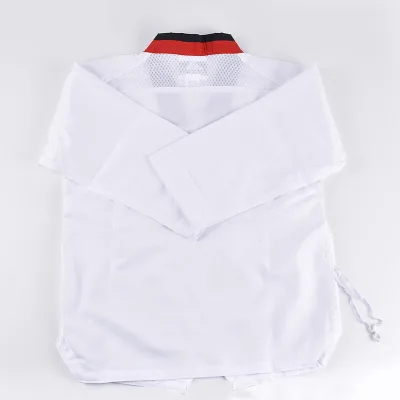
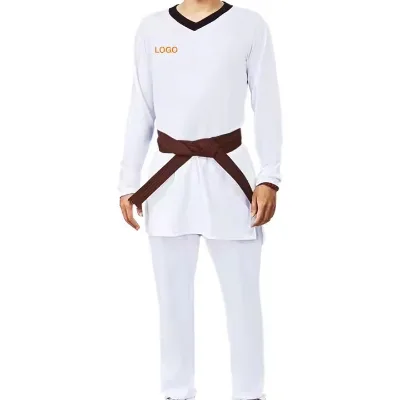
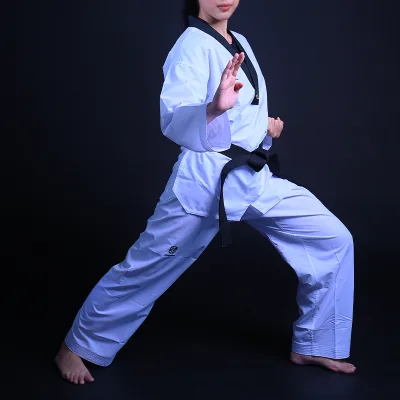
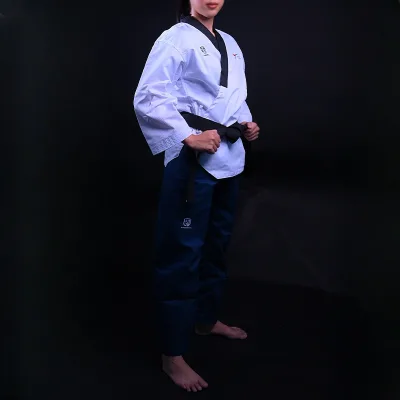
Wholesale Ultralight Wtf Strip Taekwondo Uniform Comfort Durable Training Gi
$7.08 - $7.84
MOQ: 100 sets


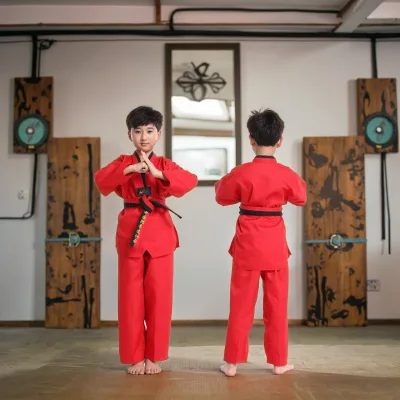


Top Quality Slim-Fit Ultra-Light World Taekwondo Uniform with Custom Logo
$13.90 - $28.90
MOQ: 30 Sets


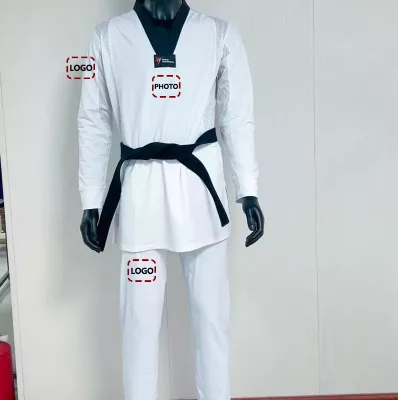


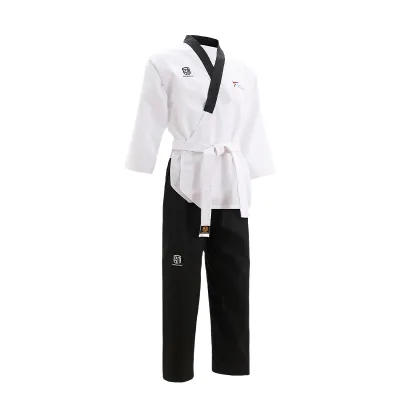
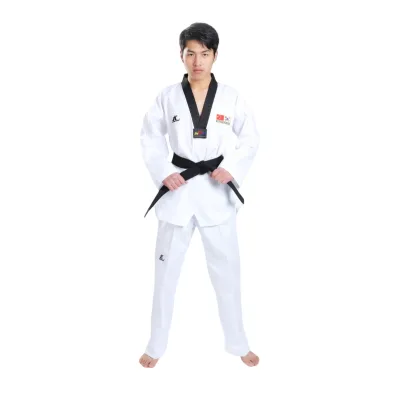


Comprehensive Sourcing Guide
Ultra Light Taekwondo Uniform Sourcing Guide
Procuring ultra light Taekwondo uniforms requires a strategic approach that balances the need for high mobility with the durability expected in competitive environments. The market offers a diverse range of options, from pure cotton blends to advanced polyester constructions, each serving different training intensities and competition standards. Buyers must navigate a landscape where "ultra light" often refers to specific fabric weights, such as the 1kg standard observed in listings, or specific weave types like ribbed diamond and twill that reduce bulk without sacrificing structural integrity.
The decision to source these uniforms hinges on understanding the specific application, whether for daily studio training, high-intensity sparring, or official WT competition. While some products are marketed specifically for training with features like breathability and washability, others are designed to meet the strict aesthetic and performance requirements of competition. A successful procurement strategy involves aligning the fabric composition, such as the 35% cotton and 65% polyester blends found in the market, with the intended usage to ensure the uniform performs reliably under the stress of dynamic movement.
Product Scope and Observed Listing Signals
The current market for ultra light Taekwondo uniforms presents a wide spectrum of material compositions and customization options that directly influence performance. Listings frequently highlight fabrics ranging from pure polyester to cotton-polyester blends, with specific weaves like small diamond and ultra-light variants designed to minimize weight. Buyers should observe that while some products are labeled with a standard weight of 1kg, others emphasize fabric characteristics such as breathability and durability, which are critical for maintaining comfort during extended training sessions.
Customization is a dominant feature in this category, with suppliers offering extensive options for logos, colors, and sizing to meet specific organizational needs. The observed data indicates that customization is widely available, including embroidered logos, printing, hangtags, and oven labels, allowing brands to create a unified look for their academies. Additionally, the product scope includes various models identified by codes such as KRS-WT and YU-011-1, suggesting that buyers must carefully match model numbers to their specific requirements for size ranges, which typically span from 100cm to 200cm or specific numerical sizes like 110 to 180.
Technical Specifications to Verify
When evaluating technical specifications, the fabric composition is the primary determinant of the uniform's weight, feel, and longevity. Buyers must verify whether the material is a pure polyester construction or a blend, such as the 35% cotton and 65% polyester ratio observed in some listings, as this affects moisture management and the "ultra light" classification. The weave type, including ribbed diamond, twill, or small diamond patterns, should be confirmed to ensure the fabric offers the necessary flexibility and resistance to tearing during high-impact techniques.
Sizing and weight standards are equally critical to verify, as inconsistencies can lead to fit issues that hinder performance or fail to meet competition regulations. The market shows a standard weight of 1kg for certain models, while size specifications vary from broad ranges like 100-200cm to specific increments like 110, 120, up to 180. It is essential to confirm that the selected model, such as those designated by codes like CY--T9 or YU-013, aligns with the intended age group and body type, ensuring the uniform provides full-body protection without restricting movement.
Compliance and Safety Documentation
While specific certification documents are not universally listed in the provided product data, buyers should prioritize suppliers who can demonstrate adherence to safety and quality standards relevant to martial arts apparel. The absence of explicit certification claims in general listings necessitates a proactive approach where the buyer requests documentation regarding fabric safety, such as the absence of harmful dyes or chemicals, to ensure the uniform is safe for all ages, including children and adults.
Safety in this context also extends to the structural integrity of the uniform, which must withstand the rigors of sparring and competition without failing. Buyers should verify that the product meets the durability expectations implied by features like "washable" and "durable," which suggest the fabric can endure repeated laundering and physical stress. Although specific test results are not provided in the source data, the expectation is that the uniform will maintain its shape and color, particularly given the variety of colors available including white, black, blue, and red, which must remain vibrant after use.
Cost Drivers and Commercial Terms
The cost of ultra light Taekwondo uniforms is driven primarily by the complexity of the fabric weave, the quality of the material blend, and the extent of customization required. Products featuring specialized weaves like ribbed diamond or ultra-light constructions often command different price points compared to standard polyester options, and the inclusion of custom logos via embroidery or printing adds to the overall unit cost. Buyers must analyze the trade-off between the initial price, which ranges from 4 to 30 USD in observed listings, and the long-term value provided by the product's service life, which can extend from 5 to 8 years for high-quality items.
Commercial terms, particularly Minimum Order Quantities (MOQ), vary significantly across suppliers and can impact the total cost of ownership. The market shows MOQs ranging from as low as 1 set to as high as 500 sets, with common thresholds observed at 30 sets, 50 sets, or 50 pieces. Understanding these thresholds is crucial for budgeting, as smaller orders may incur higher per-unit costs, while larger orders might offer volume discounts but require significant upfront capital and storage capacity.
Supplier Qualification and Quality Control
Supplier qualification should focus on the origin of the product and the consistency of their manufacturing processes, as these factors directly influence the reliability of the supply chain. The observed data indicates that products originate from regions such as Liaoning, Hebei, and China generally, suggesting a concentration of manufacturing capabilities in these areas. Buyers should verify the supplier's ability to maintain consistent quality across batches, especially when dealing with custom orders that require precise logo placement and specific fabric weights.
Quality control measures must be established to ensure that the delivered uniforms meet the specified technical requirements, such as the correct fabric blend and size accuracy. Given the variation in packing methods, from polybags to cartons, and the different model numbers available, a robust inspection process is necessary to catch defects before shipment. Buyers should request samples to verify the "ultra light" claim and the durability of the stitching, ensuring that the product matches the description of being suitable for both training and competition applications.
Long-Term Procurement Checks
Establishing a long-term procurement strategy involves monitoring the service life and performance of the uniforms over time to ensure they continue to meet the needs of the organization. The observed service life of 5 to 8 years for certain products suggests that high-quality uniforms can be a cost-effective investment if they maintain their structural integrity and appearance through repeated use and washing. Buyers should track the wear and tear on uniforms used in high-intensity environments to determine if the current selection meets the durability expectations or if a different fabric composition is required.
Continuous evaluation of supplier performance is essential for maintaining a reliable supply chain and ensuring that customization options remain consistent. As the market evolves, buyers should stay informed about new fabric technologies and model updates, such as the various KRS and YU series models, to ensure they are sourcing the most advanced and suitable products. Regular communication with suppliers regarding lead times, packing standards, and any changes in production capabilities will help mitigate risks and ensure a steady flow of high-quality Taekwondo uniforms for the organization.
FAQs
What fabric options are available for ultra light taekwondo uniforms?
Ultra light taekwondo uniforms are typically made from polyester, cotton, or a blend of 35% cotton and 65% polyester. Some models feature ribbed diamond, twill, or small diamond weaves to ensure breathability and durability. These materials are selected to provide comfort during intense training sessions while maintaining the structural integrity required for martial arts practice.
Can I customize the logo on my taekwondo uniform?
Yes, customization is available for most ultra light taekwondo uniforms. Buyers can choose from embroidery, printing, hangtags, or oven labels to add their specific logo. This service allows martial arts studios and individual practitioners to brand their gear effectively, ensuring a professional appearance that aligns with their team or school identity during competitions and daily training.
What is the typical MOQ for ordering these uniforms?
The minimum order quantity varies by supplier but generally ranges from 30 to 50 sets or pieces. Some manufacturers may accept orders as low as 1 unit for samples, while bulk orders often require 500 units. Buyers should verify the specific MOQ with the supplier before placing an order to ensure it aligns with their inventory needs and budget constraints.
What sizes are available for these uniforms?
Sizes typically range from 100cm to 200cm, covering all age groups from children to adults. Specific models may offer discrete sizes such as 110, 120, 130, 140, 150, 160, 170, and 180. This wide range ensures that both beginners and advanced practitioners can find a proper fit for their body type and height requirements.
Where are these uniforms typically manufactured?
These uniforms are primarily manufactured in China, with specific origins including Liaoning and Hebei provinces. These regions are known for their textile production capabilities and experience in martial arts apparel. Buyers can often find suppliers in these areas offering competitive pricing and reliable production capacities for bulk orders of taekwondo gear.
How durable are polyester taekwondo uniforms?
Polyester taekwondo uniforms are designed to be durable and washable, with a service life of 5 to 8 years under regular use. The fabric resists tearing and maintains its shape after multiple washes. This longevity makes them a cost-effective choice for martial arts studios and individual practitioners who require reliable gear for frequent training and competition.