Source Ultra Soft Folded Facial Tissue for Home Hotel Office
Find 30 listings for Ultra Soft Folded Facial Tissue from suppliers in China. Buyers can compare specifications like ply count, material, and customization options for home, hotel, and office applications.
Key considerations
Products List
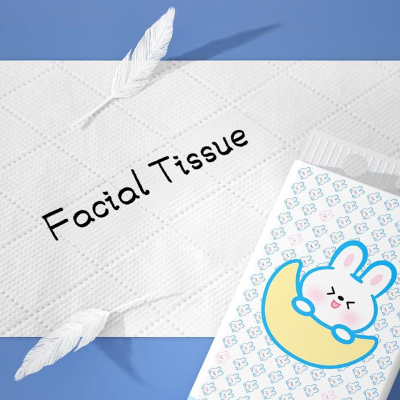
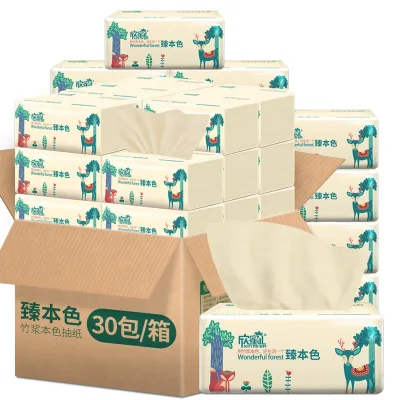


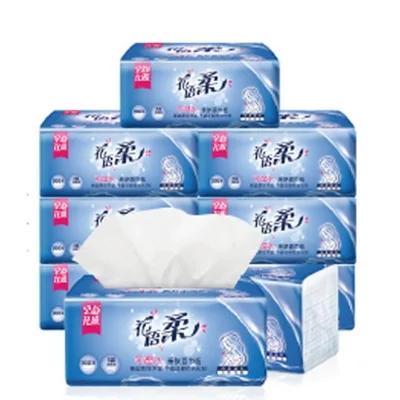


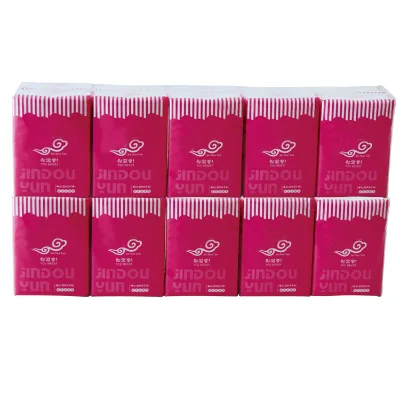


Comprehensive Sourcing Guide
Strategic Sourcing Guide for Ultra Soft Folded Facial Tissue
Procuring Ultra Soft Folded Facial Tissue requires a nuanced understanding of material science, manufacturing capabilities, and supply chain logistics. The term "ultra soft" is not merely a marketing descriptor but a functional attribute derived from specific fiber selection and processing techniques. In the B2B market, buyers must navigate a landscape where product attributes vary significantly between suppliers, even when the core keyword remains identical. This guide provides a structured approach to evaluating suppliers, verifying technical specifications, and ensuring that the final product meets the rigorous demands of commercial and retail distribution. The following sections detail the critical factors that define a successful procurement strategy for this essential hygiene product.
Material Composition and Fiber Selection
The foundation of an ultra soft facial tissue lies in the raw material used. While many suppliers offer options, the distinction between virgin wood pulp and bamboo pulp is critical for both performance and sustainability claims. The supplied data indicates that high-quality options are available using 100% virgin bamboo pulp, which naturally offers a softer texture and is often marketed as an eco-friendly alternative. Conversely, other listings specify virgin wood pulp as the primary material. Both materials can produce high-quality results, but the fiber length and processing methods determine the final tactile experience.
Buyers must verify the ply count, as this directly correlates with softness and absorbency. The observed market data reveals a wide range of ply configurations, including 2, 3, 4, and even 5-ply options. A 4-ply configuration is frequently cited in specifications for premium products, offering superior bulk and softness compared to standard 2-ply variants. However, the "ultra soft" designation often depends on the specific treatment of the fibers rather than ply count alone. When evaluating samples, procurement teams should test the tensile strength and wet strength to ensure the tissue does not disintegrate during use, a common failure point in lower-quality folded tissues. The material source, whether from Liaoning, Fujian, or Qingdao in China, should be cross-referenced with the supplier's quality control protocols to ensure consistency in fiber quality.
Technical Specifications and Dimensional Standards
Precision in dimensions and sheet count is essential for inventory management and consumer satisfaction. The supplied facts highlight specific standard sizes, such as 20x21cm, 19x20cm, and 18x19cm, alongside custom options. For folded tissues, the sheet size is a primary differentiator. A standard pocket tissue often measures around 1818cm, while larger box tissues may utilize the 200205mm standard. Buyers must confirm whether the supplier offers customized sheet sizes, as the data indicates that customization is available for specific model numbers like FT-001 and HT-0253190.
The packaging configuration is equally vital. The observed data shows packing variations ranging from 100 to 200 sheets per box, with some products offering 10 pieces per bag and 10 bags per pack. The net content per piece is another critical metric, with some listings specifying a weight of less than 50g per piece. This low weight can impact the perceived value and cost-per-use for the end consumer. When negotiating, buyers should request detailed technical sheets that explicitly state the basis weight (GSM), which in the observed data ranges from 13-18GSM. This range is relatively light, suggesting a focus on softness over bulk, which aligns with the "ultra soft" requirement. Ensuring that the sheet size and GSM are consistent across production batches is a key quality control checkpoint.
Compliance, Certification, and Safety Standards
In the hygiene products sector, compliance with safety and environmental standards is non-negotiable. While the supplied context lists CE and FSC as background certifications, buyers must treat these as potential attributes rather than guaranteed facts for every listed product. The presence of FSC (Forest Stewardship Council) certification is a strong indicator of sustainable sourcing, particularly for virgin wood pulp products. However, buyers should not assume a supplier holds this certification without requesting valid documentation. Similarly, CE marking indicates conformity with health, safety, and environmental protection standards for products sold within the European Economic Area, but its relevance depends on the target market.
Beyond certifications, the chemical safety of the tissue is paramount. Since the product is used for personal cleaning and care, it must be free from harmful substances. The data mentions that some products are "Without Flavor" and "Without Pattern," which can be advantageous for sensitive skin applications. However, buyers should verify that the bleaching process used to achieve the white color (as observed in the data) meets international safety standards for residual chlorine and dioxins. For eco-friendly claims, the use of virgin bamboo pulp is a positive indicator, but the supplier must provide evidence of the manufacturing process to support these claims. Verification of these standards should be a prerequisite before placing any order, ensuring that the product meets the regulatory requirements of the destination country.
Cost Drivers and Minimum Order Quantities
Understanding the cost structure of facial tissue production is essential for budgeting and negotiation. The observed price range in the market is extensive, spanning from $0.03 to $9000, which likely reflects the difference between single-item samples and bulk container loads. The Minimum Order Quantity (MOQ) is a significant cost driver, with observed ranges from 1 unit to 100,000 units. Specific listings indicate an MOQ of 30,000 packs or even 1*40HQ (a standard shipping container), which can be a barrier for smaller buyers.
Buyers must analyze the trade-off between unit price and order volume. Higher ply counts, custom printing, and specialized packaging (such as customized logo acceptance) will increase the unit cost. The data shows that customization is available for color, logo, and packing, which adds complexity to the production line and may extend lead times. For buyers seeking "ultra soft" tissue, the cost of virgin wood pulp or bamboo pulp is a primary factor. Additionally, the location of the origin, whether Liaoning, Fujian, or Qingdao, can influence logistics costs and import duties. It is crucial to calculate the landed cost, including freight and tariffs, rather than focusing solely on the FOB price. Negotiating flexible MOQ terms or exploring shared container loads can help mitigate the financial impact of high minimums.
Supplier Evaluation and Quality Assurance
Selecting the right supplier requires a rigorous evaluation process that goes beyond the initial product listing. The data indicates that many suppliers offer "Customized Brand" options, meaning they act as OEM manufacturers. This flexibility is beneficial for building a private label, but it requires a deep dive into the supplier's manufacturing capabilities. Buyers should assess the supplier's capacity to maintain consistency in the "ultra soft" texture, which can vary based on the batch of raw materials.
Quality assurance protocols must be clearly defined. The observed data mentions features like "Eco-friendly," "Soft," and "Comfortable," but these are subjective claims. To validate them, buyers should request third-party test results for softness, absorbency, and tensile strength. The supplier should have a documented quality control process that includes in-line inspections and final random sampling. For products with custom patterns or colors, color matching and print registration are critical quality checkpoints. Buyers should also verify the supplier's experience with the specific product type, such as bag tissue, box tissue, or pocket tissue, as the machinery and expertise required for each vary. Establishing a clear communication channel for feedback and issue resolution is essential for long-term success.
Application Scenarios and Market Positioning
The versatility of Ultra Soft Folded Facial Tissue allows for diverse applications across various sectors. The supplied data lists applications including Home, Hotel, Office, Sport, and Travel. Each of these segments has distinct requirements. For the hospitality industry, the tissue must be durable enough for repeated use in high-traffic areas while maintaining a premium feel. In the travel and sport sectors, compactness and portability are key, often favoring pocket tissue styles with smaller dimensions like 18*18cm.
For home and office use, the focus shifts to bulk packaging and cost-effectiveness, with box tissues containing 100 to 200 sheets being the standard. The "Without Flavor" and "Without Pattern" options are particularly suitable for institutional settings where allergens and visual distractions must be minimized. Buyers should align their product selection with the specific needs of their target market. For instance, a hotel chain might prioritize the "Eco-friendly" aspect and custom branding, while a travel retailer might focus on the compact size and low weight of the product. Understanding these application nuances helps in selecting the right product specifications and packaging configurations to maximize market appeal.
Long-Term Procurement and Supply Chain Resilience
Establishing a long-term partnership with a supplier is crucial for maintaining product consistency and supply chain stability. The observed data shows a variety of model numbers and specifications, indicating that suppliers may have multiple production lines. Buyers should aim to standardize their orders to leverage economies of scale and simplify logistics. Consistency in the "4 Ply" or "2 Ply" specification is vital; frequent changes can disrupt the production schedule and affect quality.
Supply chain resilience involves assessing the supplier's ability to handle fluctuations in demand and raw material availability. Given the reliance on virgin wood pulp or bamboo pulp, supply disruptions in the forestry sector can impact production. Buyers should inquire about the supplier's inventory management and their ability to secure raw materials during peak seasons. Additionally, the lead time for customized orders, which may include logo printing and special packaging, should be clearly defined to avoid delays in product launches. Building a relationship with a supplier who offers flexible customization and reliable quality control will ensure that the "ultra soft" promise is consistently delivered to the end consumer.
FAQs
What materials are used for Ultra Soft Folded Facial Tissue?
Ultra Soft Folded Facial Tissue is typically made from virgin wood pulp or 100% virgin bamboo pulp. These materials provide the necessary softness and absorbency required for personal cleaning care in home, office, and hotel settings.
How many ply options are available for these tissues?
Buyers can choose from 2, 3, 4, or 5 ply configurations depending on the desired softness and durability. A 4-ply option is often cited for premium products offering superior bulk compared to standard 2-ply variants.
Can I customize the logo and packaging for this product?
Yes, customized logo and packing options are acceptable for this product. Suppliers offer flexible customization for color, pattern, and packaging configurations to meet specific brand requirements and market positioning needs.
What are the standard sheet sizes for folded facial tissues?
Standard sizes include 20x21cm, 19x20cm, and 18x19cm, with custom sheet sizes also available. Pocket tissues often measure around 18x18cm, while larger box tissues may utilize the 200x205mm standard.
What is the minimum order quantity for these tissues?
Minimum order quantities vary significantly, ranging from single items to 100,000 units. Some specific listings indicate an MOQ of 30,000 packs or a full 40HQ container, which impacts budgeting for smaller buyers.
Where are these tissues manufactured and shipped from?
Products originate from various locations in China, including Liaoning, Fujian, and Qingdao. The place of origin influences logistics costs and import duties, so buyers should verify the specific factory location before ordering.
Are there specific certifications required for safety and sustainability?
While CE and FSC are mentioned as potential certifications, they are not guaranteed for every listed product. Buyers must request valid documentation to verify compliance with safety standards and sustainable sourcing claims.