Source Universal Fit Diving Mouthpiece for Scuba, Freediving, Snorkeling
Compare 30 listings for a Universal Fit Diving Mouthpiece made from food grade or medical grade silicone. Buyers can evaluate models like FLX-9336 and MP02, check customization options, and review pricing and MOQ details for bulk orders.
Key considerations
Products List


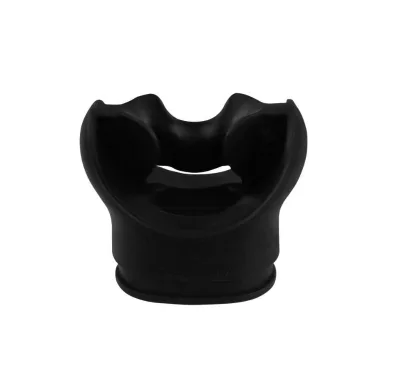
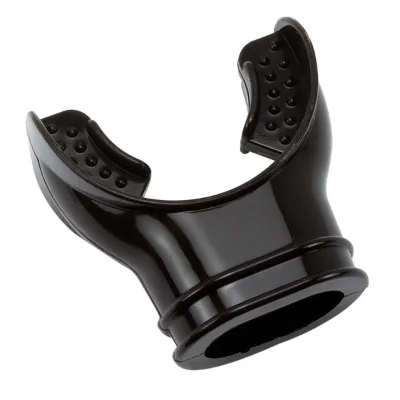
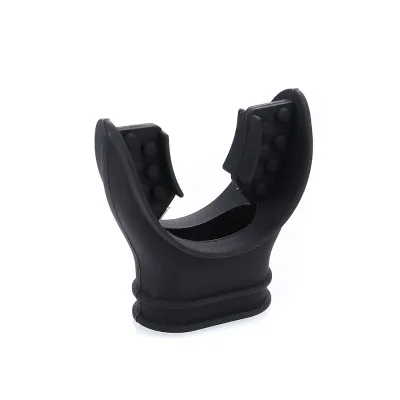
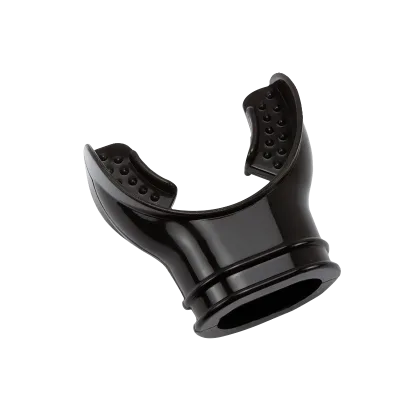
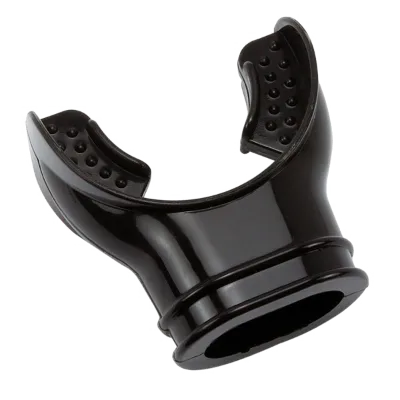
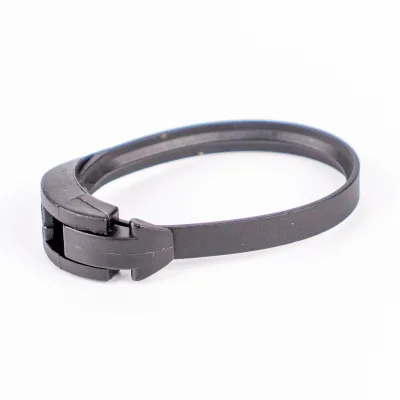
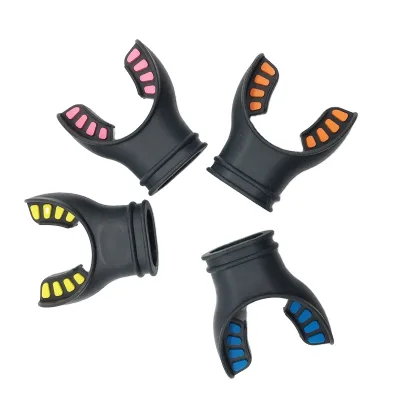
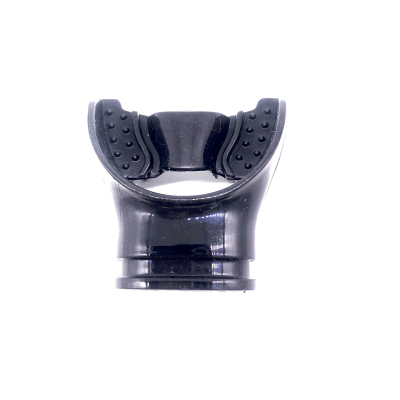

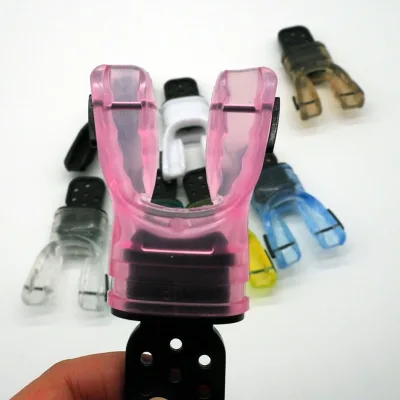
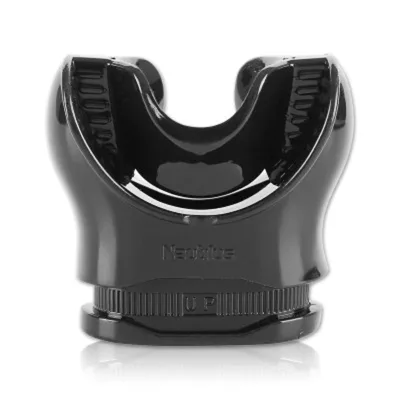
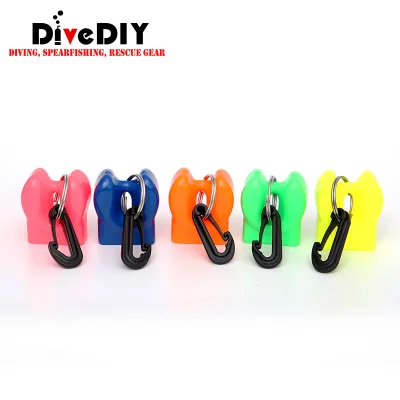


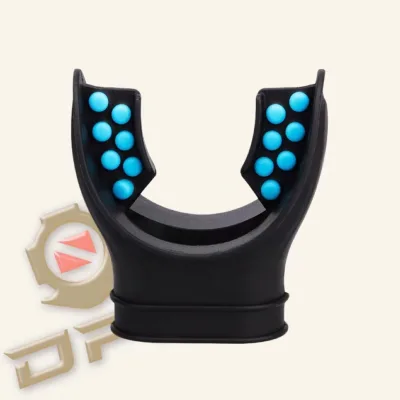
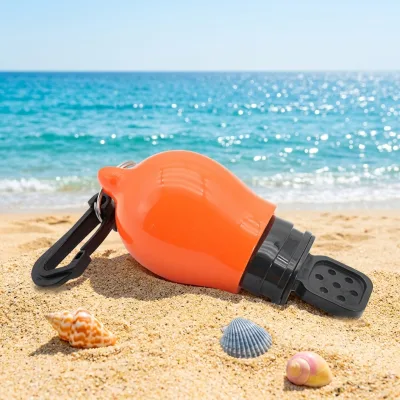
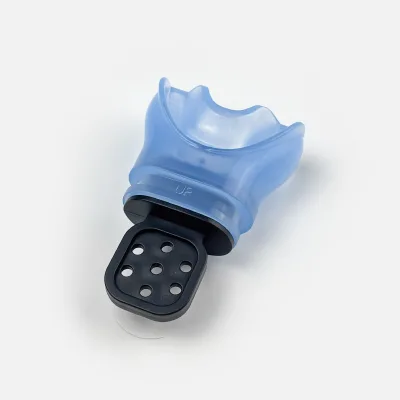
Premium Diving Mask with Advanced Silicone Mouthpiece for Ultimate Comfort
$3.68 - $8.68
MOQ: 1000 Pieces
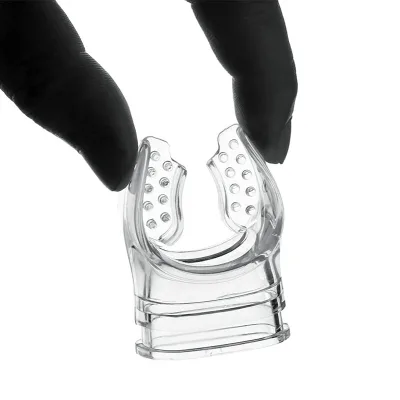
Comprehensive Sourcing Guide
Strategic Sourcing Guide for Universal Fit Diving Mouthpieces
The global market for scuba diving accessories relies heavily on the reliability and safety of secondary components, with the Universal Fit Diving Mouthpiece serving as a critical interface between the regulator and the diver. For procurement professionals and B2B buyers, sourcing this specific component requires a nuanced understanding of material science, regulatory compliance, and supply chain logistics. The objective is not merely to acquire a part but to secure a supply chain that guarantees safety, consistency, and cost-efficiency across varying order volumes. This guide synthesizes available market data to provide a structured approach to evaluating and selecting universal fit diving mouthpieces, ensuring that procurement decisions are grounded in verified facts rather than speculative claims.
Technical Specifications and Material Integrity
The foundation of a reliable diving mouthpiece lies in its material composition and dimensional consistency. In the current supply landscape, the dominant material specification for these components is silicone, specifically categorized as Food Grade Silicone or Medical Grade Silicone. These classifications are not interchangeable; they denote distinct manufacturing standards regarding purity and biocompatibility. Procurement teams must verify that the supplier explicitly states "Food Grade" or "Medical Grade" on product datasheets, as these terms indicate the absence of harmful plasticizers and toxins that could leach into the water or the diver's mouth. Some listings also reference "Non-toxic silicone" as a baseline attribute, which, while accurate, should be substantiated by the higher-grade certifications mentioned above.
Dimensional specifications are equally critical for the "universal fit" claim. Market observations indicate that successful products often list their size as "Universal Size" or "Universal for any regulators," suggesting a design intended to accommodate various second-stage regulator brands without modification. However, buyers must be cautious with the term "Universal." While some models, such as those identified by model numbers like FLX-9336, FLX-4965, or FLX-9449, are marketed as universal, the physical fit depends on the specific connector geometry of the regulator being used. Other listings specify "Normal" size or provide specific package dimensions, such as 17x14x8.5 cm or 10x10x4 cm, which serve as proxies for the product's physical footprint.
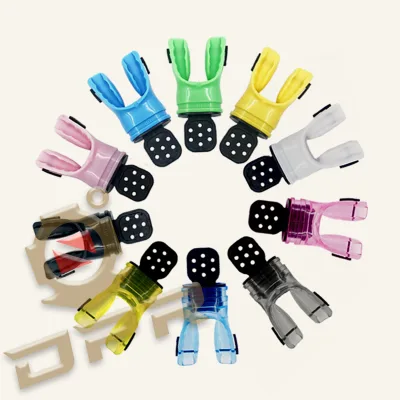
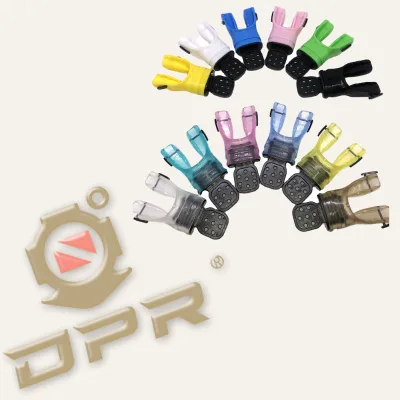
Color options are a significant differentiator in this category. Available observations list a wide spectrum including Black, White, Gray, Yellow, Orange, Red, Pink, and Green. While color is often an aesthetic choice, it can serve functional purposes in low-light environments or for team identification. Some suppliers offer "Custom Color" options, which requires a minimum order quantity (MOQ) to be economically viable. The standard packaging for these items varies from simple poly zipper bags to individual cartons, with specific gross weights ranging from 0.150 kg to 0.530 kg per unit or package. Understanding these physical attributes is essential for calculating shipping costs and storage requirements.
Compliance, Certification, and Safety Standards
Safety is the paramount concern in the diving industry, and procurement must prioritize products that adhere to recognized safety standards. While specific regulatory bodies vary by region, the presence of a CE Certificate is a frequently observed attribute in the supply chain for these products. This certification indicates that the product meets European Union safety, health, and environmental protection requirements. Buyers should treat the presence of a CE mark as a baseline requirement but must verify that the certification is current and applicable to the specific product model.
The concept of "customized" standards is also prevalent in this sector. Some suppliers list their product standard as "customizad," implying that they can tailor the manufacturing process to meet specific client requirements or regional regulations. This flexibility is valuable for large buyers who may need to align products with local diving authority standards. However, this also places the onus on the buyer to define these standards clearly in the purchase order.
Beyond formal certifications, material safety is a critical compliance factor. The use of "Food Grade" and "Medical Grade" silicone inherently addresses many toxicity concerns, but buyers should request Material Safety Data Sheets (MSDS) or specific test reports to confirm the absence of heavy metals, phthalates, or other harmful substances. The attribute "Non-toxic" is often listed, but without third-party verification, it remains a supplier claim rather than a verified fact. Therefore, the procurement strategy should include a requirement for independent lab testing results, particularly for products intended for commercial or professional diving applications where liability is a significant concern.
Cost Drivers and Pricing Dynamics
The pricing structure for universal fit diving mouthpieces is influenced by several variables, including material grade, customization level, and order volume. Market data indicates a wide observed price range in USD, spanning from $0.16 to $12.50. This broad spectrum reflects the diversity of product quality and the scale of the transaction. The lower end of the range typically corresponds to basic, non-customized units with minimal packaging, often sold in bulk. The higher end may reflect premium medical-grade materials, custom branding, or smaller order quantities that do not benefit from economies of scale.
Minimum Order Quantity (MOQ) is a primary driver of unit cost. Observations show an MOQ range from 1 piece to 1000 pieces. Suppliers often offer a "Single item" selling unit with an MOQ of 1 PC, which is ideal for sampling or small-scale testing. However, to access the most competitive pricing and to qualify for custom services like logo printing or color customization, buyers often need to meet higher thresholds. For instance, logo customization is frequently available with an MOQ of 100 pieces. This tiered pricing model means that procurement strategies must balance the immediate need for product samples against the long-term goal of securing lower unit costs through volume.
Packaging details also impact the final cost. Some suppliers offer basic packaging, such as a single piece in a poly zipper bag, while others provide more robust solutions like carton boxes, which are necessary for over 100 pieces to accept OEM customization. The choice of packaging affects both the unit price and the logistics costs. Buyers should calculate the total landed cost, including shipping and handling, rather than focusing solely on the per-unit price. The single gross weight of the product, ranging from 0.150 kg to 0.530 kg, is a key factor in determining freight charges, especially for air freight where weight is a primary cost driver.
Typical Applications and Usage Scenarios
Universal fit diving mouthpieces are designed for a broad range of aquatic activities, making them versatile assets for divers and equipment retailers. The primary usage scenarios identified in the market include scuba diving, freediving, spearfishing, and snorkeling. These applications demand different levels of durability and comfort, but the core function remains the same: to provide a secure, comfortable, and hygienic connection between the diver and the regulator.
The "All Seasons" attribute suggests that these products are suitable for use in various environmental conditions, from the warm waters of tropical snorkeling trips to the colder depths of winter scuba diving. The material properties of silicone, such as being soft, odorless, and durable, are specifically engineered to withstand the rigors of these environments. The product is designed to connect the second-stage regulator, ensuring a reliable airflow path. For professional divers, the "Durable" and "easy" features are critical, as equipment failure in underwater environments can be catastrophic.
The target demographic for these products is generally "14 Years & up," indicating that they are suitable for teenagers and adults. This age specification is important for retailers and rental companies to ensure they are stocking appropriate inventory for their customer base. The versatility of the product allows it to be used in training scenarios, recreational diving, and professional operations. Buyers should consider the specific needs of their end-users when selecting a model. For example, a retailer focusing on freediving might prioritize models with specific color options for visibility, while a commercial dive operator might prioritize durability and ease of cleaning.
Supplier Evaluation and Sourcing Strategy
Evaluating suppliers for universal fit diving mouthpieces requires a multi-faceted approach that goes beyond price comparison. Geographic origin is a significant factor, with major production hubs identified in Xiamen, China, and Guangdong, China. These regions have established supply chains for silicone products, but buyers should verify the specific capabilities of each supplier. The presence of a "Brand Name" such as Hotdive or the option for "Customer logo/Hotdive/no brand" indicates that suppliers offer both branded and white-label solutions.
When evaluating potential partners, buyers should assess the supplier's ability to handle customization. The availability of "Custom Color" and "Customed with brand logo" services suggests that many suppliers are flexible. However, the MOQ for these customizations, often 100 pieces, must be factored into the procurement plan. Additionally, the "Packaging Details" section of supplier listings often reveals their operational maturity. Suppliers who offer detailed packaging options, such as "one piece+one tie into a poly zipper bag" or "by carton box," demonstrate a higher level of logistical capability.
Lead times and production capacity are other critical evaluation criteria. While specific lead times are not universally provided in the available data, the MOQ ranges suggest that suppliers can handle both small and large orders. Buyers should inquire about production schedules and capacity to ensure that the supplier can meet demand peaks. The "Selling Units" attribute, which often lists "Single item," indicates that suppliers are willing to accommodate small orders, which is beneficial for initial testing. However, for long-term procurement, establishing a relationship with a supplier who can handle larger volumes is essential for cost stability.
Quality Control and Long-Term Procurement Considerations
Ensuring consistent quality in the supply of diving mouthpieces requires a robust quality control (QC) framework. Given the critical nature of the product, buyers should implement a multi-stage QC process. This includes pre-production sampling, in-process inspection, and final random inspection. The "Feature" attributes listed, such as "Durable," "soft," and "odorless," should be verified through physical testing rather than relying solely on supplier descriptions. Buyers should request samples that can be subjected to stress tests, such as bending, stretching, and exposure to chlorine or saltwater, to ensure the material retains its integrity over time.
Long-term procurement considerations also involve supply chain resilience. The variability in product models, such as FLX-9336, FLX-4965, and MP02, suggests that buyers should not rely on a single model for their entire inventory. Diversifying the product mix can mitigate the risk of supply disruptions. Additionally, the "Customizad" standard mentioned in the data highlights the importance of maintaining clear communication with suppliers regarding any changes in specifications or standards.
Finally, buyers should consider the lifecycle of the product. Silicone mouthpieces are subject to wear and tear, and the "Durable" claim should be validated through real-world usage data. Establishing a feedback loop with end-users can help identify any recurring issues, such as discoloration, cracking, or discomfort. This data can then be used to refine future procurement specifications and ensure that the supplier continues to meet the evolving needs of the market. By focusing on these long-term considerations, buyers can build a sustainable and reliable supply chain for universal fit diving mouthpieces.
FAQs
What materials are used for universal fit diving mouthpieces?
These mouthpieces are made from Food Grade Silicone or Medical Grade Silicone to ensure safety. Some listings also specify Non-toxic silicone as a baseline attribute. These materials are chosen for their durability and lack of harmful plasticizers.
Can I customize the color and logo on these mouthpieces?
Yes, customization is available for both color and branding. You can select from Black, White, Gray, Yellow, or other colors. Custom logos require a minimum order quantity of 100 pieces to be economically viable for production.
What is the minimum order quantity for these diving accessories?
The minimum order quantity ranges from 1 piece to 1000 pieces depending on the supplier. Single item orders are possible for sampling, but custom branding typically requires an MOQ of 100 pieces. Bulk orders often benefit from lower unit costs.
Which certifications do these mouthpieces typically hold?
Many products in this category hold a CE Certificate to meet European safety standards. Some suppliers also list their product standard as customized to meet specific client requirements. Buyers should verify that the certification is current and applicable to the specific model.
Where are these universal fit mouthpieces manufactured?
The primary production locations are Xiamen, China, and Guangdong, China. These regions have established supply chains for silicone products. Buyers should verify the specific capabilities of each supplier in these locations to ensure quality and logistics efficiency.
How do the packaging details affect shipping costs?
Packaging varies from simple poly zipper bags to carton boxes for larger orders. The single gross weight ranges from 0.150 kg to 0.530 kg, which directly impacts freight charges. Choosing robust packaging is essential for orders over 100 pieces to accept OEM customization.