Source Universal Fit LED Motorcycle Headlight for bikes, scooters, ATVs
Compare 30 Universal Fit LED Motorcycle Headlight options from verified Chinese suppliers. Buyers can evaluate models like JL-MT-004 and 26051439-60S based on voltage, waterproof ratings, and customization availability. These units feature LED or COB light sources with varying wattages and universal compatibility for diverse vehicle types.
Updated
Key considerations
Products List


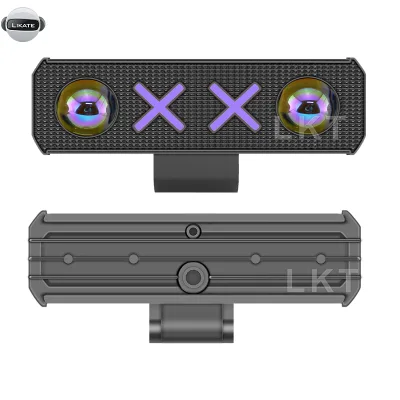
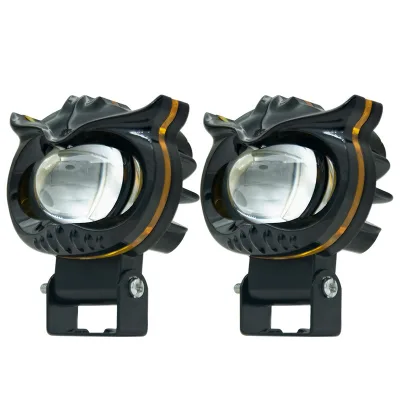
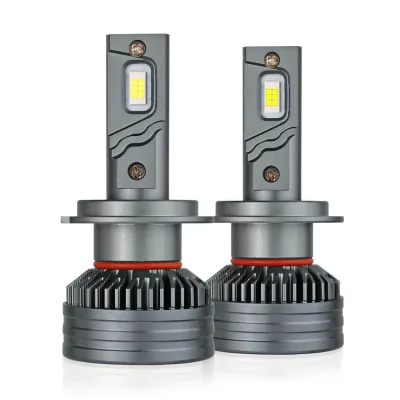
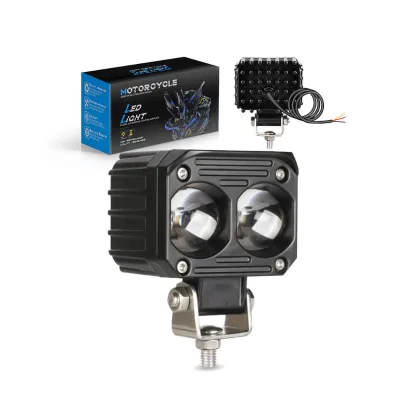
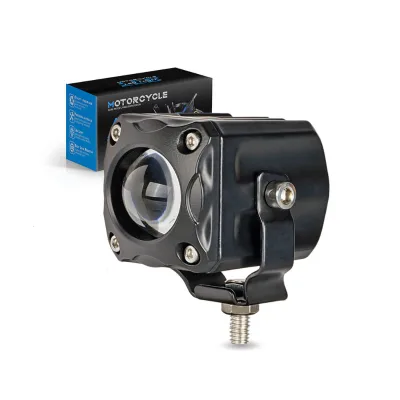
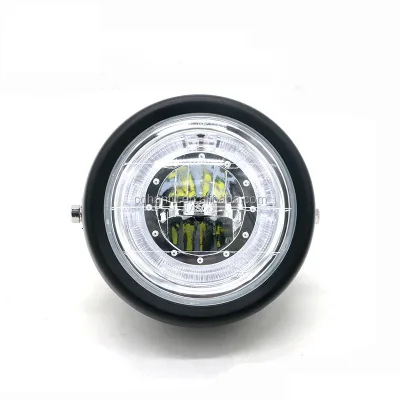


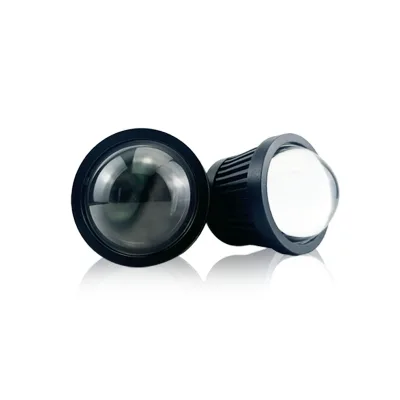
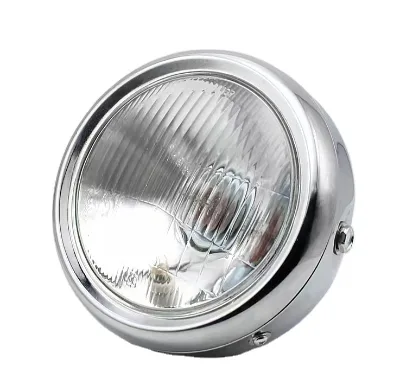
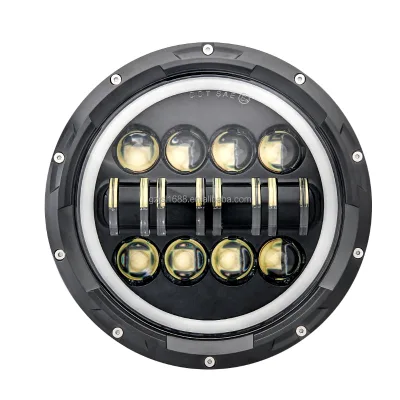
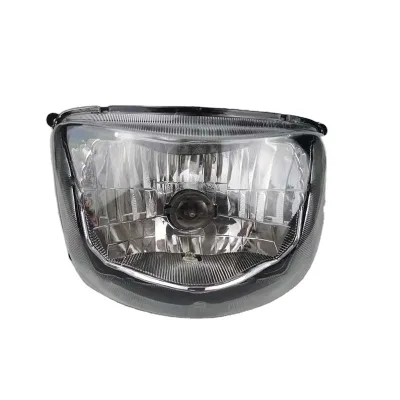
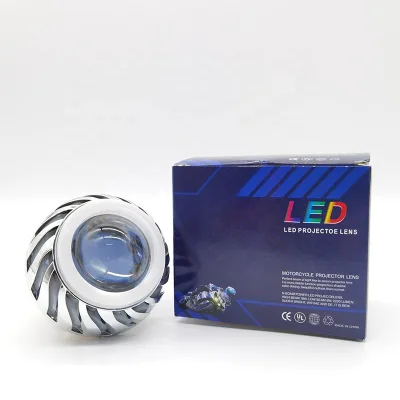
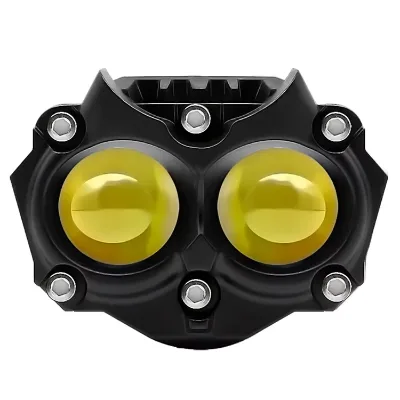
Comprehensive Sourcing Guide
Universal Fit LED Motorcycle Headlight Sourcing Guide
Procuring universal fit LED motorcycle headlights requires careful alignment between the product's physical dimensions and the specific mounting requirements of the target vehicle. The observed market data indicates a diverse range of standard sizes, including units with a 70mm diameter and others measuring 62mm in length with a 24mm diameter. Buyers must verify that the selected model, such as the JL-MT series or specific P15D variants, matches the existing housing aperture to ensure a seamless installation without requiring extensive modification.
Beyond physical fitment, the electrical compatibility of the headlight is critical for a successful procurement outcome. The available inventory supports a broad voltage spectrum, ranging from 10-30V to 8-80V, which accommodates various motorcycle electrical systems. Sourcing agents should confirm that the unit's voltage rating aligns with the vehicle's battery output to prevent premature failure, while also checking that the current draw, observed between 22W and 90W, does not exceed the capacity of the motorcycle's charging system.
Product Scope and Observed Listing Signals
The current market for universal LED headlights presents a wide array of functional configurations, primarily focusing on dipped headlight and high beam capabilities. Listings frequently highlight customization options for branding and packaging, allowing buyers to tailor the final product to their specific distribution needs. The material composition is predominantly LED, often paired with aluminum housings to ensure durability, while some units feature COB light sources for enhanced brightness and efficiency in low-light conditions.
Visual and environmental resistance attributes are key differentiators among the available products. Many units are explicitly marked as waterproof, with specific models achieving an IP67 rating to withstand harsh riding conditions. Additional resistance features include shock resistance, which is essential for off-road applications, and laser logo marking for brand identification. Buyers should scrutinize these attributes to ensure the selected headlight can endure the specific environmental stresses of the intended market, whether urban commuting or rugged terrain exploration.
Technical Specifications to Verify
When evaluating technical specifications, the light source type and power consumption are primary decision factors for performance and longevity. The observed data reveals a mix of LED and COB technologies, with power ratings varying significantly from 22W to 90W depending on the model. Procurement teams must verify that the chosen wattage provides adequate illumination for the vehicle's speed and usage profile without overloading the electrical system, ensuring a balance between brightness and energy efficiency.
Mounting standards and lens configurations also demand rigorous verification to guarantee a universal fit. Specifications indicate standard diameters of 70mm or specific length and diameter combinations like 62mm by 24mm, which must match the motorcycle's headlight bucket. Furthermore, the number of lenses, such as the two-lens configuration found in certain models, affects the light distribution pattern. Buyers should confirm that the physical dimensions and lens arrangement align with the vehicle's design to avoid fitment issues that could compromise safety or aesthetics.
Compliance and Safety Documentation
Certification requirements are a non-negotiable aspect of sourcing motorcycle lighting components for international markets. The available product data explicitly lists CCC and SONCAP certifications, which are essential for selling in specific regions like China and Nigeria. Procurement professionals must request valid certification documents for every batch to ensure legal compliance and market access, as the absence of these credentials can lead to customs seizures or legal liabilities in the destination country.
Safety standards regarding water resistance and electrical stability are equally critical for product reliability and user safety. While some listings specify an IP67 waterproof rating, buyers should verify that this standard is consistently met across all units in a production run. Additionally, the voltage range of 8-80V suggests robust electrical design, but documentation should confirm that the internal circuitry protects against voltage spikes and short circuits, ensuring the headlight remains safe under varying operating conditions.
Cost Drivers and Commercial Terms
Pricing in the universal LED headlight market is influenced by a combination of material costs, certification fees, and order volume. The observed price range spans from $1.80 to $26.80, reflecting differences in light source technology, build quality, and included features like laser logos or custom packaging. Buyers should analyze the cost per unit against the specific technical specifications to determine the value proposition, ensuring that lower prices do not compromise essential safety or performance attributes.
Minimum Order Quantities (MOQ) and packaging terms significantly impact the total cost of ownership and inventory management strategy. The market data shows MOQs ranging from 2 to 300 pieces, with some specific models requiring a minimum of 20 units. Customization options for packing, such as cartons or bespoke designs, may incur additional costs or require higher volume commitments. Procurement planners must negotiate terms that balance the need for inventory flexibility with the economies of scale offered by larger order quantities.
Supplier Qualification and Quality Control
Supplier qualification begins with verifying the place of origin and manufacturing capabilities, as the data indicates a concentration of production in Guangdong, China. Buyers should assess the supplier's ability to maintain consistent quality across different models, such as the JL-MT series or the 26051439-60S variants. It is essential to confirm that the supplier has established processes for quality control that ensure every unit meets the stated specifications for voltage, current, and physical dimensions before shipment.
Quality assurance protocols must extend to the final product condition and packaging integrity. All listed items are described as new, but buyers should implement incoming inspection procedures to verify that the aluminum housings and LED components are free from defects. The single package size of 16x7x6 cm for certain models suggests standardized packaging, but suppliers should be required to demonstrate that their packing methods protect the lights from damage during transit, especially given the shock-resistant nature of the product.
Long-Term Procurement Checks
Establishing a long-term procurement strategy requires regular audits of product consistency and supplier performance over time. Buyers should monitor whether the supplier can consistently deliver units that match the initial samples in terms of voltage range, waterproof rating, and light output. Continuous verification of certifications like CCC and SONCAP is necessary to ensure that regulatory compliance does not lapse, protecting the supply chain from unexpected disruptions or legal challenges in the target markets.
Future-proofing the supply chain involves staying informed about evolving standards and technological advancements in LED lighting. As the market shifts towards higher efficiency and smarter lighting solutions, buyers should maintain open communication with suppliers regarding potential upgrades to their product lines. Regular reviews of the product portfolio, including new models like the LKT-SD-121, will help ensure that the sourcing strategy remains competitive and aligned with the changing demands of the motorcycle industry.
FAQs
What certifications do these universal fit LED motorcycle headlights have?
These universal fit LED motorcycle headlights carry CCC and SONCAP certifications. The product specifications confirm compliance with these standards, ensuring they meet required safety and quality benchmarks for international markets without needing additional testing.
Can I customize the packaging for these universal fit LED motorcycle headlights?
Yes, the packaging for these universal fit LED motorcycle headlights can be customized. Buyers may request specific packing arrangements to suit their distribution needs, allowing for flexibility in how the products are shipped and presented to end customers.
Which voltage range supports these universal fit LED motorcycle headlights?
These universal fit LED motorcycle headlights operate within a voltage range of 8 to 80 volts. Some specific models support 10 to 30 volts or 9 to 32 volts, ensuring compatibility with various motorcycle electrical systems and battery configurations.
How is the resistance of these universal fit LED motorcycle headlights defined?
These universal fit LED motorcycle headlights are designed to be waterproof and shock-resistant. This dual resistance ensures durability in harsh riding conditions, protecting the internal LED components from water ingress and physical impacts during normal motorcycle operation.
What is the minimum order quantity for these universal fit LED motorcycle headlights?
The minimum order quantity for these universal fit LED motorcycle headlights starts at 2 pieces. Some specific listings indicate a requirement of 20 pieces, allowing buyers to choose suppliers based on their specific inventory and procurement volume requirements.
Which materials are used to construct these universal fit LED motorcycle headlights?
These universal fit LED motorcycle headlights are constructed using LED light sources and aluminum materials. The aluminum housing provides structural integrity and heat dissipation, while the LED technology ensures efficient illumination for both dipped headlight and high beam functions.