Source Universal Fitment Bus Tail Light for fleets, transit, and coaches
Compare 30 listings for Universal Fitment Bus Tail Light options featuring LED technology, E-mark certification, and waterproof ratings. Buyers can evaluate specifications like voltage, material, and delivery times from Jiangsu suppliers to find the right upgrade for their vehicles.
Key considerations
Products List
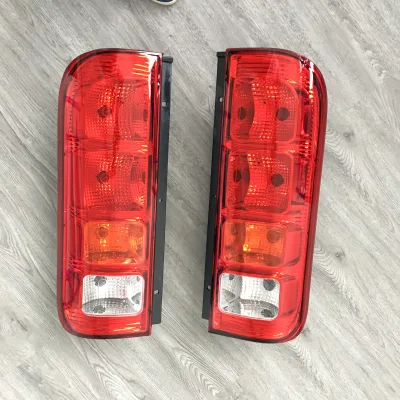


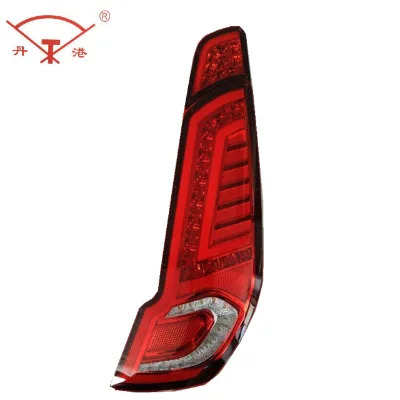

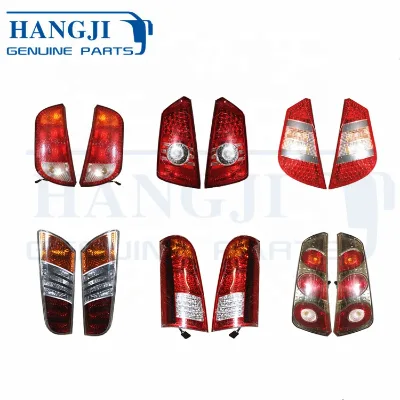
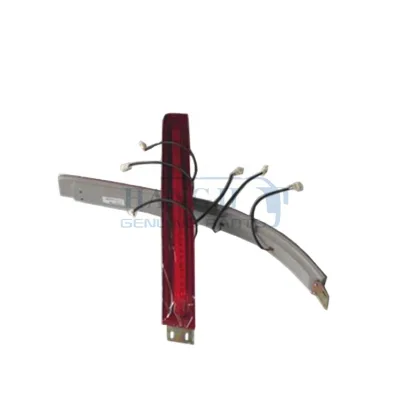
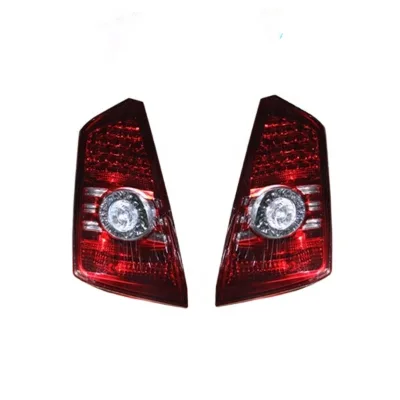
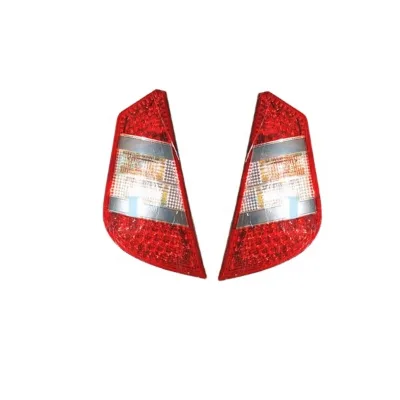
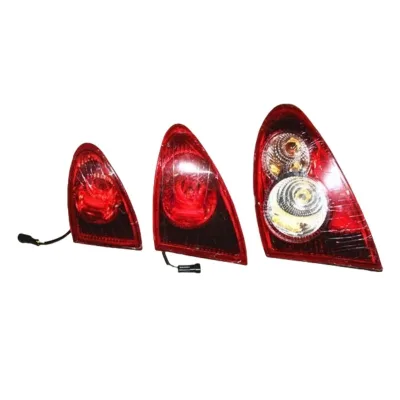
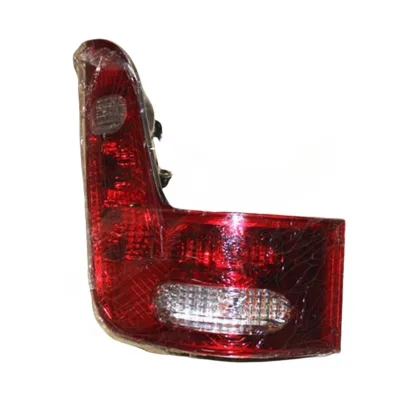


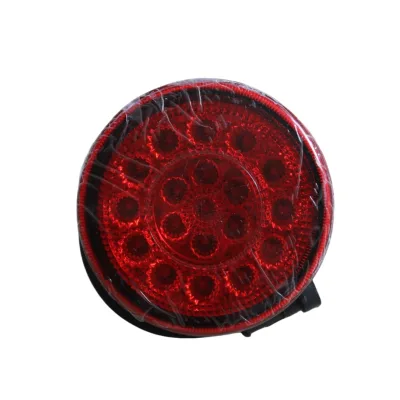
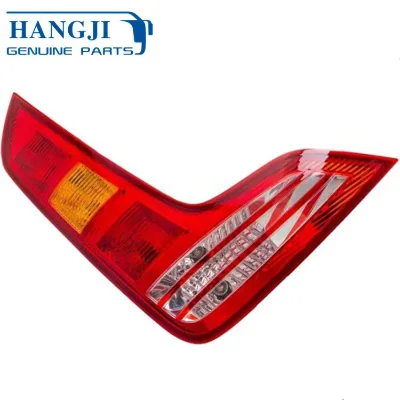
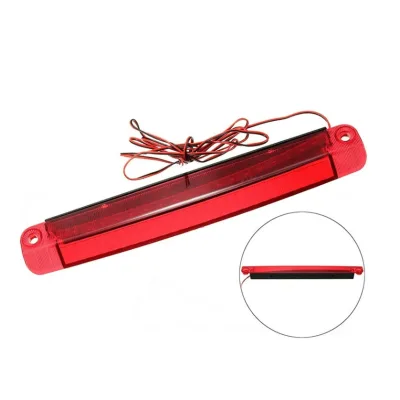

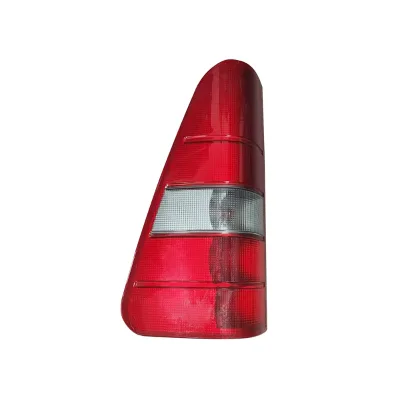
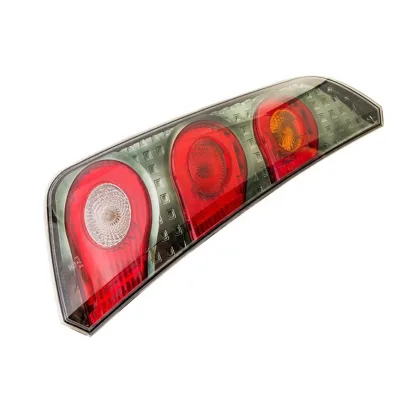
Truck Parts Truck Lights Combination Tail Lights LED Trailer Light Taillights
$13.00 - $16.00
MOQ: 50 Pieces

Comprehensive Sourcing Guide
Strategic Sourcing Guide for Universal Fitment Bus Tail Lights
Procuring universal fitment bus tail lights requires a disciplined approach that balances technical compatibility with rigorous supply chain verification. In the commercial transport sector, lighting components are not merely aesthetic additions but critical safety systems. The market offers a diverse array of options, ranging from standard retrofit units to high-performance LED assemblies designed for heavy-duty applications. Buyers must navigate a landscape where "universal" often implies a need for significant customization or adapter integration rather than a direct plug-and-play solution. This guide outlines the essential factors for sourcing these components effectively, focusing on the specific attributes observed in current market listings, such as voltage requirements, material composition, and certification standards.
Technical Specifications and Material Integrity
The foundation of a successful procurement strategy lies in understanding the precise technical specifications of the tail lights. A primary observation in the current market is the variation in voltage systems. While some units are explicitly rated for 24V, which is standard for heavy-duty buses and trucks, others support a dual-voltage configuration of 24V/12V. This distinction is critical; installing a 24V-only unit on a 12V system can result in insufficient illumination, while a 12V unit on a 24V system risks immediate burnout. Buyers must verify the electrical rating of every unit against their specific fleet's electrical architecture before placing an order.
Material composition is another decisive factor in longevity and performance. The observed product data highlights two primary material combinations: PP+PMMA and PC+ABS. Polypropylene (PP) combined with Polymethyl methacrylate (PMMA) offers a balance of impact resistance and optical clarity, often used for the lens and housing. Conversely, Polycarbonate (PC) blended with Acrylonitrile Butadiene Styrene (ABS) provides superior durability against UV degradation and physical impact, which is essential for vehicles operating in harsh environments. The choice between these materials should be dictated by the operational climate of the bus fleet. Furthermore, the lamp type is consistently identified as LED, which offers significant advantages in energy efficiency and response time compared to traditional incandescent bulbs. The base types observed, such as H5W and W5W, indicate specific socket compatibility that must be cross-referenced with existing vehicle wiring harnesses.
Compliance, Certification, and Safety Standards
In the realm of commercial vehicle lighting, compliance is non-negotiable. The presence of E-mark certification in the product data signals adherence to specific European safety standards, which is a strong indicator of quality for international buyers. However, the term "universal fitment" does not automatically guarantee compliance with local regulations in every jurisdiction. Buyers must verify that the specific model, such as those with model numbers like DB-T01-046 or DB-T04-282B, carries the necessary certifications for the target market. While CE is mentioned in background data, it should not be assumed as a concrete claim without explicit documentation on the product listing.
Waterproofing is a critical safety and durability feature. The data indicates an IP67 rating for certain high-quality units, suggesting protection against temporary immersion in water. This is a vital specification for buses operating in regions with heavy rainfall or snow. Buyers should demand test reports or manufacturer declarations confirming the IP rating, as the "Waterproof" attribute alone is a qualitative claim that requires quantitative backing. Additionally, the "Standard" designation for product standards implies adherence to general industry norms, but specific regional standards (such as FMVSS in the US or ECE regulations in Europe) must be confirmed on a per-unit basis to ensure legal roadworthiness.
Cost Drivers and Pricing Dynamics
Understanding the cost structure of bus tail lights is essential for budgeting and negotiation. The observed price range in the market spans from $1.40 to $106.00 USD. This wide disparity is driven by several factors, including the complexity of the LED array, the quality of the housing materials, and the level of certification. Lower-priced units often represent basic retrofit options with standard LED configurations, while the higher end of the spectrum likely includes units with advanced features such as high-mount brake light integration, specific OEM-style designs, or enhanced waterproofing.
The Minimum Order Quantity (MOQ) is another significant cost driver. Listings show an MOQ range from 1 to 500 units. A buyer seeking a single replacement unit may face a higher per-unit cost or limited supplier options, whereas purchasing in bulk can unlock lower pricing tiers. The "Selling Units" attribute indicates that single-item purchases are possible, but the "Supply Ability" of 10,000 pairs per month suggests that suppliers are geared toward volume orders. Buyers should calculate the total cost of ownership, including shipping and potential customization fees, rather than focusing solely on the unit price. The "Neutral Packing" and "Standard export carton" options also influence logistics costs, as specialized packaging may incur additional charges.
Typical Applications and Fitment Considerations
The "universal" nature of these tail lights is best understood in the context of retrofit and upgrade purposes. The product data explicitly states the purpose as "for retrofit/upgrade," indicating that these lights are designed to replace older, non-compliant, or damaged units on existing bus fleets. The "Placement" attribute, listed as "Rear" and "High Mount Brake Light," confirms their application in standard bus configurations. The dimensions provided, such as 605383346MM for specific models, highlight that "universal" does not mean "one size fits all." Buyers must carefully compare the physical dimensions of the new lights against the mounting points and available space on the bus rear panel.
The "Type" is consistently identified as "Tail lamp" or "TAIL LIGHT," and the "Function" is described as "Back Position Lamp." This confirms their role in signaling vehicle presence and braking status. However, the variation in base types (H5W, W5W) and voltage requirements means that a single universal model may not fit every bus. In many cases, universal fitment requires the use of adapter harnesses or custom wiring solutions. Buyers should assess the complexity of the installation process and whether the supplier offers technical support for integration. The "OEM & ODM: Welcome" attribute suggests that suppliers are open to customizing the lights to match specific bus models, which can be a viable strategy for achieving a true fitment solution.
Supplier Evaluation and Supply Chain Reliability
Selecting the right supplier is as important as selecting the right product. The product data reveals that the "Place of Origin" is Jiangsu, China, with specific mentions of "Js, China." This region is a known hub for automotive lighting manufacturing, offering a competitive advantage in terms of supply chain maturity. However, buyers must evaluate the supplier's reliability beyond the location. Key indicators include the "Delivery Time," which ranges from 7-15 days to 15-25 days depending on the order specifics. A supplier with a consistent lead time is preferable to one with erratic shipping schedules, especially for fleet maintenance where downtime is costly.
Payment terms are another critical evaluation point. The data lists "T/T" (Telegraphic Transfer) as a standard payment method, with some suppliers accepting "L/C" (Letter of Credit) and "Western Union." For large orders, L/C provides a layer of security for both parties. The "Quality Guarantee" of 12 months is a standard expectation, but buyers should verify the terms of this guarantee, including coverage for manufacturing defects versus wear and tear. The "Sample: Available" attribute is a valuable resource for buyers to physically inspect the product quality before committing to a bulk order. Additionally, the "Port of dispatch" options, including Shanghai, Guangzhou, and Ningbo, offer flexibility in logistics planning. Buyers should confirm which port the supplier uses to estimate transit times accurately.
Quality Control and Long-Term Procurement
Ensuring long-term reliability requires a robust quality control (QC) strategy. The "Condition" of the products is listed as "New," but this is a baseline requirement. Buyers should implement a QC protocol that includes visual inspections for cosmetic defects, functional testing of the LED arrays, and verification of the waterproof seals. The "Single gross weight" of 3.800 kg and "WEIGHT" of 3.5kg provide data points for logistics planning but also indicate the substantial build quality of the units. Heavy, robust construction often correlates with better durability in the field.
For long-term procurement, establishing a relationship with a supplier who offers "OEM & ODM" services can be advantageous. This allows for the customization of lights to match specific bus models, reducing the need for adapters and simplifying the installation process. The "Packaging Details" noting "Customer design is ok" further supports the potential for tailored solutions. Buyers should also consider the "Supply Ability" of 10,000 pairs per month as a measure of the supplier's capacity to handle future fleet expansions or replacement needs. Finally, maintaining a record of the specific model numbers, such as DB-B04-036 or DB-B14-092, ensures consistency in future orders, preventing the accidental procurement of incompatible units. By adhering to these guidelines, buyers can secure a reliable supply of universal fitment bus tail lights that meet safety standards and operational requirements.
FAQs
What voltage systems do these bus tail lights support?
Most units support dual voltage of 24V or 12V to ensure compatibility with various bus fleets. Some specific models are rated exclusively for 24V systems. Always verify the electrical rating against your vehicle's architecture before installation to prevent burnout or insufficient illumination.
Which certifications ensure these lights meet safety standards?
E-mark certification is a documented standard for these products, indicating adherence to European safety regulations. While some listings mention CE, it is not a guaranteed claim for every unit. Buyers must verify specific model numbers carry the necessary certifications for their target market.
How long is the typical delivery time for these lights?
Delivery times typically range from 7 to 15 days for standard orders. Some suppliers may require 15 to 25 days depending on order specifics and production schedules. Confirm the exact lead time with the supplier before placing an order to avoid fleet downtime.
Can I order a single sample unit for inspection?
Yes, samples are available for physical inspection before committing to bulk orders. This allows buyers to verify material quality and waterproofing seals. While single-item selling units are possible, bulk orders often unlock better pricing tiers and supply capacity.
What materials are used for the housing and lens?
Housing and lens materials vary between PP plus PMMA and PC plus ABS combinations. PP plus PMMA offers impact resistance and optical clarity, while PC plus ABS provides superior durability against UV degradation. The choice depends on the operational climate of your bus fleet.
Which suppliers offer customization for specific bus models?
Many suppliers welcome OEM and ODM requests to customize lights for specific bus models. This allows for tailored solutions that reduce the need for adapter harnesses. Check if the supplier accepts customer design requests to achieve a true fitment solution.
What is the minimum order quantity for these tail lights?
Minimum order quantities range from 1 piece to 500 pieces depending on the supplier. Single-item purchases are possible but may carry higher per-unit costs. Bulk orders often unlock lower pricing tiers and ensure consistent supply from manufacturers with high monthly capacity.