Source Universal Immobilizer Programmer for Audi, Launch, and ABG
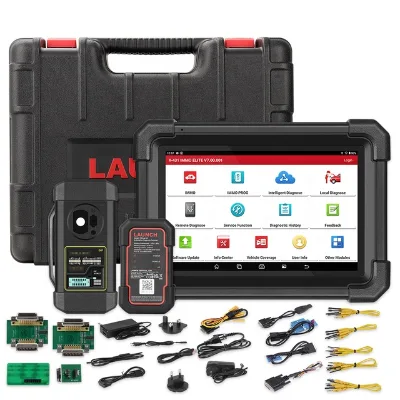
Compare 30 Universal Immobilizer Programmer options from verified suppliers in China. View specifications, pricing, and shipping details for models like SBB v46.02 and X431 IMMO ELite to find the right tool for your automotive needs.
Key considerations
Products List
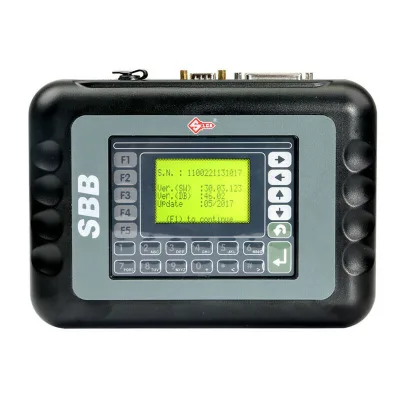
Universal Car Trunk RV SBB V46.02 Key Programmer Immobilizer Diagnostic Tool
$66.75 - $110.91
MOQ: 1 pieces






Comprehensive Sourcing Guide
Strategic Sourcing Guide for Universal Immobilizer Programmers
The automotive aftermarket relies heavily on diagnostic and programming tools to maintain vehicle security systems and immobilizers. A Universal Immobilizer Programmer is a critical piece of equipment designed to interface with various vehicle electronic control units (ECUs) to program keys, reset immobilizer codes, and diagnose security-related faults. For procurement professionals, sourcing these devices requires a disciplined approach that balances technical capability, regulatory compliance, and supply chain reliability. The following guide outlines the essential factors for evaluating and acquiring these tools without relying on unverified marketing claims.
Technical Specifications and Functional Capabilities
When evaluating a Universal Immobilizer Programmer, the primary focus must be on the device's interface capabilities and software architecture. The hardware must support specific communication protocols to interact with the diverse range of vehicle manufacturers. Based on observed market data, effective units often feature dual-band wireless connectivity, specifically Wi-Fi and Bluetooth, to ensure stable data transmission between the handheld unit and the vehicle's OBD port or dedicated diagnostic interfaces. The physical dimensions of the device are also a consideration for field technicians; typical units may range from compact handheld sizes, such as 10x10x10 cm, to larger diagnostic kits that include a tablet or dedicated screen, measuring up to 44x32x38 cm.
Power requirements vary significantly across different models. Some units operate on standard low-voltage inputs like 12V, while others may offer variable voltage options or require specific power adapters, such as 12W or 24W configurations, depending on the vehicle's electrical system. The software version is a dynamic attribute; buyers must verify that the device supports the "Newest" or "Latest Version" of the immobilizer database. Crucially, the update mechanism should be cloud-based, allowing for "Update Method: by Internet" or "2 Years Update Online" to ensure the tool remains compatible with new vehicle models released annually. Without regular software updates, a universal programmer quickly becomes obsolete for newer car fitments.
Compliance and Certification Verification
Regulatory compliance is a non-negotiable aspect of sourcing electronic diagnostic equipment. Buyers must verify that the product carries recognized international certifications to ensure safety and electromagnetic compatibility. Common certifications observed in the market include ISO standards, RoHS (Restriction of Hazardous Substances), and CE marking. These certifications indicate that the device meets specific safety, environmental, and performance standards. For instance, a product listing might explicitly state "Certification: ISO, RoHS, CE" or "Standard: CE," which serves as a baseline for quality assurance.
However, buyers should exercise caution when interpreting certification claims. The presence of a certification mark on a product page does not automatically guarantee that every unit in a batch is certified, nor does it imply that the certification covers the specific application of immobilizer programming in all jurisdictions. Procurement teams should request valid certification documents from the supplier rather than relying solely on product descriptions. Additionally, while some background data may mention standards like REACH, these should be treated as background context rather than concrete proof of compliance unless explicitly verified by the manufacturer. The "Standard" attribute of the product should align with the specific regulatory requirements of the buyer's operating region.
Cost Drivers and Pricing Structures
The pricing of universal immobilizer programmers is influenced by several variables, including the complexity of the hardware, the scope of the software license, and the duration of technical support. Market observations indicate a wide price range, with some units listed as low as $36.25 and others reaching up to $1010. This disparity often reflects differences in brand positioning, the depth of the vehicle database, and the inclusion of accessories such as cables, adapters, or protective cases.
The "Lowest" price point is frequently used as a marketing attribute to attract attention, but it may not reflect the total cost of ownership. Buyers should consider the "Selling Units" structure, which is often listed as "Single item," meaning the price is per unit rather than per batch. Furthermore, the "Warranty" period, typically observed as "1 Year," is a critical cost driver. A longer warranty or extended software update subscription can significantly increase the initial purchase price but reduces long-term risk. The "Payment term" options, such as T/T, Paypal, or Western Union, also impact the financial terms of the transaction, with some suppliers offering discounts for upfront payments.
Typical Applications and Vehicle Fitment
The utility of a Universal Immobilizer Programmer is defined by its "Car Fitment" capabilities. While some devices claim to work on "All" applicable models, practical application often focuses on specific major manufacturers. Observed data highlights compatibility with brands such as Audi, and generic fitment codes like "ABG" may appear in product listings. It is essential to distinguish between "Universal" and "Brand-Specific" tools. A device labeled for "Audi" fitment may have limited utility for other brands, whereas a true universal tool must support a broad spectrum of makes and models.
The "Function" of these devices extends beyond simple key programming. They are often categorized as "Code Readers" or "Car Diagnosis" tools, capable of reading fault codes, clearing immobilizer errors, and performing ECU adaptations. The "Special Features" of a unit, often listed as "Normal," should be scrutinized to ensure they meet the specific needs of the workshop. For example, some tools may include "Linear" mathematical models for specific calculation tasks, while others rely on proprietary algorithms. Buyers must verify that the "Applicable Models" listed in the technical specifications align with the actual vehicle fleet they service.
Supplier Evaluation and Sourcing Strategy
Selecting a reliable supplier is paramount for ensuring the longevity and support of the diagnostic tool. The "Place of Origin" is a key indicator of supply chain dynamics, with many units originating from manufacturing hubs in Guangdong, China, or specific industrial cities like Xi'an, China. While the location itself does not dictate quality, it provides insight into the logistics and lead times involved. Buyers should evaluate the "Shipping ways" offered by the supplier, such as DHL, UPS, EMS, or TNT, to ensure timely delivery.
The "Brand Name" associated with the product is another critical factor. While some listings may use generic names like "LHD" or "Launch," others may reference specific model lines like "Smart Mini ND900" or "X431 IMMO ELite." It is important to note that "Brand Name" and "Model Number" can vary across different listings for the same product type. Procurement teams should verify the "Condition" of the product, which is typically "New," and ensure that the "Customized" status is "Non-Customized" unless a bespoke solution is required. The "Single gross weight" of 1.500 kg and "Single package size" of 25x20x10 cm are practical details that affect shipping costs and handling requirements.
Quality Control and Long-Term Procurement Considerations
Quality control in the procurement of electronic diagnostic tools involves more than just inspecting the physical unit. Buyers must assess the "Quality" attribute, which is often described as "High" in product descriptions. However, this subjective term should be backed by objective metrics such as the "Update" frequency and the "Software Version" reliability. A tool that requires frequent updates or suffers from software instability can disrupt workshop operations. The "Color" of the device, often listed as "Same picture," is a minor aesthetic detail but can be relevant for brand consistency in professional settings.
Long-term procurement considerations include the "Warranty" terms and the availability of technical support. A "1 Year" warranty is standard, but buyers should inquire about the process for claims and the availability of replacement units. The "Update Method" is a crucial long-term factor; tools that rely on "by Internet" updates require a stable network connection and may incur subscription fees after the initial period. Buyers should also consider the "Standard" of the product, ensuring it meets the "CE" and "ISO" requirements for their region. Finally, the "Mathematical Model" and "Communication Interface" should be compatible with the existing infrastructure of the workshop to ensure seamless integration.
Comparative Analysis of Key Product Attributes
To facilitate decision-making, the following table summarizes the key attributes observed in the market for universal immobilizer programmers. This comparison highlights the variability in specifications and helps buyers identify the features that are most critical for their specific needs.
| Attribute Category | Observed Range/Values | Procurement Consideration |
|---|---|---|
| Model Number | SBB v46.02, X431 IMMO ELite, Mini ND900 | Verify compatibility with target vehicle brands. |
| Voltage/Power | 12V, 12W/24W, Customized | Ensure compatibility with vehicle electrical systems. |
| Connectivity | Wi-Fi, Bluetooth | Essential for wireless updates and data transfer. |
| Certification | ISO, RoHS, CE | Mandatory for safety and regulatory compliance. |
| Warranty | 1 Year | Standard term; verify extension options. |
| Update Method | By Internet, 2 Years Update Online | Critical for maintaining vehicle database currency. |
| Origin | Guangdong, China; Xi'an, China | Impacts lead time and shipping logistics. |
| Price Range | $36.25 - $1010 USD | Reflects hardware complexity and software scope. |
| MOQ | 1 - 10 pcs | Flexibility for small workshops vs. bulk buyers. |
| Fitment | Audi, ABG, All | Verify specific brand coverage before purchase. |
Conclusion
Sourcing a Universal Immobilizer Programmer requires a meticulous evaluation of technical specifications, compliance standards, and supplier reliability. Buyers must navigate a market where product attributes such as voltage, connectivity, and software update methods vary significantly. By focusing on verified certifications like ISO and CE, understanding the true cost drivers beyond the listed price, and ensuring the device supports the necessary vehicle fitments, procurement professionals can secure tools that enhance operational efficiency. The continuous evolution of vehicle security systems demands that buyers prioritize software support and long-term compatibility over initial price savings. Ultimately, a disciplined approach to sourcing ensures that the selected device remains a valuable asset in the workshop for years to come.
FAQs
What certifications do universal immobilizer programmers have?
These devices typically carry ISO, RoHS, and CE certifications to ensure safety and electromagnetic compatibility. Buyers must verify valid certification documents from suppliers rather than relying solely on product descriptions for regulatory compliance.
How are software updates handled for these tools?
Updates are performed via the internet to ensure compatibility with new vehicle models. Some units offer specific update periods like two years online, requiring a stable network connection for maintaining the vehicle database currency.
Which voltage options are available for these programmers?
Common voltage configurations include 12V inputs or specific power ratings like 12W and 24W. Buyers should check the specific power requirements to ensure compatibility with the vehicle's electrical system before purchasing.
Can these devices work on all car models?
While some listings claim universal fitment, practical application often focuses on specific brands like Audi. Buyers must verify that the applicable models listed in the technical specifications align with their actual vehicle fleet.
What is the standard warranty period for these units?
A one-year warranty is the standard term observed for these diagnostic tools. Procurement teams should inquire about the process for claims and the availability of replacement units to manage long-term operational risk.
How do I find suppliers with low minimum order quantities?
Many suppliers offer minimum order quantities starting from one piece to accommodate small workshops. Buyers can filter sourcing results by MOQ values to find vendors that match their specific purchase volume requirements.