Source Universal Plastic Hubcap for Wheel Replacement, Repair, and Decoration
Source 30 Universal Plastic Hubcap options for wheel replacement, repair, and decoration. Compare ABS and PE materials, chrome or black finishes, and sizes from 12 to 20 inches to find the right fit for your automotive needs.
Key considerations
Products List
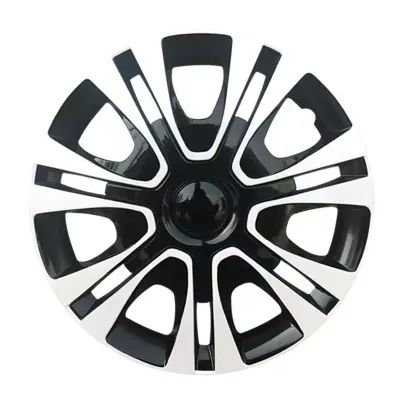
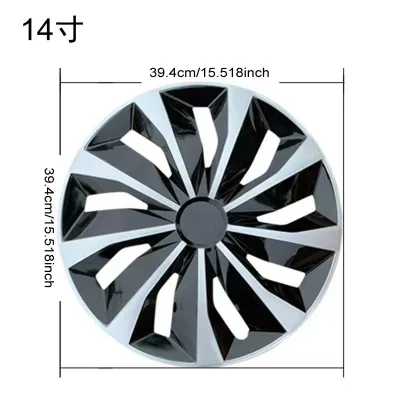


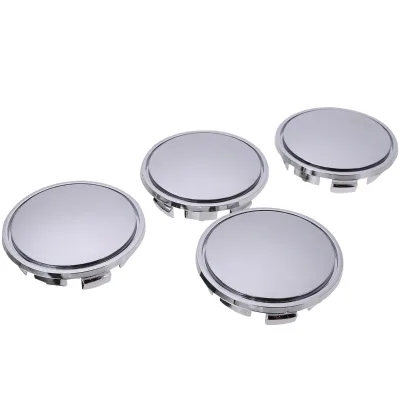


Comprehensive Sourcing Guide
Universal Plastic Hubcap Sourcing Guide
Sourcing universal plastic hubcaps requires a disciplined approach to balancing fitment versatility with material durability. These components serve as critical aesthetic and protective elements for vehicle wheels, covering the lug nuts and center bore while providing a finished look to the rim. Buyers must navigate a market where "universal" claims often mask significant variations in inner diameter tolerances and locking mechanisms. The procurement strategy must prioritize precise measurement verification over generic size labels to prevent installation failures and customer returns.
The supply chain for these parts is heavily concentrated in manufacturing hubs that specialize in injection-molded automotive accessories. Procurement teams should focus on suppliers who demonstrate consistent quality control in plastic molding, as material integrity directly impacts the hubcap’s ability to withstand road debris and temperature fluctuations. Establishing clear communication regarding customization options, such as logo embossing or color matching, is essential for brands looking to differentiate their aftermarket offerings.
Product Scope and Observed Listing Signals
The current market landscape for universal plastic hubcaps reveals a wide spectrum of product attributes, ranging from basic functional covers to high-gloss decorative pieces. Observed listings indicate that materials primarily consist of ABS, PE, and PP plastics, each offering distinct advantages in terms of flexibility, impact resistance, and cost. Buyers should note that while ABS is frequently cited for its rigidity and premium feel, other polymers may be used to reduce weight or manufacturing costs. Understanding these material distinctions is vital for selecting the right product for specific vehicle segments and price points.
Listing signals also highlight significant variability in finishing processes, including chrome plating, black matte finishes, and custom color options. These aesthetic choices directly influence the perceived value of the final product and its compatibility with various wheel designs. Additionally, observed data shows that many suppliers offer customization services, allowing buyers to tailor the hubcaps to specific branding requirements. However, the presence of customization options often introduces complexity in the ordering process, requiring careful management of design files and approval workflows to ensure the final output matches expectations.
Technical Specifications to Verify
Verifying the inner diameter and wheel hub compatibility is the most critical technical step in sourcing universal hubcaps. Listings often cite ranges such as 12 to 20 inches, but these figures can be misleading if they refer to the wheel diameter rather than the hub bore size. Buyers must request precise internal diameter measurements and locking ring specifications to ensure a secure fit. A mismatch in these dimensions can lead to hubcaps falling off during driving, creating safety hazards and damaging the vehicle’s wheel finish.
Material thickness and structural integrity are other key technical factors that require verification. Thin-walled plastic components are prone to cracking under stress, particularly in colder climates or during high-speed impacts. Procurement teams should ask for technical drawings or sample evaluations to assess the wall thickness and the robustness of the locking mechanism. Additionally, the weight of the component, often listed around 3KG for bulk shipments, should be analyzed to understand the packaging efficiency and shipping costs associated with the product.
Compliance and Safety Documentation
While universal plastic hubcaps are primarily decorative, they must meet basic safety standards to ensure they do not detach during operation. Buyers should verify that suppliers hold relevant certifications, such as ISO, TUV, or CE, which indicate adherence to quality management and safety protocols. These certifications provide a baseline assurance that the manufacturing process is controlled and that the products are produced in facilities that prioritize consistent quality. However, buyers should not assume that these certifications automatically guarantee fitment safety for every vehicle model.
Documentation regarding material safety and environmental compliance is also essential, especially for markets with strict regulations on automotive plastics. Buyers should inquire about the presence of hazardous substances and ensure that the materials used are free from harmful chemicals. This is particularly important for brands targeting eco-conscious consumers or operating in regions with rigorous environmental standards. Requesting material safety data sheets (MSDS) from suppliers can help mitigate legal risks and ensure that the products comply with international trade regulations.
Cost Drivers and Commercial Terms
The cost of universal plastic hubcaps is influenced by several factors, including material choice, finishing complexity, and order volume. Observed price ranges vary significantly, reflecting differences in quality and customization levels. Buyers should analyze the cost structure to understand how much of the price is attributed to raw materials versus labor and finishing processes. High-gloss chrome finishes or custom color matching typically command higher prices due to the additional steps involved in production.
Commercial terms, such as minimum order quantities (MOQ) and lead times, play a crucial role in the procurement strategy. Listings show MOQs ranging from small batches to large industrial orders, allowing buyers to scale their purchases based on demand. Lead times are generally short, often around 7-10 days, which facilitates rapid restocking. However, buyers should confirm these timelines during peak seasons and account for potential delays in shipping and customs clearance. Understanding these commercial dynamics helps in planning inventory levels and managing cash flow effectively.
Supplier Qualification and Quality Control
Qualifying suppliers for universal plastic hubcaps requires a thorough assessment of their manufacturing capabilities and quality control systems. Buyers should prioritize suppliers who have established processes for inspecting raw materials and monitoring production lines. This includes checking for defects such as warping, discoloration, or weak locking mechanisms. A robust quality control system ensures that every unit meets the specified standards before shipment, reducing the risk of receiving defective goods.
Sampling is an indispensable step in the supplier qualification process. Buyers should request physical samples to evaluate the fit, finish, and durability of the hubcaps firsthand. This hands-on inspection allows for a direct comparison with competitors’ products and helps identify any potential issues before committing to a large order. Additionally, buyers should verify the supplier’s ability to handle custom orders, including logo embossing and color matching, by reviewing their past work and customer feedback.
Long-Term Procurement Checks
Establishing long-term relationships with reliable suppliers is essential for maintaining consistent supply and quality. Buyers should conduct regular audits and performance reviews to ensure that suppliers continue to meet agreed-upon standards. This includes monitoring delivery times, product quality, and responsiveness to issues. A proactive approach to supplier management helps in identifying potential problems early and implementing corrective actions before they impact the supply chain.
Continuous market monitoring is also crucial for staying ahead of trends and technological advancements in hubcap manufacturing. Buyers should keep an eye on emerging materials, finishing techniques, and design innovations that could offer competitive advantages. By staying informed about market developments, buyers can make strategic decisions about product offerings and sourcing strategies. This ongoing diligence ensures that the procurement function remains agile and responsive to changing customer needs and market conditions.
FAQs
What material is used for the Universal Plastic Hubcap?
The hubcap is primarily made of ABS plastic, though some variants include PE and PP materials. This construction ensures durability and resistance to wear while maintaining a lightweight profile suitable for various vehicle models.
Which certifications do the wheel hubcaps hold?
These products carry ISO, TUV, and CE certifications to verify quality and safety standards. Buyers can rely on these documented credentials when sourcing for markets requiring strict regulatory compliance for automotive accessories.
Can I customize the color and finish of the hubcap?
Yes, customization is available for both color and finishing options like chrome or black. Suppliers offer these tailored solutions to match specific vehicle aesthetics or branding requirements without compromising the structural integrity of the ABS material.
What is the typical delivery time for these wheel caps?
The standard delivery time ranges from 7 to 10 days after order confirmation. This lead time applies to standard orders, though specific production schedules may vary based on the volume and customization level requested by the buyer.
How does the MOQ vary for different hubcap models?
Minimum order quantities range from 4 pieces up to 10,000 pieces depending on the specific model and supplier. Buyers should verify the exact MOQ for their selected product code, as some items like HC-011 require 50 pieces minimum.
What sizes are available for the universal wheel hubcap?
Available sizes span from 12 inches to 20 inches, covering standard wheel hub diameters. Specific product models support ranges like 12 to 16 inches or 16 to 20 inches to ensure compatibility with various universal car models.