Source Universal Reversing Horns for Trucks, Cars, and Bikes
Find and compare 30 Universal Reversing Horn options for automotive safety. Evaluate models like DL161 and LD-908 based on voltage, sound frequency, and mounting type to select the right component for your vehicle; compare the available evidence and request quotations based on your requirements.
Key considerations
Products List


$1.20 - $1.50
MOQ: 100 Pieces


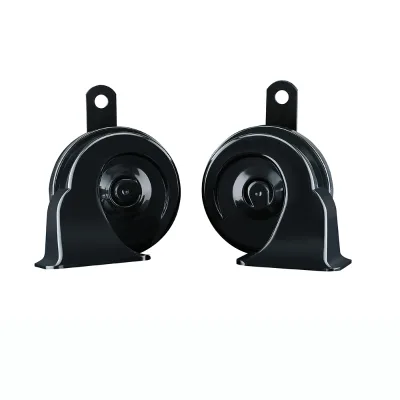
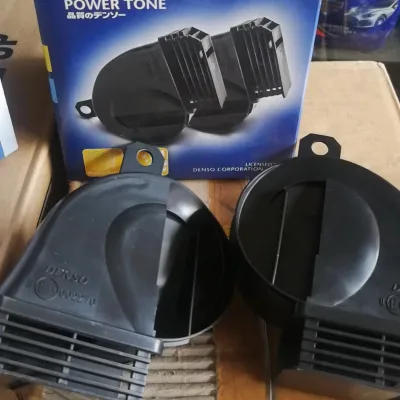
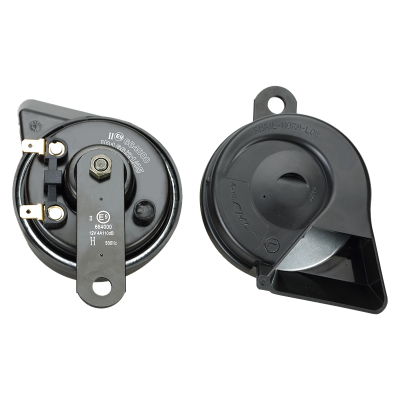
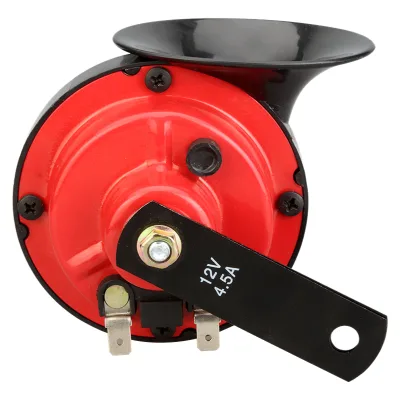
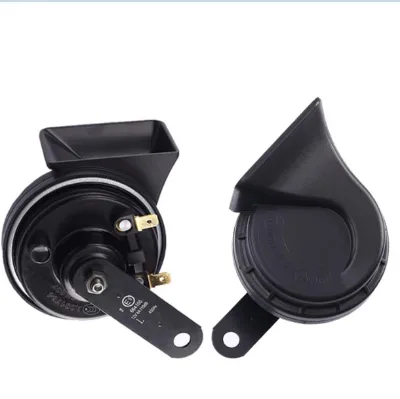
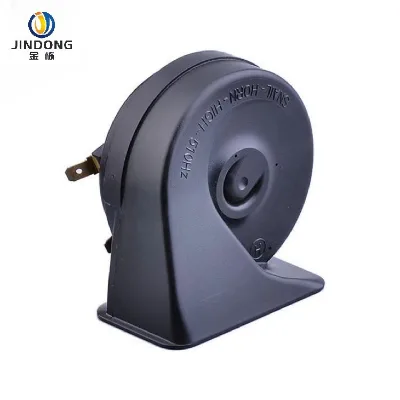


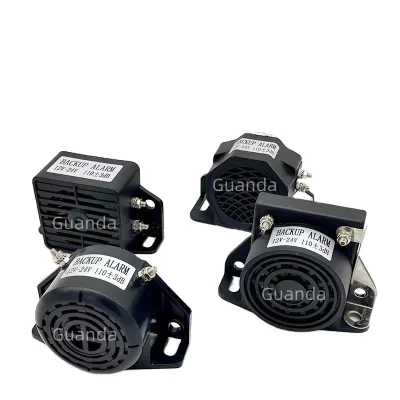
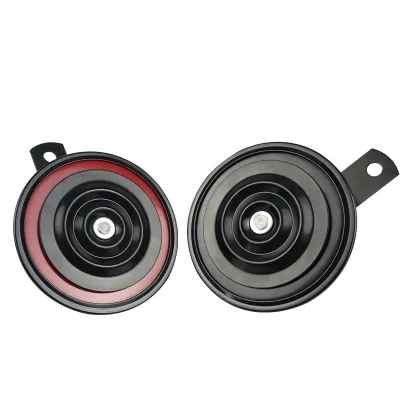
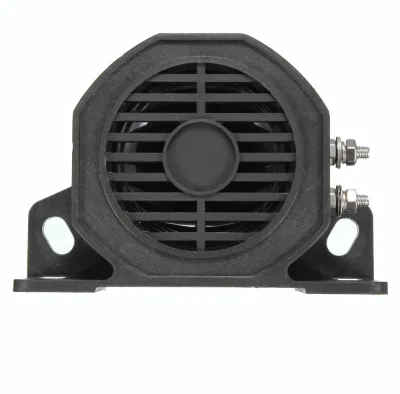
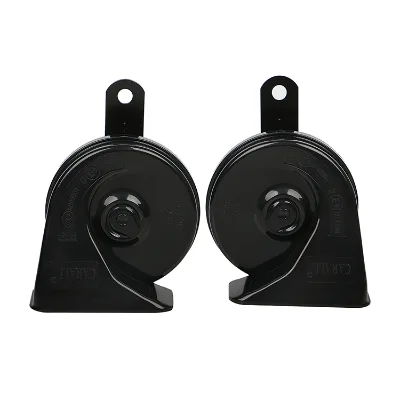
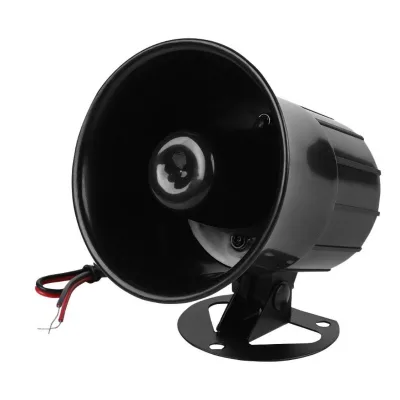
Comprehensive Sourcing Guide
Universal Reversing Horn Sourcing Guide
Sourcing a Universal Reversing Horn requires careful attention to the specific electrical and mechanical interfaces that ensure compatibility across diverse vehicle platforms. The observed product landscape includes units designed with double wire connection modes and high-pitch sound frequencies, which are critical for effective auditory signaling in reverse scenarios. Buyers must verify that the selected unit operates within the standard 12V DC voltage range, as deviations can lead to premature failure or insufficient sound output.
Procurement decisions should also account for the physical construction and material durability, as these factors directly influence longevity in harsh operating environments. The available inventory features plastic and ABS materials, often finished with chrome or black surfaces to resist corrosion and maintain aesthetic consistency with vehicle exteriors. Understanding these material properties helps buyers select a horn that balances cost-efficiency with the robustness required for daily commercial or industrial vehicle operations.
Product Scope and Observed Listing Signals
The market for universal reversing horns presents a diverse range of product types, including sirens, buzzers, air horns, and speakers, each serving distinct signaling needs. Listings indicate specific models such as the DL161 series and LD series, which vary in weight and packing configurations, suggesting that buyers must match the physical dimensions and weight to their vehicle's mounting constraints. The presence of both unidirectional and multi-way speaker designs implies that the acoustic projection pattern is a key variable in the selection process.
Buyers should also scrutinize the packaging and unit counts, as these details impact logistics planning and inventory management. Observed packing standards range from 50 pieces per carton to specific color box configurations, which can influence the cost per unit when ordering in bulk. The variation in product models, from DL160 to LD-908, highlights the need to verify the exact model number against the vehicle's existing electrical system to ensure a seamless integration without requiring extensive modification.
Technical Specifications to Verify
Electrical compatibility is the primary technical hurdle when sourcing a Universal Reversing Horn, particularly regarding current draw and voltage stability. The observed data points to units operating at 12V with current ratings of 3A or 3.5A, which necessitates a thorough review of the vehicle's fuse capacity and wiring gauge to prevent electrical overload. Buyers must confirm that the horn's energy exchanging mechanism is purely electrical and that the contact points are designed to handle the specified amperage without overheating during continuous operation.
Acoustic performance and physical construction are equally critical, as the sound frequency and design determine the horn's effectiveness in alerting pedestrians and other drivers. High-pitch sound frequencies are common in the observed listings, but the specific decibel output and sound pattern, such as the 3-sound configuration found in certain models, must align with local traffic regulations. Additionally, the surface finish, whether chrome or black, and the material composition, including ABS or plastic, should be verified to ensure resistance to environmental stressors like moisture and vibration.
Compliance and Safety Documentation
Regulatory compliance is a non-negotiable aspect of sourcing vehicle safety equipment, and buyers must demand proof of relevant certifications before finalizing any purchase. The available product data references Emark 9 and ISO9001 certifications, which indicate adherence to specific quality management and safety standards, but these should be validated against the specific regulations of the destination market. Without these documents, the risk of the product being rejected at customs or failing safety inspections increases significantly.
Beyond certifications, the product's classification and standard specifications provide a baseline for safety and performance expectations. Items are often classified as buzzers or sirens with defined standards, such as weight limits of 0.35kg or 0.65kg, which can affect the vehicle's overall balance and mounting integrity. Buyers should ensure that the supplier provides clear documentation on the product standard, including any testing results that verify the horn's ability to function reliably under the specified operating conditions.
Cost Drivers and Commercial Terms
The pricing structure for universal reversing horns is influenced by a combination of material costs, customization options, and order volume. The observed price range spans from $0.80 to $14.99, reflecting the diversity in product complexity and the inclusion of features like OEM/ODM services. Buyers should be aware that lower-priced units may lack advanced features or durable materials, while higher-priced options often include enhanced customization and better quality control measures.
Commercial terms, including the Minimum Order Quantity (MOQ) and lead times, play a crucial role in the total cost of ownership. While some listings suggest an MOQ of 500 units, others indicate flexibility down to 1 unit, allowing buyers to test the market with smaller initial orders. The port of loading, typically Ningbo or Shanghai, and the origin location in Changzhou, Jiangsu, also impact shipping costs and delivery schedules, requiring buyers to factor these logistics variables into their budget planning.
Supplier Qualification and Quality Control
Evaluating supplier qualifications is essential to ensure a consistent supply of high-quality reversing horns that meet the buyer's specifications. The presence of ODM/OEM services suggests that suppliers are capable of customizing products to specific requirements, but buyers must verify the supplier's track record in delivering these customized solutions. It is advisable to request samples and review past performance data to confirm that the supplier can maintain the required quality standards across different production batches.
Quality control processes should be rigorously assessed, focusing on the consistency of materials and the reliability of the manufacturing process. The observed use of high-quality materials and specific surface treatments like chrome plating indicates a commitment to durability, but buyers should insist on pre-shipment inspections to verify these attributes. Ensuring that the supplier adheres to the stated standards, such as the 0.35kg or 0.65kg weight specifications, is vital for maintaining the integrity of the final product.
Long-Term Procurement Checks
Establishing a long-term procurement strategy involves regular audits of supplier performance and product consistency to mitigate risks over time. Buyers should implement a system for tracking defect rates and customer feedback to identify any recurring issues with the reversing horns. This proactive approach allows for early intervention if quality begins to degrade, ensuring that the supply chain remains robust and reliable for future orders.
Continuous monitoring of market trends and regulatory changes is also necessary to keep the product offering relevant and compliant. As vehicle safety standards evolve, the specifications for reversing horns may change, requiring buyers to stay informed about new requirements and adjust their sourcing strategy accordingly. By maintaining open communication with suppliers and staying updated on industry developments, buyers can ensure a steady supply of high-performance reversing horns that meet the evolving needs of their customers.
FAQs
What types of universal reversing horns are available?
The product line includes sirens, buzzers, air horns, and speakers. Models such as DL161-A, DL160, and LD-834 offer distinct sound frequencies and designs. Options range from high-pitch sirens to unidirectional buzzers, allowing buyers to select the appropriate acoustic output for specific vehicle safety requirements and operational environments.
Can these horns be customized for specific vehicles?
Yes, customization is available through ODM and OEM services. Buyers can request specific modifications to meet unique vehicle integration needs. The universal OE number ensures broad compatibility, while the customization service allows for tailored solutions regarding sound profiles, mounting configurations, and electrical specifications to fit diverse automotive applications effectively.
What certifications do these reversing horns hold?
These products hold Emark 9 and ISO9001 certifications. These credentials verify compliance with international quality management standards and specific regional regulatory requirements for automotive components. Buyers can rely on these documented certifications to ensure that the sourced horns meet necessary safety and quality benchmarks for global distribution and vehicle installation.
What is the minimum order quantity for these horns?
The standard minimum order quantity is 500 units. This baseline ensures efficient production runs and cost-effective pricing for bulk purchases. Buyers requiring smaller quantities may need to negotiate directly with suppliers, as the listed MOQ reflects the typical threshold for standard production batches and streamlined logistics handling for international shipments.
How are these horns packaged for shipping?
Packaging varies by model, with options including 50 pieces per carton or 45 pieces per carton in color boxes. Some items use simple carton packaging while others feature retail-ready color boxes. This structured packing ensures product protection during transit from Ningbo or Shanghai ports, facilitating efficient handling and inventory management upon arrival at the destination.
What voltage and current specifications do these horns use?
Most models operate on DC 12V systems with current draws around 3A to 3.5A. This standard electrical profile ensures compatibility with typical automotive electrical architectures. Buyers should verify specific model requirements, such as the LD-908 or DL161 series, to ensure the electrical load matches their vehicle's power supply capacity for safe and reliable operation.