Source Universal Motorcycle Fuel Switch for bikes, scooters, and ATVs
Find and compare 30 listings for the Universal Motorcycle Fuel Switch. Evaluate options based on material, voltage, and packaging to select the right part for your vehicle maintenance needs.
Key considerations
Products List


Various Models Motorcycle Accessories, Motorcycle Gearshift Switch, Gear Switch
$0.60 - $1.00
MOQ: 300 Pieces


Jfa Motorcycle Light Switch/Turning Switch/Starting Switch Motorcycle Parts
$0.10 - $0.25
MOQ: 500 Pieces

$2.50 - $10.00
MOQ: 100 Pieces


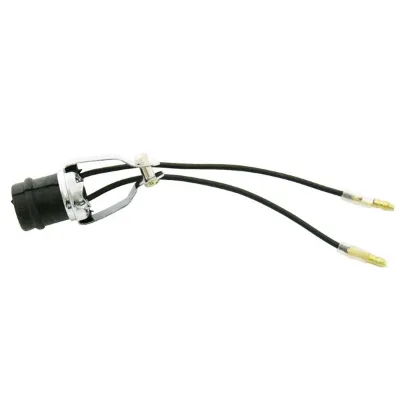


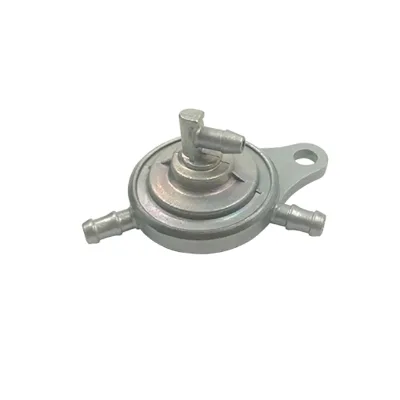
Kigcol Universal Motorcycle Oil Switch OEM High Quality Motorcycle Body Parts
$1.40 - $1.50
MOQ: 300 Pieces




Comprehensive Sourcing Guide
Universal Motorcycle Fuel Switch Sourcing Guide
Sourcing a Universal Motorcycle Fuel Switch requires a disciplined approach to aligning component specifications with diverse vehicle architectures. The market offers a range of options, from simple mechanical floats to integrated digital signal types, necessitating a clear definition of the target application before engaging suppliers. Buyers must recognize that "universal" often implies adaptability through custom mounting or adjustable linkage rather than a single, rigid fitment for every motorcycle model. This guide outlines the critical verification steps to ensure the selected switch integrates seamlessly with the intended engine management or fuel delivery system.
The procurement process begins with understanding the specific operational environment, whether the switch serves as a primary isolation point or a safety cutoff for high-performance engines. Observed listings indicate a variety of models, including specific designations like GN-5KW and JFA, alongside generic "various models" designations that suggest broad compatibility. Buyers should prioritize suppliers who explicitly state their ability to accommodate custom requirements, as the standard "universal" claim often masks the need for specific adapter kits or wiring harness modifications.
Product Scope and Observed Listing Signals
The product scope for universal motorcycle fuel switches spans multiple material compositions and packaging standards, reflecting the diverse needs of the aftermarket and OEM sectors. Available units are frequently constructed from durable materials such as ABS plastic, iron, or general plastic composites, each offering distinct advantages regarding weight, corrosion resistance, and mechanical strength. Listings often highlight features like corrosion resistance and durability, which are essential for components exposed to fuel vapors, road debris, and varying weather conditions.
Packaging and branding signals provide insight into the supplier's readiness for international distribution and retail integration. Products are commonly shipped in paper carton boxes, blister packs, or standard export packaging, with some suppliers offering Lpi Brand or OEM packaging options to meet specific retailer requirements. The presence of mass production capabilities and customization availability suggests that suppliers can scale orders from small batches to large volumes, though buyers must verify if the "universal" designation applies to the specific model number or requires a custom configuration.
Technical Specifications to Verify
Technical verification must begin with the electrical and mechanical interface, as universal switches vary significantly in voltage ratings and signal output types. While some observed units operate at 24V with digital output signals, others may be designed for different voltage regimes or analog operation, making it critical to confirm the rated capacity and power type (DC) against the motorcycle's electrical system. The physical type, often described as a float or switch mechanism, must be compatible with the fuel tank geometry and the specific mounting points of the target vehicle.
Model specificity is another crucial verification point, as the term "universal" can be misleading without a clear reference to the underlying model number or standard. Buyers should cross-reference observed model identifiers like C70, No. 1, or ignition switch variants against their vehicle's service manual to ensure functional compatibility. Additionally, the production process, which may involve integration techniques, should be evaluated to ensure the switch maintains structural integrity under vibration and thermal stress, particularly for high-performance or off-road applications.
Compliance and Safety Documentation
Compliance and safety documentation are non-negotiable for fuel system components, as they directly impact vehicle safety and regulatory adherence. Suppliers should provide evidence of certifications such as ISO9001 and CCC, which indicate adherence to quality management systems and specific product safety standards. The presence of CE certification further suggests that the product meets European safety, health, and environmental protection requirements, which is vital for importing into regulated markets.
Buyers must also verify that the product standards align with the specific requirements of the target market, as some listings indicate standards are "as per your requirements" or tailored for specific motorcycle series like GN and CG. It is essential to request detailed test reports or compliance certificates that validate the switch's performance under extreme conditions, ensuring that the component will not fail due to fuel leakage or electrical short circuits. Without these documents, the risk of liability and product failure increases significantly, regardless of the supplier's claims regarding quality.
Cost Drivers and Commercial Terms
Cost drivers for universal motorcycle fuel switches are influenced by material selection, customization levels, and the complexity of the production process. Units made from high-grade ABS or iron with advanced features like corrosion resistance and digital signal output typically command higher prices than basic plastic models. The availability of OEM packaging and the ability to customize the product to specific model specifications also add to the overall cost, as these services require additional engineering and setup time.
Commercial terms, including Minimum Order Quantity (MOQ) and lead times, vary widely across the market and must be negotiated based on the buyer's volume requirements. Observed data shows MOQs ranging from 100 to 3000 pieces, with some suppliers offering lower thresholds for standard models while requiring higher volumes for custom configurations. Lead times are generally around 30 days for mass production, but this can fluctuate based on the complexity of the order and the supplier's current capacity. Buyers should clarify shipping methods, such as sea freight, and ensure that the total landed cost includes all duties and logistics fees.
Supplier Qualification and Quality Control
Supplier qualification should focus on their production capabilities, technical support, and track record in delivering high-quality performance. A qualified supplier will demonstrate mass production capacity and offer technical support to assist with integration challenges, ensuring that the universal switch functions correctly in the intended application. The presence of a "High Quality Performance" attribute in listings suggests a commitment to reliability, but buyers must validate this through on-site audits or third-party quality assessments.
Quality control processes must be robust, covering everything from raw material inspection to final product testing. Suppliers should have established procedures for verifying material integrity, such as the use of iron or ABS, and ensuring that the packaging meets export standards to prevent damage during transit. Buyers should also inquire about the supplier's approach to handling defects and their willingness to provide replacement units or refunds in case of non-conformance, as this reflects their confidence in their own quality control systems.
Long-Term Procurement Checks
Long-term procurement success depends on establishing a reliable supply chain that can adapt to changing market demands and vehicle models. Buyers should regularly review supplier performance against key metrics such as delivery timeliness, product consistency, and responsiveness to technical queries. The ability of the supplier to maintain consistent quality over time, even as production volumes scale up, is a critical factor in sustaining a stable supply of fuel switches.
Continuous verification of product standards and certifications is also essential to ensure ongoing compliance with evolving regulations. As vehicle safety standards tighten, suppliers must be proactive in updating their products to meet new requirements, and buyers should maintain open communication channels to stay informed of any changes. By fostering a collaborative relationship with suppliers who prioritize customization and technical support, buyers can secure a steady supply of high-quality universal motorcycle fuel switches that meet the rigorous demands of the global market.
FAQs
What materials are used for universal motorcycle fuel switches?
Universal motorcycle fuel switches are typically constructed from durable materials such as plastic, ABS, or iron. These materials ensure the component can withstand environmental exposure and mechanical stress. The choice of material often depends on the specific model requirements and desired durability, with options available to meet various performance standards for different motorcycle types.
Can I customize the packaging for bulk orders?
Yes, customization is available for packaging. Suppliers offer options including paper carton boxes, blister packing, and standard export packing. You can also request LPI brand or OEM packaging to align with your branding needs. This flexibility allows buyers to protect the products during shipping while maintaining a professional presentation upon arrival at the destination warehouse.
What is the typical lead time for delivery?
The typical lead time for delivery is approximately 30 days. This duration allows for production and quality assurance processes to be completed before shipment. Buyers should plan their inventory accordingly to ensure timely availability. Shipping methods, such as by sea, may further influence the total transit time depending on the destination location and logistics arrangements.
Which certifications are available for these switches?
Available certifications include ISO9001, CCC, and CE. These certifications indicate that the manufacturing processes and products meet specific quality and safety standards. Buyers can verify these credentials to ensure compliance with regional regulations. The presence of these certifications helps in establishing trust and reliability for the sourced components in international markets.
What is the minimum order quantity for these parts?
The minimum order quantity varies, with observed values starting from 100 pieces up to 5000 pieces. A common MOQ is 300 pieces, but this can be negotiated based on the supplier and product model. Buyers should confirm the specific MOQ with the supplier to ensure it aligns with their procurement volume and budget constraints.
Are these switches compatible with various motorcycle models?
Yes, universal motorcycle fuel switches are designed to fit various models. Specifications include compatibility with GN and CG motorcycles, as well as other standard types. The product models range from specific codes like C70 and GN-5KW to general universal fits. Buyers should verify the exact model compatibility with their specific motorcycle make and model before purchasing.