Source Universal Mini Lens LED Headlight for cars, trucks, and offroad
Compare 30 listings for the Universal Mini Lens LED Headlight featuring 12V or 24V options with high-definition glass mirrors. Buyers can evaluate specifications like 40W wattage, 8000 lumens, and IP68 waterproof ratings from suppliers in Guangdong and Zhongshan.
Key considerations
Products List




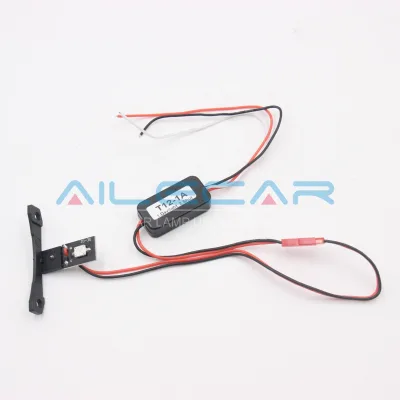
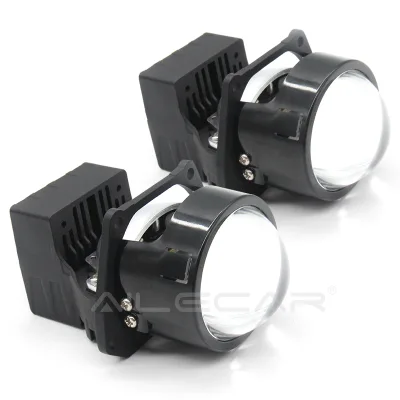


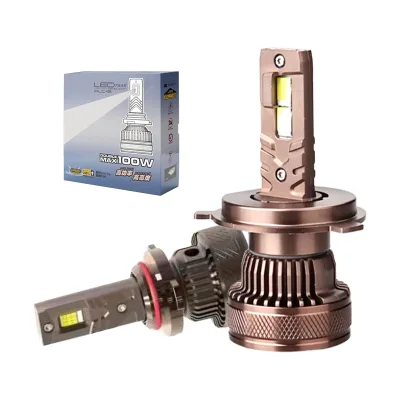


Comprehensive Sourcing Guide
Strategic Sourcing Guide for Universal Mini Lens LED Headlights
Understanding the Technical Architecture of Mini Lens Systems
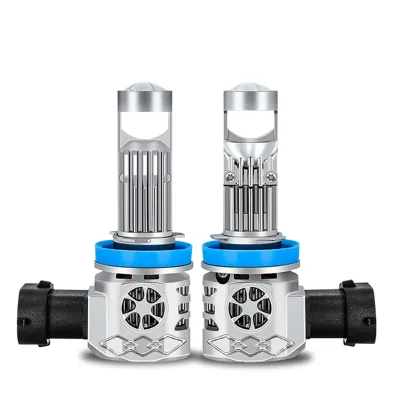
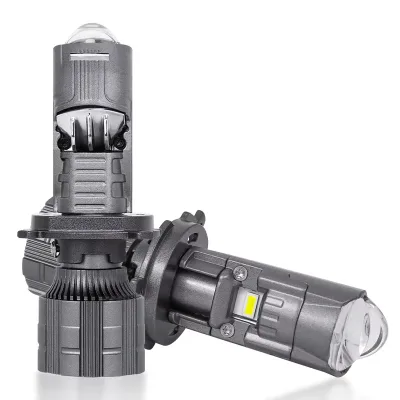
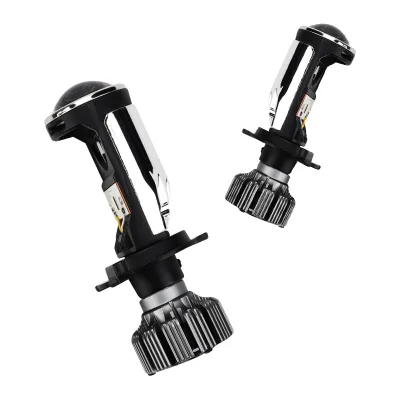
When evaluating universal mini lens LED headlights, buyers must first dissect the core technical specifications that define performance and compatibility. The market offers a diverse array of configurations, but the fundamental architecture typically revolves around the lens type, the LED chip technology, and the thermal management system. In the current supply landscape, high-definition glass mirrors are frequently cited as a premium optical component, offering superior light focus compared to plastic alternatives. This distinction is critical for drivers seeking a sharp cut-off line to prevent glare for oncoming traffic while maximizing road illumination.
The light source itself is another primary variable. Sourcing data indicates the prevalence of 3570 LED chips in various configurations. These chips are often paired with specific wattage ratings that range significantly across different product tiers. Buyers will encounter units rated at 30W per set, 35W or 29W per unit, and higher-output models reaching 40W or even 70W per pair. The lumens output correlates directly with these wattage figures, with observed specifications ranging from 8,000 lumens to 12,000 lumens. It is essential to understand that higher wattage does not always equate to better efficiency; the efficacy depends heavily on the driver circuit and the thermal dissipation design.
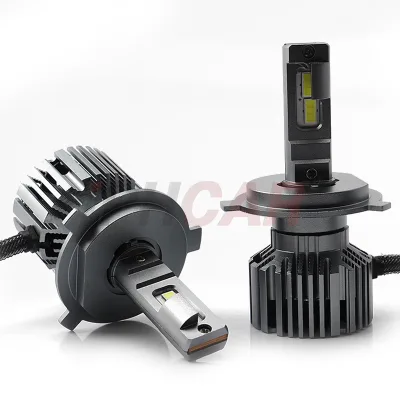
Thermal management is the third pillar of technical evaluation. The longevity of an LED headlight is almost entirely dependent on how effectively heat is dissipated from the driver and the chip. Common solutions observed in the market include dual-axis air dissipation systems, which utilize active or passive cooling to maintain optimal operating temperatures. The housing material is predominantly aluminum, chosen for its high thermal conductivity and durability. The driver is typically built-in, meaning the electronics are integrated directly into the headlight assembly rather than being an external box. This integration affects the overall size and the "universal fitment" capability, as the physical dimensions must align with standard headlight housings across various vehicle models.
Compliance Verification and Certification Standards
Navigating the regulatory landscape is a critical step in B2B procurement, particularly for automotive lighting which is subject to strict safety standards. Buyers must verify that the products they source meet the specific regulatory requirements of their target markets. One of the most recognized certifications for automotive lighting in Europe and other regions is the E-mark certification. This designation indicates that the product has undergone testing and meets specific safety and performance criteria. When sourcing, procurement teams should explicitly request proof of E-mark certification for the specific model numbers being considered, as this is not a universal attribute of all LED headlights.
Beyond E-mark, the operational standards for these lights often reference specific voltage and current requirements. The supply chain data shows a mix of 12V and 24V systems, reflecting the needs of both standard passenger vehicles and heavier commercial fleets. A universal mini lens headlight intended for a global market must clearly state its voltage compatibility to prevent installation errors that could damage the vehicle's electrical system. Furthermore, the waterproof rating is a vital compliance metric. High-performance units are often rated at IP68, ensuring they can withstand immersion in water and dust ingress, which is essential for off-road work lights and general automotive applications.
Buyers should also be aware that while some suppliers may claim adherence to ISO9001, this is a general quality management standard for the factory rather than a product-specific certification. It is prudent to treat such claims as background information and focus on product-specific certifications like E-mark or IP ratings. The "universal fitment" claim often found in product descriptions requires verification against the specific mounting dimensions and bulb base types (such as H4) of the intended vehicle. Without concrete test data or certification documents, the assumption of universal compatibility should be treated with caution, and buyers must confirm the physical dimensions and electrical interfaces with the supplier before placing large orders.
Cost Drivers and Pricing Dynamics
The pricing structure for universal mini lens LED headlights is influenced by a complex interplay of component quality, production volume, and logistical factors. The observed price range in the market spans from approximately $0.68 to $22.69 per unit, a wide disparity that reflects differences in build quality, wattage, and brand positioning. The lower end of this spectrum typically corresponds to basic models with lower wattage, standard plastic lenses, and minimal thermal management features. Conversely, the higher price points are associated with units featuring high-definition glass mirrors, 3570 LED chips, aluminum housings, and advanced cooling systems like dual-axis air dissipation.
Production volume plays a significant role in determining the final cost. The Minimum Order Quantity (MOQ) varies widely, with some suppliers offering units at an MOQ of 1, while others require orders of up to 500 units. For buyers looking to test the market or fulfill small-scale repair needs, low MOQ options are available, though the unit price may be higher. For large-scale procurement, negotiating a lower unit price is often contingent on meeting higher volume thresholds. The material cost is another major driver; the use of aluminum for the housing and glass for the lens increases the base cost compared to plastic alternatives but offers superior durability and heat dissipation.
Logistics and packaging also contribute to the total cost of ownership. The standard packaging for these units is often a box, with specific dimensions such as 1195.5cm for individual items and larger carton sizes like 473046cm for bulk shipping. The weight of the product, often around 0.5kg per pair, affects shipping costs, particularly for air freight. Buyers should factor in the cost of customization, as many suppliers offer available customization services which will inevitably add to the base price. Understanding these cost drivers allows procurement teams to make informed decisions that balance budget constraints with the necessary performance and durability requirements for their specific applications.
Typical Applications and Market Segmentation
Universal mini lens LED headlights serve a broad spectrum of applications, ranging from standard passenger vehicle upgrades to specialized off-road and industrial work lighting. The versatility of these units is often highlighted by their "universal fitment" capabilities, making them suitable for a wide array of vehicle models. The primary function of these lights is to provide both dipped headlight and high beam illumination, with some advanced models also incorporating front position lamps. This multifunctionality is particularly valuable for retrofitting older vehicles that lack modern lighting standards or for upgrading vehicles used in low-light conditions.
In the off-road and work light sector, the demand for high-performance LED headlights is driven by the need for superior visibility in challenging environments. Units with high lumen outputs, such as 12,000 lumens, and robust waterproof ratings like IP68 are specifically designed for these applications. The operating life of these lights, often exceeding 50,000 hours, ensures reliability in demanding conditions where frequent maintenance is impractical. The color temperature is another key factor; options like 6000K and 6500K provide a "cooling white" light that mimics daylight, enhancing contrast and reducing eye strain for the driver.
The market also includes applications for manufacturing and general car lighting where reliability and longevity are paramount. Some products are explicitly marketed for repair and replacement purposes, indicating their use in the aftermarket service sector. The "purpose" of the product can vary from simple replacement to manufacturing integration, depending on the specific model and supplier. Buyers should carefully match the product specifications, such as the model number (e.g., Y9 Max lens, A83, GT4, H4) and the rated power, to the specific needs of their target application. Whether for a personal vehicle upgrade or a fleet of commercial trucks, the selection of the right mini lens LED headlight depends on aligning the technical specifications with the operational demands of the end user.
Supplier Evaluation and Quality Assurance Protocols
Selecting the right supplier for universal mini lens LED headlights requires a rigorous evaluation process that goes beyond price and product specifications. Buyers should prioritize suppliers who provide transparent information about their manufacturing processes and quality control measures. The place of origin is a significant indicator of supply chain maturity, with Guangdong and Zhongshan in China being prominent hubs for automotive lighting production. Factories located in these regions often have established infrastructure and expertise in LED manufacturing, which can translate to better quality control and consistency.
When evaluating suppliers, it is crucial to verify the authenticity of their claims regarding product attributes. For instance, the presence of a built-in driver and the specific type of LED chip (3570) should be confirmed through technical datasheets or sample testing. Buyers should also inquire about the warranty terms, as a 1-year warranty is a common standard in the industry. A supplier willing to offer a warranty demonstrates confidence in the durability and reliability of their products. Additionally, the availability of customization services can be a differentiator, allowing buyers to tailor products to specific brand or functional requirements.
Quality assurance protocols should be a central part of the supplier evaluation. Buyers must ensure that the supplier has a robust system for testing products before shipment. This includes verifying the waterproof rating, checking the electrical stability under different voltage conditions, and assessing the thermal performance of the cooling system. The condition of the product should always be "New," and buyers should request evidence of this, such as batch numbers or production dates. By focusing on suppliers with a proven track record of quality and transparency, buyers can mitigate the risks associated with sourcing automotive lighting components and ensure a steady supply of reliable products.
Long-Term Procurement and Lifecycle Management
Sourcing universal mini lens LED headlights is not merely a transactional activity but a strategic decision that impacts long-term operational efficiency and customer satisfaction. The longevity of these products, often cited as exceeding 50,000 hours, makes them a cost-effective solution for both immediate replacement needs and long-term fleet upgrades. However, the actual lifespan of the product depends heavily on the quality of the components and the effectiveness of the thermal management system. Buyers should consider the total cost of ownership, including the frequency of replacements and the potential costs associated with premature failure.
As the market evolves, the demand for higher efficiency and better performance is likely to increase. Buyers should stay informed about emerging technologies and standards that could impact their procurement strategy. For example, the shift towards higher lumen outputs and more advanced cooling solutions may require updates to current product specifications. Additionally, the availability of spare parts and the supplier's ability to support the product lifecycle are critical factors. A supplier that offers reliable after-sales support and maintains a consistent supply chain will be better positioned to meet the long-term needs of the buyer.
Finally, the environmental impact of LED lighting is a growing consideration in procurement. The energy efficiency of LED headlights, compared to traditional halogen or HID bulbs, contributes to reduced carbon emissions and lower energy consumption. Buyers should evaluate the environmental credentials of their suppliers and consider the recyclability of the materials used in the product, such as aluminum and glass. By adopting a long-term perspective that encompasses performance, cost, and sustainability, buyers can build a resilient supply chain that supports their business goals and adapts to future market demands.
FAQs
What voltage options are available for universal mini lens LED headlights?
These headlights typically operate on 12V or 24V systems depending on the specific model. Buyers must verify the voltage rating before installation to ensure compatibility with their vehicle's electrical system and prevent potential damage.
Which certifications are commonly found on these automotive lighting products?
Some models carry E-mark certification indicating compliance with specific safety standards. Buyers should request proof of this certification for their target market as it is not a universal attribute of all listed units.
How is heat dissipation managed in Universal Mini Lens LED Headlight designs?
Many units utilize dual-axis air dissipation systems to maintain optimal operating temperatures. The housing is predominantly made of aluminum to enhance thermal conductivity and ensure the longevity of the LED chips.
Can these headlights be customized for specific manufacturing or repair purposes?
Customization services are available for buyers needing tailored solutions for manufacturing or repair applications. This allows for adjustments to meet specific functional requirements or branding needs beyond standard off-the-shelf options.
What is the typical waterproof rating for these universal mini lens LED headlights?
High-performance units often feature an IP68 waterproof rating to withstand immersion and dust ingress. This specification is critical for off-road work lights and general automotive applications exposed to harsh environmental conditions.
Which LED chip types are commonly used in these headlight assemblies?
The 3570 LED chip is frequently cited as a standard component in various configurations. These chips are paired with specific wattage ratings to achieve lumen outputs ranging from 8,000 to 12,000 lumens.
What is the expected operating life for these universal mini lens LED headlights?
The operating life often exceeds 50,000 hours for reliable long-term performance. This longevity makes them a cost-effective solution for fleet upgrades and applications where frequent maintenance is impractical.