Source Universal Smart TV Motherboard for repair, upgrade, and DIY
Find 30 Universal Smart TV Motherboard options from manufacturers in China. Buyers can compare specifications like screen size, resolution, and interface types to select the right board for their project.
Key considerations
Products List
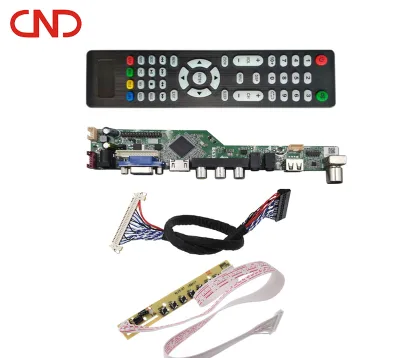
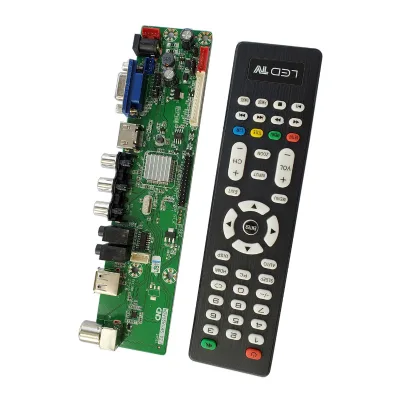
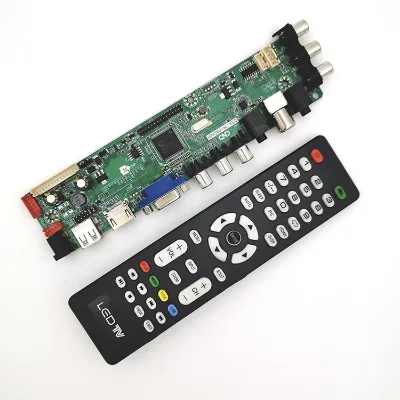


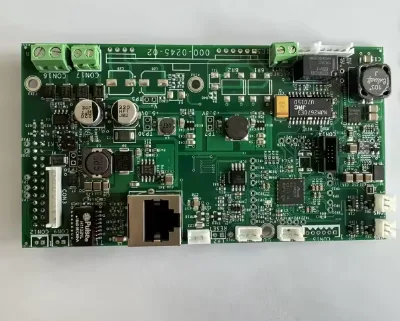
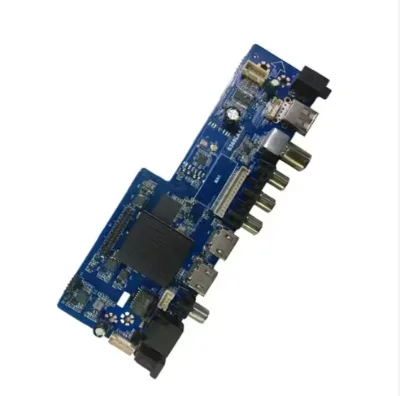
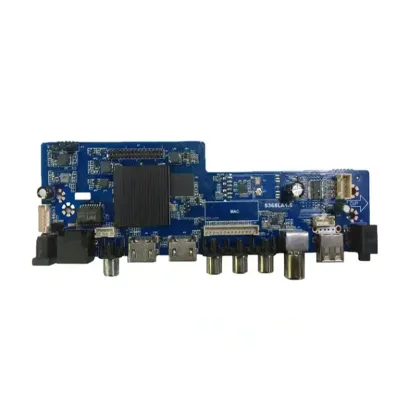
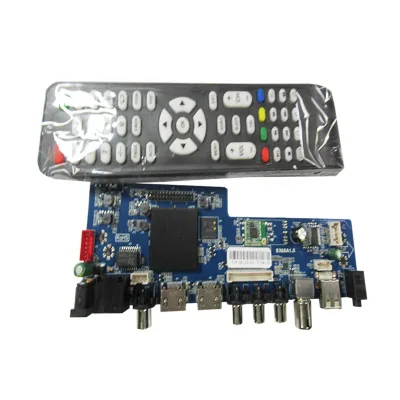
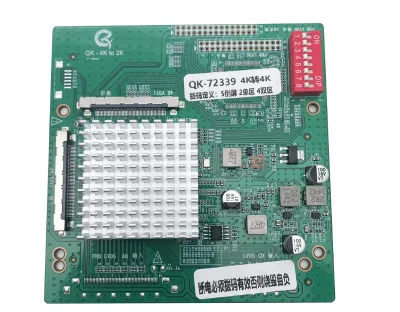
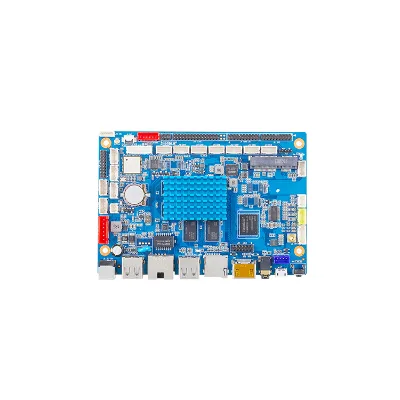
Popular Recommend Android Tv Motherboard High Quality Custom Motherboard
$55.00 - $58.00
MOQ: 1 pieces
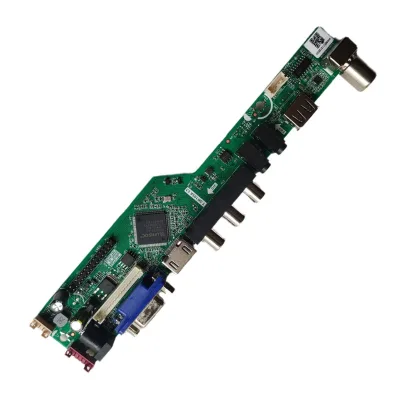
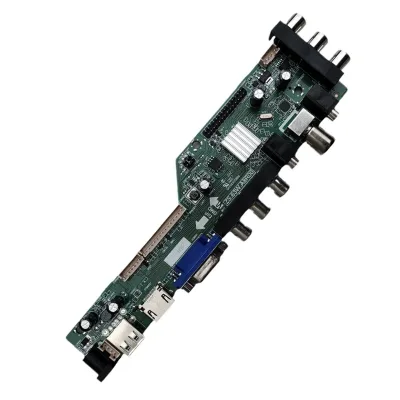
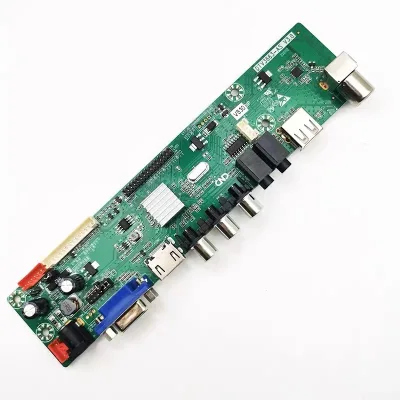
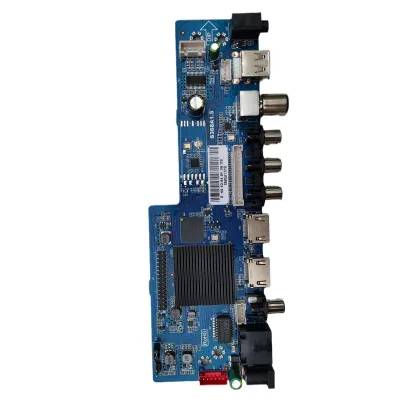


Comprehensive Sourcing Guide
Strategic Sourcing Guide for Universal Smart TV Motherboards
Understanding Technical Specifications and Interface Compatibility
When sourcing a Universal Smart TV Motherboard, the primary objective is to identify a unit that bridges the gap between legacy display panels and modern signal processing requirements. The core technical landscape for these components is defined by specific display interface standards and resolution capabilities. Based on available product data, the Universal Smart TV Motherboard market frequently features units designed to support a broad spectrum of screen sizes, ranging from 10.1 inches up to 65 inches, with some specifications indicating a potential range extending to 100 inches. This variability necessitates a rigorous verification process where the buyer must match the motherboard's panel size support to the specific LCD or LED panel they intend to repair or upgrade.
Resolution is a critical differentiator in this category. The most prevalent standard observed in high-confidence product listings is Full HD, specifically 1920x1080p. This resolution is often paired with specific interface protocols such as LVDS (Low-Voltage Differential Signaling), which is essential for transmitting high-bandwidth video data between the motherboard and the panel. The data indicates that these boards often support dual-channel LVDS outputs with bit depths of 6-bit or 8-bit, a configuration that directly impacts color depth and image quality. Buyers must verify that the LVDS pinout and channel configuration of the purchased board align perfectly with the panel's connector, as mismatches here can result in a blank screen or color distortion.
Input versatility is another defining characteristic of universal motherboards. To maximize utility across different repair scenarios, these units typically integrate a wide array of input interfaces. Commonly observed inputs include HDMI, VGA, AV, USB, and TV tuners. The presence of multiple HDMI ports allows for connectivity with modern streaming devices, while VGA and AV support ensures backward compatibility with older sources. The integration of these diverse inputs is often managed by a central processing unit that decodes various signal formats, including PAL, NTSC, and SECAM television systems. This multi-system support is crucial for buyers operating in international markets or dealing with imported equipment.
Power Supply Requirements and Electrical Characteristics
Electrical compatibility is a non-negotiable aspect of sourcing a Universal Smart TV Motherboard. The power architecture of these boards varies, and selecting the wrong voltage can lead to immediate component failure. The supply chain data highlights several distinct power supply configurations. Some units are designed to operate on a 12V DC power supply, which is a standard for many mid-to-large-sized TV panels. Others may support a 5V DC input, often at 1A or 2A output capacity, suitable for smaller displays or specific backlight configurations. Furthermore, the screen voltage itself can vary, with some boards supporting 3.3V, 5V, or 12V for the panel logic.
The power supply section of the motherboard must be matched to the panel's requirements. For instance, a board with a 12V DC input might be required to drive the backlight inverter or the panel's logic board, while the main processor might operate on a lower voltage derived internally. Buyers must carefully inspect the voltage ratings printed on the board or listed in the technical specifications. The presence of a 12V DC power supply is a common attribute, but the existence of 5V or 3.3V options indicates a more flexible design. It is imperative to verify the exact voltage requirements of the target panel before purchasing, as using a 12V board on a 5V panel, or vice versa, will likely destroy the electronics.
Additionally, the physical dimensions of the board can influence power distribution and heat dissipation. While some specifications mention a board size of approximately 7.48 inches in length and 1.69 inches in width, this likely refers to specific sub-components or smaller modules rather than the entire mainboard. The overall footprint of the motherboard must fit within the TV chassis, and the mounting hole pattern must align with the existing structure. The power supply unit (PSU) integration is often a separate consideration, but the motherboard's ability to accept external power inputs (12V DC) is a standard feature that buyers should confirm.
Compliance, Certification, and Material Standards
In the B2B procurement of electronic components, compliance with international safety and environmental standards is a prerequisite for market access and liability protection. The sourcing guide emphasizes the importance of verifying that the Universal Smart TV Motherboard adheres to recognized environmental regulations. The most prominent standard observed in the product data is RoHS (Restriction of Hazardous Substances), which restricts the use of specific hazardous materials in electrical and electronic equipment. Compliance with RoHS is often a baseline requirement for selling these products in major markets, including the European Union and North America.
Beyond environmental compliance, the base material of the printed circuit board (PCB) is a critical factor in determining the board's durability and performance. The data indicates that the base material is typically FR-4, a standard glass-reinforced epoxy laminate material known for its flame retardant properties and mechanical strength. The copper thickness on the PCB is another specification that varies; observed values include 2 oz and 3 oz copper thickness. A higher copper thickness generally allows for better current carrying capacity and improved heat dissipation, which is beneficial for high-performance motherboards. Buyers should request documentation confirming the copper weight and material composition to ensure the board can handle the thermal load of the system.
Certification status should be verified through official documentation rather than relying solely on marketing claims. While some background information suggests certifications like CE (Conformité Européenne), the primary focus should be on the explicit presence of RoHS compliance. The supplier type is also a relevant factor; listings often identify the source as an "Original Manufacturer" or a "Manufacturer," suggesting a direct supply chain that may offer better quality control than third-party traders. However, buyers must remain vigilant and request specific test reports or certificates of conformity to validate these claims. The absence of a specific certification on a product listing does not necessarily mean non-compliance, but it does require further inquiry to ensure the product meets the necessary regulatory standards for the intended market.
Cost Drivers and Procurement Economics
The pricing of universal smart TV motherboards is influenced by a complex interplay of factors, including resolution, interface complexity, and the level of customization required. The observed price range in the market is substantial, spanning from $0.10 to $238.00. This wide disparity suggests that the cost is not solely determined by the board's function but also by its condition, specifications, and the volume of the order. Lower-priced items in this range may correspond to basic models, used units, or those with limited feature sets, while the higher end of the spectrum likely reflects boards with advanced features, higher resolution support, or those sold as new, customized units.
Minimum Order Quantity (MOQ) is another significant economic driver. The observed MOQ range extends from 1 unit to 500 units. This flexibility allows buyers to scale their procurement strategy based on their immediate needs. Small orders, potentially as low as a single unit, are acceptable for repair shops or prototyping, whereas larger orders may unlock volume discounts or more favorable shipping terms. The "Small Order: Acceptable" attribute indicates that the supply chain is adaptable to various business sizes. However, buyers should be aware that the unit price may decrease as the order volume increases, making bulk purchasing a viable strategy for large-scale repair operations or manufacturing projects.
The condition of the product is a primary determinant of cost. Listings distinguish between "New" and "Used" units. New units typically command a premium price due to their guaranteed functionality and lack of wear, while used units offer a cost-effective alternative for budget-conscious buyers, provided they have been tested and verified. Customization is another cost factor; the availability of "Customized" options and "Customization: Available" attributes suggests that buyers can request specific modifications, such as different input configurations or branding. These custom orders will likely incur higher costs and longer lead times compared to standard off-the-shelf products.
Supplier Evaluation and Production Capabilities
Selecting the right supplier is critical for ensuring the reliability and consistency of the Universal Smart TV Motherboard supply. The supplier landscape includes entities identified as "Original Manufacturer" or simply "Manufacturer," which implies a direct relationship with the production facility. This direct sourcing model often results in better quality control and more accurate technical support. When evaluating potential suppliers, buyers should look for evidence of a proven track record in intellectual property (IP) protection, as indicated by attributes such as "Strong Believe in IP Protection with Proven Record." This is particularly important for universal boards that may be reverse-engineered or modified, as IP disputes can disrupt supply chains.
Production capabilities are another key evaluation metric. The data highlights the use of SMT (Surface Mount Technology) as the mode of production, which is the industry standard for assembling modern electronic components. The ability to handle complex PCB layers, with some specifications mentioning up to 64 layers, indicates a high level of manufacturing sophistication. Buyers should verify the supplier's capacity to handle different PCB types, including rigid boards and multilayer configurations. The supplier's ability to accommodate various footprints, such as BGA, QFP, and TSSOP, is also essential for ensuring compatibility with the specific components used in the motherboard design.
Quality assurance processes are integral to supplier evaluation. The supply chain data lists a comprehensive suite of testing methods, including SPI (Solder Paste Inspection), AOI (Automated Optical Inspection), ICT (In-Circuit Test), FCT (Functional Circuit Test), X-ray inspection, and aging tests. These tests ensure that the boards are free from manufacturing defects and meet performance standards before shipment. A supplier that employs this full range of testing protocols is more likely to deliver high-quality products. Additionally, the supplier's location, often cited as Guangdong, China, is a significant hub for electronics manufacturing, offering access to a robust supply chain and competitive pricing. Buyers should also consider the supplier's logistics capabilities, such as packing standards (e.g., DHL & UPS) and their ability to provide Turkey sourcing and procurement services if applicable to their region.
Quality Control and Long-Term Procurement Considerations
Ensuring the long-term viability of a Universal Smart TV Motherboard requires a robust quality control strategy. The testing protocols mentioned, such as X-ray and AOI, are essential for detecting hidden defects like solder bridges or voids in BGA packages. The "PCBA Min. IC Pitch" of 0.30mm (12mil) indicates that the boards can handle fine-pitch components, which are common in modern, high-density designs. Buyers should insist on receiving test reports that confirm the board has passed these rigorous checks. The inclusion of aging tests is particularly valuable, as it simulates long-term operation and helps identify potential early-life failures.
For long-term procurement, buyers must consider the availability of replacement parts and the longevity of the product line. The "Customized" nature of some boards suggests that suppliers may offer tailored solutions, but this can also lead to obsolescence if the customization is not standardized. Buyers should prioritize suppliers who offer a balance of standard and customizable options to ensure future compatibility. The "Small Order: Acceptable" policy is beneficial for maintaining a flexible inventory, allowing buyers to restock as needed without committing to large volumes.
Finally, the packaging and shipping standards play a role in the condition of the goods upon arrival. Specifications like "25212 cm" for the product standard likely refer to packaging dimensions, ensuring that the boards are protected during transit. The use of reputable couriers like DHL and UPS further mitigates the risk of damage. By focusing on suppliers with proven quality control measures, robust testing protocols, and flexible ordering policies, buyers can secure a reliable supply of universal smart TV motherboards that meet their technical and operational requirements.
FAQs
What screen sizes does the Universal Smart TV Motherboard support?
The board supports screen sizes ranging from 10.1 to 65 inches, with some specifications indicating up to 100 inches. Buyers must verify the specific panel size compatibility before purchase to ensure proper fit and function.
Which input interfaces are available on the Universal Smart TV Motherboard?
Common inputs include HDMI, VGA, AV, USB, and TV tuner capabilities. These diverse interfaces allow connectivity with modern streaming devices while maintaining backward compatibility with older signal sources for versatile repair scenarios.
How does the resolution capability affect image quality on the board?
The board typically supports Full HD resolution of 1920x1080p for clear image display. This standard is often paired with dual-channel LVDS outputs to ensure high bandwidth transmission and accurate color depth for the connected panel.
Can the motherboard operate with different power supply voltages?
Yes, the unit can operate on 12V DC, 5V DC, or 3.3V depending on the specific model configuration. Selecting the correct voltage is critical to prevent component failure when matching the board to the target panel.
What certifications are required for the Universal Smart TV Motherboard?
RoHS compliance is a standard requirement to restrict hazardous substances in the electronic components. Buyers should verify documentation for this environmental standard to ensure market access and safety compliance in major regions.
Which minimum order quantity options are available for sourcing this board?
Minimum order quantities range from 1 unit to 500 units depending on the supplier and order type. Small orders are acceptable for repair shops, while larger volumes may unlock better pricing and shipping terms.