Source USB Rechargeable Heated Seat Cushion for Cars, Trucks, and Office
Compare 30 listings of USB Rechargeable Heated Seat Cushion options featuring heating and massage functions. Buyers can evaluate specifications, materials, and customization availability from suppliers in China.
Key considerations
Products List




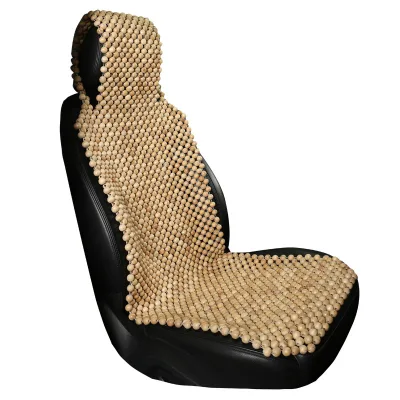
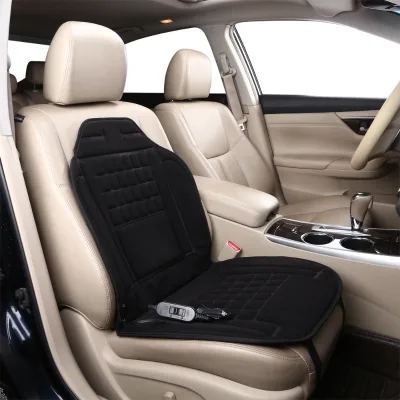
Comprehensive Sourcing Guide
Strategic Sourcing Guide for USB Rechargeable Heated Seat Cushions
Understanding Product Attributes and Functional Variations
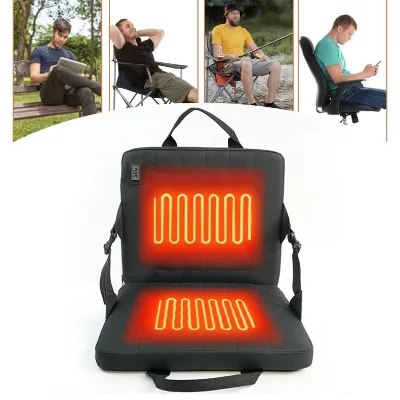
The market for USB rechargeable heated seat cushions presents a diverse array of options defined by specific material compositions, heating mechanisms, and form factors. When evaluating potential inventory, buyers must first distinguish between products that function primarily as passive seat pads and those engineered with active heating elements. The core keyword implies a device capable of generating thermal energy via a USB power source, yet the supplied data reveals a spectrum of attributes ranging from simple "Seat Cushion" types to units explicitly labeled with "Heated" and "Electric" features.
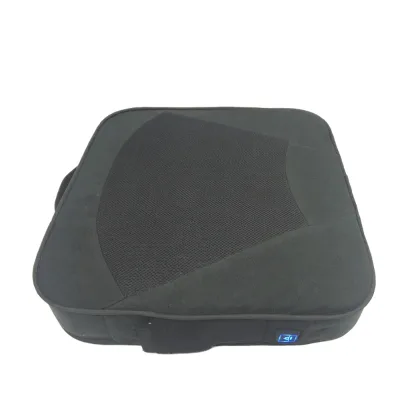
A critical observation in the current supply landscape is the variation in material composition. Some listings specify "100% Polyester" as the primary fabric, while others describe a "Compound Mesh Pressure Line" combined with a specific thickness dimension. The filling material is frequently identified as "Foam," which contributes to the "soft" firmness level often requested for comfort. However, the presence of "Heating" and "Massage" functions in certain product descriptions suggests a more complex internal architecture involving electrical components. Buyers should not assume that all "Seat Cushion" listings possess heating capabilities; the attribute "feature: Portable, Wearable, Heated, Waterproof, Electric" is a specific differentiator that must be verified on a per-SKU basis.
The physical dimensions of these units vary significantly, impacting both shipping costs and vehicle compatibility. Observed single package sizes range from 50x50x50 cm to 52x45x61 cm, with specific product models citing dimensions like 38x34x34 cm. The gross weight also fluctuates, with some units weighing 7.000 kg and others reaching 18.000 KG. This variance suggests that the heavier units likely contain the battery packs and heating elements, whereas lighter units may be standard seat pads. The "Universal" car fitment attribute indicates that these products are designed to accommodate a wide range of vehicle seats, but the "Square" shape and specific size constraints require careful verification against the target vehicle's seat dimensions.
Technical Specifications and Power System Requirements
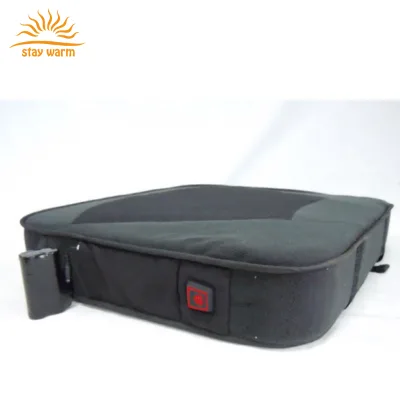
For a product to be classified as a "USB Rechargeable Heated Seat Cushion," the technical integration of power systems is paramount. The supplied context highlights a specific power architecture involving a "5V power bank USB port." This indicates that the device is designed to interface with standard USB power sources, which is a significant advantage for portability and ease of use in various environments, including cars, offices, and homes. However, the data also references "7.4V polymer or 18650 battery" options, suggesting that some models may include internal battery packs or require specific voltage inputs for optimal performance.
The electrical safety and battery specifications are critical technical considerations. The documentation mentions "UN38.3" and "MSDS" certificates in the context of packaging and shipping, which are standard requirements for transporting lithium-ion batteries. The "18650 battery" specification points to the use of cylindrical lithium cells, which are common in portable electronics but require strict adherence to safety standards during manufacturing and logistics. Buyers must verify that the supplier can provide documentation confirming the battery's compliance with UN38.3 testing, which covers altitude simulation, thermal testing, and vibration testing to ensure the battery remains safe under transport conditions.
Furthermore, the "Waterproof" feature listed in the product attributes implies a level of ingress protection that must be technically validated. In the context of a heated seat cushion, waterproofing often refers to the outer fabric's resistance to spills and moisture, but it may also imply protection for the internal electrical components. The "Knitted" technics mentioned in the specifications suggest a specific manufacturing process for the fabric cover, which may influence the breathability and durability of the heating element integration. The "Removable And Washable" attribute is a functional specification that requires the electrical components to be either detachable or sufficiently sealed to withstand cleaning processes without damage.
Compliance, Certification, and Safety Standards
Navigating the regulatory landscape for electronic heating products requires a rigorous approach to compliance and certification. The supplied data references several potential certifications, including "CE," "ROHS," "FCC," and "Rohs." While these are listed as background or potential attributes, they represent critical checkpoints for international market entry. The "CE" marking indicates conformity with health, safety, and environmental protection standards for products sold within the European Economic Area. The "FCC" certification is essential for electronic devices sold in the United States, ensuring that the device does not emit harmful levels of radio frequency interference.
The "Rohs" directive restricts the use of specific hazardous materials in electrical and electronic equipment, a requirement that is increasingly mandatory in global markets. The presence of "UN38.3" and "MSDS" in the packaging details confirms that the supplier is aware of the regulations surrounding the transport of lithium batteries. However, buyers must not assume that every listed product automatically possesses these certifications. The data indicates that these are "Packaging Details" or "standard" references, meaning they apply to the logistics and compliance framework rather than guaranteeing the performance of every individual unit.
Patent information is another area of compliance to consider. The data mentions "Taiwan/China patents," which suggests that the technology or design may be protected intellectual property. For buyers sourcing for resale, it is vital to verify that the supplier has the legal right to manufacture and export these patented designs. The "OEM Logo" and "Customization" attributes indicate that the supplier is open to branding, but this must be done in a way that respects existing intellectual property rights. Buyers should request proof of patent ownership or licensing agreements to avoid potential legal disputes in their target markets.
Cost Drivers and Pricing Structure Analysis
The pricing structure for USB rechargeable heated seat cushions is influenced by a complex interplay of factors, including material costs, manufacturing complexity, and order volume. The observed price range in the market spans from 2.03 USD to 34.61 USD, a significant variance that reflects differences in product features and quality. The lower end of this range likely corresponds to standard seat cushions without heating elements, while the higher end represents units with integrated heating, massage, and battery systems.
The Minimum Order Quantity (MOQ) is a primary driver of unit cost. The observed MOQ range is extensive, spanning from 1 unit to 3000 units, with a specific high-confidence fact noting an MOQ of 800 pieces for certain models. This suggests that suppliers may offer tiered pricing structures where the per-unit cost decreases significantly as the order volume increases. For buyers looking to minimize upfront capital expenditure, the ability to order small quantities (MOQ 1) is advantageous for market testing, though the unit price will be higher. Conversely, buyers planning for large-scale distribution should target the higher MOQ tiers to secure more favorable pricing.
Material costs also play a substantial role in the final price. The use of "100% Polyester" versus "Compound Mesh Pressure Line" and the inclusion of "Foam" filling affect the base cost. Additionally, the inclusion of electronic components such as heating wires, controllers, and batteries (7.4V polymer or 18650) adds significant value and cost to the product. The "Waterproof" and "Washable" features may require additional manufacturing steps or specialized materials, further influencing the price. Buyers should analyze the cost breakdown of the product to understand the value proposition of each feature and ensure that the price aligns with the expected market demand.
Supplier Evaluation and Operational Capabilities
Evaluating suppliers for USB rechargeable heated seat cushions requires a focus on their operational capabilities, production capacity, and logistical readiness. The data indicates that suppliers are located in key manufacturing regions such as "Anhui, China," "Zhejiang," and "Taiwan/China." These locations are known for their textile and electronics manufacturing expertise, but buyers should verify the specific factory capabilities of each supplier. The "Supply Ability" of 35,000 pieces per month is a concrete metric that indicates a supplier's capacity to handle large orders, but buyers should also inquire about lead times and production schedules to ensure timely delivery.
The "Port of dispatch" is listed as "Shanghai, Ningbo," which are major shipping hubs in China. This information is crucial for logistics planning, as it affects shipping costs and transit times. Buyers should confirm the specific port of departure for their orders to accurately calculate freight expenses. Additionally, the "Customization" and "OEM Logo" options suggest that suppliers are willing to work with buyers to create branded products. However, buyers must verify the supplier's ability to manage the customization process, including design approval, sample production, and quality control during the customization phase.
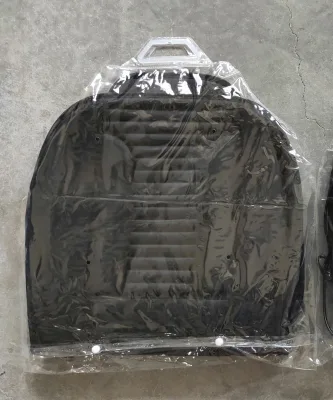
The "Single gross weight" and "Single package size" data are essential for logistics planning. With weights ranging from 7.000 kg to 18.000 KG and package sizes varying from 50x50x50 cm to 52x45x61 cm, buyers must calculate the volumetric weight and shipping costs accurately. The "Packaging Details" mention "OPP Pack with Color Card" and "PVC Bag," which are standard packaging methods. Buyers should evaluate whether these packaging options meet their branding and protection requirements, or if they need to request custom packaging solutions.
Quality Control and Long-Term Procurement Strategy
Implementing a robust quality control (QC) strategy is essential for ensuring the reliability and safety of USB rechargeable heated seat cushions. Given the electrical nature of the product, QC should focus on the integrity of the heating elements, the safety of the battery system, and the durability of the fabric and stitching. The "Removable And Washable" feature requires that the electrical components be securely sealed or easily detachable without compromising safety. Buyers should request pre-shipment inspection reports that include electrical safety testing, such as insulation resistance and leakage current tests.
Long-term procurement considerations involve building a sustainable relationship with suppliers who can consistently deliver high-quality products. The "Seasonal Classification: for Four Seasons" attribute suggests that these products have year-round demand, but buyers should also consider seasonal fluctuations in sales volume. The "Style: POPULAR" and "Color: Black/OEM Color" indicate that there is a demand for versatile, neutral-colored products that can be customized. Buyers should plan for inventory management strategies that account for these trends and ensure that they can quickly adapt to changing market preferences.
The "Unpick and wash" attribute highlights the importance of product longevity and user satisfaction. Buyers should verify that the supplier uses high-quality materials and construction techniques that can withstand repeated washing and use. The "Knitted" technics and "Foam" filling should be evaluated for their ability to maintain shape and comfort over time. Additionally, the "Waterproof" feature should be tested to ensure that it does not degrade with use or exposure to moisture.
Typical Applications and Market Positioning
The versatility of USB rechargeable heated seat cushions makes them suitable for a wide range of applications. The "Universal" car fitment and "Portable" nature of the product make it ideal for use in vehicles, particularly in regions with cold climates. The "Heated" and "Massage" features add value for users seeking comfort and relaxation during travel. The "Wearable" aspect suggests that some models may be designed for use in other settings, such as offices or homes, where users may need portable heating solutions.
The "Four Seasons" classification indicates that these products are not limited to winter use. While heating is a primary function, the "Soft" firmness and "Seat Cushion" design provide comfort year-round. The "Waterproof" feature adds an extra layer of utility, making the product suitable for outdoor use or in environments where spills are common. The "OEM Logo" and "Customization" options allow buyers to position these products as premium or branded items, catering to specific market segments.
The market for these products is driven by the growing demand for personal comfort and mobility solutions. As consumers seek ways to enhance their comfort in various environments, the USB Rechargeable Heated Seat Cushion offers a practical and affordable solution. The "Portable" and "Wearable" attributes align with the trend towards mobile and flexible living, making these products attractive to a broad demographic. Buyers should consider these market trends when developing their procurement and marketing strategies to maximize the potential of this product category.
FAQs
How do USB rechargeable heated seat cushions power the heating elements?
These cushions typically power heating elements via a 5V power bank USB port or internal 7.4V polymer batteries. Some models utilize 18650 batteries for portable operation. Ensure the power source matches the specific voltage requirements listed in the product specifications before purchase.
What materials are commonly used for the fabric and filling of these cushions?
Common materials include 100% Polyester or Compound Mesh Pressure Line with a 1cm thickness. The filling is frequently identified as Foam to provide a soft firmness level. Verify the specific material composition to ensure it meets your comfort and durability standards.
Which certifications are required for shipping lithium batteries in these products?
Shipping lithium batteries requires UN38.3 and MSDS certificates to ensure safety during transport. Packaging details often reference these standards alongside FCC, CE, and Rohs compliance. Confirm that the supplier provides valid documentation for these specific battery safety requirements.
Can buyers customize the logo and design of these seat cushions?
Yes, customization is available with OEM logo acceptance and options for specific colors. Buyers can request branding on the packaging or the product itself. Check the minimum order quantity, which may be as high as 800 pieces for customized runs.
What is the typical minimum order quantity for sourcing these cushions?
The minimum order quantity ranges from 1 unit for testing to 3000 units for bulk orders. Some specific models require a minimum of 800 pieces. The unit price often decreases as the order volume increases beyond the initial threshold.
How are these cushions packaged for international shipping and protection?
Packaging typically includes OPP bags with color cards or PVC bags for individual items. Bulk packaging often uses poly bags per piece inside cartons containing 20 units. Verify the single package size and gross weight to calculate accurate shipping costs.
Where are the primary manufacturing locations for these heated seat cushions?
Primary manufacturing locations include Anhui, China, and Zhejiang, with some dispatch ports in Shanghai and Ningbo. The products are designed for universal car fitment regardless of origin. Confirm the specific place of origin to assess logistics and lead times.