Source USB Rechargeable Hair Growth Comb for Salon, Home, Travel
Compare 30 USB Rechargeable Hair Growth Comb options featuring vibration, EMS, RF, and laser therapy technologies. Buyers can evaluate specifications like laser diodes, wavelengths, and waterproof ratings from suppliers in China.
Key considerations
Products List


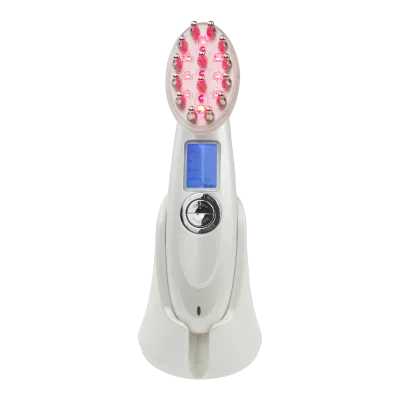
Electric with Red Light Infrared Scalp Massage Comb for Hair Growth Hair
$29.00 - $30.00
MOQ: 100 Pieces




Comprehensive Sourcing Guide
Strategic Sourcing Guide for USB Rechargeable Hair Growth Combs
The global market for personal care devices has seen a significant surge in demand for non-invasive hair restoration solutions, with the USB Rechargeable Hair Growth Comb emerging as a dominant category. For B2B procurement professionals, navigating this sector requires a disciplined approach that distinguishes between marketing narratives and verifiable technical specifications. This guide provides a comprehensive framework for sourcing these devices, grounded in observed product attributes, supply chain realities, and essential compliance checks. The objective is to equip buyers with the knowledge to evaluate suppliers, verify product integrity, and manage procurement risks effectively.
Technical Architecture and Functional Specifications
Understanding the underlying technology is the first step in defining procurement requirements. The core mechanism of these devices typically involves a combination of light therapy and mechanical stimulation. Based on observed product data, the functional spectrum often includes EMS (Electrical Muscle Stimulation), RF (Radio Frequency), and Vibration. These functions are designed to work synergistically to improve scalp circulation and stimulate hair follicles.
A critical technical differentiator is the laser diode configuration. Market observations indicate variations in the number of diodes, with specific models featuring 7, 9, or even 21 lamp beads. The laser medium is frequently identified as Gaaias Semiconductor, emitting at a wavelength of 650nm, which falls within the red light spectrum known for photobiomodulation. Some advanced units integrate dual-wavelength capabilities, combining red light (635nm-650nm) with blue light (465nm-470nm) to address different scalp conditions. The power output for single laser diodes in verified units is often cited around 5MW with a tolerance of ±10%.
Power management is another vital specification. While some units rely on AC input (100V~240VAC at 50/60Hz), the "USB rechargeable" designation implies a DC power source, typically 5V. Buyers must verify the battery capacity and charging cycle longevity, as these are not always explicitly detailed in standard product sheets. The physical construction usually involves ABS plastic for the body, with a specific weight observation of 493g for certain models, ensuring a balance between durability and portability. The device is generally rated IPX5 for waterproofing, allowing for safe use in bathroom environments without risk of water ingress damage.
Compliance, Certification, and Regulatory Standards
In the medical and personal care device sector, regulatory compliance is not merely a formality but a prerequisite for market access. Procurement teams must rigorously verify that suppliers possess valid certifications. Observed product data lists several standards, including CE, ROHS, ISO9001, and ISO13485. The ISO13485 standard is particularly significant as it specifically addresses quality management systems for medical devices, distinguishing these products from generic consumer electronics.
However, buyers must exercise caution regarding the specific application of these standards. While some product listings mention FDA approval, this status is often model-specific and requires direct verification rather than assumption. The presence of a "Common Comb" standard in some data points suggests that not all devices in this category are classified as medical devices; some may be marketed as wellness or cosmetic tools. This distinction impacts liability and regulatory requirements in different jurisdictions.
When evaluating a supplier, request current certificates for the specific model you intend to purchase. Do not accept generic certificates that apply to the company but not the specific product line. Verify that the CE marking corresponds to the correct directive (e.g., MDD or MDR in Europe) and that the ROHS compliance covers the specific materials used, such as the ABS plastic and electronic components. The absence of these documents or discrepancies in the certificate numbers should be treated as a critical red flag during the supplier evaluation phase.
Cost Drivers and Pricing Dynamics
The pricing structure for USB rechargeable hair growth combs is influenced by several variable factors. The observed price range in the market spans from $0.49 to $169, a wide disparity that reflects differences in technology, build quality, and brand positioning. The lower end of the spectrum typically corresponds to basic models with fewer laser diodes, simpler vibration mechanisms, and standard packaging. Conversely, the higher price points are associated with units featuring advanced multi-function capabilities (EMS/RF/Vibration), higher diode counts, and premium packaging such as gift boxes.
Material costs play a significant role in pricing. The use of high-grade ABS plastic and specific semiconductor components like Gaaias diodes contributes to the base cost. Additionally, the complexity of the electronic circuitry required to manage dual wavelengths and multiple power modes affects the unit price. Packaging is another cost driver; while some units are shipped in simple cartons, others include elaborate gift box packaging, which increases the per-unit cost but may be necessary for retail presentation.
Buyers should also consider the Minimum Order Quantity (MOQ) in their cost calculations. The observed MOQ range varies from 1 to 1000 units. High MOQs often correlate with lower per-unit costs but require significant capital outlay and inventory management. For buyers testing the market, suppliers accepting small orders (e.g., 1-100 units) may charge a premium per unit but reduce financial risk. Lead times, observed as short as 7 working days for some suppliers, can also impact total landed cost, particularly if expedited shipping is required to meet launch deadlines.
Typical Applications and Market Segmentation
The versatility of USB rechargeable hair growth combs allows them to serve multiple market segments. The primary application is home use, where consumers seek convenient, non-invasive solutions for hair thinning and loss. The portability of these devices, confirmed by product attributes, makes them suitable for travel, enabling users to maintain their hair care regimen on the go.
Beyond the consumer market, these devices are increasingly adopted by professional settings. Salons and hotels are key B2B clients, utilizing these combs as part of premium hair care services or guest amenities. The "Suitable for Salon" and "Suitable for Travel, Salon, Home, Hotel" attributes highlight this dual-market potential. In a salon context, the device's ability to provide a "No Pain, No Side Effect, No Trauma" experience is a significant selling point compared to more invasive treatments.
The indications for these devices are primarily focused on anti-hair loss and promoting hair growth. The vibration and laser therapy are marketed as effective for stimulating blood flow to the scalp. However, buyers must ensure that marketing claims align with the actual regulatory classification of the device in the target market. In regions where these are classified as medical devices, claims must be substantiated by clinical data, whereas in wellness categories, claims may be more flexible but still subject to consumer protection laws.
Supplier Evaluation and Quality Control Protocols
Selecting the right supplier requires a multi-faceted evaluation process. The origin of the products is a critical factor, with major manufacturing hubs identified as Shenzhen, Wuhan, and Guangzhou in China. Each location may offer different advantages regarding supply chain maturity, labor costs, and specialized expertise. Shenzhen, for instance, is known for its electronics ecosystem, while Guangzhou often has a strong presence in beauty and personal care manufacturing.
Quality control should be a continuous process, not a one-time check. Buyers should implement a rigorous inspection protocol that includes verifying the number of laser diodes, checking the accuracy of the wavelength output, and testing the waterproof rating. The observed packaging specifications, such as 24PCS/Carton or 5PCS/Parcel, must be consistent with the order to prevent shipping damage and ensure retail readiness.
When evaluating potential partners, request samples for independent testing. Verify the input voltage compatibility (100V~240VAC or DC5V) to ensure the device works in the target region. Check the temperature display type, as some models feature LCD displays for user feedback, which adds to the perceived value. It is also essential to confirm the customization options available. Many suppliers offer customization for branding, packaging, and even specific technical features, which can be a differentiator in a crowded market.
Long-Term Procurement and Supply Chain Resilience
Sourcing these devices is not a transactional event but a long-term partnership. Buyers should consider the scalability of the supplier's production capacity. The observed delivery time of 7 working days is impressive, but it is crucial to understand how this lead time changes during peak seasons or supply chain disruptions. A reliable supplier should have a clear plan for maintaining lead times and managing inventory levels.
Sustainability and material sourcing are becoming increasingly important. The use of ABS plastic and electronic components should be evaluated for environmental impact. Buyers should inquire about the recyclability of the packaging and the compliance of materials with international environmental standards. Furthermore, the availability of spare parts and after-sales support is vital for maintaining brand reputation. If a device fails, the ability to quickly replace it or provide a refund is essential for customer satisfaction.
Finally, buyers must stay informed about evolving regulations. The landscape for personal care devices is dynamic, with new standards and directives being introduced regularly. Maintaining a close relationship with suppliers who are proactive about compliance will help mitigate regulatory risks. By focusing on these long-term considerations, buyers can build a resilient supply chain that supports sustainable growth and market competitiveness.
Comparative Analysis of Product Attributes
To assist in decision-making, the following table summarizes key attributes observed across different product models, highlighting the variations that buyers should consider during specification selection.
| Attribute | Model A (Lasercomb002) | Model B (Lasercomb001) | Model C (LED-H) | Model D (Yjt-H) |
|---|---|---|---|---|
| Laser Diodes | 9 | 7 | 21 | N/A |
| Laser Wavelength | 650nm | N/A | 635nm-650nm | N/A |
| Additional Light | N/A | N/A | Blue (465nm-470nm) | N/A |
| Material | ABS | ABS | Plastic | Plastic |
| Waterproof | IPX5 | N/A | N/A | N/A |
| Power Source | 100V~240VAC | N/A | DC5V | N/A |
| Weight | 493G | N/A | N/A | N/A |
| Packaging | Gift Box | Carton | 5PCS/Parcel | N/A |
| Origin | Shenzhen | Wuhan | Guangzhou | N/A |
| Certifications | FDA, CE, ROHS, ISO | CE, ROHS, ISO | N/A | N/A |
This comparison illustrates the diversity in the market. Buyers must align their specific needs with the appropriate model characteristics. For instance, a buyer seeking a high-dose laser therapy solution might prioritize the 21-bead model, while a budget-conscious buyer might opt for the 7-diode version. The origin and certification status also vary, necessitating careful verification to ensure compliance with local regulations.
In conclusion, sourcing USB rechargeable hair growth combs requires a balance of technical scrutiny, regulatory diligence, and strategic supplier management. By adhering to the principles outlined in this guide, procurement professionals can navigate the complexities of this market and secure high-quality products that meet both business objectives and consumer expectations.
FAQs
What functions does the USB Rechargeable Hair Growth Comb offer?
The device offers EMS, RF, and Vibration functions to stimulate hair follicles. These features work synergistically to improve scalp circulation and support anti-hair loss indications without causing pain or trauma.
Which laser specifications are available for these combs?
Models feature 7 to 21 laser diodes emitting at 650nm or dual wavelengths of 635nm-650nm and 465nm-470nm. The laser medium is typically Gaaias Semiconductor with a single output of 5MW plus or minus 10 percent.
Can the comb be used in professional salon settings?
Yes, the product is suitable for salons, homes, hotels, and travel. Its portable design and IPX5 waterproof rating allow for safe use in bathroom environments and professional hair care services.
What certifications do these manufacturers typically hold?
Many suppliers provide products compliant with CE, ROHS, ISO9001, and ISO13485 standards. These certifications indicate adherence to quality management systems for medical devices and safety requirements for electronic components.
How does the power supply vary across different models?
Power sources include AC input of 100V to 240VAC at 50 or 60Hz, or DC5V for USB rechargeable units. Buyers must verify the specific input voltage to ensure compatibility with their target region.
What is the typical packaging configuration for bulk orders?
Packaging options include gift boxes for retail or cartons containing 24 pieces per carton. Some suppliers offer smaller parcels of 5 pieces or 30 pieces depending on the order volume and customization needs.
Which supplier locations are common for these products?
Manufacturing origins are primarily located in Shenzhen, Wuhan, and Guangzhou in China. These hubs offer access to established electronics ecosystems and specialized beauty device production capabilities.