Source Used Toyota Vios with Electric Seat Adjustment for fleets, rentals, and fleets
Compare 30 listings for Used Toyota Vios with Electric Seat Adjustment featuring manual gearboxes, FWD, and mechanical braking systems. Buyers can evaluate specifications including 2021 model years, Euro II emission standards, and Nappa material options for various vehicle applications.
Key considerations
Products List


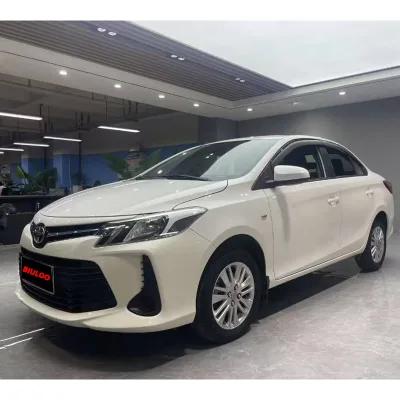


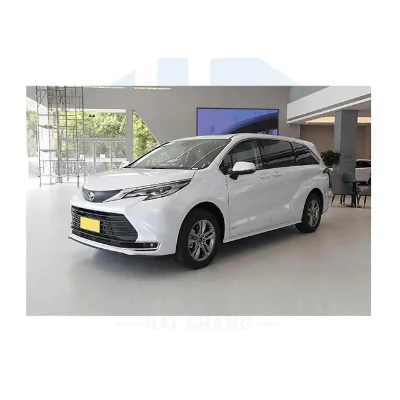
2021 Toyota- Vios 1.5L CVT Smart Edition Automatic Used Car Low Mileage
$7299.00 - $9999.00
MOQ: 1 Pieces



Comprehensive Sourcing Guide
Strategic Sourcing Guide for Used Toyota Vios with Electric Seat Adjustment
Procuring a used Toyota Vios equipped with electric seat adjustment requires a disciplined approach that distinguishes between the base vehicle specifications and the aftermarket modification components. The market for these units is characterized by a blend of original equipment manufacturer (OEM) attributes and specialized retrofit kits. Buyers must navigate a landscape where the vehicle's origin, condition, and the specific nature of the seat modification are critical determinants of value and compliance. This guide synthesizes available product data to provide a framework for evaluating listings, understanding technical constraints, and managing procurement risks without relying on unverified supplier claims.
Technical Specifications and Vehicle Baseline
The foundation of a successful procurement for this category lies in verifying the core vehicle identity. The target vehicle is identified as a Toyota Vios, a model known for its reliability and compact dimensions. Based on observed data, the vehicle typically presents as a Sedan with a closed body type. The standard configuration often includes a gasoline fuel type and a manual gearbox, though the presence of electric seat adjustments implies a specific trim level or a significant aftermarket upgrade.
The physical dimensions of the vehicle are a critical factor for logistics and fitment. Observed standards indicate a length of 4435mm, a width of 1700mm, and a height of 1490mm. These dimensions are essential for calculating shipping container utilization and ensuring the vehicle fits within the intended operational environment. The vehicle's steering configuration is predominantly left-hand drive, which must align with the destination market's traffic laws.
Regarding the powertrain, the observed specifications suggest a maximum power output ranging between 150-200Ps and a maximum torque between 200-300Nm. The braking system is noted as mechanical in general descriptions, with specific configurations citing a front disc and rear disc setup. This dual-disc arrangement is a standard safety feature that buyers should verify on individual units. The emission standard observed in the dataset is Euro II, a crucial compliance metric for importers targeting markets with strict environmental regulations. Buyers must confirm if the specific unit meets the local emission requirements of the destination country, as Euro II may be insufficient in regions requiring Euro IV or Euro VI standards.
The Nature of Electric Seat Modifications
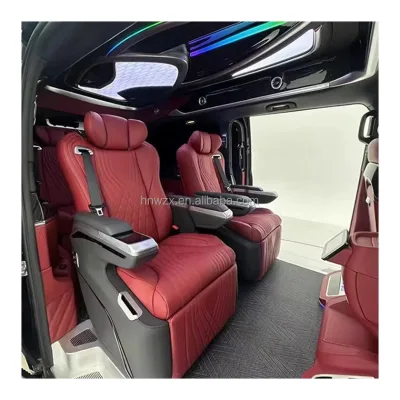
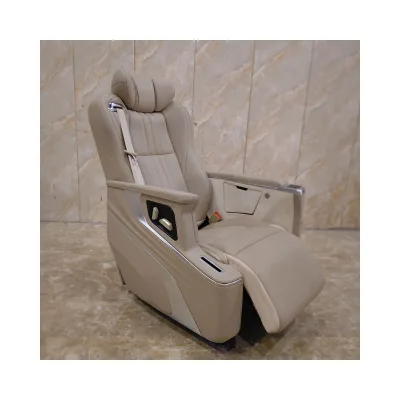
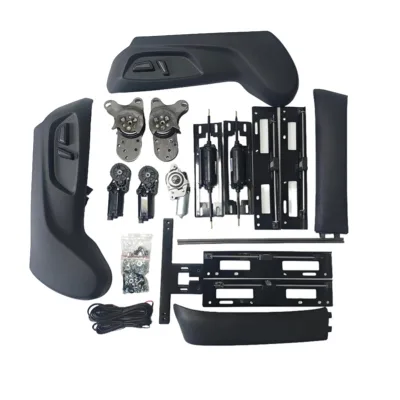
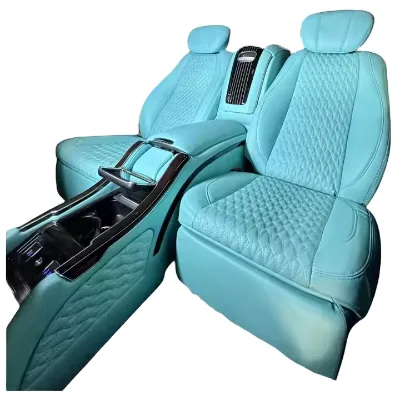
A significant portion of the search results for "Used Toyota Vios with Electric Seat Adjustment" actually refers to aftermarket modification kits rather than factory-installed features. The data reveals a distinct category of products labeled as "Luxury VIP Aviation Seats" or "Modification Electric Seat Mechanism Controller Kits." These items are often sourced from manufacturers in China, specifically from regions like Henan and Chongqing.
The modification components themselves vary in specification. Some listings describe "Luxury VIP Aviation Seats" with a design style akin to a luxury sofa bed, constructed from Nappa leather (Nappapi). These seats are designed to be compatible with Toyota cars and Buick models. The dimensions of these specific seat units can vary, with some models measuring 60x60x105 cm, while others are listed at 60x65x115 cm. The weight of these individual seat units is substantial, ranging from 65 to 75 kg, with a single gross weight of 75.000 kg noted for certain packages.
The electrical integration is a key technical consideration. The "Modification Electric Seat Mechanism Controller Kits" are designed to be suitable for a 6-way driver seat and a 4-way front passenger seat. The installation process is described as "Easy Installation," but this claim should be treated as a supplier observation rather than a guaranteed outcome. The controller kits likely involve complex wiring and mounting hardware that must be compatible with the Vios's existing electrical architecture. Buyers should verify the voltage requirements and the specific connector types to ensure seamless integration without compromising the vehicle's safety systems.
Compliance, Certification, and Regulatory Verification
When sourcing used vehicles and their associated modifications, regulatory compliance is the primary hurdle. The observed emission standard of Euro II is a specific data point that must be cross-referenced with local laws. Many developed markets have phased out Euro II vehicles, making them ineligible for import or registration. Buyers must independently verify the current emission standards of their target market and ensure the specific vehicle unit, including its engine and exhaust system, meets these criteria.
Furthermore, the aftermarket nature of the electric seat adjustment introduces additional compliance layers. In many jurisdictions, modifying the seating configuration of a vehicle, particularly adding electric mechanisms, may require re-certification or specific safety approvals. The "Luxury VIP Aviation Seats" and their controller kits must be evaluated for safety standards regarding fire resistance, structural integrity, and electrical safety.
The product origin is listed as China, with specific places of origin including Henan and Chongqing. While this information helps in tracing the supply chain, it does not inherently guarantee compliance with international standards such as ISO or ECE regulations. Buyers should request specific test reports or certification documents from the supplier regarding the electrical components and the structural modification. Without these documents, the risk of the vehicle failing inspection upon arrival is high.
Cost Drivers and Pricing Dynamics
The pricing for used Toyota Vios units with electric seat adjustments is highly volatile and influenced by several factors. The observed price range in the market is extensive, spanning from $234.89 to $43,145.57. This massive disparity indicates that the listings cover a wide spectrum of conditions, from stripped-down shells to fully restored luxury conversions.
The lower end of the price range likely corresponds to the base vehicle in poor condition or the cost of the modification kit alone. The upper end of the range suggests a fully restored vehicle with high-end Nappa leather seats, advanced controller kits, and potentially low mileage. The observed mileage for some units falls between 25,001 and 50,000 miles (40,235.21-80,467.20 km), which is a significant factor in valuation.
Other cost drivers include the customization level. Listings indicate that customization is available, allowing buyers to specify colors, logos, and seat configurations. The "Tailored Transportation for Different Regions" attribute suggests that logistics costs are variable and depend on the destination. The packaging size, with single package sizes reaching 90x90x130 cm for seat units, also impacts shipping costs. Buyers should anticipate that the total cost of ownership includes not just the purchase price but also the freight, insurance, and potential customs duties for the modified vehicle.
Supplier Evaluation and Verification Protocols
Evaluating suppliers for this niche requires a rigorous vetting process. The data lists a brand name, "Wang Zhi Xing," and various model numbers such as C-01, A-01, and QSA-1. However, buyers should not rely solely on these identifiers. The presence of a brand name does not guarantee quality or reliability.
Suppliers should be evaluated based on their ability to provide verifiable documentation. Key verification steps include:
- Origin Confirmation: Verify the specific place of origin (e.g., Henan or Chongqing) and request factory audit reports.
- Product Consistency: Ensure that the "Model Number" and "Size" specifications match the physical product. Discrepancies between the listed size (e.g., 65x35x25 cm for a controller kit) and the actual product can indicate a lack of quality control.
- Customization Capability: Confirm the supplier's ability to handle "Customized Logo" and "Color" requests. The "Customization: Available" attribute suggests flexibility, but the lead time and minimum order quantity (MOQ) must be clarified. The observed MOQ is as low as 1 Set, which is favorable for individual buyers, but buyers should confirm if bulk orders receive any discounts.
- Technical Support: Given the complexity of the "Modification Electric Seat Mechanism Controller Kits," the supplier must offer technical support for installation and troubleshooting.
Quality Control and Inspection Procedures
Quality control is paramount when dealing with used vehicles and aftermarket modifications. The "Condition: Used" attribute necessitates a thorough physical inspection. Buyers should verify the structural integrity of the Vios chassis, the condition of the engine, and the functionality of the braking system.
For the electric seat components, quality control should focus on:
- Material Verification: Confirm that the material is indeed Nappa leather as claimed. Visual and tactile inspection can help distinguish high-quality Nappa from lower-grade alternatives.
- Electrical Testing: The "Installation: Easy Installation" claim must be validated through a functional test. The 6-way driver and 4-way passenger seat adjustments should operate smoothly without electrical faults.
- Dimensional Accuracy: The size specifications (e.g., 60x60x105 cm) must be verified against the actual product to ensure proper fitment within the Vios cabin.
- Weight Verification: The weight of the seats (65-75 kg) affects the vehicle's center of gravity and load distribution. Buyers should weigh the components to ensure they match the specifications.
Long-Term Procurement and Maintenance Considerations
Procuring a used Toyota Vios with electric seat adjustments is not a one-time transaction but the beginning of a long-term ownership cycle. The "Mileage" of the vehicle is a critical indicator of its remaining lifespan. Units with mileage between 25,001 and 50,000 miles are generally considered to have moderate wear, but the electric seat mechanisms may require maintenance sooner than the mechanical components of the vehicle.
Buyers should consider the availability of spare parts for the modification kits. The "Model Number" and "Brand Name" should be used to source replacement controllers or seat motors. The "Customizable" nature of the product suggests that unique parts may be difficult to replace if the supplier discontinues the line.
Additionally, the "Tailored Transportation for Different Regions" attribute implies that the vehicle may need to be adapted for different climates or road conditions. Buyers should plan for potential maintenance costs related to the electric systems, which can be more expensive to repair than mechanical seats. The "Single gross weight" of 75.000 kg for the seat package also highlights the need for robust handling equipment during installation and maintenance.
In conclusion, sourcing a Used Toyota Vios with Electric Seat Adjustment requires a balance of technical verification, regulatory compliance, and supplier due diligence. By focusing on the specific attributes provided—such as the Euro II emission standard, the Nappa material, and the specific model numbers—buyers can navigate the complex market and secure a vehicle that meets their operational needs without falling victim to unverified claims or substandard modifications.
FAQs
What is the standard body style for used Toyota Vios?
The standard body style is a sedan with a closed body type. This configuration typically features a gasoline fuel type and a manual gearbox, ensuring a compact and reliable vehicle structure for various regions.
Can I find customized electric seat adjustments for this model?
Yes, customization is available for electric seat adjustments and luxury VIP aviation seats. Buyers can request specific colors, logos, and seating configurations, though the installation process requires verifying compatibility with the vehicle's electrical architecture.
Which emission standard applies to these used vehicles?
The observed emission standard for these units is Euro II. Importers must verify if this standard meets the local environmental regulations of their destination country, as many markets require higher standards like Euro IV or Euro VI.
How is the braking system configured on these vehicles?
The braking system is described as mechanical with a front disc and rear disc setup. This dual-disc arrangement is a standard safety feature that buyers should verify on individual units to ensure proper function and safety compliance.
What are the typical dimensions of the vehicle?
The standard dimensions are 4435mm in length, 1700mm in width, and 1490mm in height. These measurements are critical for calculating shipping container utilization and ensuring the vehicle fits within the intended operational environment.
Where are the modification components typically sourced from?
Modification components like controller kits and luxury seats are typically sourced from China, specifically regions like Henan and Chongqing. Buyers should verify the specific place of origin and request factory audit reports to ensure quality.