Source UV Protection Square Glasses for Fashion, Sports, and Dental Use
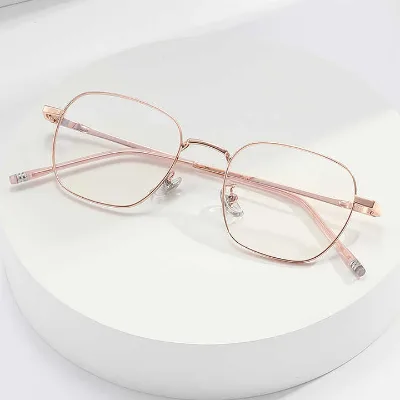
Source UV Protection Square Glasses from 30 verified listings. Compare options featuring plastic or acetate frames with PC, TAC, or polarized lenses. Find suitable styles for fashion, sports, and dental applications with customizable logos and packaging; compare the available evidence and request quotations based on your requirements.
Key considerations
Products List

New Style Simple Designed Plastic Glasses Square Sunglasses UV Protection
$2.50 - $3.86
MOQ: 1200 Pieces


Custom Logo Anti Fog Anti Scratch PC Lens Eye Protection Anti UV Safety Glasses
$1.00 - $2.00
MOQ: 3000 Pieces


Comprehensive Sourcing Guide
UV Protection Square Glasses Sourcing Guide
Sourcing square-framed eyewear with verified UV protection requires a disciplined approach to material selection and optical clarity. Buyers must distinguish between fashion-forward acetate frames and durable plastic alternatives, as each offers distinct advantages in weight, flexibility, and aesthetic appeal. The observed market signals indicate a strong presence of unisex designs, with frame colors ranging from classic black to vibrant green, allowing for broad demographic targeting. It is critical to verify that the lens material, whether polycarbonate, TAC, or CR-39, provides the necessary optical integrity while maintaining the structural rigidity required for square geometries.
Procurement teams should also evaluate the customization capabilities of potential suppliers, as branding and logo placement are often key differentiators in competitive markets. The availability of OEM and ODM services suggests that many manufacturers are equipped to handle bespoke orders, provided the minimum order quantities are met. Buyers need to assess whether the supplier’s production lines can accommodate specific frame shapes without compromising the UV-blocking properties of the lenses. Understanding these foundational product scope elements ensures that the initial selection aligns with both functional requirements and brand identity goals.
Product Scope and Observed Listing Signals
The current market landscape for square UV protection glasses reveals a diverse array of product types, including fashion sunglasses, visor styles, and specialized dustproof eyewear. Observed listings highlight a price range that suggests significant variability in quality and volume, with some entries indicating very low unit costs while others reflect premium positioning. The presence of models like Y23030211 and LS-2024053125 demonstrates that manufacturers offer specific SKUs tailored to different market segments, from general use to more niche applications. Buyers should note that while many products are marketed as unisex, specific face shape suitability, such as square or oval, is often explicitly stated to guide consumer choice.
Packaging and logistics details further define the scope, with common configurations including polybag individual packaging and bulk carton shipments. Some suppliers offer flexible packing options, such as 10 or 12 pieces per inner box, which can impact shipping efficiency and retail presentation. The origin of these products is predominantly China, with Xiamen emerging as a notable manufacturing hub. This geographic concentration can offer logistical advantages but also requires buyers to conduct thorough due diligence on supply chain resilience. Understanding these signals helps in filtering suppliers based on their ability to meet specific volume and packaging requirements.
Technical Specifications to Verify
When evaluating technical specifications, the lens material is a primary consideration, with options including polycarbonate, TAC, and CR-39 each offering unique benefits. Polycarbonate lenses are known for their impact resistance, making them suitable for sports or active use, while CR-39 provides superior optical clarity for fashion-oriented designs. Buyers must verify the lens color and optical attributes, such as UV400 protection, to ensure adequate shielding against harmful ultraviolet radiation. The frame material, whether plastic or acetate, also plays a crucial role in durability and comfort, with acetate often preferred for its premium feel and color depth.
Additionally, the frame color and style should be aligned with the target market’s preferences, as observed in listings featuring black, green, or smoke-colored lenses. The availability of polarized lenses is another key specification that can enhance visual comfort in bright conditions. Buyers should also check for customizable features, such as logo placement and frame size adjustments, which can be critical for brand differentiation. It is essential to confirm that the specified models, such as OGC or Y23030211, meet the required optical standards and that the lens options, including AC or glasses polarized, are accurately described in the product documentation.
Compliance and Safety Documentation
Compliance with international standards is non-negotiable for UV protection glasses, particularly when targeting regulated markets. Buyers must verify that suppliers hold relevant certifications, such as CE, FDA, and ISO9001, which indicate adherence to quality management and safety protocols. The EN ISO 12311:2013 standard is particularly important for sunglasses, as it defines the requirements for eye protection against solar glare. Ensuring that the products meet these standards helps mitigate legal risks and enhances consumer trust in the brand’s commitment to safety and quality.
Furthermore, specific certifications like UV400 and FDA approval provide additional assurance that the lenses effectively block harmful UV rays. Buyers should request copies of these certificates and verify their validity with the issuing bodies. It is also advisable to check for any additional standards, such as En ISO 12, which may apply to specific product types or regional requirements. By rigorously reviewing compliance documentation, procurement teams can ensure that the sourced glasses meet all necessary regulatory obligations, thereby avoiding potential customs delays or market restrictions.
Cost Drivers and Commercial Terms
Cost structures for UV protection glasses are influenced by several factors, including material quality, customization complexity, and order volume. The observed MOQ range of 1 to 5000 pieces indicates flexibility, but higher volumes typically yield better unit prices. Buyers should negotiate based on the total cost of ownership, which includes not only the product price but also shipping, packaging, and any customization fees. Understanding the cost drivers helps in budgeting accurately and identifying opportunities for savings without compromising on quality or compliance.
Commercial terms such as payment methods, lead times, and return policies are also critical components of the procurement strategy. Suppliers may offer different terms based on the order size and the level of customization required. For instance, OEM orders might have longer lead times due to the need for mold creation or logo printing. Buyers should clarify these terms upfront to avoid misunderstandings and ensure smooth transaction processes. Additionally, considering the sample time, which is often around seven days, can help in planning product launches and inventory management effectively.
Supplier Qualification and Quality Control
Supplier qualification is a vital step in ensuring the reliability and consistency of the sourced products. Buyers should assess the supplier’s production capabilities, quality control processes, and track record in the industry. Visiting the manufacturing facility, if possible, can provide valuable insights into their operational efficiency and adherence to safety standards. It is also important to verify the supplier’s ability to handle large orders and maintain consistent quality across batches, especially when dealing with high-volume purchases.
Quality control measures should include regular inspections of raw materials, in-process checks, and final product testing. Buyers should request detailed quality reports and test results to verify that the products meet the specified standards. Establishing a clear communication channel with the supplier can help in addressing any issues promptly and maintaining a productive partnership. By prioritizing supplier qualification and robust quality control, procurement teams can minimize risks and ensure that the final products meet the expected standards of quality and performance.
Long-Term Procurement Checks
Long-term procurement success depends on continuous monitoring and evaluation of supplier performance. Buyers should establish key performance indicators (KPIs) to track metrics such as on-time delivery, product quality, and responsiveness to issues. Regular audits and feedback sessions can help in identifying areas for improvement and strengthening the supplier relationship. It is also advisable to diversify the supplier base to mitigate risks associated with single-source dependencies, ensuring business continuity in case of disruptions.
Additionally, staying updated on market trends and regulatory changes is essential for maintaining a competitive edge. Buyers should regularly review the product portfolio to ensure it aligns with evolving consumer preferences and compliance requirements. Engaging in strategic planning and forecasting can help in anticipating demand fluctuations and optimizing inventory levels. By implementing these long-term checks, procurement teams can build a resilient supply chain that supports sustainable growth and delivers consistent value to the business.
FAQs
What certifications do the UV Protection Square Glasses meet?
The glasses meet ISO9001, CE, UV400, FDA, and En ISO 12311:2013 standards. These certifications ensure optical safety and quality compliance for international markets. Buyers can verify these specific standards directly on the product page to confirm regulatory adherence before placing orders.
Which frame materials are available for these sunglasses?
Available frame materials include plastic and acetate depending on the specific model selected. Plastic frames offer durability while acetate provides a premium feel. Customers should check the product specifications to identify which material corresponds to their preferred style and customization needs.
Can I customize the logo and colors for these glasses?
Yes, logo customization and color options like black or red are available for these products. Buyers can request specific color variations and branding details to match their brand identity. Customization services allow for tailored designs that meet unique business requirements effectively.
What is the minimum order quantity for these sunglasses?
The minimum order quantity ranges from 1 to 5000 pieces depending on the supplier and product model. Some specific models list an MOQ of 200 pieces. Buyers should confirm the exact MOQ with the supplier to ensure it aligns with their inventory planning and budget.
Where are these UV Protection Square Glasses manufactured?
These glasses are manufactured in Xiamen, China, or generally made in China. The origin location is clearly stated in the product details. Buyers sourcing from this region can expect established manufacturing capabilities and logistics networks for efficient shipping to global destinations.
What lens options are available for these sunglasses?
Lens options include AC, PC, Polarized, Cr39, and Glasses Polarized materials. Specific models may feature yellow, smoke, or clear lenses with UV400 protection. Customers can select the optical attribute that best suits their intended use, whether for fashion or specific light conditions.
How are these glasses packaged for shipment?
Packaging typically includes one piece per polybag with ten or twelve pieces per inner box. Larger shipments are packed in cartons containing three hundred pieces. This standardized packaging ensures product safety during transit while facilitating easy inventory management for wholesale buyers.