Source UV Resistant Sequin for Garments, Shoes, and Bags
Find and compare 30 listings for UV Resistant Sequin options suitable for garment, shoe, and bag applications. Evaluate specifications such as PVC and polyester materials, round and hexagon shapes, and customization availability to identify the best fit for your production needs.
Key considerations
Products List




Comprehensive Sourcing Guide
UV Resistant Sequin Sourcing Guide
Sourcing UV-resistant sequins requires a nuanced understanding of material science, as standard decorative sequins often degrade under prolonged sunlight exposure. The term "UV resistant" is not a universal industry standard for all sequins; rather, it indicates a specific formulation or coating designed to mitigate photodegradation. Buyers must distinguish between sequins that are merely colorfast and those that possess structural integrity against UV radiation. This distinction is critical for applications involving outdoor apparel, sun-protective garments, or accessories exposed to direct sunlight, where fading or brittleness can compromise both aesthetics and product lifespan.
The procurement landscape for these specialized components is fragmented, with suppliers offering varying degrees of UV protection through different material bases. While many listings advertise general durability, true UV resistance often depends on the polymer matrix and the presence of stabilizers. Buyers should approach this category with a verification-first mindset, treating "UV resistant" as a claim that requires empirical evidence rather than a guaranteed attribute. This guide outlines the necessary steps to validate these claims, ensuring that the selected sequins meet the rigorous demands of high-exposure environments without compromising on aesthetic versatility or cost-efficiency.
Product Scope and Observed Listing Signals
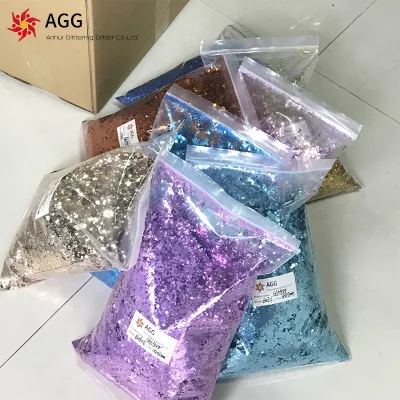
The observed market signals indicate a diverse range of sequin types, with PVC and polyester being prominent material bases. Listings frequently highlight customization options, including shape variations such as round, hexagon, star, and butterfly, as well as color customization through photo-matching or bespoke dyeing. The presence of multi-colored options and stock availability suggests that buyers can access a wide palette without necessarily incurring high minimum order quantities for color development. However, the specific claim of UV resistance is not uniformly distributed across all these variations, requiring careful filtering of supplier data.
Technical specifications observed in the market include size ranges from ultrafine powder to chunky formats, with specific dimensions like 5mm and 3mm-5mm variants being common. Width specifications for related textile applications, such as 58/60 inches for mesh or embroidered fabrics, provide context for the scale of sequin integration. Buyers should note that while features like abrasion resistance and heat resistance are frequently advertised, these do not automatically equate to UV stability. The distinction between general durability and specific UV protection must be clarified during the initial inquiry phase to avoid misalignment between supplier capabilities and end-use requirements.
Technical Specifications to Verify
Material composition is the primary determinant of UV performance, with PVC and polyester offering different baseline resistances. PVC sequins may require specific stabilizers to prevent yellowing or cracking under UV exposure, while polyester-based sequins often exhibit inherent better resistance to photodegradation. Buyers must verify the raw material source, as imported materials may offer higher consistency in additive distribution. The presence of mesh or knitted substrates for embroidery applications also influences how the sequins are anchored and whether the adhesive or thread used is UV-stable.
Surface treatment and coating technologies play a crucial role in enhancing UV resistance. Some suppliers may apply UV-absorbing coatings or incorporate light stabilizers directly into the polymer matrix. Buyers should request detailed technical data sheets that specify the type of stabilizers used and their concentration. Additionally, the gloss level, whether glossy or matte, can affect how UV radiation interacts with the surface, potentially influencing the rate of degradation. Verification of these technical parameters ensures that the sequins will maintain their luster and structural integrity over time.
Compliance and Safety Documentation
Regulatory compliance is essential for ensuring that UV-resistant sequins meet safety standards in target markets. Documentation such as SGS certification is often cited, indicating that the product has undergone specific testing protocols. Buyers should verify that the certification covers not only general safety but also specific performance metrics related to lightfastness and chemical stability. The absence of specific certification details in general listings necessitates direct inquiry into the testing standards applied, such as ISO or AATCC methods for colorfastness to light.
Environmental and health regulations also impact the choice of materials, particularly regarding the use of heavy metals or harmful additives in UV stabilizers. Buyers must ensure that the sequins comply with relevant restrictions on hazardous substances, such as REACH or CPSIA, depending on the end-use application. Requesting material safety data sheets (MSDS) and compliance certificates from the supplier is a critical step in this verification process. This due diligence helps mitigate risks associated with non-compliant materials, ensuring that the final product meets all legal and safety requirements.
Cost Drivers and Commercial Terms
Pricing for UV-resistant sequins is influenced by material quality, customization complexity, and order volume. The observed price range of $0.1 to $4000 USD reflects the diversity of products, from small quantities of specialized items to bulk orders of standard variants. Minimum order quantities (MOQs) vary significantly, with some suppliers offering low MOQs for customized colors or shapes, while others require larger volumes for standard stock items. Buyers should anticipate higher costs for bespoke UV-resistant formulations compared to standard off-the-shelf options.
Commercial terms, including delivery times and packing specifications, also impact the total cost of ownership. Lead times of 5-7 days for stock items are common, but customized orders may require longer production periods. Packing methods, such as roll packing or carton packaging, affect logistics costs and handling efficiency. Buyers should negotiate clear terms regarding price breaks, payment schedules, and liability for non-conforming goods. Understanding these commercial dynamics allows for more accurate budgeting and supply chain planning.
Supplier Qualification and Quality Control
Supplier qualification is critical for ensuring consistent quality and reliability in UV-resistant sequin sourcing. Buyers should assess suppliers based on their technical expertise, production capabilities, and quality control processes. Verification of OEM/ODM services indicates the supplier's ability to customize products to specific requirements, including UV resistance formulations. Requesting samples for independent testing is a vital step in validating supplier claims before committing to large orders.
Quality control measures should include routine testing for colorfastness, abrasion resistance, and UV stability. Buyers should inquire about the supplier's internal testing protocols and whether they conduct third-party audits. Consistency in batch-to-batch quality is essential for large-scale production, so suppliers with robust QC systems are preferred. Establishing clear quality expectations and communication channels with the supplier helps prevent discrepancies and ensures that the final product meets the desired standards.
Long-Term Procurement Checks
Long-term procurement success depends on continuous monitoring of supplier performance and product quality. Buyers should establish key performance indicators (KPIs) related to delivery times, defect rates, and compliance adherence. Regular audits and feedback loops with suppliers help identify areas for improvement and foster a collaborative relationship. Tracking market trends and technological advancements in UV-resistant materials ensures that the sourcing strategy remains competitive and aligned with industry best practices.
Risk management strategies should include diversifying the supplier base and maintaining safety stock of critical components. This approach mitigates the impact of supply chain disruptions and ensures continuity of production. Additionally, staying informed about regulatory changes and emerging standards helps buyers proactively adapt their sourcing practices. By implementing these long-term checks, buyers can build a resilient and efficient supply chain for UV-resistant sequins, supporting the success of their end products in demanding environments.
FAQs
What customization options are available for uv resistant sequins?
Customization is available for these sequins, allowing buyers to specify unique requirements. The product supports logo customization and offers various color options including photo colors or custom selections to meet specific design needs.
Which materials are used to manufacture these sequins?
The sequins are manufactured using PVC, PET, polyester, and mesh materials. These diverse material choices ensure durability and allow for different textures and finishes suitable for various garment and accessory applications.
Can I find uv resistant sequins with specific size specifications?
Yes, specific size specifications are available including 5mm, 3mm, 4mm, and various powder sizes. The product also comes in chunky, ultrafine powder, and mixed sizes to accommodate different design requirements.
What is the minimum order quantity for these sequins?
The minimum order quantity varies by product type, ranging from 100 meters to 1 kilogram. Some items may have an MOQ of 3000 units, while others start at 100 meters per roll.
How are these sequins packaged for shipment?
Packaging options include 500g per bag, 50 meters per roll, and carton packing. The specific packing method depends on the product model and material, ensuring safe transport for bulk orders.
Which certifications do these sequins meet?
The products meet SGS standards and are described as eco-friendly with heat resistance features. Some materials are noted as imported, ensuring quality and compliance with specific industry requirements.
What are the lead times for delivery?
Delivery times are typically 5 to 7 days for stock items. This fast turnaround supports urgent production schedules while maintaining quality standards for garment, shoe, and bag applications.