Source Vacuum Ceramic Tube Furnace for Metallurgy, Research, and Sintering
Explore 30 verified listings for the Vacuum Ceramic Tube Furnace, comparing models with temperatures up to 1400°C and customizable tube diameters. Buyers can evaluate specifications for metallurgy, scientific research, and industrial sintering applications from suppliers in China.
Key considerations
Products List


$1200.00 - $4000.00
MOQ: 1 Pieces

$1000.00 - $3500.00
MOQ: 1 Pieces

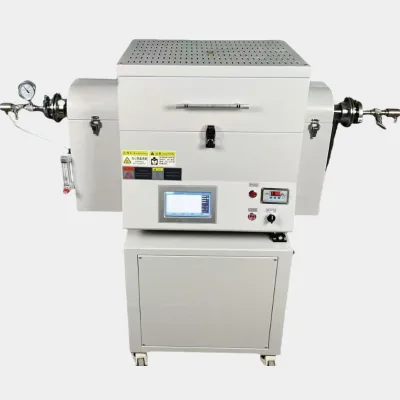

1200c 1500c 1700c Horizontal Vacuum Tube Furnace with Customizable Furnace Tubes
$1700.00 - $7700.00
MOQ: 1 Pieces

Vacuum Carbon Tube Sintering Furnace. for Sintering Porcelain Tungsten
$29700.00 - $43500.00
MOQ: 1 Pieces


1400 Degree Medium Temperature Vacuum Tube Furnace Combustion Furnace Tube
$1400.00 - $2099.00
MOQ: 1 Pieces

Comprehensive Sourcing Guide
Strategic Sourcing Guide for Vacuum Ceramic Tube Furnaces
Procuring a Vacuum Ceramic Tube Furnace represents a significant capital investment for laboratories, industrial research facilities, and manufacturing plants. These specialized heating systems are critical for processes requiring precise thermal control, inert atmospheres, or high-vacuum environments. Unlike standard atmospheric furnaces, vacuum tube furnaces integrate complex sealing mechanisms and vacuum pumps to prevent oxidation and ensure material purity during sintering, annealing, or heat treatment. This guide provides a structured approach to evaluating suppliers and specifications, ensuring that the selected equipment aligns with rigorous operational requirements without relying on unverified market claims.
Technical Specifications and Thermal Performance
The core of any Vacuum Ceramic Tube Furnace evaluation lies in its thermal capabilities and physical construction. Buyers must distinguish between maximum temperature ratings and continuous working temperatures, as these figures dictate the material compatibility and process longevity. Based on available product data, models exist with maximum temperature ratings of 1400°C and 1200°C, with corresponding working temperatures of 1300°C and 1100°C respectively. Selecting the correct temperature range is essential; operating a furnace near its maximum limit continuously can degrade heating elements and refractory materials faster than intended.
The furnace tube material is another critical specification. High-purity quartz or alumina tubes are the standard materials observed in this category. Quartz offers excellent thermal shock resistance and transparency, making it suitable for optical applications, while alumina provides superior mechanical strength and chemical resistance at higher temperatures. The physical dimensions of the tube, often specified by outer diameter and length (e.g., OD40/60/80/100mm with a length of 1000mm), must match the sample size and the desired heating zone length.
Vacuum performance is equally vital. The maximum vacuum level achievable by the system determines the quality of the inert environment. Observed specifications indicate a maximum vacuum capability of 10 Pa, with some configurations listing a range of 1-10 Pa. This range suggests that the system's ultimate vacuum depends on the specific pump configuration and sealing integrity. Buyers should verify the sealing method, which is typically a 304 stainless steel vacuum flange, to ensure the system can maintain the required pressure without leakage during extended cycles.
Compliance, Certification, and Safety Standards
In the B2B procurement of industrial heating equipment, compliance with international standards is non-negotiable. While specific test reports vary by batch, the supply chain for these furnaces frequently references certifications such as ISO, CE, ROHS, and SGS. The presence of CE certification indicates conformity with health, safety, and environmental protection standards for products sold within the European Economic Area. Similarly, ISO 9001 certification suggests that the manufacturer adheres to a quality management system, which is a strong indicator of consistent production processes.
When evaluating a supplier, buyers should request proof of these certifications rather than accepting them as a default assumption. The documentation should clearly state the scope of the certification, ensuring it covers the specific model of the furnace being purchased. Additionally, safety standards regarding electrical components and pressure vessels must be verified. The furnace's electrical system should comply with local grid standards, and the vacuum chamber must be designed to withstand the pressure differentials associated with the stated vacuum levels.
Cost Drivers and Pricing Variables
The pricing of vacuum ceramic tube furnaces varies significantly based on the complexity of the design and the included features. The observed market range spans from approximately $1 to over $57,000 USD. This wide disparity is driven by several factors, including the maximum temperature rating, the size of the heating zone, the sophistication of the temperature control system, and the inclusion of vacuum pumps.
A furnace with a 1400°C maximum temperature and advanced programmable control will command a higher price than a 1200°C unit with manual controls. The type of temperature control mode is a major cost driver; systems offering 30 or 50-segment program temperature control with LCD touch screens are more expensive than basic PID controllers. Furthermore, the vacuum pump capacity and the quality of the sealing flanges contribute to the final cost.
Minimum Order Quantity (MOQ) is another financial consideration. While some suppliers may offer single-item purchases with an MOQ of 1, others might require a minimum order of up to 150 units for custom configurations or specific pricing tiers. Buyers should clarify whether the quoted price includes the vacuum pump, controller, and necessary accessories, as these are often sold separately or as optional upgrades.
Typical Applications and Industry Use Cases
Vacuum ceramic tube furnaces are versatile tools utilized across multiple sectors, primarily where material purity and controlled atmospheres are paramount. The observed applications include metallurgy, machinery, scientific research, and industrial sintering. In metallurgy, these furnaces are used for heat treatment of alloys to enhance mechanical properties without oxidation. In scientific research, they facilitate the synthesis of new materials, such as ceramics and nanomaterials, under precise vacuum conditions.
The structure of the furnace also dictates its application. Horizontal placement styles are common for general industrial use, allowing for easy loading and unloading of long samples. Desktop structures are often preferred for laboratory settings where space is limited and the throughput is lower. The specific model, such as the Box-1400 or Tube-1400, often indicates the intended application; for instance, the "Tube" designation typically points to sintering and annealing processes, while "Box" models might be designed for batch heat treatment.
Supplier Evaluation and Customization Capabilities
Selecting the right supplier requires a deep dive into their customization capabilities and production history. Many manufacturers offer OEM, ODM, and OBM support, allowing buyers to tailor the furnace to specific process requirements. Customization options may include changes to the tube diameter, heating zone length, or the integration of specific vacuum flange types. The ability to customize the product is a strong indicator of a supplier's engineering flexibility.
When evaluating a supplier, buyers should verify the origin of the equipment. Products are frequently manufactured in China, with specific production hubs in regions like Anhui. While the origin itself is not a quality indicator, it helps in understanding the supply chain logistics and potential lead times. A reputable supplier will provide detailed technical drawings and specifications before production begins. They should also be transparent about the production process, including the quality of the wooden boxes or plywood cases used for packaging, which often include protective foam boards to prevent damage during transit.
Quality Control and Warranty Considerations
Quality control is the final safeguard before a furnace is installed in a facility. Buyers should insist on a comprehensive quality assurance process that includes factory acceptance testing (FAT). This testing should verify the maximum temperature stability, vacuum leak rates, and the accuracy of the temperature control system, which is often specified with an accuracy of ±1°C. The display mode, typically an LCD touch screen, should be tested for responsiveness and clarity.
Warranty terms are a critical component of the procurement agreement. Standard warranty periods observed in the market range from 1 year to 3 years. A longer warranty period often reflects the manufacturer's confidence in the durability of their heating elements and vacuum seals. However, buyers must read the fine print to understand what is covered. Typically, the warranty covers manufacturing defects but may exclude consumable parts like heating elements or vacuum pumps, which have a shorter lifespan.
Long-Term Procurement and Maintenance Planning
Beyond the initial purchase, long-term procurement considerations include the availability of spare parts and the expected lead time for replacements. The delivery time for these furnaces is typically around 30 days, but this can vary based on customization requirements and current production loads. Buyers should plan their project timelines accordingly to avoid delays in research or production schedules.
Maintenance is another long-term factor. The vacuum flange and tube material will eventually require replacement due to thermal cycling and mechanical stress. Ensuring that the supplier provides a clear maintenance manual and has a reliable supply chain for spare parts is essential for minimizing downtime. The packing method, such as a wooden box with protective material or plywood cases with foam boards, is designed to protect the unit during shipping, but it also highlights the fragility of the components. Proper handling and storage are necessary to maintain the integrity of the vacuum seals and heating elements.
Summary of Key Specifications for Comparison
To assist in the decision-making process, the following table summarizes the key technical and commercial specifications observed in the market for vacuum ceramic tube furnaces. This comparison helps buyers quickly identify the features that align with their specific operational needs.
| Feature Category | Observation Range / Specific Value | Verification Requirement |
|---|---|---|
| Max Temperature | 1200°C to 1400°C | Confirm continuous working temp vs. max limit |
| Working Temperature | 1100°C to 1300°C | Ensure process needs are within this range |
| Vacuum Level | 1-10 Pa | Verify pump capacity and sealing integrity |
| Tube Material | High Purity Quartz or Alumina | Check chemical compatibility with process |
| Temperature Control | 30 or 50 Segment Program | Verify accuracy (±1°C) and display type |
| Certifications | ISO, CE, ROHS, SGS | Request valid certificates for specific model |
| Warranty | 1 Year to 3 Years | Clarify coverage for heating elements and pumps |
| Delivery Time | 30 Days | Confirm lead time based on customization |
| MOQ | 1 to 150 Units | Negotiate based on volume and custom needs |
| Origin | China (e.g., Anhui) | Verify factory location and export compliance |
By systematically evaluating these factors, buyers can navigate the complex landscape of Vacuum Ceramic Tube Furnace procurement. The goal is to secure equipment that not only meets immediate technical specifications but also offers long-term reliability and support. This disciplined approach ensures that the investment yields the desired results in metallurgy, research, and industrial applications without the risk of unforeseen technical failures or compliance issues.
FAQs
What is the maximum temperature rating for these furnaces?
The maximum temperature rating reaches 1400°C for specific models like the Box-1400, while others are rated at 1200°C. Buyers must distinguish between this peak limit and the continuous working temperature, which is typically 1300°C or 1100°C respectively to ensure material compatibility.
Which certifications are commonly available for these vacuum furnaces?
Common certifications include ISO, CE, ROHS, and SGS, indicating compliance with safety and quality standards. Buyers should verify that the specific model holds valid documentation for these standards, as CE confirms conformity for the European Economic Area and ISO suggests a quality management system.
How long is the typical delivery time for these units?
The typical delivery time is 30 days for standard configurations. This lead time may vary depending on customization requirements, production loads, and the specific model ordered, so buyers should confirm the exact schedule before finalizing the procurement agreement.
Can these furnaces be customized for specific industrial needs?
Yes, customization is available with support for OEM, ODM, and OBM services. Suppliers can often adjust tube dimensions, heating zone lengths, or sealing methods, allowing buyers to tailor the equipment to precise metallurgy or scientific research requirements.
What is the minimum order quantity for purchasing a unit?
The minimum order quantity ranges from 1 unit for single items up to 150 units for specific custom configurations. Buyers should clarify whether the quoted price includes necessary accessories like vacuum pumps, as this affects the total cost and order volume requirements.
Which materials are used for the furnace tube construction?
The furnace tube material is typically high-purity quartz or alumina, chosen for their thermal and chemical properties. Quartz offers excellent thermal shock resistance, while alumina provides superior mechanical strength, making the selection dependent on the specific process atmosphere and temperature needs.
What warranty period is typically offered for these industrial furnaces?
Warranty periods typically range from 1 year to 3 years depending on the manufacturer and model. A longer warranty often reflects confidence in the durability of heating elements and vacuum seals, though buyers must check if consumable parts are excluded from the coverage.