Source Vacuum Insulated Flask for Daily Use, Sports, and Gifts
Source 30 Vacuum Insulated Flask options featuring double-wall vacuum insulation and eco-friendly materials. Compare stainless steel models with custom logos, various capacities, and LFGB/FDA certifications for daily use, sports, and promotional gifts; compare the available evidence and request quotations based on your requirements.
Updated
Key considerations
Products List


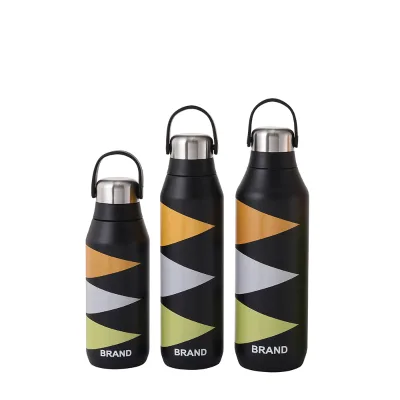
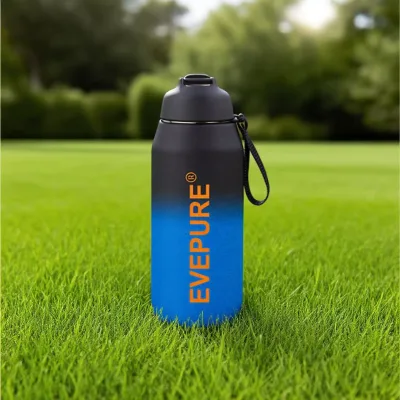

500ml Double Wall 304 Stainless Steel Vacuum Flask, Insulated Travel Flask
$2.30 - $3.50
MOQ: 3000 Pieces




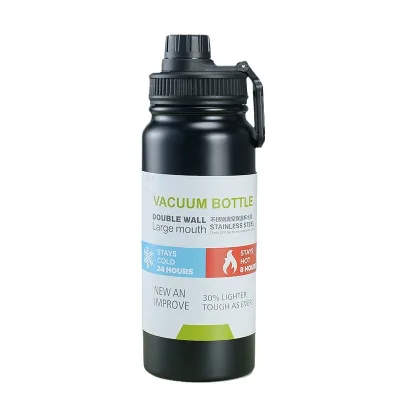
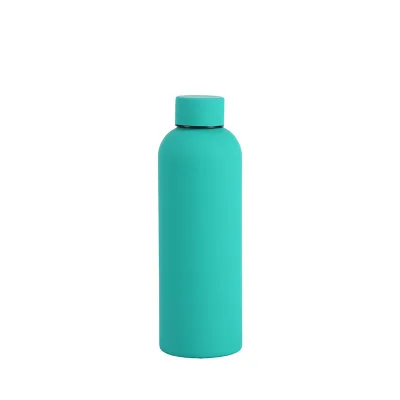
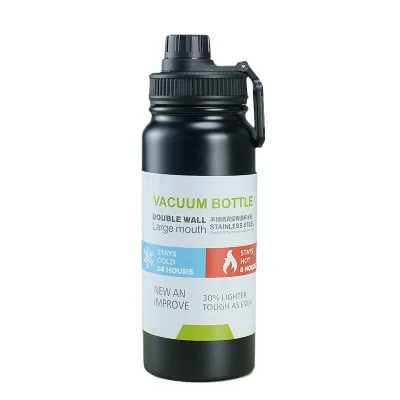
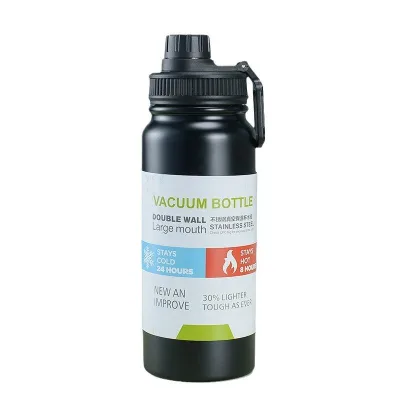
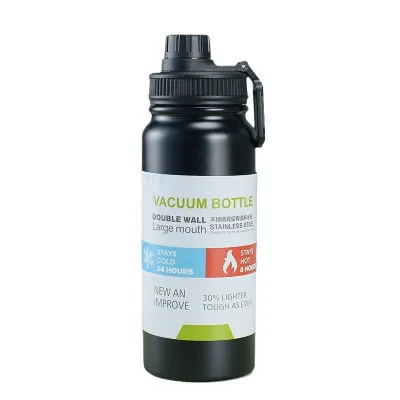
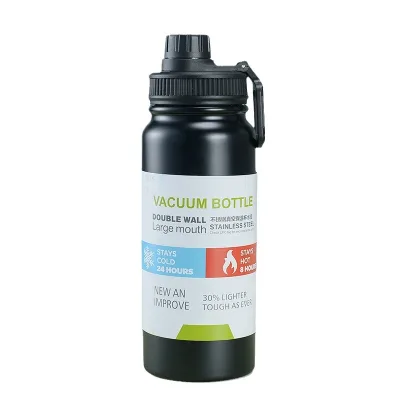


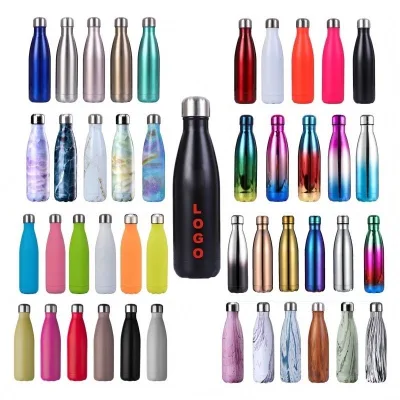
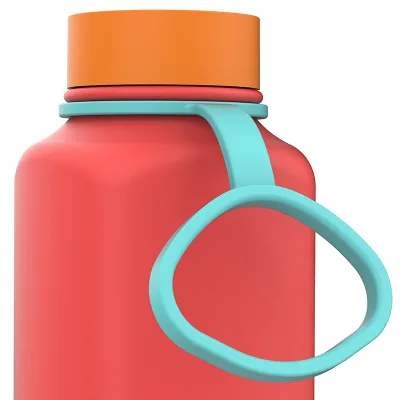
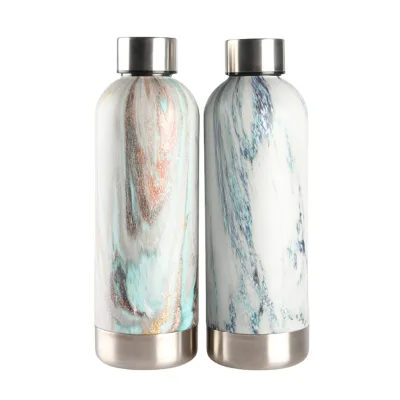

Customized Stainless Steel Vacuum Flask Water Bottle Insulated Sports Bottle
$3.87 - $5.43
MOQ: 100 Pieces
Comprehensive Sourcing Guide
Vacuum Insulated Flask Sourcing Guide
Sourcing vacuum insulated flasks requires a disciplined approach to balancing thermal performance, material integrity, and commercial viability. Buyers must navigate a market where product attributes vary significantly across suppliers, from basic single-wall designs to advanced double-wall vacuum constructions. The core challenge lies in verifying that the claimed insulation capabilities align with actual manufacturing standards, ensuring that the final product meets the specific thermal retention requirements of the end-user. This guide provides a structured framework for evaluating suppliers, interpreting technical specifications, and managing commercial risks associated with custom drinkware procurement.
Effective sourcing begins with a clear definition of product scope and observed listing signals. Procurement teams should analyze supplier catalogs for consistent indicators of quality, such as the presence of double-wall vacuum insulation and specific stainless steel grades like 304 or 201. It is critical to distinguish between generic promotional items and high-performance thermoses, as the latter often command higher prices and stricter quality controls. By focusing on these observable signals, buyers can filter out low-quality options and identify suppliers who possess the technical capability to deliver reliable thermal performance and durable construction.
Product Scope and Observed Listing Signals
The observed product landscape for vacuum insulated flasks includes a wide range of capacities, typically spanning from 12oz to 1000ml, catering to diverse consumer needs. Listings frequently highlight features such as eco-friendly materials, customized logos, and specific shapes like straight cups or sport-style designs with handles. Buyers should note that while many products advertise customization, the extent of this varies, with some offering only silkscreen printing and others providing laser engraving or thermal transfer options. Understanding these variations helps in selecting the right product for specific branding or functional requirements, ensuring that the aesthetic and practical aspects align with the target market.
Capacity and size specifications are critical decision points, with common options including 350ml, 500ml, 750ml, and 1000ml variants. The physical dimensions of these flasks, such as the standard size of 215.54cm for certain models, impact packaging efficiency and shipping costs. Buyers must verify whether the listed dimensions correspond to the actual product or include packaging, as this affects logistics planning. Additionally, the presence of accessories like lifting handles or attached screwing lids adds value but also increases complexity in quality control. Evaluating these physical attributes ensures that the selected flasks meet both functional expectations and logistical constraints.
Technical Specifications to Verify
Thermal insulation performance is a primary technical specification, with many suppliers claiming retention periods of 12-24 hours for hot beverages. Buyers must verify these claims through independent testing or by requesting detailed technical data sheets that outline the vacuum integrity and wall thickness. The use of double-wall vacuum insulation is a key indicator of performance, but the quality of the vacuum seal can degrade over time or due to manufacturing defects. Therefore, it is essential to assess the supplier’s quality assurance processes for maintaining vacuum integrity, as this directly impacts the product’s longevity and user satisfaction.
Material composition is another critical technical factor, with inner layers often made from 304 stainless steel for food safety and outer layers from 201 stainless steel for cost efficiency. Buyers should confirm the specific grades used in each layer, as this affects durability, corrosion resistance, and overall product lifespan. Additionally, the type of lid and closure mechanism, such as screwing lids or flip-top designs, influences leak-proof performance and ease of use. Verifying these material and design specifications ensures that the flasks meet the required performance standards and provide a reliable user experience.
Compliance and Safety Documentation
Certification requirements are paramount for vacuum insulated flasks, particularly when targeting markets with strict safety regulations. Common certifications observed in listings include LFGB, FDA, CE/EU, CIQ, and EEC, which attest to the product’s compliance with food contact and safety standards. Buyers must verify that these certifications are valid and issued by recognized bodies, as counterfeit or outdated certificates can pose significant legal and reputational risks. Ensuring that the supplier provides up-to-date documentation for each batch of production is essential for maintaining compliance and avoiding customs delays or product recalls.
Beyond certifications, buyers should request detailed material safety data sheets and test reports that confirm the absence of harmful substances like lead or BPA. These documents provide evidence that the stainless steel and any plastic components used in the flasks are safe for repeated use with hot and cold beverages. Additionally, verifying that the printing inks and adhesives used for logo customization are non-toxic and durable is crucial for maintaining product safety and brand integrity. By prioritizing comprehensive safety documentation, buyers can mitigate risks and ensure that their products meet global regulatory requirements.
Cost Drivers and Commercial Terms
Pricing for vacuum insulated flasks varies based on factors such as material quality, customization complexity, and order volume. Observed price ranges indicate that costs can fluctuate significantly, with higher prices often correlating with superior insulation performance and more intricate design features. Buyers should analyze the cost structure to understand how different specifications impact the final price, allowing for more accurate budgeting and negotiation. It is also important to consider the total cost of ownership, including shipping, packaging, and potential rework costs, rather than focusing solely on the unit price.
Minimum order quantities (MOQs) and lead times are key commercial terms that influence procurement strategy. Typical MOQs range from 48 to 3000 pieces, with higher volumes often securing better pricing and faster production times. Buyers must align their order quantities with their sales forecasts to avoid excess inventory or stockouts. Additionally, sample lead times, which can range from 5 to 10 days after artwork approval, should be factored into the overall project timeline. Understanding these commercial terms helps in planning production schedules and managing cash flow effectively.
Supplier Qualification and Quality Control
Supplier qualification involves assessing the manufacturer’s production capabilities, quality management systems, and track record. Buyers should verify that the supplier has experience in producing vacuum insulated flasks and can demonstrate consistent quality through past orders or client references. Evaluating the supplier’s factory conditions, including equipment modernity and workforce training, provides insight into their ability to maintain high standards. Additionally, checking for relevant business licenses and export qualifications ensures that the supplier is legally compliant and capable of handling international shipments.
Quality control processes are critical for ensuring that each flask meets the specified standards. Buyers should inquire about the supplier’s inspection protocols, including in-process checks and final random inspections. Requesting pre-shipment samples for independent testing can help verify thermal performance and material safety before committing to large orders. Establishing clear quality expectations and communication channels with the supplier facilitates timely resolution of any issues. By implementing robust quality control measures, buyers can minimize defects and ensure that the delivered products meet their requirements.
Long-Term Procurement Checks
Long-term procurement success depends on continuous monitoring of supplier performance and market trends. Buyers should regularly review supplier metrics, such as on-time delivery rates, defect rates, and responsiveness to issues, to identify potential risks. Building a diversified supplier base can mitigate the impact of supply chain disruptions and provide flexibility in sourcing. Additionally, staying informed about changes in material costs, regulatory requirements, and consumer preferences allows buyers to adapt their strategies proactively. Regular audits and feedback loops with suppliers foster a collaborative relationship that drives continuous improvement.
Sustainability and ethical sourcing are increasingly important considerations for long-term procurement. Buyers should assess suppliers’ environmental practices, such as waste management and energy efficiency, to align with corporate social responsibility goals. Verifying that the suppliers adhere to fair labor practices and provide safe working conditions is also essential for maintaining brand reputation. By integrating sustainability and ethical criteria into their procurement processes, buyers can contribute to a more responsible supply chain and enhance their competitive advantage in the market.
FAQs
What certifications do these stainless steel flasks have?
These flasks hold LFGB, FDA, CE/EU, CIQ, and EEC certifications. This ensures they meet international safety and quality standards for food contact. Buyers can verify compliance for different export markets. The materials used are inner 304 and outer 201 stainless steel. This combination provides durability while maintaining regulatory approval for global distribution channels.
How long does thermal insulation performance last?
The Vacuum Insulated Flask maintains thermal insulation performance for 12 to 24 hours. This double-wall vacuum design keeps beverages hot or cold effectively. It is suitable for daily use and sport activities. The straight cup shape with a handle enhances portability. This performance level meets the needs of adults requiring reliable temperature control throughout the day.
Can I customize the logo and packaging?
Yes, customized logo and packaging are available for these flasks. Options include laser printing, silk-screen printing, and thermal transfer printing. Buyers can choose white box or customized packaging solutions. The product supports various customization requests to match brand identity. This flexibility allows businesses to create unique souvenir or promotional items effectively.
What is the minimum order quantity for these flasks?
The minimum order quantity is typically 500 pieces, though observed ranges vary from 48 to 3000 units. Buyers should confirm specific MOQs with suppliers based on customization needs. Standard models may have lower thresholds than fully customized versions. This flexibility accommodates both small trial orders and large bulk purchases for different business scales.
What capacities are available for these vacuum flasks?
Available capacities include 12oz, 20oz, 350ml, 500ml, 750ml, and 1000ml. The big mouth design facilitates easy cleaning and filling. These sizes cater to various daily use and sport requirements. Buyers can select the appropriate volume based on their target audience. The variety ensures suitability for different drinking habits and usage scenarios globally.
How long is the sample delivery time?
Sample delivery time ranges from 5 to 10 days after artwork receipt. Some suppliers offer free samples, while others may require negotiation. This lead time allows buyers to evaluate product quality before bulk ordering. The process ensures that customization details are accurately reflected in the sample. Quick turnaround supports efficient decision-making for procurement teams.