Source Valve Rocker Arm for generators, pumps, and engines
Compare 30 listings for Valve Rocker Arm components suitable for generators, pumps, and engine repairs. Buyers can review specifications, prices, and supplier details to find the right fit for their machinery needs; compare the available evidence and request quotations based on your requirements.
Key considerations
Products List
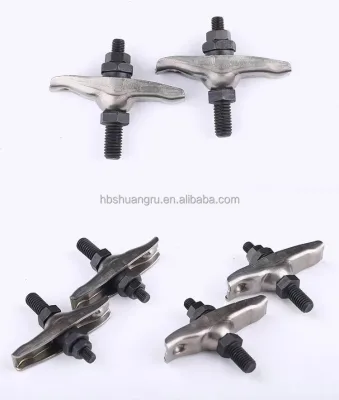
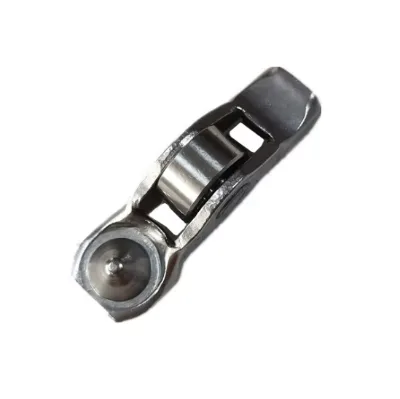

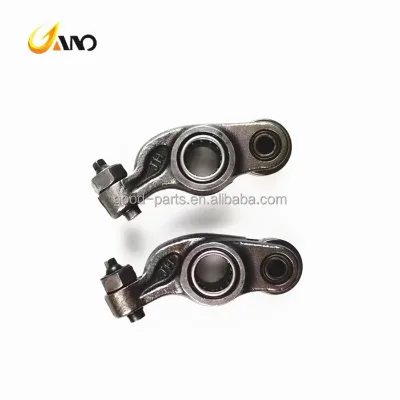


Custom Engine Rocker Arm Factory Made for High Durability and Performance
$10.00 - $20.00
MOQ: 1000 Pieces


Automotive Parts Engine Valve Rocker Arms Customized Rocker Arm for Alfa 46764765
$0.50 - $1.50
MOQ: 1000 Pieces


1030002400 1016053843 The Valve Rocker Arm Is Suitable for Geely Cars Rockerarm
$1.00 - $100.00
MOQ: 1 Pieces

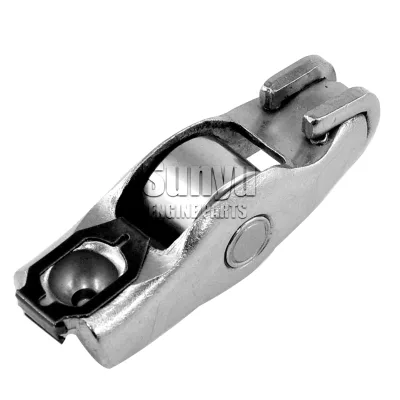
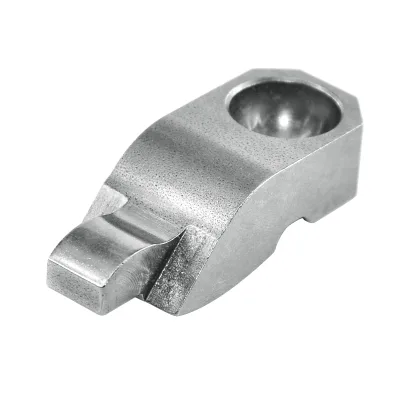
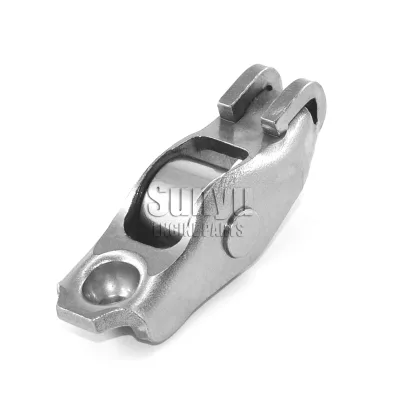
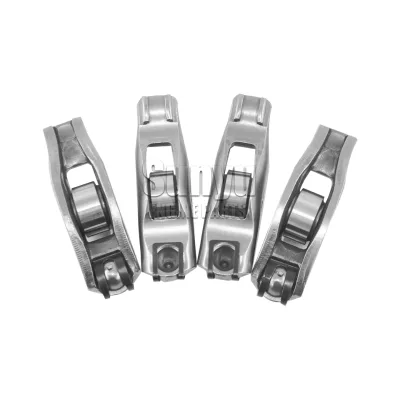
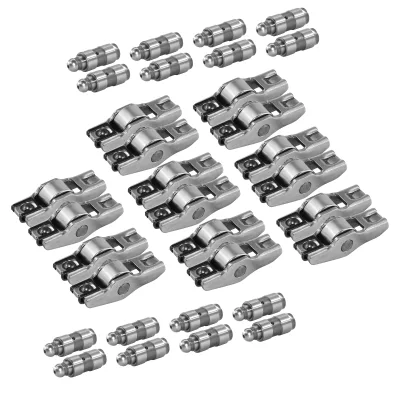
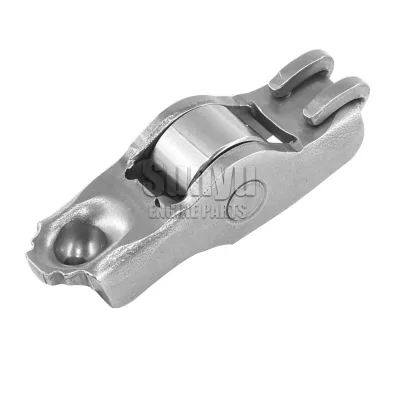


High Strength Cast Steel Rocker Arm for Internal Combustion Valve Train
$2.50 - $25.00
MOQ: 200 Pieces


Comprehensive Sourcing Guide
Valve Rocker Arm Sourcing Guide
Procuring valve rocker arms requires a disciplined approach to align component geometry with specific engine architectures. Buyers must first distinguish between generic aftermarket replacements and OEM-specific fittings, as dimensional tolerances vary significantly across manufacturers. The observed market data indicates a wide range of product attributes, from single-cylinder gasoline applications to more complex diesel configurations. Sourcing teams should prioritize verifying the engine model compatibility, such as the 192f or other specific variants, before initiating any purchase orders. Misalignment in rocker arm ratio or pivot point location can lead to catastrophic valve train failure, making precise specification matching the primary objective of the sourcing process.
Commercial availability also varies based on material composition and intended duty cycle. Listings show products constructed from iron or steel, each offering distinct wear resistance and weight characteristics. Iron components may provide cost advantages for low-stress applications, while steel variants are often preferred for high-load environments. Buyers should evaluate the single gross weight and package dimensions to calculate accurate landed costs, including freight and handling fees. Understanding these physical attributes helps in forecasting storage requirements and logistics planning, ensuring that the supply chain remains efficient and cost-effective throughout the procurement lifecycle.
Product Scope and Observed Listing Signals
The current market landscape for valve rocker arms reveals a diverse array of product listings with varying degrees of specificity. Observed data highlights products labeled under generic names like "rocker arm combined Valve Rocker Arm" or specific identifiers such as "Motorcycle Rocker Arm." This inconsistency necessitates careful scrutiny of the product title and description to ensure the item matches the technical requirements of the target engine. Some listings specify the application as generator pump fittings, while others are marketed for general automotive replacement. Buyers must cross-reference these broad categories with detailed technical drawings to confirm fitment, avoiding assumptions based solely on the product name or generic categorization.
Brand representation in the market is fragmented, with names like Tengyi and WANOU appearing in available listings. However, the presence of a brand name does not guarantee superior quality or compatibility without further verification. Many items are described with neutral packing, indicating they may be unbranded or intended for private labeling. This trend suggests a market driven by cost efficiency and customization potential. Procurement specialists should assess whether branded components offer tangible benefits in terms of traceability or warranty support, or if neutral options provide sufficient value for the intended application. Understanding these market signals helps in selecting suppliers who align with the buyer’s quality and branding strategies.
Technical Specifications to Verify
Technical verification begins with confirming the engine type and stroke configuration, as these factors dictate the rocker arm’s mechanical design. Listings indicate compatibility with both gasoline and diesel engines, often specifying single-cylinder and four-stroke configurations. Buyers must verify the engine model, such as the 192f, to ensure the rocker arm’s ratio and length are correct for the specific camshaft profile. Additionally, the cooling method, whether water-cooled or air-cooled, can influence the thermal expansion characteristics of the component. Ensuring that the rocker arm is designed for the correct thermal environment prevents premature wear or failure due to material stress.
Material composition and finish are critical technical parameters that affect durability and performance. Observed specifications mention body materials like iron and steel, with colors ranging from silver to untreated finishes. The choice of material impacts the component’s strength-to-weight ratio and resistance to fatigue. Buyers should request material test reports or mill certificates to verify the alloy composition, especially for high-stress applications. Furthermore, the single package size and gross weight provide insights into the component’s density and manufacturing quality. Accurate verification of these technical details ensures that the procured parts meet the engineering requirements of the final assembly, reducing the risk of field failures.
Compliance and Safety Documentation
Compliance documentation is essential for ensuring that valve rocker arms meet international safety and quality standards. Observed listings reference a range of certifications, including CCC, COP, ISO9001, CE, E-Mark, RoHS, and TS16949. Buyers must verify the validity and scope of these certifications, as they indicate the supplier’s adherence to specific regulatory frameworks. For instance, CE marking is crucial for products destined for the European market, while E-Mark certification is relevant for automotive components. Understanding the specific requirements of the target market helps in selecting suppliers who can provide the necessary documentation to facilitate customs clearance and market entry.
In addition to certifications, machinery test reports and discharge standards provide further assurance of product quality. Some listings indicate that machinery test reports are not available, which may raise concerns about the component’s reliability under operational conditions. Buyers should inquire about the availability of such reports or request third-party testing results to validate performance claims. The discharge standard, such as Euro II, may also be relevant for engines where the rocker arm is part of a larger emission control system. Ensuring that all compliance documentation is complete and up-to-date minimizes legal risks and ensures that the procured components meet the necessary regulatory requirements for their intended use.
Cost Drivers and Commercial Terms
Cost drivers for valve rocker arms include material prices, manufacturing complexity, and order volume. The observed price range of 0.1 to 100 USD reflects significant variation based on these factors. Buyers should analyze the cost structure to understand the impact of material selection and production methods on the final price. Minimum order quantities (MOQ) typically range from 1 to 1000 pieces, with some suppliers requiring a minimum of 500 pieces. Negotiating favorable MOQ terms can help in managing inventory costs and reducing the risk of overstocking. Understanding these commercial terms allows buyers to optimize their procurement strategy and achieve better cost efficiency.
Payment terms and shipping methods also influence the overall cost of procurement. Common payment methods include T/T, while shipping options often involve sea freight for bulk orders. Buyers should consider the lead times associated with different shipping methods and negotiate terms that align with their production schedules. Additionally, the availability of customization services may incur additional costs but can provide competitive advantages by ensuring perfect fitment. Evaluating these commercial terms holistically helps in selecting suppliers who offer the best value proposition, balancing cost, quality, and service levels to meet the buyer’s strategic objectives.
Supplier Qualification and Quality Control
Supplier qualification is a critical step in ensuring the reliability of Valve Rocker Arm procurement. Buyers should assess the supplier’s production capabilities, quality management systems, and track record in the industry. The observed data indicates that suppliers are located in various regions of China, including Hebei, Zhejiang, and Fujian. Buyers should verify the supplier’s location and facility details to ensure they meet the required standards for manufacturing and quality control. Additionally, the condition of the products, typically listed as new, should be confirmed through site audits or third-party inspections.
Quality control measures should include regular inspections of incoming materials, in-process checks, and final product testing. Buyers should request quality control plans from suppliers to understand their approach to maintaining consistency and reliability. The warranty period, ranging from 3 months to 6 months or as per sample, provides insight into the supplier’s confidence in their product. Establishing clear quality expectations and monitoring compliance through regular audits helps in mitigating risks and ensuring that the procured components meet the required standards. Effective supplier qualification and quality control are essential for building a resilient supply chain.
Long-Term Procurement Checks
Long-term procurement checks involve continuous monitoring of supplier performance and market trends. Buyers should establish key performance indicators (KPIs) to evaluate suppliers on metrics such as delivery reliability, product quality, and responsiveness. Regular reviews of these KPIs help in identifying potential issues early and taking corrective actions. Additionally, staying informed about market developments, such as changes in material costs or regulatory requirements, allows buyers to adapt their sourcing strategies proactively. This ongoing vigilance ensures that the procurement process remains efficient and aligned with the buyer’s strategic goals.
Building strong relationships with suppliers is also crucial for long-term success. Collaborative partnerships can lead to improved product quality, better pricing, and enhanced service levels. Buyers should engage in regular communication with suppliers to discuss performance, address concerns, and explore opportunities for improvement. The availability of customization services and OEM acceptance indicates a flexible market that can adapt to changing needs. By fostering these relationships, buyers can create a stable and reliable supply base that supports their long-term operational requirements. Continuous improvement and collaboration are key to sustaining competitive advantage in the procurement of valve rocker arms.
FAQs
What is the warranty period for the Tengyi Valve Rocker Arm?
The warranty period is three months for the Tengyi brand Valve Rocker Arm. Some listings indicate a six-month warranty or terms as per sample. Buyers should verify the specific warranty duration with the supplier before finalizing the purchase to ensure coverage matches their needs.
Which certifications are available for the Valve Rocker Arm products?
Available certifications include CCC, COP, ISO9001, CE, E-Mark, RoHS, and TS16949. These standards indicate compliance with various safety and quality requirements. Buyers should request specific certification documents from the manufacturer to confirm that the product meets the regulatory standards required for their target market.
Can the Valve Rocker Arm be customized for specific engine models?
Customization is available for the Valve Rocker Arm to meet specific engine requirements. The product fits applications like generator pump fittings and uses engine models such as 192f. Buyers should provide detailed specifications to the supplier to ensure the customized part aligns with their machinery needs.
What is the minimum order quantity for purchasing valve rocker arms?
The minimum order quantity is 500 pieces for this product. Some listings show an MOQ range from 1 to 1000 units depending on the supplier. Buyers should confirm the exact MOQ with the vendor to plan their inventory levels and budget effectively for the procurement process.
How is the Valve Rocker Arm packaged for shipping?
The product is typically packed in neutral packing or cartons. The single package size varies, with some listings showing dimensions around 5x5x5 cm. Buyers should verify the packaging details with the supplier to ensure the goods are protected during transit and meet their logistical requirements.
Which engine types are compatible with this Valve Rocker Arm?
This Valve Rocker Arm is compatible with gasoline and diesel engines. It is designed for single-cylinder, four-stroke engines with electric start capabilities. Buyers should confirm the specific engine model and fuel type with the supplier to ensure the part fits their machinery correctly.
What is the material composition of the Valve Rocker Arm body?
The body material is made of iron or steel for durability. The product is described as high-quality and new condition. Buyers should request material test reports if available, as the current documentation states that machinery test reports are not available for this specific listing.