Source Variable Geometry Electric Turbocharger for Cars Excavators Engines
Find 30 listings for Variable Geometry Electric Turbocharger components suitable for Volkswagen vehicles, excavators, and 4jg2t engines. Buyers can compare specifications, certifications, and pricing from verified Chinese suppliers.
Key considerations
Products List


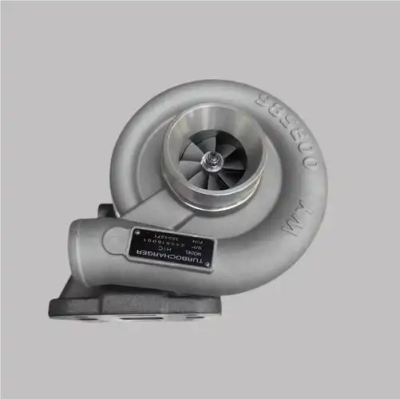


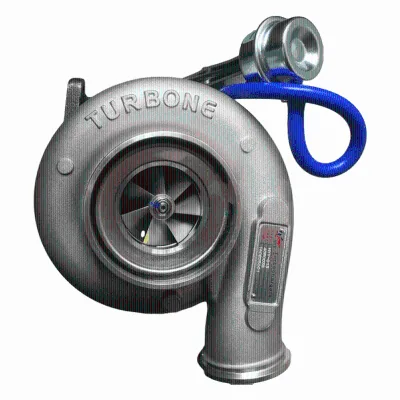

Comprehensive Sourcing Guide
Strategic Sourcing Guide for Variable Geometry Electric Turbocharger Systems
The procurement of Variable Geometry Electric Turbocharger systems represents a sophisticated intersection of thermal management, electrical engineering, and fluid dynamics. For buyers navigating this specialized B2B market, the primary challenge lies in distinguishing between generic mechanical components and advanced systems that integrate electric actuation with variable geometry turbine (VGT) capabilities. The observed market data indicates a diverse product landscape ranging from single-unit mechanical turbocharger systems to complex assemblies with specific material compositions like K18 steel and K18 alloy components. Understanding the specific attributes of these systems is critical for aligning procurement strategies with operational requirements, particularly when sourcing from major manufacturing hubs in China, including Guangdong and Shandong provinces.
Technical Architecture and Component Specifications
When evaluating a Variable Geometry Electric Turbocharger, the buyer must first scrutinize the fundamental architecture. Unlike traditional mechanical turbochargers that rely solely on exhaust gas flow, electric variants often incorporate axial-flow electric turbocharger types to provide rapid spool-up and precise control over the variable geometry vanes. The supplied product facts highlight the existence of "Axialflow" electric turbocharger types and "Mechanical Turbocharger System" classifications, suggesting a hybrid or transitional technology base in the current market.
The physical construction of these units is paramount. The body material is frequently identified as Steel, providing the necessary durability against high-temperature exhaust gases. Specific material grades, such as K18, are noted in the context of compressor wheels and forgings, indicating high-strength applications. The casting form usage is described as "Permanent," utilizing metal casting forms, which suggests a robust manufacturing process suitable for high-volume production. Surface treatments are equally critical; observed data points to "Spray-Paint" finishes and surface roughness values as low as Ra1, ensuring aerodynamic efficiency and corrosion resistance.
Furthermore, the integration of electric components requires verification of the actuation mechanism. While the core keyword specifies "variable geometry," the market data includes references to "Runoff" ETS types and specific part numbers like 129935-18010 and 8971760801. These identifiers are essential for cross-referencing compatibility with specific engine models, such as the 4jg2t or applications for Volkswagen and Excavator platforms. The size specifications observed range from 50mm to 600mm, indicating a wide variety of scales from small auxiliary units to large industrial applications. Buyers must verify that the specific geometric variable mechanism matches the engine's torque curve requirements.
Compliance, Certification, and Standard Verification
Navigating the regulatory landscape is a non-negotiable aspect of sourcing high-performance turbocharger systems. The provided facts list several certifications, including ISOCE, CE, and ISO 9001. These designations are vital indicators of a supplier's adherence to international quality and safety standards. However, the presence of these certifications in a general product listing does not guarantee that every specific unit possesses them; buyers must request valid, traceable certificates for the specific batch being procured.
In addition to general quality management, machining tolerances are a critical compliance metric. The data specifies a machining tolerance of +/-0.10mm, a precision level that is essential for maintaining the tight clearances required in turbocharger bearings and vane linkages. Deviations beyond this threshold can lead to premature failure or reduced efficiency. Furthermore, the standard ASME is referenced, which is particularly relevant for pressure vessel and mechanical component safety. Buyers should also verify if the supplier adheres to SGS standards, as indicated in the product facts, which often cover material composition and performance testing.
It is crucial to distinguish between product standards and delivery standards. While "standard" is listed as a product standard, other entries mention "1PCS" or "By The Customer Needs" as standards, reflecting the customizability of the order. The "SGS" and "ASME" references suggest that third-party validation is available, but the buyer must confirm that the specific Variable Geometry Electric Turbocharger unit has undergone the necessary testing protocols to meet these standards. The availability of a Machinery Test Report is a strong positive indicator, providing empirical data on the unit's performance under load.
Cost Drivers and Pricing Dynamics
The pricing structure for Variable Geometry Electric Turbocharger systems is influenced by a complex array of factors, ranging from raw material costs to the complexity of the electric actuation system. The observed price range in the market spans from $0.50 to $4,500 USD. This vast disparity underscores the difference between individual components, such as a Billet Compressor Wheel or a simple Forging, and complete, integrated turbocharger assemblies. A complete system with variable geometry and electric control will naturally sit at the higher end of this spectrum, while individual replacement parts or basic mechanical components will be lower.
Material composition is a primary cost driver. The use of specialized alloys like K18 and high-grade steel increases the base cost of the unit. Additionally, the manufacturing process, including heat treatment (T6) and surface treatments like spray-painting, adds value but also cost. The weight of the unit, observed at 15kg for certain models, impacts shipping costs, which are often calculated based on volumetric weight or actual weight depending on the carrier (DHL, UPS, FedEx).
The Minimum Order Quantity (MOQ) also plays a significant role in the total cost of ownership. The observed MOQ range is 1 to 20 units. For buyers requiring a single unit for testing or replacement, an MOQ of 1 PCS/Set offers flexibility but may carry a higher per-unit premium. Conversely, bulk orders of 20 units or more may unlock volume discounts, though the specific discount rates are not publicly standardized and must be negotiated. Customization is available, which allows for tailored specifications but typically introduces additional engineering and setup costs. Buyers should anticipate that highly customized orders, such as those requiring specific packing like "Tanboress or Neautral Packing" or "Plywood Box or Carton Box," may incur extra charges.
Typical Applications and Industry Segmentation
The versatility of Variable Geometry Electric Turbocharger systems is evident in the diverse applications listed in the market data. The primary sectors identified include automotive and heavy machinery. Specifically, the data points to applications for "Volkswagen" vehicles, indicating suitability for passenger car and light commercial vehicle markets where fuel efficiency and emission control are paramount. The integration of electric actuation allows for precise control of boost pressure, which is essential for meeting stringent emission standards.
Beyond the automotive sector, the data explicitly mentions "Excavator" applications. This highlights the system's utility in heavy equipment and construction machinery, where high torque at low RPMs is critical. The engine model "4jg2t" is associated with these applications, suggesting compatibility with specific diesel engines commonly found in industrial and agricultural machinery. The ability to handle varying loads and speeds makes these turbochargers ideal for off-road and mobile equipment.
The "Usage" attribute is broadly listed as "Turbochatger" (Turbocharger), confirming the core function. However, the specific "Electric Turbocharger Type" of "Axialflow" suggests a focus on high-efficiency airflow management. This is particularly beneficial in applications where rapid response is needed, such as in hybrid powertrains or stop-start systems. The "Condition" is consistently listed as "New," ensuring that buyers receive fully functional, non-refurbished units. The "Selling Units" are typically "Single Item," facilitating procurement for specific replacement needs rather than requiring bulk fleet purchases.
Supplier Evaluation and Operational Capabilities
Selecting the right supplier requires a rigorous evaluation of their operational capabilities and logistical infrastructure. The product facts indicate that the "Place of Origin" is primarily "Guangdong" and "Shang Dong, Weifang," two major manufacturing hubs in China known for their automotive and heavy machinery supply chains. These regions offer a mature ecosystem of suppliers, but buyers must verify the specific factory's capacity and reputation.
The "Delivery Time" is observed to be 3-7 Working Days, which is a competitive lead time for international shipping. However, this should be verified against the specific order volume and customization requirements. The "Payment" terms are listed as "T/T" (Telegraphic Transfer), a standard method in international trade that requires careful management of payment security and timing. Buyers should ensure that payment terms are aligned with production milestones to mitigate risk.
Logistics and packaging are also critical evaluation criteria. The "Shipping" options include major carriers like DHL, UPS, and FedEx, indicating a supplier's ability to handle international freight. The "prod_packing" options vary from "Tanboress or Neautral Packing" to "Carton" and "Plywood Box or Carton Box," suggesting flexibility in protecting the goods during transit. For heavy or sensitive components like a 15kg turbocharger, the choice of packaging (e.g., Plywood Box) is essential to prevent damage. The "Ocean Freight" option is also mentioned, which may be more cost-effective for large orders but requires longer transit times.
Quality Control and Long-Term Procurement Strategy
Ensuring the long-term reliability of Variable Geometry Electric Turbocharger systems requires a robust quality control (QC) strategy. The "Quality" attribute is described as "High-Quality," but this is a subjective claim that must be substantiated through objective data. The availability of a "Machinery Test Report" is a key indicator of a supplier's commitment to quality. Buyers should request these reports to verify performance metrics such as pressure ratios, flow rates, and durability under thermal stress.
The "Surface Roughness" of Ra1 and the "Heat Treatment" process (T6) are specific technical parameters that contribute to the longevity of the component. These processes ensure that the compressor wheels and turbine housings can withstand the extreme thermal and mechanical stresses of operation. Buyers should verify that the supplier consistently applies these processes and maintains the specified tolerances of +/-0.10mm.
For long-term procurement, the "Customization" availability is a significant advantage. It allows buyers to adapt the turbocharger systems to specific engine configurations or operational environments. However, customization introduces complexity in the supply chain. Buyers should establish clear communication channels with the supplier to manage design changes and ensure that the final product meets all specifications. The "Standard" of "1PCS" or "By The Customer Needs" indicates a flexible approach to order fulfillment, which is beneficial for maintaining a steady supply of parts without overstocking.
Finally, the "Color" attribute, listed as "Grey," is a minor but useful identifier for inventory management and visual inspection. While not a performance metric, it helps in verifying that the received goods match the ordered specifications. By combining technical verification, supplier evaluation, and a focus on quality control data, buyers can secure reliable Variable Geometry Electric Turbocharger systems that meet the demanding requirements of modern automotive and industrial applications.
| Feature Category | Observed Attribute | Procurement Verification Requirement |
|---|---|---|
| Material | Steel, K18, Metal | Verify alloy composition and heat treatment (T6) certificates. |
| Certification | ISOCE, CE, ISO 9001, SGS | Request valid, batch-specific certificates for the ordered units. |
| Tolerance | +/-0.10mm | Inspect critical dimensions via third-party testing or on-site audit. |
| Lead Time | 3-7 Working Days | Confirm lead time includes production, testing, and shipping preparation. |
| Packaging | Carton, Plywood Box, Neutral | Ensure packaging is suitable for the specific weight (e.g., 15kg) and shipping method. |
| Origin | Guangdong, Shang Dong, Weifang | Verify factory location and capacity to handle specific order volumes. |
| Payment | T/T | Align payment milestones with production progress and delivery schedules. |
FAQs
What certifications do these turbocharger systems hold?
The systems hold ISOCE, CE, and ISO 9001 certifications. Buyers must verify valid, traceable certificates for the specific batch being procured to ensure adherence to international quality and safety standards.
How long is the delivery time for these units?
The standard delivery time is 3 to 7 working days. This lead time applies to standard orders but may vary depending on specific customization requirements or bulk order volumes.
Which materials are used for the turbocharger body?
The body material is typically steel, with specific components like compressor wheels made from K18 alloy. These materials provide necessary durability against high-temperature exhaust gases and ensure robust manufacturing.
Can I customize the packaging for these items?
Yes, customization is available for packaging options. Buyers can choose from Tanboress, Neutral Packing, Carton, or Plywood Box configurations to suit specific shipping and protection needs.
What is the minimum order quantity for these parts?
The minimum order quantity ranges from 1 to 20 units per set. An MOQ of 1 PCS/Set offers flexibility for single-unit replacements, while bulk orders may unlock volume discounts.
Where are these turbocharger systems manufactured?
The products originate from Guangdong and Shang Dong, Weifang in China. These regions are major manufacturing hubs known for their mature automotive and heavy machinery supply chains.
What is the machining tolerance for these components?
The machining tolerance is specified as plus or minus 0.10mm. This precision level is essential for maintaining the tight clearances required in turbocharger bearings and vane linkages to prevent failure.