Source vat red 10 for cotton fabric, silk, and paper dyeing
Find Vat Red 10 for Cotton and Silk Dyeing among 30 available listings. Buyers can compare specifications, pricing, and supplier details for textile applications including cotton fabric and paper.
Key considerations
Products List
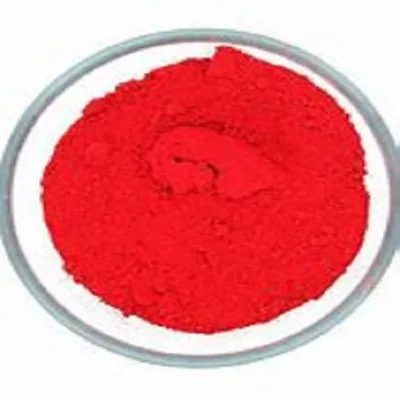
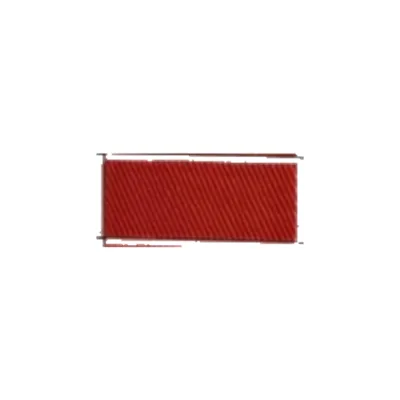
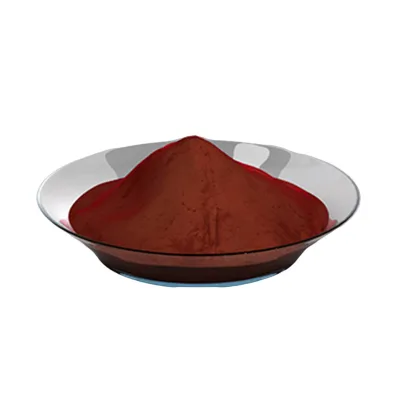
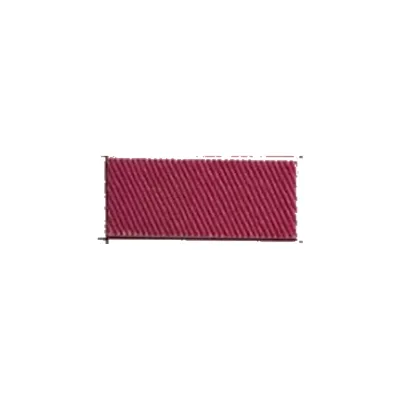
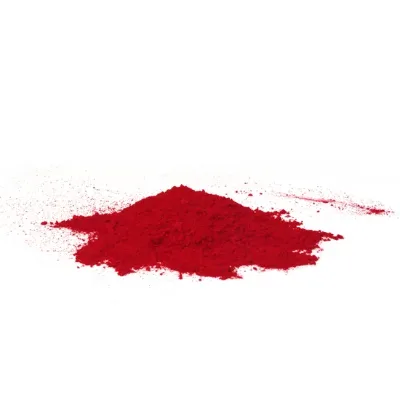
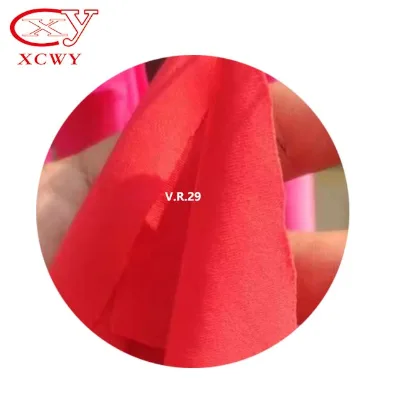
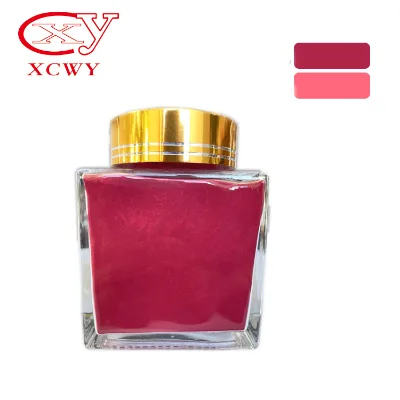
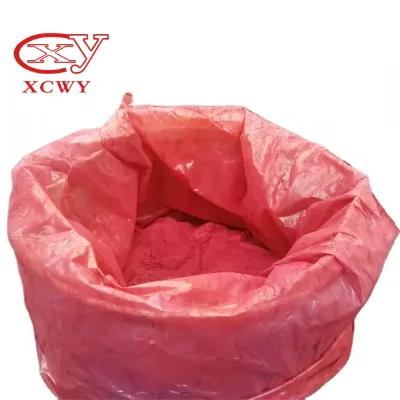
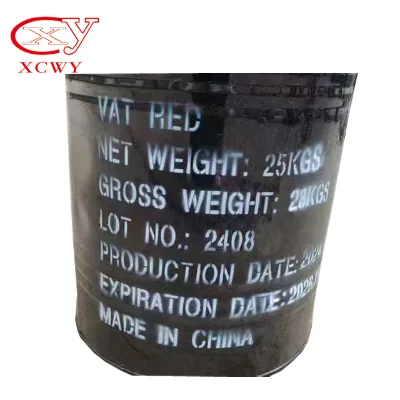
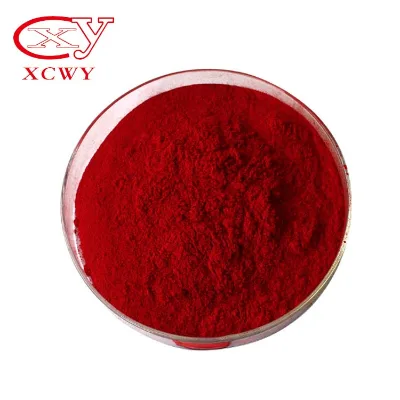



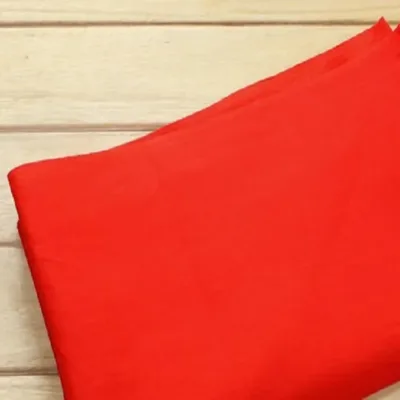
Vat Red 2R C.I.Vat Red 15 Clothing Fushia Powder Cotton Dye Vat Red 2R
$7.80 - $13.89
MOQ: 100 Minimum


Comprehensive Sourcing Guide
Strategic Sourcing Guide for Vat Red 10 in Cotton and Silk Dyeing
Procuring high-performance vat dyes requires a rigorous understanding of chemical specifications, application parameters, and supply chain reliability. For buyers targeting Vat Red 10 (often associated with CAS No. 2379-79-5) for dyeing cotton and silk, the process involves navigating a complex landscape of chemical identities, regulatory compliance, and quality assurance. This guide synthesizes available product attributes and industry standards to provide a structured approach for sourcing this specific dyestuff. The focus remains on evidence-based verification rather than unverified market claims, ensuring that procurement decisions are grounded in technical reality.
Technical Specifications and Chemical Identity
The foundation of any successful procurement strategy for vat dyes lies in the precise identification of the chemical product. Vat Red 10 is a specific class of dye known for its excellent fastness properties on cellulosic fibers like cotton and protein fibers like silk. When evaluating product listings, buyers must verify the Molecular Formula (MF) and the Chemical Abstracts Service (CAS) number to ensure they are sourcing the correct compound.
In the current market, specific product data indicates a molecular formula of C32H22N4O2 for certain vat red variants, while others may list different identifiers such as C18H10Cl2O2S2 or C26H12N4O2. It is critical for the buyer to distinguish between these variations, as the chemical structure dictates the dyeing mechanism and the resulting color fastness. For Vat Red 10 specifically, the C.I. Number is a vital reference point, often cited as C.I. 67000 in technical documentation.
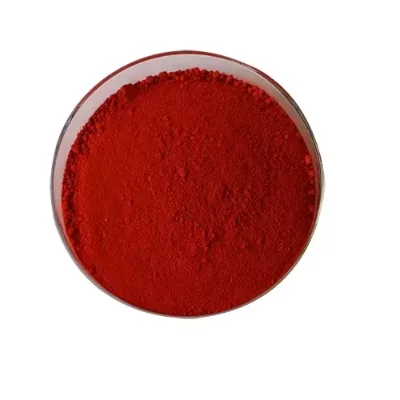
Physical properties are equally significant for handling and storage. The product is typically supplied as a Red Powder. Key physical constants include a density of approximately 1.583 g/cm³ and an index of refraction of 1.751. These values are essential for calculating bulk shipping volumes and ensuring the powder flows correctly during the dyeing process. The boiling point for similar vat dye structures is recorded at 529.1°C at 760 mmHg, with a flash point of 273.8°C, indicating the thermal stability required during high-temperature dyeing applications. Buyers should verify that the specific batch they intend to purchase matches these physical parameters, as deviations can indicate impurities or incorrect product substitution.
Regulatory Compliance and Certification Verification
In the global chemical trade, compliance is not optional; it is a prerequisite for market access. When sourcing Vat Red 10, buyers must demand a comprehensive set of documentation. The standard certification package for reputable suppliers includes MSDS (Material Safety Data Sheet), COA (Certificate of Analysis), and TDS (Technical Data Sheet). These documents are not merely administrative forms but are critical for verifying the safety and quality of the product.
The presence of an EINECS No. (European Inventory of Existing Commercial Chemical Substances) is a strong indicator of regulatory compliance within the European market. For specific vat red variants, the EINECS number 219-163-6 or 224-152-4 may be associated with the product line. Buyers must cross-reference the CAS number provided in the listing with the EINECS number to ensure the substance is registered and compliant with REACH regulations.
Furthermore, the Shelf Life of the product is a critical compliance and quality metric. A standard shelf life of 48 months is observed in high-quality vat dye products, provided they are stored under recommended conditions. This duration impacts inventory planning and cost efficiency. Buyers should also check for the Mol. wt. (Molecular Weight), which is listed as 393.307 for certain formulations. This figure is essential for stoichiometric calculations in the dyeing vat, ensuring the correct ratio of dye to reducing agents is used. Without these certifications and verified data points, the risk of regulatory penalties or product rejection in downstream manufacturing is significantly elevated.
Cost Drivers and Procurement Economics
The pricing of vat dyes is influenced by several factors, including raw material costs, packaging specifications, and order volume. The observed price range for these products in the market spans from 1 to 68.9 USD, though this wide variance often reflects differences in purity, packaging size, and supplier tier rather than the intrinsic value of the dye itself.
MOQ (Minimum Order Quantity) is a primary driver of cost efficiency. The observed MOQ range is 1 to 500, with a specific listing indicating an MOQ of 1kg for sample or trial orders. For commercial production, buyers often negotiate based on bulk packaging. The standard packaging for these dyes is 25kg/drum, which optimizes shipping costs per kilogram. However, single package sizes vary, with dimensions such as 20x30x35 cm or 15x15x10 cm affecting the number of units that can be loaded into a container.
The Single Gross Weight is another economic factor. Listings show weights ranging from 1.050 kg for small samples to 27.000 kg for larger drums. Understanding these weight metrics is crucial for freight cost estimation. Additionally, the Strength of the dye, often specified as 100±5%, directly impacts the dosage required in the dyeing bath. Higher strength dyes may have a higher unit price but result in lower overall costs per meter of fabric dyed due to reduced consumption. Buyers should calculate the total cost of ownership, including freight, duties, and application rates, rather than focusing solely on the unit price.
Typical Applications and Fiber Compatibility
Vat Red 10 is renowned for its versatility across different fiber types, particularly cotton and silk. The product usage data explicitly lists applications in Textile Dyestuffs, Paper Dyestuffs, and Leather Dyestuffs. For cotton fabric, the dyeing process typically involves a reduction step to make the insoluble dye soluble, followed by oxidation to fix the color on the fiber.
The Application field in product specifications often highlights specific uses such as bafta (a type of cotton fabric) or general Cotton Fabric and Paper. The shade produced is a distinct Red Powder, which translates to a vibrant red hue on the finished textile. The Other Names for similar vat reds include Vat Red F3B and Vat Red 4RB, which may be used interchangeably in certain regional markets, though technical equivalence must be verified.
For silk dyeing, the compatibility is high due to the gentle nature of the vat dyeing process, which preserves the delicate protein structure of the fiber. The Usage category also includes Ink Dyestuffs and Paint Dyestuffs, suggesting that the chemical stability of Vat Red 10 extends beyond textiles. However, buyers must confirm the specific application conditions for silk, as the pH and temperature requirements may differ slightly from those for cotton. The Model Number such as VAT Red 15 or VAT Red 31 may indicate specific shades or formulations within the same chemical family, so precise identification is necessary to match the desired color outcome.
Supplier Evaluation and Geographic Context
When evaluating potential suppliers, geographic origin and brand reputation are key indicators of reliability. The Place of Origin for many of these vat dyes is Zhejiang, China, a major hub for chemical manufacturing. This region offers a mature supply chain but requires careful vetting to ensure quality consistency. The Brand Name associated with these products, such as TK-CHEM or TK, serves as a marker for the manufacturer's identity.
Buyers should look for suppliers who provide free samples for testing. This practice allows for the verification of the Strength (100±5%) and the actual shade before committing to a large order. The Selling Units are typically listed as Single item, which can be confusing; buyers must clarify if this refers to a single drum or a single kilogram.
Supplier evaluation should also include an assessment of their Packaging integrity. The standard 25kg/drum packaging must be robust enough to prevent moisture ingress, which can degrade the dye. The Single Package Size dimensions (e.g., 25x30x35 cm) should be verified to ensure they fit standard pallet configurations. Suppliers who can provide a complete MSDS COA TDS package and have a history of consistent EINECS registration are preferred. Avoid suppliers who cannot provide clear documentation regarding the CAS number or MF, as this indicates a lack of technical transparency.
Quality Control and Long-Term Procurement Strategy
Establishing a robust quality control (QC) protocol is essential for maintaining product consistency. The Shelf Life of 48 months suggests that the dye is stable, but this is contingent on proper storage. Buyers should implement a First-In-First-Out (FIFO) inventory system to ensure that older stock is used before it degrades.
Long-term procurement considerations involve building a relationship with suppliers who can guarantee consistent Strength and Shade. The C.I. NO (Color Index Number) is a universal standard that ensures the dye meets international color standards. Buyers should verify that the CAS No. (e.g., 2379-79-5) matches the specific chemical identity required for their dyeing process.
Regular testing of incoming batches is recommended. This includes checking the Density and Vapour Pressure (e.g., 2.78E-11 mmHg at 25°C) to ensure the product has not been compromised. The Flash Point of 273.8°C indicates that the product is relatively safe to handle, but standard safety protocols must still be followed.
In conclusion, sourcing Vat Red 10 for Cotton and Silk Dyeing requires a meticulous approach that prioritizes technical verification, regulatory compliance, and supplier reliability. By focusing on the specific attributes such as the Molecular Formula, CAS Number, and Certification documents, buyers can mitigate risks and ensure a steady supply of high-quality dye. The interplay of cost drivers, application requirements, and quality control measures forms the backbone of a successful procurement strategy in the competitive dyestuff market.
FAQs
What is the CAS number for Vat Red 10?
The CAS number for Vat Red 10 is 2379-79-5. This specific identifier distinguishes it from other vat red variants like Vat Red 15 or Vat Red 31 which have different chemical structures and properties.
Which certifications are required for this dye?
Reputable suppliers provide MSDS, COA, and TDS documents for verification. These certifications ensure the product meets safety standards and allows buyers to confirm the chemical identity before purchase.
How is Vat Red 10 typically packaged?
The standard packaging for this dye is 25kg per drum. Buyers should verify the single package dimensions, such as 20x30x35 cm, to ensure efficient shipping and storage logistics.
Can I get a free sample for testing?
Yes, suppliers often offer free samples to verify product strength and shade. This allows buyers to confirm the 100±5% strength rating before committing to a larger commercial order.
What is the shelf life of the product?
The standard shelf life for this vat dye is 48 months. Proper storage conditions are essential to maintain stability and ensure the dye remains effective for cotton and silk applications.
Which physical properties define this dye?
Key properties include a density of 1.583 g/cm3 and a boiling point of 529.1°C. These values help calculate shipping volumes and ensure thermal stability during high-temperature dyeing processes.