Source Vegan Nourishing Facial Serum for Face, Neck, and Eye
Compare 30 Vegan Nourishing Facial Serum options featuring ingredients like vitamin C and collagen. Buyers can evaluate certifications, packaging, and MOQs for Face, Neck, and Eye applications. These products offer anti-aging, firming, and moisturizing benefits suitable for various skin types and needs across multiple regions.
Updated
Key considerations
Products List


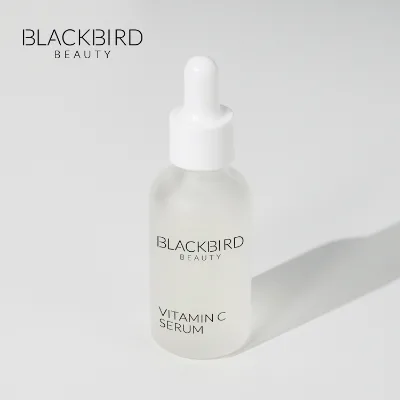
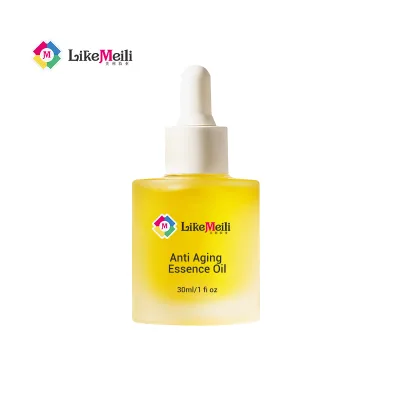
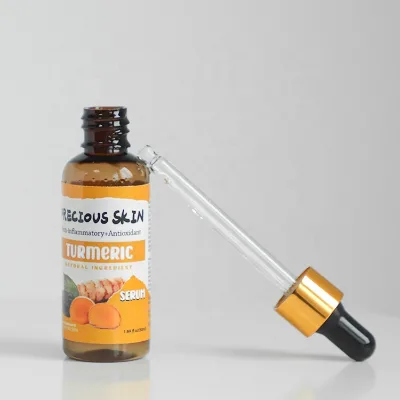


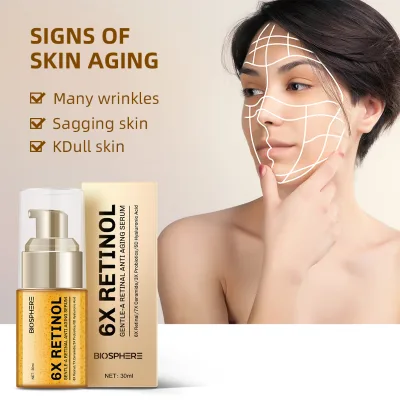

Comprehensive Sourcing Guide
Vegan Nourishing Facial Serum Sourcing Guide
Sourcing vegan nourishing facial serums requires careful alignment of ingredient profiles with ethical procurement standards. The available product data highlights formulations centered on plant-based extracts, vitamins, and collagen, which serve as primary active ingredients for skin revitalization. Buyers must distinguish between synthetic and naturally derived components to ensure the "vegan" claim holds true, particularly when collagen is listed, as its source must be verified as non-animal. The observed market offers a variety of models, including KAS, VC, VCS, and CS, each potentially differing in base composition and active concentration.
Procurement teams should evaluate the specific functional claims against the ingredient list to ensure efficacy matches marketing. Common features observed in listings include anti-aging, anti-wrinkle, firming, and moisturizing properties, alongside specialized treatments for dark circles, puffiness, and blackheads. These serums are designed for use on the face, neck, eyes, and hands, indicating a versatile application scope. Buyers need to verify that the "nourishing" aspect is supported by the presence of vitamins and plant extracts, ensuring the product delivers substantive hydration and skin barrier support rather than relying solely on superficial emollients.
Product Scope and Observed Listing Signals
The current market landscape for facial serums shows a wide range of customization options and packaging styles. Listings indicate that custom packaging is widely available, allowing brands to tailor the unboxing experience to their identity. Standard volumes observed include 30ml, 40ml, and 60ml options, with some suppliers offering fully customized sizes. The origin of these products is predominantly China, with specific manufacturing hubs noted in Guangzhou and Guangdong. This geographic concentration suggests a mature supply chain with established logistics networks for global distribution, though buyers should verify specific factory locations for quality assurance purposes.
Feature sets vary significantly across different product models, reflecting diverse target consumer needs. Some formulations focus on whitening and lightening, while others prioritize anti-puffiness and skin revitalization. The presence of keywords like "Vitamin C Serum" and "Collagen Face Serum" suggests that antioxidant and structural support are key selling points. Additionally, the availability of OEM and ODM services indicates that many suppliers are equipped to develop bespoke formulas. Buyers should assess whether the observed features align with their brand’s positioning, ensuring that the serum’s primary benefits, such as nourishing or firming, are clearly communicated and substantiated by the ingredient profile.
Technical Specifications to Verify
Technical verification begins with confirming the exact volume and packaging integrity of the serum. Standard specifications often cite 30ml, 40ml, or 60ml containers, but buyers must ensure that the actual product volume matches the labeled amount to avoid regulatory discrepancies. Packaging materials, ranging from normal packages to paper boxes and custom designs, should be evaluated for compatibility with the serum’s chemical stability. Light-sensitive ingredients, such as certain vitamins, may require opaque or UV-protective packaging to maintain efficacy throughout the product’s shelf life.
The formulation’s physical properties, including viscosity and color, should be specified in the technical data sheet. Ingredients like plant extracts and vitamins can vary in concentration, affecting the serum’s texture and absorption rate. Buyers should request samples to test the serum’s spreadability and finish on the skin, ensuring it meets the desired user experience. Additionally, the stability of the formula under different temperature conditions should be verified, particularly if the product will be transported through varying climates. Confirming these technical details helps prevent issues related to product separation, discoloration, or reduced potency upon arrival.
Compliance and Safety Documentation
Compliance with international standards is critical for importing cosmetic products. The observed certifications include CE, GMP, MSDS, and FDA, which indicate adherence to specific regulatory frameworks in different markets. Buyers must verify that the supplier holds valid certificates for the target regions, as requirements vary significantly between the European Union, the United States, and other jurisdictions. The presence of MSDS (Material Safety Data Sheet) is essential for understanding the chemical composition and handling requirements of the serum, ensuring safe transportation and storage.
Safety documentation should also include full ingredient lists and allergen warnings, particularly for products containing plant extracts or vitamins that may trigger sensitivities. Buyers should request third-party testing reports to confirm the absence of harmful contaminants, such as heavy metals or microbial pathogens. Additionally, the vegan claim must be substantiated by documentation proving that no animal-derived ingredients or testing were used in the production process. Ensuring comprehensive compliance documentation protects the brand from legal liabilities and enhances consumer trust in the product’s safety and ethical standards.
Cost Drivers and Commercial Terms
Cost structures for facial serums are influenced by ingredient quality, packaging complexity, and order volume. The observed price range of $0.5 to $3.2 per unit reflects variations in formulation sophistication and packaging materials. Custom packaging and private branding typically incur higher costs due to setup fees and lower economies of scale. Buyers should negotiate tiered pricing based on order quantity, as larger volumes often result in significant per-unit cost reductions. Understanding these cost drivers helps in budgeting for both initial production runs and subsequent replenishment orders.
Minimum Order Quantities (MOQs) vary widely, ranging from 100 pieces to 5000 pieces, depending on the supplier’s capabilities and the level of customization required. Lower MOQs are suitable for market testing or niche brands, while higher MOQs offer better unit economics for established products. Buyers should also consider lead times and payment terms, as these factors impact cash flow and inventory management. Clear communication regarding production schedules and quality control checkpoints is essential to avoid delays and ensure timely delivery to market.
Supplier Qualification and Quality Control
Supplier qualification involves assessing the manufacturer’s production capabilities and quality management systems. Buyers should verify that the supplier has experience in producing vegan and plant-based cosmetics, ensuring they understand the specific handling requirements for sensitive ingredients. Auditing the facility for GMP compliance is crucial, as it indicates a commitment to consistent quality and hygiene standards. Additionally, reviewing the supplier’s track record with international clients can provide insights into their reliability and responsiveness.
Quality control measures should be established before production begins, including pre-production sample approvals and in-process inspections. Buyers should define clear acceptance criteria for product appearance, scent, and performance, ensuring the final product meets brand expectations. Implementing a robust inspection protocol, such as AQL (Acceptable Quality Limit) sampling, helps identify defects early in the production cycle. Regular communication with the supplier regarding any changes in ingredients or packaging can prevent unexpected issues and maintain product consistency across batches.
Long-Term Procurement Checks
Long-term procurement success depends on continuous monitoring of supplier performance and market trends. Buyers should establish key performance indicators (KPIs) to track delivery times, product quality, and responsiveness to issues. Regular audits and feedback sessions with the supplier can help identify areas for improvement and strengthen the partnership. Additionally, staying informed about regulatory changes in target markets ensures that the product remains compliant and competitive over time.
Market dynamics, such as shifting consumer preferences toward clean beauty and sustainable packaging, should be considered when planning future orders. Buyers should explore opportunities for product innovation, such as introducing new active ingredients or eco-friendly packaging options, to maintain brand relevance. Building a diversified supplier base can mitigate risks associated with single-source dependencies, ensuring supply chain resilience. By maintaining a proactive approach to procurement, brands can adapt to changing market conditions and sustain long-term growth in the competitive skincare industry.
FAQs
What certifications do these facial serums hold?
These products hold CE, GMP, and MSDS certifications. Some listings also include FDA certification. Buyers should verify specific documents for each supplier to ensure compliance with their local regulations before placing orders.
Can I customize the packaging for my brand?
Yes, custom packaging is available for most models. Suppliers offer options like paper boxes or fully customized designs. This allows you to create a unique brand identity while maintaining the high-quality standards required for your specific market needs.
What are the main ingredients in these serums?
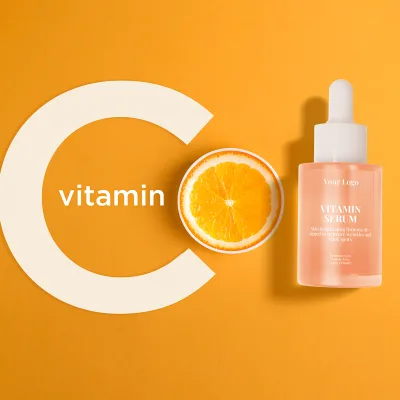
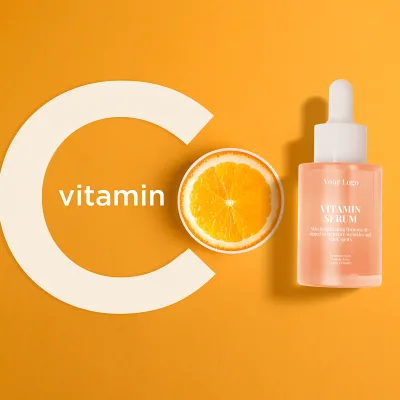
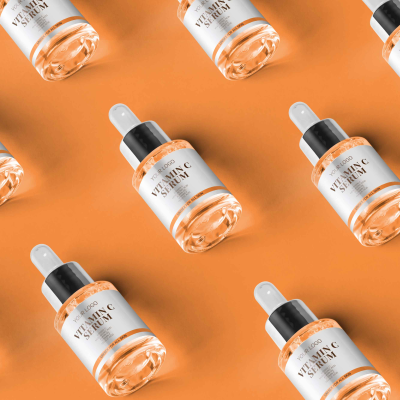
The primary ingredients include plant extracts, vitamins, and collagen. Specific formulations often feature Vitamin C for brightening. These components work together to provide moisturizing, nourishing, and anti-aging benefits for various skin types and concerns.
What is the minimum order quantity for these products?
Minimum order quantities range from 100 pieces to 5000 pieces depending on the supplier. Some vendors require 1000 pieces for custom branding. Buyers should check specific listings to find options that match their budget and inventory requirements.
Where are these facial serums manufactured?
Products originate from China, specifically Guangzhou and Guangdong regions. These locations are known for their established cosmetic manufacturing capabilities. Buyers can expect efficient logistics and access to a wide range of OEM and ODM services from these hubs.
Which skin areas can these serums treat?
These serums are designed for use on the face, eyes, neck, nose, and hands. Some formulations also target the body and lips. The ingredients address multiple concerns including wrinkles, dark circles, and puffiness across these specific application areas.