Source Vegan Pastry for Cafes, Bakeries, and Retail
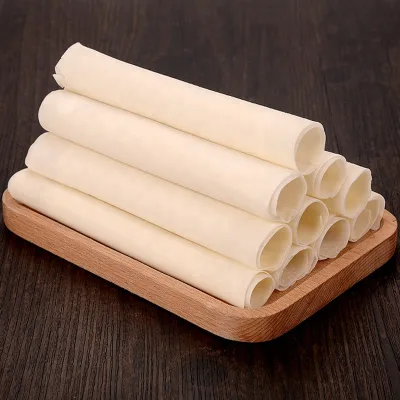
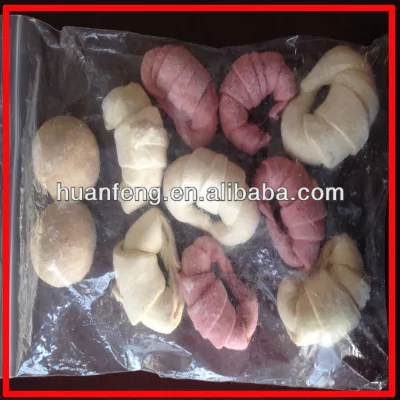
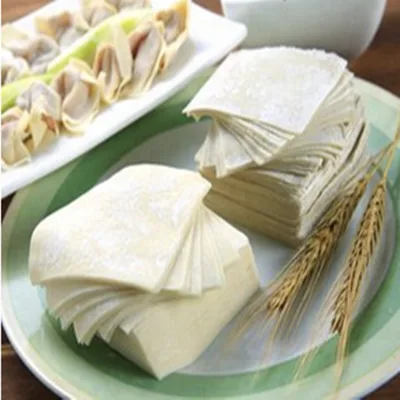
Find 30 Vegan Pastry options from Shandong suppliers. Compare quick-frozen croissants, danish, and kataifi varieties. Evaluate specifications, packaging, and supply capabilities for your business needs. These products include high-protein wheat flour bases and natural yeast ingredients suitable for various age groups. Buyers can assess shelf life, weight, and OEM/ODM customization options to ensure quality and compliance.
Key considerations
Products List

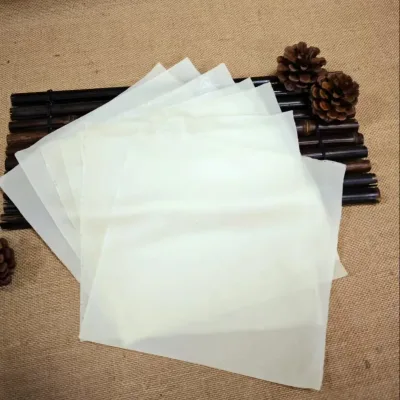

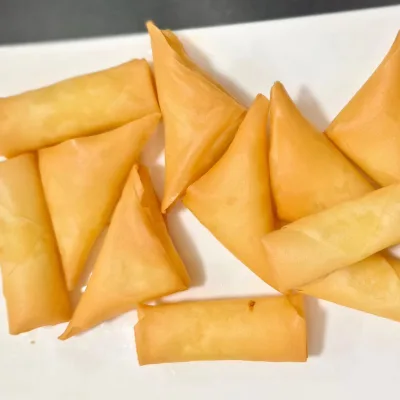
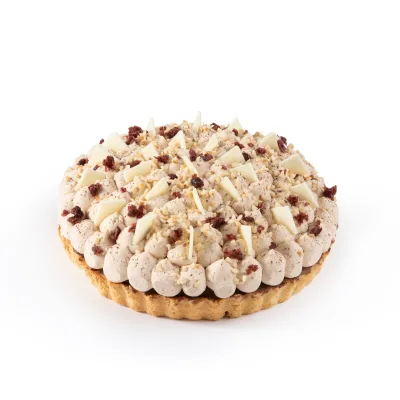


$100000.00 - $1000000.00
MOQ: 1 Sets


High Efficiency Egg Roll Machine Spring Roll Pastry Egg Roll Forming Machine
$18000.00 - $42000.00
MOQ: 1 Pieces

$3000.00 - $6500.00
MOQ: 1 Pieces


Comprehensive Sourcing Guide
Vegan Pastry Sourcing Guide
Sourcing Vegan Pastry products requires a nuanced understanding of ingredient substitution and manufacturing processes, particularly when evaluating suppliers who may not explicitly label every item as plant-based. Buyers must carefully review product specifications to distinguish between traditional dairy-containing pastries and those formulated with vegetable oils, natural yeast, and high-protein wheat flour. The observed market data indicates a wide variety of offerings, including quick-frozen pastries, croissants, danishes, and specialized items like kataifi, all originating primarily from Shandong, China. This geographic concentration suggests a robust supply chain for frozen dough and pre-baked goods, which is critical for maintaining consistency in large-scale procurement.
Procurement teams should prioritize suppliers who provide transparent ingredient lists and clear instructions for use, such as baking or frozen storage requirements. The presence of attributes like "tasteless" or specific shapes indicates that customization and OEM capabilities are common in this sector. Buyers need to verify whether the "vegan" claim is supported by the absence of animal-derived fats and dairy, relying on the provided ingredient data rather than marketing labels alone. Establishing a clear definition of vegan compliance early in the sourcing process helps filter out suppliers who may use cross-contaminated facilities or non-vegan processing aids, ensuring that the final product meets strict dietary standards for end consumers.
Product Scope and Observed Listing Signals
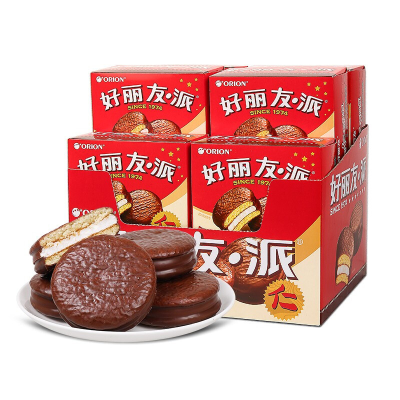
The current market landscape for Vegan Pastry includes a diverse range of product types, from quick-frozen pastries and chocolate pie varieties to traditional danish and croissant styles. Listings frequently highlight specifications such as weight per bag, packaging details like thermoformed bags or standard bags, and shelf life durations ranging from six months to two years. These signals indicate that suppliers are catering to both retail and foodservice sectors, offering products that can be stored frozen and baked on-demand. The availability of various shapes and styles, including kataifi and pie varieties, suggests that buyers can source specialized items for niche markets or bulk commodities for mass production.
Observations also reveal significant variations in supply ability, with some suppliers offering up to 500 million boxes per year, while others focus on tonnage-based monthly outputs. This disparity highlights the importance of aligning order volume with supplier capacity to ensure consistent supply. The mention of OEM and ODM capabilities further expands the scope, allowing buyers to customize specifications such as size, decoration, and packaging to match their brand identity. Buyers should pay close attention to the "instruction for use" details, as some products require specific baking procedures, while others are designed for direct frozen storage, impacting logistics and inventory management strategies.
Technical Specifications to Verify
Technical verification begins with confirming the raw materials used in production, specifically ensuring that high-protein wheat flour, natural yeast, and vegetable oils are the primary components. Buyers must verify that no animal-derived ingredients, such as butter, milk, or eggs, are present in the formulation, as this is the cornerstone of vegan compliance. The specification of ingredients like water, salt, and vegetable oil provides a baseline for verification, but buyers should request detailed batch records to confirm the absence of hidden animal products in flavorings or processing aids. Additionally, the weight specifications, ranging from individual 80-gram portions to bulk 10-kilogram bags, must be validated to ensure they match the buyer’s operational needs.
Packaging and storage specifications are equally critical, with products often requiring frozen storage to maintain quality and extend shelf life. Buyers should verify the packaging integrity, ensuring that thermoformed or standard bags are suitable for long-term frozen storage without compromising the product’s texture or taste. The instruction for use, whether it involves baking from frozen or direct consumption, must be clearly documented to prevent operational errors in the kitchen. Furthermore, the model numbers and specifications provided by suppliers should be cross-referenced with physical samples to ensure that the product dimensions, such as 1cm or 4cm for kataifi, meet the required standards for the final application.
Compliance and Safety Documentation
Compliance documentation is essential for verifying that Vegan Pastry products meet international food safety standards and dietary requirements. Buyers should request certificates of analysis (COA) that detail the ingredient composition and confirm the absence of allergens and animal-derived substances. These documents should also include test results for microbial safety, heavy metals, and other contaminants, ensuring that the products are safe for consumption. The shelf life information, which varies from 365 days to 24 months, must be supported by stability testing data to guarantee that the product remains safe and palatable throughout its intended storage period.
In addition to safety data, buyers should verify that the supplier adheres to recognized quality management systems, such as ISO 22000 or HACCP, which are critical for food manufacturing. These certifications indicate that the supplier has implemented robust procedures for hazard analysis and critical control points, reducing the risk of contamination. Buyers should also inquire about the supplier’s traceability systems, which allow for the tracking of ingredients from source to finished product. This level of transparency is crucial for addressing any potential recalls or quality issues and ensures that the supply chain is resilient and compliant with regulatory requirements in the target market.
Cost Drivers and Commercial Terms
Cost drivers in the Vegan Pastry market are influenced by factors such as raw material prices, packaging complexity, and order volume. Suppliers with high supply abilities, such as those offering 500 million boxes per year, may provide more competitive pricing due to economies of scale. However, buyers should also consider the costs associated with specialized packaging, such as thermoformed bags, which may be more expensive than standard bags but offer better product protection. The specification of OEM and ODM services can also impact pricing, as customizations require additional setup and production adjustments. Buyers should negotiate terms that reflect the true cost of these services to avoid hidden fees.
Commercial terms, including payment methods, lead times, and minimum order quantities (MOQs), vary significantly among suppliers. The observed MOQ range of 1 to 50,000 units suggests flexibility, but buyers should align their order sizes with their inventory capacity and sales forecasts. Lead times are not explicitly stated in the provided data, so buyers must clarify these details with suppliers to ensure timely delivery. Port of dispatch, typically Qingdao Port for Shandong-based suppliers, should be factored into logistics planning, as shipping costs and transit times can affect the overall landed cost. Buyers should seek clear terms on freight responsibilities and insurance to mitigate risks associated with international trade.
Supplier Qualification and Quality Control
Supplier qualification involves a thorough assessment of the manufacturer’s capabilities, including their production facilities, quality control processes, and financial stability. Buyers should verify the manufacturer’s address, such as Gaomi City in Shandong Province, to confirm their operational base and conduct site audits if necessary. The brand name, such as HUANFENG, should be checked for reputation and market presence, as established brands often have more rigorous quality control measures. Buyers should also evaluate the supplier’s ability to meet specific requirements, such as custom specifications and packaging, to ensure they can deliver products that meet the buyer’s standards.
Quality control measures should include regular inspections of raw materials, in-process checks, and final product testing. Buyers should request samples to evaluate the taste, texture, and appearance of the pastries, ensuring they meet the desired quality standards. The instruction for use, whether baking or frozen storage, should be tested to confirm that the product performs as expected under various conditions. Additionally, buyers should establish a feedback loop with the supplier to address any quality issues promptly and continuously improve the product. Regular communication and collaboration are key to maintaining a strong supplier relationship and ensuring consistent product quality.
Long-Term Procurement Checks
Long-term procurement checks involve monitoring supplier performance, market trends, and regulatory changes to ensure ongoing compliance and competitiveness. Buyers should regularly review supplier performance metrics, such as on-time delivery, product quality, and responsiveness to issues, to identify areas for improvement. Market trends, such as the growing demand for vegan products, should be tracked to anticipate shifts in consumer preferences and adjust sourcing strategies accordingly. Regulatory changes, including new food safety standards or labeling requirements, must be monitored to ensure that the products remain compliant in the target market.
Buyers should also establish contingency plans to mitigate risks associated with supply chain disruptions, such as raw material shortages or logistical delays. Diversifying the supplier base and maintaining safety stock can help ensure continuity of supply. Regular audits and reviews of the supplier’s quality management systems should be conducted to verify that they continue to meet the required standards. By proactively managing these long-term checks, buyers can build a resilient and efficient supply chain that supports their business goals and meets the evolving needs of their customers.
FAQs
What are the main ingredients in these vegan pastries?
The primary ingredients include high-protein wheat flour, natural yeast, water, vegetable oil, and salt. These components ensure a tasteless base suitable for various fillings. The products are free from animal-derived additives, making them suitable for vegan diets. Specific formulations may vary by type, such as croissant or danish styles, but always rely on these core plant-based elements.
How should frozen pastry dough be stored and used?
Store the frozen dough in a freezer to maintain quality until ready for use. The instruction for use specifies that the product can be used after opening the bag, provided it remains frozen. For best results, bake the pastry directly from its frozen state. This method preserves the texture and ensures the final baked good meets quality standards for immediate consumption or further processing.
What is the shelf life of the frozen pastry products?
The shelf life varies by product type, with some items lasting up to 365 days or 24 months when stored correctly. The frozen dough products generally maintain quality for six months. Proper cold storage is essential to extend usability. Buyers should check specific product specifications for exact duration, as different styles like kataifi or pie pastries may have distinct storage requirements and expiration timelines.
Can you provide Vegan Pastry in custom packaging?
Yes, packaging details are available as per customer request. The manufacturer offers thermoformed bags or standard bags to suit specific needs. Customization options allow buyers to specify weight, such as 500g per bag or bulk 10kg units. This flexibility supports various distribution channels, ensuring the product arrives in the desired format while maintaining the frozen state and protecting the pastry during transit.
What is the minimum order quantity for these pastries?
The minimum order quantity ranges from 1 to 50,000 units depending on the specific product and supplier terms. Supply ability is high, with some manufacturers offering 500 million boxes per year or 20 tons per month. Buyers can order single items or bulk quantities. The flexible MOQ allows small businesses to test products while large enterprises can secure significant volumes for consistent supply chains.
Where are these vegan pastries manufactured and shipped from?
These products are manufactured in Shandong, China, specifically in Gaomi City, Weifang. The place of origin is consistently listed as China or CHN. Shipments are dispatched from Qingdao Port, facilitating international logistics. This location provides efficient access to global markets, ensuring timely delivery for buyers worldwide. The manufacturing facility specializes in quick-frozen pastries, maintaining quality control throughout the production process.