Source Vegan Orange Creatine Monohydrate Powder for sports, fitness, and health
Explore 30 listings for Vegan Orange Creatine Monohydrate Powder from verified Chinese manufacturers. Buyers can compare specifications, pricing, and packaging options to find the best fit for their nutritional needs; compare the available evidence and request quotations based on your requirements.
Updated
Key considerations
Products List




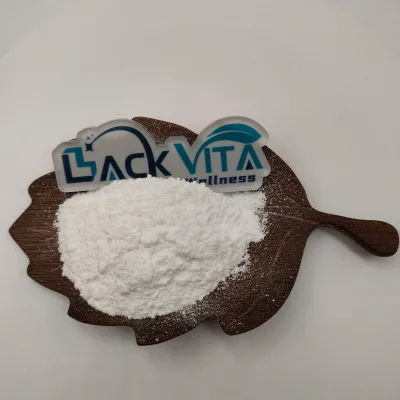

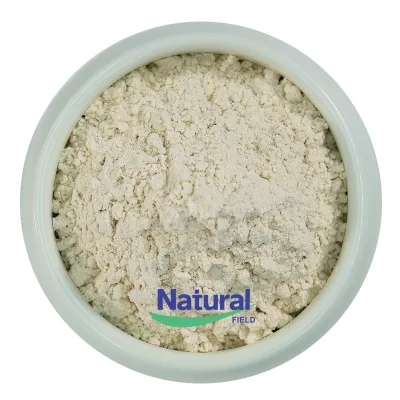
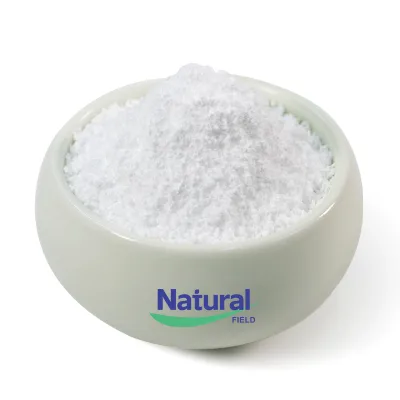
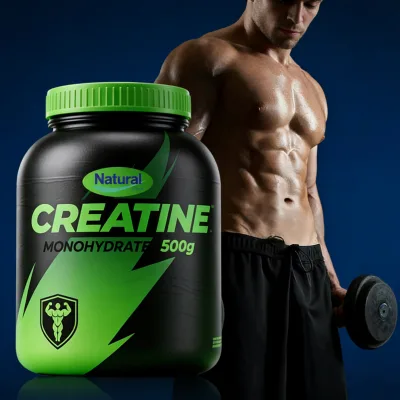
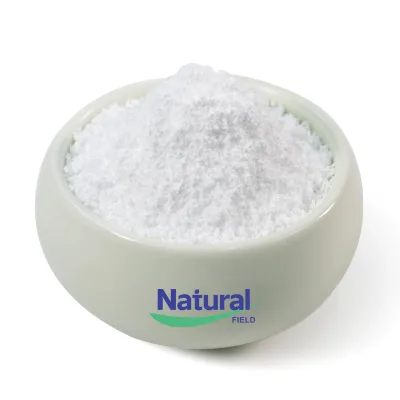


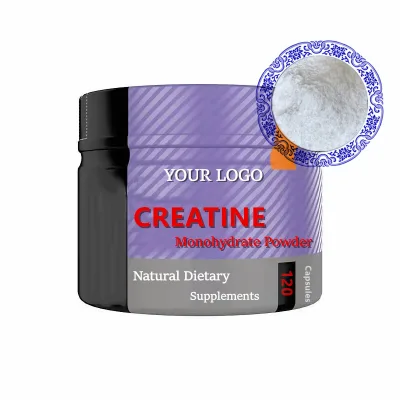
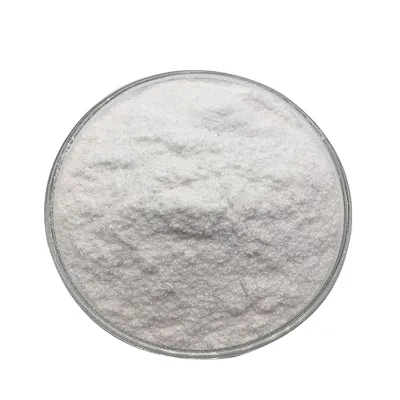
Wholesale Nutrition Supplement Bulk 200 Mesh 25kg Creatine Monohydrate Powder
$8.288 - $31.0788
MOQ: 1 kilograms


Comprehensive Sourcing Guide
Vegan Orange Creatine Monohydrate Powder Sourcing Guide
Sourcing high-purity creatine monohydrate for specialized formulations requires careful attention to raw material origins and processing methods. Buyers must distinguish between chemosynthetic and natural sources, as the core keyword implies a specific dietary preference. The supplied data indicates that some available products are derived from chemosynthesis, while others are labeled as natural resources. This distinction is critical for vegan compliance, as synthetic pathways may involve animal-derived catalysts or processing aids not always disclosed in basic product titles. Procurement teams should verify the exact synthesis route to ensure alignment with strict vegan certification standards.
Additionally, the presence of orange flavoring or coloring agents introduces complexity to the supply chain. While the base ingredient is creatine monohydrate, the final product must meet specific aesthetic and taste profiles without compromising purity. Buyers should investigate whether the orange component is derived from natural fruit extracts or synthetic flavorings, as this impacts the overall vegan status and regulatory classification. Understanding these nuances ensures that the final product meets both marketing claims and consumer expectations for clean-label, plant-based supplements.
Product Scope and Observed Listing Signals
Market listings for creatine monohydrate reveal a wide range of packaging and presentation formats that influence procurement decisions. Observed data shows products available in 1kg aluminum foil bags or 25kg drums, with some listings specifying plastic packaging materials. The appearance is consistently described as white powder, with some entries noting a specific model number such as WG-S1 or zhuofeng. These variations suggest that suppliers offer different grades or particle sizes, which may affect solubility and mixing properties in final beverage or capsule formulations. Buyers must match these physical attributes to their manufacturing equipment capabilities.
The observed price range spans from 1.98 to 60 USD, indicating significant variance based on purity, packaging, and order volume. Minimum order quantities (MOQ) vary widely, from as low as 100 grams for samples to 1000 kilograms for bulk industrial orders. This flexibility allows buyers to test product quality before committing to large-scale purchases. However, the wide MOQ range also highlights the importance of negotiating terms that align with inventory turnover rates. Procurement specialists should leverage sample availability, often provided in 10-20g quantities, to conduct preliminary compatibility tests with orange flavoring systems.
Technical Specifications to Verify
Verification of active substance content is paramount when sourcing creatine monohydrate. Supplied facts indicate that some products boast an active substance content of greater than 90%, while others claim a standard of 99%. Buyers must request detailed Certificates of Analysis (CoA) to confirm the exact percentage of creatine monohydrate and identify any potential impurities such as creatinine or dicyandiamide. The test methods mentioned, including HPLC and HPLC UV, are industry-standard techniques for ensuring accuracy. Ensuring that the supplier uses these validated methods is essential for maintaining product consistency and safety across batches.
Storage conditions and shelf life are also critical technical parameters that affect product stability. Recommended storage includes cool, dry places or normal storage conditions, with shelf lives ranging from over 12 months to two years. These factors influence logistics planning and warehouse requirements. Buyers should verify that the packaging material, whether aluminum foil or plastic, provides adequate moisture barrier protection to prevent degradation. Additionally, the nutrient composition is listed as amino acid, which is chemically accurate for creatine, but buyers should confirm that no additional amino acids are added unless specified for functional benefits.
Compliance and Safety Documentation
Regulatory compliance is a non-negotiable aspect of sourcing food-grade ingredients. The supplied data specifies that the product grade is food grade, which is a baseline requirement for health food applications. Buyers must ensure that the supplier provides documentation confirming compliance with relevant food safety standards in the destination market, such as FDA regulations in the United States or EFSA guidelines in Europe. Although specific certification names are not provided in the context, buyers should actively request evidence of GMP (Good Manufacturing Practice) certification and ISO standards to verify the supplier’s quality management systems.
Allergen and contaminant testing is another vital compliance area. Since the product is intended for adult consumption, including men and women, buyers must verify that the manufacturing process avoids cross-contamination with common allergens. The resource type, whether natural or chemosynthetic, must be clearly documented to support vegan claims. Buyers should also check for heavy metal testing results and microbial limits, as these are standard requirements for dietary supplements. Ensuring that the supplier conducts rigorous batch-by-batch testing helps mitigate regulatory risks and protects brand reputation.
Cost Drivers and Commercial Terms
Several factors influence the final cost of creatine monohydrate, including raw material availability, processing complexity, and packaging requirements. The observed MOQ of 1000kg for bulk orders suggests economies of scale, where larger volumes reduce the per-unit cost. However, specialized packaging, such as 25kg drums or customized aluminum foil bags, may incur additional charges. Buyers should analyze the total landed cost, including shipping from origins like Shaanxi or Tianjin, to determine the true financial impact. Understanding these cost drivers allows for more accurate budgeting and negotiation strategies.
Payment terms and lead times are also significant commercial considerations. While specific lead times are not provided in the supplied facts, buyers should inquire about production schedules and inventory availability to avoid delays. The loading port is listed as Tianjin, which is a major hub for international shipping, potentially offering competitive freight rates. Buyers should negotiate clear terms regarding price validity, currency fluctuations, and incoterms to manage financial risk. Establishing a transparent commercial agreement ensures that both parties have aligned expectations regarding delivery schedules and payment obligations.
Supplier Qualification and Quality Control
Evaluating supplier capability is essential for long-term supply chain stability. The supplied data mentions a monthly capacity of 5000kg, which indicates a moderate production scale. Buyers should assess whether this capacity meets their demand forecasts and allows for scalability during peak seasons. Additionally, the manufacturer is identified as kai shi bio, providing a specific entity for due diligence. Procurement teams should conduct site audits or request third-party audit reports to verify the supplier’s operational integrity and adherence to quality protocols.
Quality control processes must be robust to ensure consistent product performance. Buyers should inquire about the supplier’s internal testing procedures, including in-process controls and final product release criteria. The use of HPLC for testing suggests a sophisticated quality assurance framework. Buyers should also verify the supplier’s traceability systems, ensuring that raw materials can be tracked from source to finished product. Establishing a clear communication channel for quality issues and implementing a corrective action process helps maintain high standards and quickly resolve any discrepancies.
Long-Term Procurement Checks
Continuous monitoring of supplier performance is crucial for maintaining product quality and supply reliability. Buyers should establish key performance indicators (KPIs) such as on-time delivery rates, defect rates, and responsiveness to quality inquiries. Regular reviews of these metrics help identify potential issues before they impact production. Additionally, buyers should stay informed about regulatory changes in the dietary supplement industry, ensuring that the supplier remains compliant with evolving standards. Proactive engagement with the supplier fosters a collaborative relationship and supports continuous improvement.
Market trends and ingredient innovations should also be monitored to ensure the product remains competitive. The demand for vegan and clean-label products is growing, and suppliers may introduce new formulations or packaging options to meet these needs. Buyers should maintain open dialogue with suppliers to explore opportunities for product enhancement or cost optimization. By staying ahead of market shifts and maintaining rigorous procurement practices, buyers can secure a reliable supply of high-quality creatine monohydrate that meets their strategic business objectives.
FAQs
What is the purity standard for creatine monohydrate powder?
The product meets a 99% purity standard as specified in the product details. This high-grade formulation ensures consistent quality for health food applications. Buyers can verify this specification through the provided product model WG-S1. The standard applies to the white powder appearance observed in the listing. This level of purity is suitable for adult nutritional supplements.
Can I request a free sample before placing an order?
Yes, a free sample of 10g to 20g is available for evaluation. This allows buyers to test the white powder quality before committing to bulk purchases. The sample request is a standard procedure for verifying product attributes. It helps confirm the appearance and texture match your requirements. This option supports informed decision-making for health food manufacturers.
What is the minimum order quantity for this creatine powder?
The minimum order quantity varies, with some listings requiring 1000kg while others accept 100 grams. This flexibility accommodates different buyer needs, from small trials to large industrial runs. The specific MOQ depends on the supplier and packaging configuration. Buyers should check the specific product page for the exact requirement. This range supports both experimental and commercial procurement strategies.
How should the creatine monohydrate powder be stored?
The powder must be stored in a cool and dry place to maintain stability. This storage method prevents degradation and ensures the product remains effective. The recommended conditions apply to the 1kg Alu-Foil Bag and 25kg Drum packaging. Proper storage extends the shelf life, which is listed as over 12 months. Adhering to these guidelines preserves the white powder quality.
What testing methods are used to verify product quality?
Quality is verified using HPLC and HPLC UV test methods. These analytical techniques ensure the active substance content exceeds 90%. The testing confirms the product meets the specified 99% standard. This rigorous verification process supports the product's suitability for health food applications. Buyers can rely on these methods for quality assurance and compliance.
What packaging options are available for bulk orders?
Packaging options include 1kg Alu-Foil Bags and 25kg Drums for bulk distribution. These formats protect the white powder from moisture and contamination. The 25kg Drum is also listed as a standard packaging unit. This flexibility allows suppliers to meet diverse logistical requirements. The packaging material is designed to preserve product integrity during transit.