Source Vegan Oil Free Eyelash Serum for growth, volume, and care
Find 30 verified listings for Vegan Oil Free Eyelash Serum to compare formulations and origins. Buyers can evaluate options from Korea and China with features like nourishing and moisturizing properties for eyelash enhancement.
Key considerations
Products List


Private Custom Advanced Formula Nourishing Eyelash Growth Serum for Cosmetics
$1.12 - $1.78
MOQ: 3000 Pieces


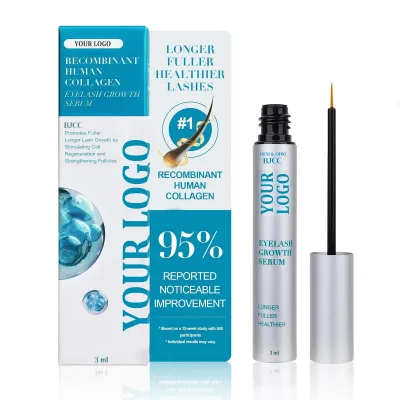
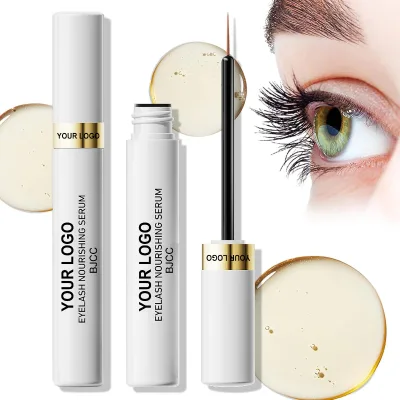
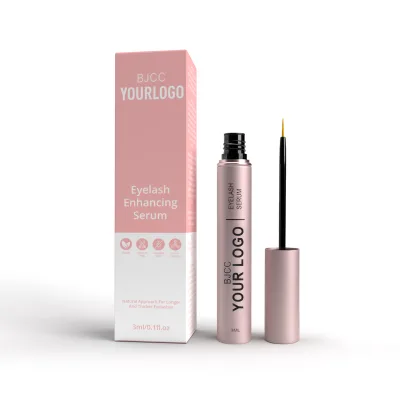


OEM World Top Eyelash Growth Serum Custom Formula - Free, Private and Secure
$2.50 - $3.20
MOQ: 1000 Pieces
Comprehensive Sourcing Guide
Strategic Sourcing Guide for Vegan Oil-Free Eyelash Serums
The global demand for cosmetic enhancements has driven a significant shift toward specialized eyelash serums that prioritize safety, efficacy, and ethical sourcing. For procurement professionals targeting the specific niche of "vegan oil-free eyelash serum," the supply chain presents a complex landscape of formulations, regulatory requirements, and manufacturing capabilities. This guide synthesizes available market data and technical constraints to provide a structured approach for sourcing these products. The focus remains on identifying suppliers who can deliver high-performance formulations that align with strict "vegan" and "oil-free" criteria while maintaining compliance with international safety standards.
Technical Specifications and Formulation Analysis
When evaluating potential products, the primary technical differentiator lies in the ingredient profile. A true vegan oil-free serum must exclude all animal-derived byproducts and mineral or plant-based oils that could weigh down lashes or cause irritation. Based on observed product attributes in the current market, successful formulations often rely on specific active ingredients such as collagen, vitamins, and plant-based extracts. For instance, product data indicates that some successful eyelash enhancers utilize "plant, vitamine, collagen" as their main ingredient profile, which aligns with the vegan requirement.
The physical form of the product is another critical specification. The market predominantly features liquid formulations packaged in bottles, with standard volumes ranging from 3ml to 30ml. Specific model observations show capacities like 3ml, 4ml, and 5ml, suggesting that smaller, precise dosing units are the industry standard for this category. The packaging itself must be compatible with liquid serums, often utilizing "Normal Package" or "Private Custom Packaging" options. Buyers should verify that the "Main Ingredient" lists explicitly exclude animal fats and mineral oils, as some products may list "Herbal" or "Chemical" components that require further clarification to ensure they meet the "oil-free" definition.
Furthermore, the functional attributes of the serum are paramount. The core function is typically described as making eyelashes longer and thicker, with secondary benefits including nourishing and moisturizing properties. Some products also boast "Waterproof" and "Non-Blooming" features, which are essential for consumer satisfaction in daily wear. The feature set often includes "No Stimulation," indicating a formulation designed to be gentle on the eye area, a crucial selling point for sensitive skin types.
Compliance and Certification Verification
Navigating the regulatory landscape is perhaps the most critical step in sourcing eyelash serums. Because these products are applied near the eyes, the margin for error regarding safety is minimal. Buyers must demand rigorous certification documentation. The supply chain data highlights several key certifications that are frequently observed in compliant products, including MSDS (Material Safety Data Sheet), GMP (Good Manufacturing Practice), and FDA registration. Additionally, ISO and CE certifications appear in the market, indicating adherence to international quality management and safety standards.
For a product to be legitimately marketed as "vegan," the supplier must provide documentation verifying the absence of animal-derived ingredients. While the provided data lists "Herbal" and "plant" ingredients, it does not explicitly confirm vegan status for all listed items. Therefore, procurement teams must treat "vegan" as a claim that requires specific verification rather than an assumption based on the presence of plant ingredients. The presence of "MSDS" is a baseline requirement, but for international trade, especially into the EU or North America, "GMP" and "FDA" (or equivalent local regulatory body) status are non-negotiable.
Buyers should also scrutinize the "prod_standard" and "prod_packing" details. Standards such as "3ml" or "5ml" are specific volume measurements, but the broader compliance standard must be verified against the destination market's regulations. For example, a product originating from "Korea" or "China" (specifically Guangzhou) must meet the import regulations of the target country. The "Trade Term" options like EXW, FOB, CIF, and DDP suggest that logistics and liability transfer points vary, and buyers must ensure that the chosen term aligns with their ability to manage customs clearance and regulatory compliance at the port of entry.
Cost Drivers and Pricing Dynamics
Understanding the cost structure of eyelash serums requires analyzing the interplay between ingredients, packaging, and order volume. The observed price range in the market spans from $0.90 to $5.00 USD per unit. This wide variance suggests that cost is heavily influenced by the complexity of the formulation and the level of customization requested. Products with "Private Custom Packaging" or "Customized Packaging" often command higher unit costs due to the setup fees and lower economies of scale associated with bespoke designs.
The Minimum Order Quantity (MOQ) is a significant factor in total procurement costs. Data indicates an MOQ range from 1 to 5,000 units, with a specific observation of 100 PCS as a common threshold. Lower MOQs, such as 100 units, are ideal for startups or market testing but result in a higher per-unit cost. Conversely, larger orders can leverage bulk pricing, potentially bringing the unit cost closer to the lower end of the observed $0.90 range. However, buyers must balance this with storage costs and cash flow implications.
Production time also impacts the overall cost of goods. The observed production window ranges from 7 to 30 days. Longer lead times may be associated with custom formulations or specific certification processes, which can delay market entry and increase holding costs. Additionally, the "prod_origin" location plays a role; products from "Guangzhou" or "Korea" may have different labor and material cost structures compared to other regions. Buyers should request detailed cost breakdowns that separate the cost of the "Main Ingredient" (e.g., collagen, vitamins) from packaging and logistics to understand where value is being added.
Typical Applications and Market Positioning
The application of vegan oil-free eyelash serums is primarily focused on cosmetic enhancement and lash health. The core function is to enhance the appearance of eyelashes by making them longer and thicker. This is achieved through nourishing and moisturizing mechanisms that support the natural growth cycle of the lash. The "Feature" of "Moisturizer" and "Nourishing" indicates that these products are designed to improve the condition of the lash and the surrounding skin, rather than just providing a temporary cosmetic effect.
These serums are typically applied to the lash line, often in the evening, to allow for absorption without interference from makeup. The "Use" category is explicitly listed as "Eye," necessitating formulations that are safe for ocular proximity. The "Skin Type" is generally listed as "All Skin Type," suggesting a broad market appeal, but buyers should verify that the specific formulation is suitable for sensitive eyes, as some users may experience irritation from certain active ingredients.
In terms of market positioning, these products appeal to consumers who are conscious about ingredient safety and ethical sourcing. The "vegan" and "oil-free" attributes cater to a growing demographic that avoids animal products and heavy oils that can cause milia or clog pores. The "Waterproof" and "Non-Blooming" features further position these products as practical for daily use, including in humid conditions or for active lifestyles. The "Advantages" of "Enhancing" and "Moisturizer" suggest a dual benefit of aesthetic improvement and skin health, which is a key selling point in competitive markets.
Supplier Evaluation and Quality Control
Evaluating suppliers requires a multi-faceted approach that goes beyond simple price comparisons. Buyers must assess the supplier's ability to maintain consistency in "Main Ingredient" quality, particularly when dealing with biological components like collagen or plant extracts. The presence of "GMP" certification is a strong indicator of a supplier's commitment to quality control, but it should be verified through recent audit reports.
Quality control protocols should include testing for "No Stimulation" and ensuring the product remains "Waterproof" without compromising safety. Buyers should request batch testing results that verify the absence of prohibited substances and confirm the stability of the formulation over time. The "prod_packing" method must also be evaluated; whether it is a "Bottle," "Carton," or "Customized Packaging," the integrity of the seal is critical to prevent contamination.
Supplier reliability is another key metric. The "Production Time" of 7-30 days indicates that capacity planning is essential. Buyers should evaluate the supplier's track record for meeting deadlines and handling rush orders. The "Trade Term" options (EXW, FOB, CIF, etc.) provide insight into the supplier's logistics capabilities. A supplier offering DDP (Delivered Duty Paid) may offer more convenience but at a higher cost, while EXW (Ex Works) requires the buyer to manage all logistics, which can be risky if the buyer lacks experience in international shipping.
Long-Term Procurement Considerations
Sourcing eyelash serums is not a one-time transaction but a long-term partnership that requires strategic planning. As the market evolves, regulations regarding cosmetic ingredients may become stricter, particularly concerning "vegan" claims and "oil-free" definitions. Buyers must establish a relationship with suppliers who are proactive in adapting to regulatory changes and who can provide updated documentation for certifications like "MSDS," "FDA," and "GMP."
Scalability is another consideration. As demand grows, the supplier must be able to increase production volume without compromising quality. The observed MOQ range of 1 to 5,000 units suggests flexibility, but buyers should negotiate terms that allow for gradual scaling. Additionally, the "Customization" feature, which is listed as "Available," offers an opportunity to differentiate the product in the market. Buyers should explore the potential for custom packaging, unique formulations, or specific volume adjustments to meet niche market needs.
Finally, sustainability and ethical sourcing should be integrated into the procurement strategy. Given the "vegan" nature of the product, ensuring that the supply chain for "plant" and "vitamine" ingredients is ethical and sustainable is crucial for brand integrity. Buyers should request information on the sourcing of raw materials and the environmental impact of the "prod_packing" materials. By focusing on these long-term factors, buyers can build a resilient supply chain that supports brand growth and maintains consumer trust in the "vegan oil-free eyelash serum" category.
Comparative Analysis of Product Attributes
To facilitate decision-making, the following table summarizes key product attributes observed in the market, highlighting the variations that buyers should consider during the sourcing process.
| Attribute Category | Observed Variations | Sourcing Implication |
|---|---|---|
| Form | Liquid | Standard for application; requires leak-proof packaging. |
| Volume | 3ml, 4ml, 5ml, 30ml | Smaller volumes (3-5ml) are standard for serums; 30ml may be for larger markets. |
| Main Ingredient | Herbal, Plant/Vitamine/Collagen, Collagen | Verify "vegan" status; check for allergens in plant extracts. |
| Certification | MSDS, FDA, GMP, ISO, CE | Mandatory for safety; verify validity and scope for target markets. |
| Origin | Korea, China (Guangzhou) | Impacts lead time, logistics cost, and regulatory compliance. |
| Packaging | Bottle, Carton, Custom/Private | Custom packaging increases cost but aids branding. |
| MOQ | 1 to 5,000 (100 PCS common) | Lower MOQ for testing; higher MOQ for cost efficiency. |
| Lead Time | 7-30 Days | Plan inventory accordingly; custom orders may take longer. |
| Function | Longer/Thicker, Waterproof, Non-Blooming | Core value proposition; verify efficacy claims. |
| Price Range | $0.90 - $5.00 USD | Wide range; correlates with customization and volume. |
This comparative view underscores the need for buyers to clearly define their requirements before engaging with suppliers. The diversity in attributes means that a "one-size-fits-all" approach is ineffective. Instead, procurement teams must align their specific needs regarding volume, certification, and customization with the capabilities of the supplier to ensure a successful sourcing outcome. By adhering to these guidelines, buyers can navigate the complexities of the eyelash serum market and secure high-quality, compliant products that meet the demands of the modern consumer.
FAQs
What certifications do Vegan Oil Free Eyelash Serum products typically hold?
Products typically hold MSDS, GMP, and FDA certifications. Some listings also include ISO and CE marks. Buyers must verify specific documentation for each supplier to ensure compliance with international safety standards for eye-area cosmetics.
How can I identify the main ingredients in these serums?
Main ingredients often include plant extracts, vitamins, and collagen. Some formulations list herbal components while others specify chemical bases. Buyers should request full ingredient lists to confirm the absence of animal-derived fats and mineral oils.
Which packaging options are available for private labeling?
Available options include bottles, cartons, and private custom packaging. Standard volumes range from 3ml to 30ml depending on the model. Suppliers offer customization for packaging design, allowing brands to create unique visual identities for their products.
Can I order small quantities for market testing?
Yes, Minimum Order Quantities range from 1 to 5000 units. A common threshold observed is 100 pieces. Lower MOQs allow for market testing but may result in higher per-unit costs compared to bulk orders.
What is the typical production lead time for these serums?
Production time typically ranges from 7 to 30 days. Longer lead times may apply for customized formulations or specific certification processes. Buyers should plan inventory accordingly to avoid delays in market entry.
How do I verify the origin of the eyelash serum?
Products originate from locations such as Korea and Guangzhou, China. Buyers must check the specific product origin listed for each supplier. This information is critical for determining import regulations and potential shipping costs.
What functional benefits do these serums provide for lashes?
Functions include making eyelashes longer and thicker while nourishing and moisturizing the area. Features often include waterproof and non-blooming properties. These benefits support natural growth cycles without causing irritation for most skin types.