Source For Benz Fan Wheel Housing for Cooling, Repair, and Replacement
Explore 30 listings for the For Benz Fan Wheel Housing to compare specifications like material, certifications, and lead times. Buyers can evaluate options from multiple Chinese manufacturers to find suitable parts for vehicle cooling systems and repair needs.
Key considerations
Products List


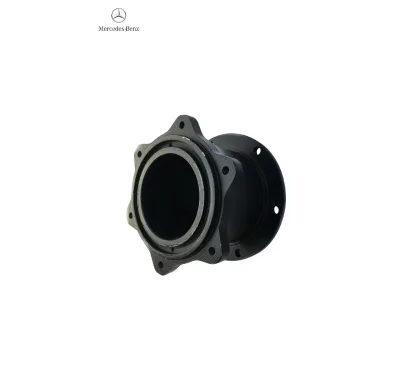


China Supplier Car Cooling System Fan Blade for for Mercedes-Benz 6162050506
$1.00 - $3.99
MOQ: 1 Pieces
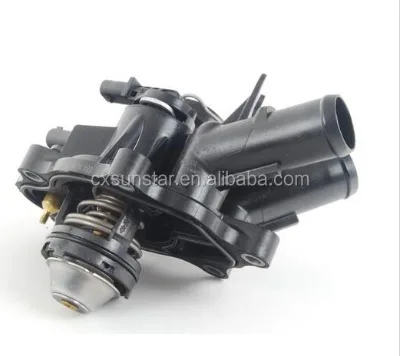


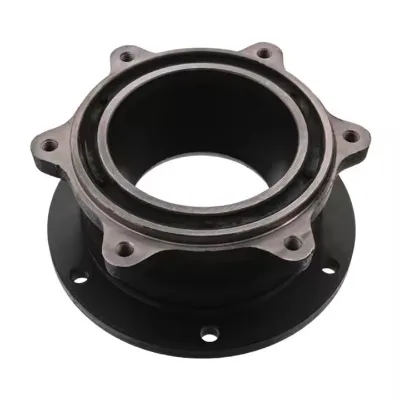
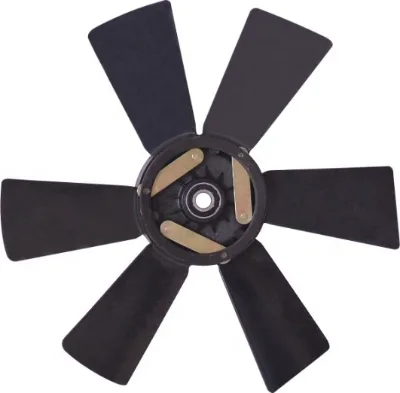
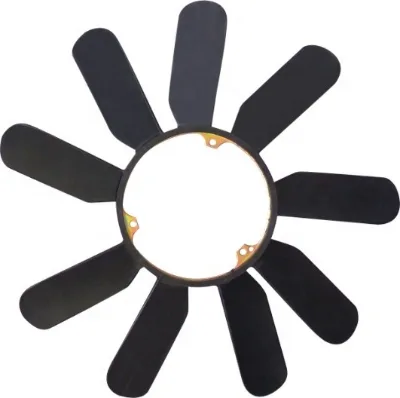

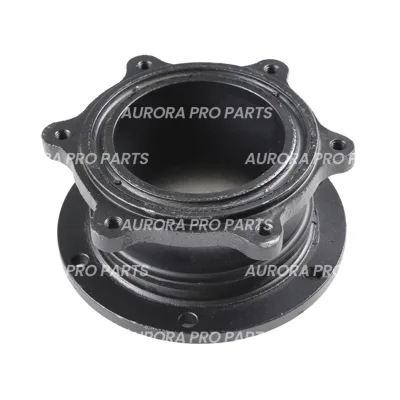
China Factory Mercedes Car Radiator Cooling Fan Blade 0032051306 for Benz Sprinter
$2.00 - $49.00
MOQ: 300 Pieces




Comprehensive Sourcing Guide
Strategic Sourcing Guide For Benz Fan Wheel Housing Components
Understanding Component Variability and Technical Specifications
When sourcing components described under the core keyword "For Benz Fan Wheel Housing," buyers must first recognize that the market presents a heterogeneous mix of products rather than a single standardized item. The supplied product data reveals significant diversity in material composition, structural design, and functional application. For instance, while some listings explicitly identify the product as a "Cooling Fan Assembly" with a "Free Standing" mounting type, others describe "Wheel" components or "Thermostat housing" units. This variation necessitates a rigorous approach to defining technical requirements before engaging with suppliers.
The material composition of these components is a primary differentiator. Available data indicates the use of "Plastic," "metal," and "Aluminium" body materials, with some units combining "Metal and plastic." For a Mercedes-Benz application, the choice of material directly impacts thermal resistance, weight, and durability. Aluminium is often preferred for radiator cores and housings due to its thermal conductivity, while plastic may be utilized for specific housing sections or fan blades to reduce weight. Buyers must verify the specific alloy or polymer grade used, as generic terms like "metal" do not guarantee the corrosion resistance required for automotive cooling systems.
Structural integrity is another critical specification. The data notes a "Sealed Type" structure for certain radiator cores, which utilize a "Bar and Plate" core type. This design is typical for high-efficiency heat exchange but requires precise manufacturing tolerances. Furthermore, the "Radiator Type" is listed as "Direct-flow," and the "Cooling Fluid Type" is specified as "Glycerin" in some contexts. These details are essential for compatibility with the vehicle's existing cooling loop. A mismatch in fluid type or flow dynamics can lead to overheating or system failure. Additionally, the "Water Temperature Sensor Type" is noted as "Digital Type" in specific listings, indicating that electronic integration is a feature of some units. Buyers must confirm whether their specific Mercedes-Benz model requires a digital sensor interface or an analog alternative.
The physical dimensions and packaging also vary significantly. Single package sizes are recorded as "70X70X20.Cm," while other specifications mention a standard of "420mm." The "Product Model" numbers provided, such as "17401362100" and "6162050506," serve as critical reference points for matching parts to specific vehicle chassis codes like "F15" or engine configurations. However, the presence of multiple origin locations, including "Guangdong, China," "Shandong, China," and "Zhejiang, China," suggests that identical model numbers may be produced in different facilities with varying quality controls.
Compliance and Certification Verification Protocols
Navigating the compliance landscape for automotive replacement parts requires a meticulous verification process. The supplied product information lists a broad array of certifications, including "RoHS," "UR," "ISO," "CE," "CCC," and "TS 16949." While these certifications are present in the data, buyers must treat them as claims that require independent validation rather than automatic guarantees of compliance for every unit purchased.
The "TS 16949" certification is particularly relevant for automotive suppliers, as it represents a quality management system specifically tailored for the automotive industry. Similarly, "ISO 9001" indicates a general quality management standard. However, the data also lists "ISOTSCold Style:Water-cooled" as a certification attribute, which appears to be a non-standard or potentially misformatted descriptor. Buyers should exercise caution when encountering such entries and request official certification documents directly from the supplier. The presence of "CCC" (China Compulsory Certification) is mandatory for products sold within China, but its relevance for export to other markets depends on the destination country's regulations.
Environmental compliance is another key area. "RoHS" (Restriction of Hazardous Substances) is a standard requirement for electronic and electrical components to ensure they do not contain specific hazardous materials. For a cooling fan or housing assembly, this ensures that the plastic and metal components meet environmental safety standards. The "UR" certification likely refers to Underwriters Laboratories, a safety certification body, which adds a layer of assurance regarding electrical safety if the fan assembly includes motor components.
It is crucial to understand that the "prod_standard" field in the data is listed as "Many" and "Customizable." This indicates that there is no single universal standard governing all listed products. Buyers must verify that the specific product they intend to purchase adheres to the relevant standards for their target market, such as SAE standards in North America or ECE regulations in Europe. The "prod_packing" is noted as "Carton or Pallet" and "Standerd," but also "Customizable." This flexibility can be beneficial for logistics but requires clear communication to ensure the packaging protects the component during transit, especially for delicate parts like fan blades or sealed radiator cores.
Cost Drivers and Pricing Dynamics
The pricing structure for "Benz fan wheel housing" components is influenced by several factors, including material costs, certification status, and customization requirements. The observed price range in the market data spans from $1 to $200 USD. This wide variance reflects the difference between simple plastic housings, complex aluminum radiator assemblies, and integrated fan units with digital sensors.
Material costs are a primary driver. Components made from "Aluminium" or high-grade "Metal and plastic" composites will inherently cost more than those made from standard "Plastic." The manufacturing process for "Sealed Type" structures with "Bar and Plate" cores is more labor-intensive and requires higher precision tooling, which increases the unit cost. Additionally, the inclusion of "Digital Type" water temperature sensors adds electronic component costs to the assembly.
Customization is another significant cost factor. The data explicitly states that "Customization" is "Available" and that both "prod_packing" and "prod_standard" are "Customizable." Buyers seeking specific branding, unique packaging, or tailored technical specifications will incur additional costs. The "MOQ" (Minimum Order Quantity) ranges from 1 to 300 units, with a specific listing noting an MOQ of "2PCS." Higher order volumes typically result in lower per-unit costs due to economies of scale, but the initial investment required to meet the MOQ must be factored into the procurement budget.
Lead times also impact the overall cost of procurement. The "Delivery Time" is listed as "7-15 Days," which is relatively short for international shipping. However, this timeframe can fluctuate based on the supplier's current production load and the complexity of the order. Rush orders or customizations may extend this lead time, potentially incurring expedited shipping fees. Buyers should also consider the "Warranty" period, which is listed as "360days" for some items. A longer warranty period often correlates with higher manufacturing quality and may justify a higher initial purchase price, as it reduces the long-term risk of replacement costs.
Typical Applications and Vehicle Compatibility
The primary application for these components is the replacement or repair of cooling systems in specific vehicle models. The data explicitly mentions "BMW: X5f15f85 2012-" and "Car Model: F15," indicating that some listed products are designed for BMW vehicles rather than Mercedes-Benz. This highlights a critical pitfall in sourcing: the keyword "For Benz Fan Wheel Housing" may yield results for other brands if the search terms are not precise. Buyers must carefully cross-reference the "Oeno." (Original Equipment Number) and "Car Fitment" details to ensure compatibility.
The "Oeno." provided in the data is "17427634467," which is a specific part number. For Mercedes-Benz applications, buyers should verify if this number corresponds to their vehicle's cooling system. Other model numbers listed include "17401362100" and "6162050506," which may correspond to different vehicle platforms or engine types. The "Functional Application" is described as "Amplification" in one listing, which seems inconsistent with a cooling fan housing, suggesting that some listings may be misclassified or refer to a different component entirely.
The "Purpose" is consistently listed as "for Replace/Repair," confirming that these are aftermarket replacement parts. The "Condition" is "New," which is standard for replacement components. However, the "Brand Name" varies, with "sunstar" mentioned in one entry. Buyers should be aware that some products may be unbranded or generic, while others carry specific manufacturer branding. The "Type" of product varies between "Cooling Fan," "Wheel," and "Thermostat housing," meaning that a single search query may return a mix of related but distinct components.
Supplier Evaluation and Selection Criteria
Evaluating suppliers for "Benz fan wheel housing" components requires a multi-faceted approach. The data indicates that suppliers are located in various regions of China, including "Guangdong," "Shandong," and "Zhejiang." While these regions are known for manufacturing, the specific location does not guarantee quality. Buyers should prioritize suppliers who can provide verifiable documentation for their certifications and manufacturing processes.
The "Quality" attribute is listed as "High Level," but this is a subjective claim. Buyers should request third-party test reports or quality assurance records to substantiate this claim. The "Reference No: 47843" and "Model Number: ss020" serve as internal identifiers that can be used to track specific product batches. It is advisable to request samples before placing a large order to verify the physical attributes, such as the "Single Package Size" and material finish.
Supplier reliability is also crucial. The "Delivery Time" of "7-15 Days" suggests a responsive supply chain, but buyers should confirm the supplier's ability to meet this timeline consistently. The "Selling Units" are listed as "Single Item," which offers flexibility for small orders, but buyers should negotiate terms for larger volumes to secure better pricing and priority handling. The "Customization" capability is a valuable asset, allowing buyers to tailor products to specific needs, but it requires clear communication and potentially longer lead times.
Quality Control and Inspection Procedures
Implementing a robust quality control (QC) strategy is essential to mitigate the risks associated with sourcing automotive components. Given the variability in materials and specifications, a standardized QC protocol should be established. The first step is to verify the "Material" composition against the supplier's specifications. For components claiming to be "Aluminium" or "Metal and plastic," buyers should request material certificates or conduct spectroscopic analysis to confirm the alloy composition.
Dimensional accuracy is another critical QC parameter. The "Single Package Size" of "70X70X20.Cm" and the "420mm" standard must be verified to ensure the component fits within the vehicle's engine bay. Any deviation in dimensions can lead to installation issues or interference with other components. The "Sealed Type" structure should be inspected for leaks, especially for radiator cores that utilize "Glycerin" as the cooling fluid. Pressure testing can be employed to verify the integrity of the seal.
Electrical components, such as the "Digital Type" water temperature sensor, require functional testing. Buyers should verify that the sensor provides accurate readings and communicates correctly with the vehicle's ECU. The "Cooling" function must be validated through thermal performance testing to ensure the component can effectively dissipate heat under load. The "Warranty" of "360days" implies a confidence in the product's durability, but buyers should still conduct pre-shipment inspections to catch any defects before they reach the customer.
Long-Term Procurement and Supply Chain Stability
For long-term procurement, buyers must consider the stability of the supply chain and the potential for product evolution. The "prod_standard" being "Many" and "Customizable" suggests that the market is dynamic, with frequent updates to product designs and specifications. Buyers should establish a long-term relationship with suppliers who can adapt to these changes and provide consistent quality over time.
The "MOQ" of "2PCS" offers flexibility for initial orders, but buyers should plan for scaling up to larger volumes to reduce per-unit costs. The "Delivery Time" of "7-15 Days" is a baseline, but buyers should negotiate buffer times for potential delays, especially during peak seasons or supply chain disruptions. The "Warranty" period is a key factor in long-term cost management; a longer warranty reduces the risk of unexpected replacement costs.
Finally, buyers should maintain a comprehensive record of all transactions, including "Reference No," "Model Number," and "Oeno." This documentation will be invaluable for future troubleshooting, warranty claims, and reordering. By adhering to a disciplined sourcing strategy that emphasizes verification, quality control, and supplier evaluation, buyers can successfully navigate the complexities of the "Benz fan wheel housing" market and secure reliable components for their automotive needs.
FAQs
What certifications do these cooling fan assemblies typically have?
Many listings include RoHS, CE, CCC, and ISO 9001 certifications. Some products also claim TS 16949 compliance for automotive quality standards. Buyers must verify these claims directly with suppliers as they vary by unit.
How long is the delivery time for these cooling components?
The standard delivery time ranges from 7 to 15 days. This timeframe applies to most new condition items listed. Customization requests or specific packaging needs may extend this period slightly.
Which materials are used for the radiator cores and housings?
Products utilize plastic, metal, and aluminum body materials. Some units combine metal and plastic for specific housing sections. Aluminum is often preferred for radiator cores due to its thermal conductivity properties.
Can I find parts with a minimum order quantity of two pieces?
Yes, specific listings allow a minimum order quantity of two pieces. Other products may require quantities up to 300 units depending on the supplier. Buyers should check individual product pages for exact MOQ limits.
What warranty period is offered for these new cooling fans?
Selected items come with a 360-day warranty period. This coverage applies to new condition products intended for replacement or repair. Warranty terms may vary, so confirm details before purchasing.
Which vehicle models are compatible with these fan wheel assemblies?
Some listings specify compatibility with BMW X5 F15 models from 2012 onwards. Other entries mention Mercedes-Benz applications with specific part numbers. Always cross-reference original equipment numbers to ensure correct fitment.
How can I request custom packaging for these cooling units?
Customizable packaging options like cartons or pallets are available for many suppliers. Buyers can request specific packing standards to suit their logistics needs. Confirm customization details and any associated costs with the vendor.