Source Vertical Multistage Electric Inline Pump for Water Boosting, Irrigation, and Boiler Feed
Find 30 verified Vertical Multistage Electric Inline Pump options for industrial water boosting, irrigation systems, and boiler feed applications. Compare models like BDL, BDLF, and Cdlf with stainless steel or cast iron casings, varying head capacities up to 110m, and electric motor protection classes.
Key considerations
Products List






Comprehensive Sourcing Guide
Strategic Sourcing Guide for Vertical Multistage Electric Inline Pumps
Understanding Core Technical Specifications and Design Architecture
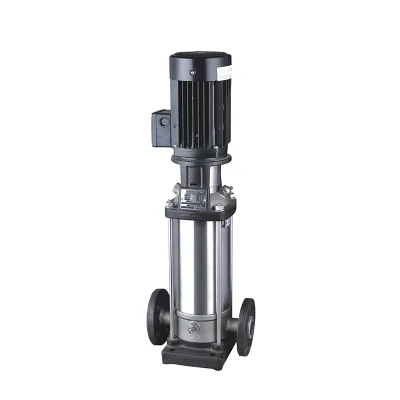
When sourcing vertical multistage electric inline pumps, buyers must first establish a precise understanding of the mechanical architecture that defines performance. The fundamental design relies on a centrifugal principle where multiple impellers are arranged in series along a single shaft. This configuration allows the pump to generate high pressure by incrementally increasing the fluid energy at each stage. In the observed market data, specific models such as the BDL, BDLF, and CDM series exemplify this architecture. These units are characterized by a vertical pump shaft position, which is critical for applications requiring compact footprints or integration into systems with limited horizontal space.
The casing design is another pivotal specification. The observed products feature a vertical joint surface pump configuration, which facilitates maintenance and assembly while ensuring structural integrity under pressure. The impeller type varies by model but often includes semi-open designs, which are particularly effective for handling liquids with minor particulate content without clogging. Furthermore, the driving type is consistently electric, with motor protection classes like IP55 observed in specific listings, indicating a robust defense against dust and water jets. The motor speed is typically standardized around 2980rpm, a common operating point for high-efficiency electric motors in this category.
Material selection is equally critical for longevity and chemical compatibility. The supply chain shows a divergence in base materials, with some models utilizing stainless steel for the entire assembly to ensure corrosion resistance, while others employ cast iron bases paired with stainless steel shafts (S.S.304). This hybrid approach often balances cost with durability. The mechanical seal is a standard component across these units, designed to prevent leakage, a key requirement for the "No Leakage Pump" performance attribute observed in the data. Buyers should verify that the seal material is compatible with the specific medium being pumped, as the standard operating range for medium temperature is observed between -15°C and 110°C.
Compliance Verification and Certification Standards
Navigating the compliance landscape for industrial pumps requires rigorous verification of standards, as these documents serve as the primary assurance of safety and quality. While specific product listings may reference standards such as CE or ISO9001, buyers must treat these as dependent on the specific model and selection rather than universal guarantees for every unit in the category. The observed data indicates that product standards "depend on model" or "depend on selection," necessitating a case-by-case verification process.
For international procurement, the presence of CE marking is a common expectation for equipment entering the European market, signifying conformity with health, safety, and environmental protection standards. Similarly, ISO9001 certification is frequently cited as a quality management benchmark for the manufacturing facility. However, buyers should not assume that a supplier's general certification automatically applies to a specific pump model without explicit confirmation in the commercial contract. The altitude limitation is another critical compliance factor; observed data specifies a maximum operating altitude of 1000m. This constraint affects motor cooling and performance, and buyers operating in high-altitude regions must verify if the specific unit is rated for their local conditions or requires derating.
The medium pH value is another area where compliance with operational limits is essential. The observed range of 5 to 9 suggests that these pumps are optimized for neutral to slightly alkaline or acidic liquids, such as clarified water. Using these pumps outside this pH range without material verification could lead to rapid corrosion or seal failure. Buyers must ensure that the supplier provides documentation confirming the pump's material compatibility with the specific chemical properties of the intended fluid, including the pH and temperature constraints.
Cost Drivers and Pricing Dynamics in the Market
The pricing structure for vertical multistage electric inline pumps is influenced by a complex interplay of material costs, customization levels, and production volume. The observed price range in the market spans from $1 to $50,000, a vast disparity that reflects the difference between small-scale booster units and large industrial systems. Several key factors drive these costs. First, the material composition is a primary determinant; pumps constructed entirely of stainless steel command a premium over those with cast iron bases and stainless steel internal components. The choice of seal material and the quality of the motor also significantly impact the final price.
Customization is a major cost variable. The market data confirms that customization is available, and suppliers offer OEM services. Customizing the pump for specific head pressures, flow rates, or unique mounting requirements adds engineering and production time, thereby increasing the unit cost. The observed MOQ (Minimum Order Quantity) ranges from 1 to 100 units, indicating that buyers can source single units for pilot projects or small installations, but bulk orders may secure better pricing tiers. However, the specific pricing per unit is not fixed and depends heavily on the selected model, such as the BGF series versus the HMC60-SV.
Packing methods also contribute to the total landed cost. While some models are shipped in standard boxes, larger or more complex units may require standard export wooden cases or carton cases. These packaging solutions add to the shipping weight and volume, influencing freight charges. Buyers should factor in these logistics costs when comparing total acquisition costs across different suppliers. Additionally, the power rating, ranging from 0.5 to 60 HP, directly correlates with the motor size and cost, making it a critical variable in budget planning.
Typical Applications and Operational Contexts
Vertical multistage electric inline pumps are versatile assets deployed across various industries where high pressure and compact installation are required. The primary application observed is for pumping water, specifically clarified water, which suggests suitability for municipal water supply, building pressurization, and industrial water circulation. The "Booster Pump" classification highlights their role in increasing water pressure in high-rise buildings or long-distance piping systems where the source pressure is insufficient.
The ability to handle non-flammable and explosive clean liquids makes these pumps suitable for specific chemical processing applications, provided the pH and temperature constraints are met. The operating temperature range of -15°C to 110°C allows for use in both cold water systems and hot water circulation, such as in heating, ventilation, and air conditioning (HVAC) systems. The vertical mounting direction is particularly advantageous in applications where floor space is at a premium, such as in pump rooms with limited square footage or in mobile units where stability is key.
The specific model HMC60-SV, with its CE and ISO9001 standards, is often associated with applications requiring higher reliability and international compliance, such as in commercial buildings or light industrial facilities. Conversely, models like the Cdlf with cast iron bases might be preferred for heavy-duty, cost-sensitive applications where the fluid is non-corrosive. The maximum head of 80-110m observed in certain models indicates their capability to lift water to significant heights, making them ideal for fire suppression systems or irrigation systems in hilly terrain.
Supplier Evaluation and Sourcing Strategy
Evaluating suppliers for vertical multistage electric inline pumps requires a focus on technical capability, customization support, and logistical reliability. The observed data indicates that suppliers are located in Guangzhou, China, a major manufacturing hub known for its industrial pump production. Buyers should verify the supplier's ability to provide OEM services, as the market data confirms that OEM is supported. This capability is crucial for buyers who need branding, specific technical modifications, or integration into existing systems.
When assessing suppliers, buyers should prioritize those who can demonstrate flexibility in their product standards. Since standards are noted to "depend on model," a supplier that can provide clear documentation for each specific model is preferable to one that offers generic assurances. The availability of customization is another key differentiator; suppliers that offer tailored solutions for mounting height, shaft position, or impeller type can better meet unique project requirements.
Logistics and packaging are also critical evaluation criteria. The variation in packing methods, from boxes to wooden cases, suggests that suppliers have different capabilities in handling large or delicate shipments. Buyers should inquire about the specific packaging for their chosen model to ensure safe transit. Furthermore, the MOQ flexibility, ranging from 1 to 100 units, allows buyers to test the market with small orders before committing to larger volumes. However, buyers must be cautious of suppliers who claim to support high customization but have rigid MOQs that do not align with their project scale.
Quality Control and Long-Term Procurement Considerations
Ensuring long-term reliability requires a robust quality control strategy that extends beyond the initial purchase. The observed performance attributes, such as "No Leakage Pump" and "High Pressure Pump," must be validated through testing protocols. Buyers should request test reports or certification documents that verify the pump's ability to maintain pressure and prevent leakage under operating conditions. The mechanical seal is a critical component for maintaining this integrity; therefore, buyers should inquire about the seal manufacturer and the availability of replacement parts.
Maintenance and serviceability are also key considerations for long-term procurement. The vertical joint surface design and the use of standard components like S.S.304 shafts suggest that these pumps are designed for relatively easy maintenance. However, buyers should verify the availability of spare parts, particularly for the motor and seal, to minimize downtime. The supplier's support for OEM services often includes access to technical documentation and spare parts, which is essential for long-term operations.
Finally, buyers should consider the environmental and operational constraints of the pump. The altitude limit of 1000m and the pH range of 5-9 are hard constraints that must be respected to ensure the pump's lifespan. Operating outside these parameters can lead to premature failure, negating the initial investment. Buyers should conduct a thorough site assessment to ensure the installation environment aligns with these specifications. By focusing on these quality control and long-term factors, buyers can secure a reliable supply of vertical multistage electric inline pumps that meet their operational needs for years to come.
Comparative Analysis of Key Product Models
To assist buyers in selecting the appropriate model, the following table summarizes the key specifications observed in the market data for three distinct product lines. This comparison highlights the variations in material, standard, and application that influence the procurement decision.
| Feature | BDL / BDLF Series | BGF Series | HMC60-SV / Cdlf Series |
|---|---|---|---|
| Primary Material | Stainless Steel | Stainless Steel | Cast Iron Base / S.S.304 Shaft |
| Pump Type | Vertical Multistage | Multistage | Vertical Multistage |
| Standard | Depends on Model | Depends on Selection | CE, ISO9001 |
| Packing | Box | Standard Export Wooden Case | Carton Case |
| Max Head | Not Specified | 80-110m | Not Specified |
| Max Capacity | Not Specified | 50-100 L/min | Not Specified |
| Motor Protection | IP55 (Observed) | Not Specified | Not Specified |
| Origin | Guangzhou | Guangzhou, China | China |
| Customization | Available | Customized | OEM Acceptable |
This table illustrates that while all models share the core vertical multistage electric inline architecture, they differ significantly in material composition and certification. The BDL/BDLF series offers a stainless steel construction suitable for corrosive environments, while the HMC60-SV/Cdlf series provides a cost-effective solution with a cast iron base for non-corrosive applications. The BGF series stands out with its specific head and capacity ranges, making it suitable for applications with defined flow and pressure requirements. Buyers should use this comparative data to align their specific project needs with the most appropriate model, ensuring that the selected pump meets both technical and economic criteria.
FAQs
What materials are used for vertical multistage electric inline pumps?
These pumps are constructed using stainless steel or cast iron bases with stainless steel shafts. The material selection depends on the specific model, such as BDL or CDM, to ensure corrosion resistance and durability for pumping water.
Can these pumps operate at high altitudes?
No, the maximum operating altitude is limited to 1000 meters. This constraint affects motor cooling and performance, so buyers in high-altitude regions must verify if the unit requires derating or specific adjustments.
Which impeller types are available for these vertical pumps?
The available impeller types include single suction and semi-open designs. These configurations are suitable for handling clarified water and non-flammable clean liquids while preventing clogging in multistage pump applications.
How is the motor protection class defined for these units?
The motor protection class is typically IP55, providing robust defense against dust and water jets. This standard ensures reliable operation in various industrial environments while maintaining the electric driving type efficiency.
What is the maximum head pressure these pumps can generate?
The maximum head pressure ranges from 80 to 110 meters depending on the selected model. This capability makes them ideal for booster applications and systems requiring high pressure for water circulation or fire suppression.
Can buyers request customization for these pump models?
Yes, customization is available and OEM services are supported for these vertical multistage pumps. Buyers can request specific modifications to fit unique project requirements while adhering to the standard operating temperature and pH limits.
What is the typical packing method for these pumps?
Packing methods vary by model, ranging from standard boxes to export wooden cases. Larger units often require carton cases or wooden crates to ensure safe transit and protect the vertical joint surface pump structure.