Source Vertical Paddy Dryer for Rice Wheat Seed Processing
Find 30 verified Vertical Paddy Dryer units with compact structures and steel construction. Buyers can compare models like 5H-15 and TX-TC for rice grain, wheat, and seed grain drying applications with high productivity features.
Key considerations
Products List
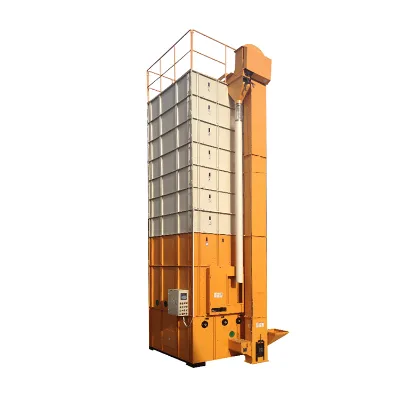
2 Ton Per Hour Paddy Dryer Design and Calculation Factory Price Vertical Cross Paddy Dryer
$18000.00 - $20000.00
MOQ: 1 units


$250000.00 - $300000.00
MOQ: 1 Pieces

$250000.00 - $300000.00
MOQ: 1 Pieces


Large Capacity Grain Dryer Tower Grain Dryer Rice Paddy Dryer for Drying Paddy Maize Corn
$29999.00 - $32999.00
MOQ: 1 Pieces

Circulating Dryer Paddy Rice Dryer Grain Dryer with Reasonable Price
$29999.00 - $32999.00
MOQ: 1 Pieces


Circulating Grain Dryer Paddy Drying Machine Grain Drying Machine for Sale
$29999.00 - $32999.00
MOQ: 1 Pieces


Stainless Grain Dryer, Paddy Dryer, Corn Dryer, Soybean Dryer with Good Quality and Low Price
$22000.00 - $30000.00
MOQ: 1 Pieces


Automatic Paddy Drying Grain Dryer Machine Corn Rice Wheat Drying Dryer
$13500.00 - $24000.00
MOQ: 1 Pieces
Comprehensive Sourcing Guide
Strategic Sourcing Guide for Vertical Paddy Dryers
Understanding Vertical Paddy Dryer Technology and Core Specifications
When sourcing a Vertical Paddy Dryer, buyers must first distinguish between the specific configurations available in the current market, as the term "Vertical Paddy Dryer" encompasses various structural designs and operational capacities. Based on observed product data, these machines are primarily categorized by their structural form, with many units designed as compact silos or tall tower structures. The vertical configuration is particularly noted for its space efficiency and suitability for continuous flow processing in rice mill industries.
The physical dimensions of these units vary significantly depending on the model and intended capacity. For instance, specific models have been observed with dimensions reaching 200410012500mm, indicating a substantial vertical footprint designed for high-volume throughput. In contrast, other compact variants may have a single package size of 350X160X220 cm, suggesting a modular or smaller-scale design. The weight of these machines is a critical logistical factor; observed units range from approximately 2300 kg for smaller models to 11800 kg for larger industrial towers. This variance directly impacts shipping requirements, foundation preparation, and on-site installation logistics.
Material composition is another fundamental specification. The majority of vertical paddy dryers are constructed from steel, ensuring durability against the abrasive nature of grain handling and the environmental conditions of drying operations. The core components driving the mechanical operation typically include gears and other unspecified mechanical parts, which are essential for the movement of the paddy within the drying chamber. The movement way within these vertical units is often described as "combined," suggesting a mechanism that integrates different motion types to ensure uniform drying and prevent grain breakage.
Operational Capabilities and Application Scenarios
The primary function of a Vertical Paddy Dryer is to reduce the moisture content of harvested paddy to safe storage levels, thereby preventing spoilage and maintaining grain quality. These machines are explicitly designed for the application of drying rice grain and wheat seed grain. The versatility of the equipment allows it to serve multiple agricultural needs, from small-scale farm operations to large-scale rice mill production lines.
The drying medium utilized in these systems is typically air, which is heated to facilitate moisture evaporation. The heating mode observed in advanced units includes dielectric heating, a technology that can offer rapid and uniform heating compared to traditional convection methods. However, buyers must verify the specific heating mechanism for each supplier, as this significantly influences energy efficiency and operating costs. The performance characteristics of these dryers are multifaceted, aiming to provide moistureproof, heat insulation, ventilation, airtight, pest control, fireproof, and shockproof capabilities. These features are crucial for protecting the grain quality during the drying process and ensuring the safety of the facility.
The structural shape of the dryer, often described as silos or towers, supports the vertical flow of grain. This design facilitates a continuous drying process where grain moves downward while hot air moves upward or horizontally, depending on the specific airflow design. The "Low Temperature" classification observed in some models indicates a focus on gentle drying, which is essential for preserving the germination rate of seeds and preventing the cracking of high-quality rice grains. This is particularly important for applications involving wheat seed grain, where maintaining viability is paramount.
Cost Drivers and Pricing Structure Analysis
The pricing of vertical paddy dryers is influenced by a complex array of factors, including capacity, material quality, automation level, and the specific heating technology employed. The observed price range in the market spans from 6,500 USD to 300,000 USD. This wide disparity reflects the difference between basic, compact units and large-scale, fully automated production lines.
Several key cost drivers must be considered during the budgeting phase. First, the material volume and steel quality directly affect the manufacturing cost; heavier units with a gross weight of over 11,000 kg naturally command higher prices due to raw material costs and shipping expenses. Second, the complexity of the core components, such as the gear systems and the specific heating mode (e.g., dielectric vs. standard convection), plays a significant role in the final price. Third, customization options, which are available for many models, can increase the cost. Buyers seeking specific dimensions, custom packing, or tailored standard configurations should anticipate a premium over standard off-the-shelf models.
The Minimum Order Quantity (MOQ) for these industrial machines is typically 1 unit, allowing for flexibility in procurement for both small and large buyers. However, the "Selling Units" are often listed as single items, meaning the price quoted is for the complete machine rather than a per-unit cost in a bulk assembly. Buyers should also factor in the "Single gross weight" of 1800.000 kg or higher for shipping calculations, as freight costs for such heavy machinery can be substantial. The "High Productivity" and "High Yield" selling points often correlate with higher price points, as these features usually require more advanced engineering and higher-grade components.
Supplier Evaluation and Geographic Considerations
When evaluating suppliers for vertical paddy dryers, geographic origin is a primary indicator of supply chain logistics and potential after-sales support. The observed data indicates that these machines originate from specific regions in China, notably Guangdong and Henan provinces, with some specific models traced to Jining. The location of the manufacturer impacts lead times, shipping costs, and the ease of coordinating technical support.
A critical aspect of supplier evaluation is the availability of after-sales service. Reliable suppliers in this sector provide engineers available to service machinery overseas. This capability is essential for buyers operating outside of China, as it ensures that technical issues can be resolved without prolonged downtime. The presence of a "Machinery Test Report" and "Video Outgoing-: Provided Inspection" are strong indicators of a supplier's commitment to quality assurance. These documents allow buyers to verify the machine's performance before shipment, reducing the risk of receiving non-compliant equipment.
Brand reputation and model specificity are also vital. While some listings mention brands like "BRT" or "Taixing," buyers should focus on the specific model numbers, such as 5H-15, TX-TC, or PG250/24B, to ensure they are comparing equivalent specifications. The "Condition" of the machines is consistently listed as "New," but buyers must verify the manufacturing date and storage conditions to ensure the equipment has not degraded during transit or warehousing. The "Customization" availability suggests that suppliers are willing to adapt the standard design to meet specific client needs, which is a valuable trait for unique operational requirements.
Quality Control, Compliance, and Technical Verification
Ensuring the quality and compliance of a Vertical Paddy Dryer requires a rigorous verification process. While "CE" certification is mentioned in background data, buyers should not assume all listed products possess this status without explicit confirmation from the supplier. Instead, the focus should be on the "Machinery Test Report" and "Machinery Test: Provided Report" which are explicitly listed as available. These reports provide empirical data on the machine's performance, including drying efficiency, energy consumption, and structural integrity.
Buyers should request detailed inspection videos, as "Video Outgoing-: Provided Inspection" is a noted feature. This visual evidence allows for a pre-shipment check of the assembly quality, the condition of the steel construction, and the functionality of the gear systems. The "Construction Conditions" are listed as "General," but this should be interpreted as the standard baseline; buyers must confirm if the machine meets specific local environmental or safety standards required in their destination country.
The "Performance" attributes listed, such as being moistureproof, heat insulation, and fireproof, are claims that must be validated through the provided test reports. For instance, the "Fireproof" claim requires verification of the materials used in the heating zone and the electrical safety systems. Similarly, the "Pest Control" and "Airtight" features are critical for grain preservation and should be tested for seal integrity and structural soundness. The "Standard" of the product is often listed as "Customized," which means buyers must define the specific standards (e.g., ISO, local agricultural standards) that the machine must meet before production begins.
Long-Term Procurement and Maintenance Planning
Procuring a Vertical Paddy Dryer is a long-term investment that requires careful planning for maintenance and operational continuity. The "Warranty" period is a standard 1 Year for these units, which covers defects in materials and workmanship. However, buyers should negotiate extended warranty terms or service contracts, especially given the "Engineers available to service machinery overseas" capability. This service network is a crucial asset for minimizing downtime in critical harvesting seasons.
The "Single package size" and "Dimension" data are essential for planning the installation site. A machine with dimensions of 200410012500mm requires a dedicated facility with sufficient ceiling height and floor load-bearing capacity. The "Compact" structure of some models offers an advantage for facilities with space constraints, but the "Vertical" nature still demands careful spatial planning.
Maintenance planning should also account for the "Core Components" like gears, which are subject to wear and tear. Buyers should inquire about the availability of spare parts and the lead time for replacement components. The "Material Status" being "Bulk" and the "Drying Medium" being "Air" implies that regular cleaning and air filter maintenance are necessary to prevent clogging and ensure efficient operation. The "Appearance" of the machine, often in white and yellow, is aesthetic but also indicates the use of specific coatings that may require periodic inspection for corrosion or damage.
Comparative Analysis of Key Model Attributes
To facilitate decision-making, the following table summarizes the key attributes observed across different Vertical Paddy Dryer models. This comparison highlights the diversity in specifications and helps buyers identify the model that best fits their operational needs.
| Attribute | Model A (Compact) | Model B (Tower) | Model C (Industrial) |
|---|---|---|---|
| Model Number | 5H-15 | TX-TC | PG250/24B |
| Dimensions (mm) | 350x160x220 (Package) | 200x4100x12500 | 6200x2200x6700 |
| Weight (kg) | 2300 | 11800 | N/A (High Capacity) |
| Origin | Guangdong, China | Henan, China | Jining, China |
| Heating Mode | Standard | Standard | Dielectric |
| Structure | Compact Silo | Tower | Combined Movement |
| Application | Rice/Wheat Seed | General Paddy | Rice Mill Line |
| Warranty | 1 Year | 1 Year | 1 Year |
| Test Report | Provided | Provided | Provided |
This comparison underscores that while the core function remains the same, the scale, technology, and logistics requirements vary drastically. Buyers must align their choice with their specific throughput needs, available space, and budget constraints. The "High Productivity" and "High Yield" features are common selling points, but the actual performance will depend on the specific model's engineering and the quality of the provided test reports. By carefully evaluating these attributes, buyers can make informed decisions that ensure long-term operational success and return on investment.
FAQs
What is the warranty period for vertical paddy dryers?
The standard warranty period is 1 year for these machines. This coverage applies to defects in materials and workmanship, though buyers should verify if extended terms are negotiable with the supplier.
Can buyers access engineers for overseas machinery service?
Yes, engineers are available to service the machinery overseas. This support is crucial for resolving technical issues quickly and minimizing downtime during critical harvesting seasons in foreign markets.
Which dimensions are typical for large vertical paddy dryers?
Large industrial units can reach dimensions of 200 by 4100 by 12500 mm. Smaller compact models may have a single package size of 350 by 160 by 220 cm, requiring different installation spaces.
How much do vertical paddy dryers typically cost?
Prices range from 6500 to 300000 USD depending on capacity and features. The cost varies significantly between basic compact units and large-scale automated production lines with advanced heating technologies.
What materials are used to construct these dryers?
The dryers are primarily constructed from steel to ensure durability. This material choice protects the equipment against the abrasive nature of grain handling and harsh environmental conditions during operation.
Can the Vertical Paddy Dryer be customized for specific needs?
Customization is available for many models to meet unique client requirements. Buyers can request specific dimensions, custom packing, or tailored standard configurations, though this may increase the final price.