Source Vertical Square Stitching Sports Bra for Gym Yoga Running
Compare 30 listings for the Vertical Square Stitching Sports Bra designed for athletic performance. Buyers can evaluate features like quick-drying fabric, moisture-wicking properties, and customization options including custom logos and labels from verified suppliers.
Key considerations
Products List


2 Side Wear Comfortable Sports Wear Athletic Fitness Reversible Yoga Bra
$8.76 - $9.78
MOQ: 200 Pieces

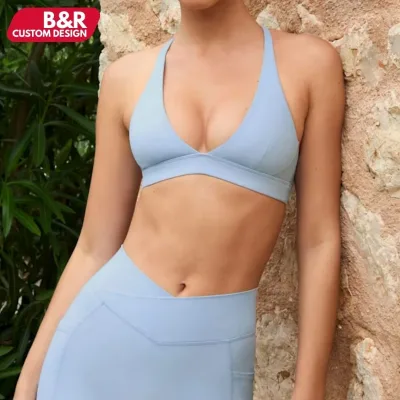
Padded Strappy Cross Back Cropped Yogatop Active Wear Sports Bra for Women
$8.06 - $8.90
MOQ: 200 Pieces


Comprehensive Sourcing Guide
Strategic Sourcing Guide for Vertical Square Stitching Sports Bras
Understanding the Vertical Square Stitching Construction
The Vertical Square Stitching Sports Bra represents a specialized category within athletic apparel, distinguished by its structural reinforcement and aesthetic detailing. This construction method involves stitching fabric panels in a vertical orientation, often creating a grid-like or square pattern that provides enhanced support and durability. When sourcing this specific item, buyers must recognize that the stitching pattern is not merely decorative; it serves a functional role in distributing tension across the chest area, which is critical for high-impact activities. The vertical alignment of the stitches helps maintain the garment's shape during repetitive motion, preventing the fabric from sagging or losing elasticity over time.
In the context of the current market, the term "vertical square stitching" often correlates with products designed for gym fitness, yoga, and running. The structural integrity provided by this stitching technique allows manufacturers to utilize specific materials that might otherwise lack sufficient support. For instance, the combination of vertical stitching with materials like Nylon or Spandex/Nylon blends creates a garment that is both flexible and robust. Buyers should understand that this construction style is frequently associated with "Push Up Pads" and specific "Sports" styles, as the stitching can help contour the body shape while offering the necessary compression. The visual appeal of square stitching also aligns with modern trends in athletic wear, where geometric patterns and "Patterned" or "Pure Colour" designs are popular.
Technical Specifications and Material Composition
When evaluating vertical square stitching sports bras, technical specifications form the backbone of the procurement decision. The material composition is paramount, as the fabric must withstand the stress of the stitching and the physical demands of the wearer. Based on observed market data, common materials include Nylon and Spandex/Nylon blends. These materials are selected for their specific properties: Nylon offers durability and a smooth texture, while Spandex provides the necessary elasticity for a snug fit. The product attributes often highlight features such as "Quick-Drying," "Breathable," and "Moisture-Wicking," which are essential for maintaining comfort during intense workouts.
The sizing and fit specifications are equally critical. The market offers a range of sizes, typically spanning from Small (S) to Extra Large (XL) and potentially up to XXXL, depending on the supplier's capacity. Buyers must verify that the specific model they are sourcing adheres to these standard sizing conventions or offers custom sizing options. The product model numbers, such as P20201222, P20201223, or bra-02356, serve as unique identifiers for different variations of the vertical square stitching design. These models may differ in fabric weight, stitching density, or the inclusion of additional features like "Anti-UV" or "Flame-Retardant" properties.
Furthermore, the production standards regarding dimensions and weight must be scrutinized. While some products may adhere to standard carton dimensions like 60x40x40cm, others might have specific fabric weight requirements, such as 210g. The packing specifications also vary, with options ranging from individual polybag packaging to bulk carton shipments containing 60-80 pieces. Understanding these technical nuances ensures that the final product meets the functional requirements of the target market and aligns with the logistical capabilities of the supply chain.
Compliance, Certification, and Safety Standards
Ensuring compliance with safety and quality standards is a non-negotiable aspect of sourcing vertical square stitching sports bras. While specific certification names are not universally standardized across all suppliers, buyers must verify that the products meet relevant textile safety regulations. The presence of features like "Flame-Retardant" and "Anti-Static" suggests that the fabric may be treated to meet specific safety criteria, particularly for athletic environments where static electricity or fire hazards could be concerns.
Buyers should request documentation confirming that the materials used, such as Nylon and Spandex, are free from harmful substances and comply with international textile safety standards. The "Customized Fabric" option mentioned in some product listings indicates that suppliers may offer bespoke material solutions, which requires rigorous vetting to ensure that the custom fabric still adheres to safety protocols. Additionally, the "OEM/ODM Service" capability implies that the supplier can adapt the product to meet specific regulatory requirements of the buyer's target market, whether it be the European Union, North America, or Asia.
It is crucial to note that while some products may claim to be "Sustainable," this attribute requires verification through recognized environmental certifications. Buyers should not assume sustainability based on marketing terms alone but should request third-party test results or certification documents that validate the environmental claims. Similarly, the "Anti-UV" feature should be backed by quantitative data regarding the Ultraviolet Protection Factor (UPF) rating, ensuring that the garment provides adequate protection during outdoor activities.
Cost Drivers and Pricing Dynamics
The pricing of vertical square stitching sports bras is influenced by a complex interplay of factors, including material costs, labor intensity, and customization levels. The observed price range in the market spans from $0.99 to $16.90, reflecting the diversity of product quality and complexity. Lower-priced items often utilize standard materials and basic stitching techniques, while higher-priced variants may incorporate advanced features like "Windbreak," "Waterproof," or "Rip-Stop" capabilities, which require more expensive fabrics and specialized manufacturing processes.
Labor costs are a significant driver, particularly for garments with intricate vertical square stitching. The precision required to maintain consistent stitch patterns and ensure structural integrity can increase production time and cost. Additionally, the level of customization plays a pivotal role in pricing. Options such as "Custom Color," "Custom Logo," "Custom Label," and "Custom Tags" add value but also incur additional expenses. Suppliers offering "OEM/ODM Service" may charge a premium for the design and engineering work involved in creating a unique product.
The Minimum Order Quantity (MOQ) also impacts the unit cost. The market shows an MOQ range from 1 piece to 1000 pieces. Buyers ordering small quantities, such as 1 piece, may face higher per-unit costs due to the setup and sampling fees. Conversely, larger orders can benefit from economies of scale, reducing the cost per unit. Buyers must balance their budget constraints with their inventory needs, considering that a lower MOQ might be necessary for testing the market, while a higher MOQ is required for long-term profitability.
Supplier Evaluation and Verification Process
Selecting the right supplier for vertical square stitching sports bras requires a thorough evaluation process that goes beyond simple price comparison. Buyers should prioritize suppliers who demonstrate a clear understanding of the technical requirements, such as the ability to execute precise vertical stitching and manage complex material blends. The location of the supplier, often in regions like Yiwu, Zhejiang, or generally China, can influence lead times and logistics costs. However, the proximity to manufacturing hubs should not be the sole criterion; the supplier's track record and quality control systems are more critical.
Suppliers offering "Sample Leadtime" of 5-7 workdays after details are confirmed indicate a responsive and efficient production process. This agility is essential for buyers who need to iterate on designs or respond quickly to market trends. Buyers should also verify the supplier's capacity for "Customization," ensuring they can handle requests for specific logos, labels, and packaging solutions. The ability to provide "Custom Bags" and "Custom Tags" suggests a level of flexibility that can enhance the brand identity of the buyer.
When evaluating suppliers, it is important to assess their communication channels and transparency. A reliable supplier should be willing to share detailed product specifications, including model numbers like 8782bra or 22051315, and provide clear information about their production standards. Buyers should also check for any past performance issues or negative feedback regarding quality consistency. The presence of "Heat Transfer Printing Logo" as a technical capability indicates that the supplier has the necessary equipment for branding, which is a valuable asset for private label buyers.
Quality Control and Inspection Protocols
Implementing a robust quality control (QC) protocol is essential to ensure that vertical square stitching sports bras meet the expected standards of durability and performance. The QC process should begin at the raw material stage, verifying that the Nylon and Spandex/Nylon blends meet the specified weight and elasticity requirements. Inspectors should check for any defects in the fabric, such as uneven dyeing or loose threads, which could compromise the integrity of the vertical stitching.
During the production phase, attention must be paid to the stitching process itself. The vertical square pattern must be consistent, with no skipped stitches or uneven tension that could lead to fabric tearing. Inspectors should verify that the "Push Up Pads" are securely attached and positioned correctly to provide the intended support. Additionally, the finishing processes, including the application of "Custom Labels" and "Tags," should be checked for accuracy and durability.
Final inspection should include a comprehensive review of the finished garments against the agreed-upon specifications. This includes checking the sizing accuracy, ensuring that the "Quick-Drying" and "Breathable" features are functioning as intended, and verifying that the packaging meets the "1PC/Polybag" or "60-80 PCS in a Carton" standards. Buyers should consider hiring third-party inspection agencies to conduct these checks, especially for large orders, to ensure an unbiased assessment of product quality.
Long-Term Procurement and Supply Chain Resilience
Building a long-term procurement strategy for vertical square stitching sports bras involves more than just securing a single order; it requires establishing a resilient and adaptable supply chain. Buyers should focus on developing strong relationships with suppliers who can scale production as demand grows. The ability to handle "OEM/ODM Service" and offer "Customized Fabric" options ensures that the supply chain can evolve alongside market trends and consumer preferences.
Lead time management is another critical aspect of long-term procurement. While the sample lead time is typically 5-7 workdays, bulk production lead times can vary significantly. Buyers should negotiate clear timelines and establish contingency plans for potential delays. The "Supply Type" of OEM/ODM suggests that suppliers are accustomed to working with buyers on long-term contracts, which can provide stability and predictability in the supply chain.
Furthermore, buyers should consider the environmental and social impact of their procurement decisions. The "Sustainable" attribute mentioned in some product descriptions indicates a growing trend towards eco-friendly manufacturing. Buyers can leverage this trend by prioritizing suppliers who demonstrate a commitment to sustainable practices, such as using recycled materials or reducing water consumption in the dyeing process. This not only aligns with consumer values but also mitigates regulatory risks associated with environmental compliance.
In conclusion, sourcing vertical square stitching sports bras requires a meticulous approach that balances technical specifications, compliance requirements, cost considerations, and supplier capabilities. By adhering to the guidelines outlined in this guide, buyers can make informed decisions that lead to high-quality products and a resilient supply chain. The key lies in continuous evaluation, clear communication, and a commitment to maintaining the highest standards of quality and performance.
FAQs
What materials are used for vertical square stitching sports bras?
These bras typically use Nylon or Spandex/Nylon blends to ensure durability and elasticity. The fabric is selected to withstand the stress of vertical stitching while providing quick-drying and breathable properties for athletic activities.
Can I customize the logo and label on these sports bras?
Yes, customization is available for logos, labels, and tags to match your brand identity. Suppliers offer OEM/ODM services allowing for custom colors and heat transfer printing techniques to apply your specific designs.
What is the minimum order quantity for these products?
The minimum order quantity ranges from 1 piece to 1000 pieces depending on the supplier and customization level. Small orders of 1 piece are possible but may incur higher per-unit costs compared to bulk purchases.
How long does it take to receive samples after confirmation?
Sample lead time is typically 5 to 7 workdays after all details are confirmed. This timeframe allows manufacturers to prepare the specific model variations before shipping the sample for your review.
Which features do these bras offer for high-intensity workouts?
These bras feature quick-drying, breathable, and moisture-wicking capabilities to manage sweat effectively. Additional options include anti-UV protection, windbreak, and waterproof properties for diverse environmental conditions.
What packaging options are available for bulk orders?
Products are commonly packed in individual polybags with options for custom bags and tags. Bulk shipments often contain 60 to 80 pieces per carton, with standard carton dimensions around 60x40x40cm.